Embarking on the journey of buying a washing machine can be as overwhelming as it is exciting. With an inundation of options in today’s market, it’s pertinent to arm myself with a comprehensive washing machine buying guide to navigate through the features and find the perfect fit for my home. Knowing how to choose a washing machine involves a mixture of practical considerations and personal preferences.
It’s not just about picking a model; it’s about selecting an ally that will bolster my daily life with efficiency and reliability. Whether I’m yearning for the simplicity of a basic model or the high-tech indulgence of a machine that syncs with my smartphone, the priority is to ensure that my investment endures. Hence, my aim is to delve into the world of washers, parsing through specs that range from spin cycles to warranty promises and from there, make an enlightened choice that respects both my budget and laundry needs.
Key Takeaways
- Consider both efficiency and features in alignment with your budget and laundry habits.
- Diversity in the market offers options for every need, from basic to smart-tech washing machines.
- Dual function washers streamline laundry days by combining washing and drying.
- Understand maintenance tips and warranty details to ensure your appliance’s longevity.
- Price points vary, so aim to locate a washing machine that marries cost-effectiveness with quality.
Understanding Washing Machine Types and Capacities
As I delve into the intricacies of washing machines, it becomes increasingly clear that the type of washer and its capacity are paramount considerations. The debate over front load vs top load models is a frequent starting point for shoppers. Front-load machines have a reputation for superior cleaning and space conservation, especially in homes where square footage is at a premium. Conversely, the top-load washers offer ease of use, eliminating the need to stoop down, alongside quicker cycles.
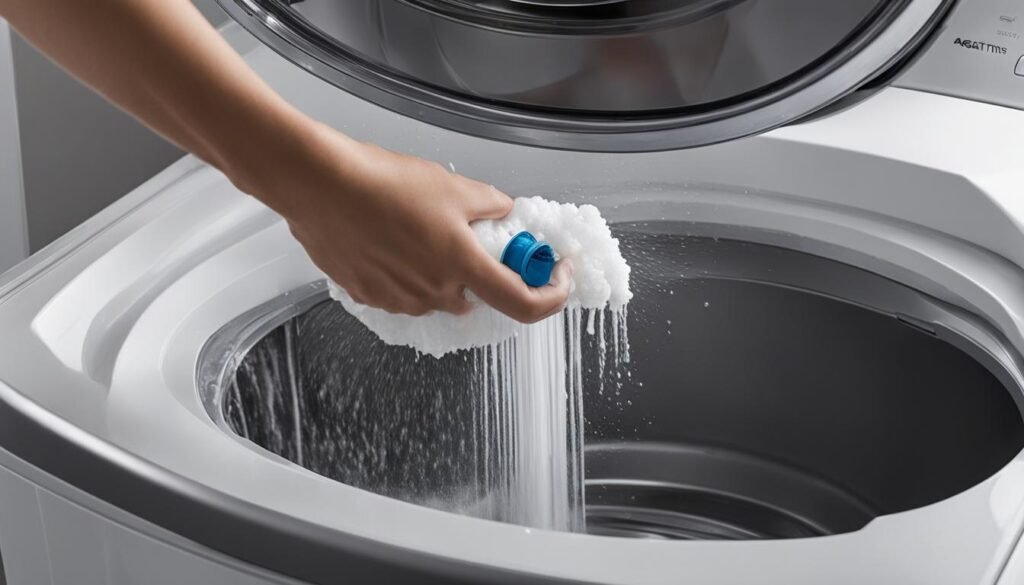
Front Load vs Top Load Washers
The choice between front load vs top load washers is often a question of personal preference intermingled with practicality. Front loaders are touted for their efficiency in both water and energy use, and their stacking ability can be a boon for those looking to save space. On the other hand, top-load machines offer the convenience of adding laundry mid-cycle and can be easier on one’s back.
Washer Capacities for Different Household Sizes
Washing machine drum size is a crucial feature to align with household demands. Small units starting around 1.0 cubic feet could suffice for individuals or couples, while larger households might need capacities that reach up to 6.0 cubic feet, allowing for fewer loads and improved efficiency.
Agitator and Impeller Models: What’s the Difference?
Among top-load washing machines, the internals play a significant role in operation. Agitator top-loaders employ a central post that twists back and forth, vigorously moving clothes for a thorough wash. Although effective, they may occupy more drum space and can be tougher on fabrics. In contrast, impeller-equipped top-load washing machines house a low-profile cone or disc that spins, creating water currents that cycle clothes through the wash. This gentle yet efficient method also allows for larger drum capacities, accommodating bulkier items with ease.
Key Features to Consider When Buying a Washing Machine
As I delve into what to look for in a washer, certain features stand out for their vital role in enhancing the laundry experience. Among them, automatic dispensers offer a noteworthy convenience by accurately dosing detergent and fabric softener. This not only economizes your laundry additives but also ensures optimal cleaning results every time.
Another essential component is the stainless steel tub. It’s built to withstand high spin speeds which are instrumental in trimming down drying times—a feature that translates into energy savings and extends the life of your clothes by minimizing wear and tear during the wash cycle.
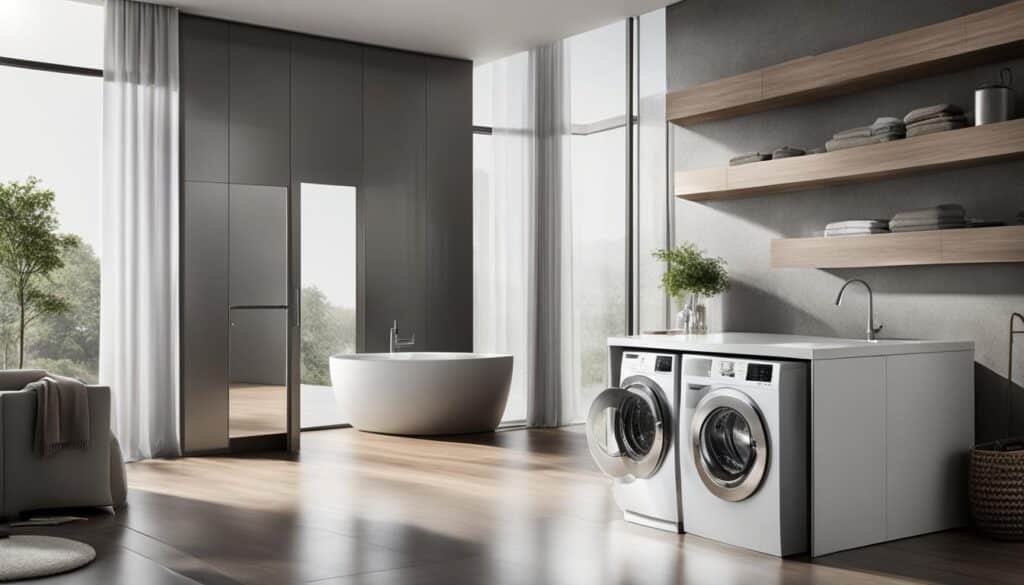
Moreover, for those of us who are more sensitive or have allergies, a washer with an extra rinse cycle becomes an invaluable tool. It removes any trace of detergent residue, ensuring our skin is protected from irritation, and our fabrics are impeccably clean—void of pet hair and other allergens.
Enveloping these functional benefits, energy-efficient washing machines not only contribute to environmental conservation but also offer significant savings in utility costs over the lifespan of the appliance, cementing their status as a prudent choice for the eco-conscious consumer.
- Automatic dispensers for precise detergent use
- Stainless steel tub for durability and efficiency
- Extra rinse cycle for thorough cleaning
- Energy-efficient washing machines for sustainability and cost-savings
Focusing on these features will guide you towards a washing machine that not only meets your laundry needs but also aligns with modern demands for sustainability and smart home management.
Energy Efficiency and Environmental Impact of Modern Washers
As I navigate through the latest advancements in home appliances, the significance of owning an energy-efficient washing machine becomes increasingly evident. Not only do these appliances pave the way for considerable savings on utility bills, but they also epitomize a commitment to environmental stewardship. My objective is to help you understand the importance of these attributes when making your next purchase, ensuring you select a washer that aligns with both fiscal prudence and ecological responsibility.
Identifying Energy-Efficient Models
To exemplify my commitment to efficiency and sustainability, I focus on seeking out Energy Star Certified washers. These washers stand out in the marketplace for their superior energy performance, generally being 10-20% more efficient than standard models. The financial implications are clear, as these affordable washing machines offer long-term savings through reduced energy consumption, which is a tangible benefit that resonates with my sensibilities as a budget-conscious consumer.
Understanding the ‘Green Choice’ Designation
Marking another stride in eco-friendly laundry solutions are the washers that earn the ‘Green Choice’ designation. This accolade is bestowed upon the most environmentally friendly washing machines, discerning them as the best performers when it comes to conserving our planet’s precious resources. Such distinction assures that my laundry routine is not only effectively cleaning garments but also minimizing the environmental footprint—a harmony of efficacy and ecology that I strive for.
Price Range and Budgeting for Your New Washer
As I embark on the quest for a new washing machine, I recognize that the washing machine price comparison plays a pivotal role in my decision-making process. The diversity in pricing reflects the vast range of functionalities and settings that different models offer. With prices extending from the more cost-effective washing machines priced around $500 to the premium models topping $2,500, my goal is to pinpoint the perfect harmony between affordability and the machine’s proficiency.
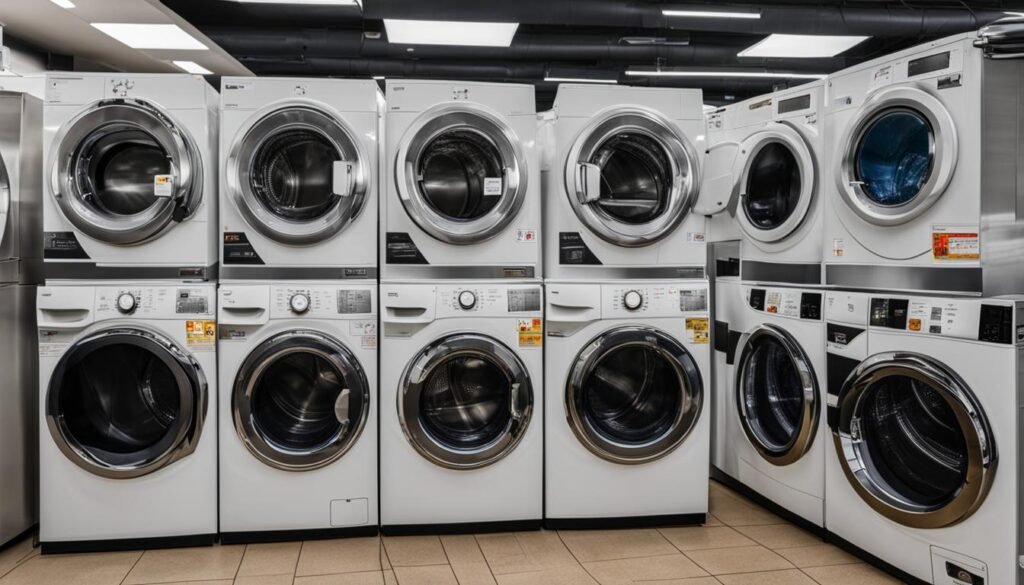
Without a doubt, identifying the best washing machines based on price is a matter of balancing the essential features I need against the funds available. To make an informed investment, here is what I’ll be looking for in a washing machine at various price points:
- At the entry-level, I will zero in on durability and basic wash settings — ensuring that even the most modestly priced machines offer a solid performance.
- Moving up the price scale, I will seek out units with enhanced efficiency ratings and a greater range of wash cycles to cater to different fabrics and stains.
- At the higher end of the spectrum, I anticipate advanced features such as smart technology integration, which allows for syncing with home network systems for a more seamless laundry experience.
My approach includes meticulous washing machine price comparison across reputable brands, alongside evaluations of long-term energy consumption, to ensure that my selection stands as a cost-effective choice over time. By gauging what to look for in a washing machine at different price points, I aim for an appliance that doesn’t sacrifice quality or energy efficiency, thus providing me with a dependable ally for my everyday laundry needs.
Your Guide to Washing Machine Maintenance
Maintaining my washing machine is not just about keeping it running smoothly; it’s about ensuring longevity and performance. Just like any appliance, my washing machine requires regular upkeep for washing machines, and knowing the right washing machine maintenance tips can be the difference between a machine that lasts for years and one that quits prematurely.
Regular Upkeep for Long-Lasting Performance
Weekly maintenance doesn’t have to be a chore. I make sure to wipe down the seals and leave the door ajar to prevent mold and mildew. Additionally, once a month, I’ll run an empty hot water cycle with vinegar to clean the inside. It’s also crucial to inspect hoses for wear and tear and to guarantee that the machine is leveled to avoid undue stress on the motor and drum. By following these simple steps consistently, I effectively extend the life of my washing machine.
- Wipe down seals and leave the door open after use.
- Run a cleaning cycle with natural cleaners like vinegar.
- Check hoses regularly for leaks or bulging.
- Ensure your washing machine is properly leveled.
Warranty and Repair Services: What You Need to Know
Understanding the terms of my warranty has saved me undue stress. Many brands offer a standard 1-year warranty, but when I chose my Speed Queen washing machine, I was swayed by their robust warranties that can extend up to 7 years. This commitment to their products gave me confidence in their reliability. When I’m faced with the common dilemma of whether to repair or replace my washing machine, I weigh the costs with the coverage provided by my warranty.
However, sometimes a repair is a more cost-effective solution, especially if the issue is minor. I keep an eye on the performance of my washer and consult with certified repair services when necessary. Being proactive rather than reactive about potential issues helps me manage maintenance costs over time.
Considerations for machine repair or replacement:
- Assess the cost of repairs against the price of a new machine.
- Take into account the age of your washing machine.
- Review your warranty details; it can affect the repair vs. replace decision.
- Consult a reputable repair service for an expert opinion.
The key to a well-functioning washing machine lies in my hands. With regular care and an understanding of my warranty, I can ensure that I get the most out of my investment. Knowing whether to repair or replace my washing machine comes down to evaluating the long-term value and weighing that against the benefits of upgraded models or the assurances that warranties like those from Speed Queen provide.
Save this article
Enter your email and we'll send it straight to your inbox.
Decoding Washing Machine Reviews and Ratings
When I delve into the world of washing machine reviews, I look for the kind of information that can only come from actual usage. With the plethora of models on the market, sifting through top-rated washing machines can feel overwhelming. It’s not just about the number of stars a product acquires; it’s the substance behind those ratings that counts.
Laundry product comparisons often highlight the features and efficiency of different washing machines, but as a savvy shopper, I know the importance of corroborating these findings with consumer reports on washing machines. Such reports offer a deeper understanding of machines’ performance in real-world scenarios.
- Look for patterns in customer feedback regarding washing efficiency.
- Consider reviews discussing machine consistency and long-term reliability.
- Keep an eye out for any recurring issues customers may experience.
While customers’ perspectives are essential, professional insights provided by Consumer Reports and other authoritative sources bring a high level of scrutiny and testing to the table. These resources are invaluable for delving into the more technical aspects, contributing to a well-rounded perspective on which machines truly perform the best.
In my experience, finding a washing machine that fits my needs is not just about following the crowd’s favorites, but understanding why certain machines stand out. It’s a combination of assessing both user reviews and professional evaluations to select an appliance that promises reliability and excellence.
Choosing the Right Washing Machine Brand and Model
As someone who values the essentials of home life, I know that selecting a suitable washing machine brand is a significant decision. When sifting through the best washing machines on the market, the task can be overwhelming. But with the right buying washing machine tips, we can navigate the journey with confidence. Identities like Amana and Hotpoint offer economic solutions for tight budgets, while LG and Samsung shine in the smart appliance sector.
Comparing Top-Rated Washing Machine Brands
It’s not just about matching laundry room colors or choosing a device that fits snugly between cabinets; it’s about trust and efficiency. The top-rated brands have earned their marks for reliability and innovation, making every penny of the investment count. Whether your heart is set on a feature-rich model or a no-frills workhorse, there’s a spectrum of machines tailored to your personal laundry needs. Here’s a tip: Consider track records for after-sales service and customer satisfaction when finalizing your choice. This often speaks volumes about a brand’s commitment to its buyers.
Benefits of Washer-Dryer Combos and Smart Technology
The evolution of the humble washing machine into a smart washer and dryer is nothing short of revolutionary. Those who value a minimalist aesthetic or live in compact urban dwellings will appreciate the space-saving wizardry of combined washer-dryer units. Moreover, with advancements in smart home technology, the latest smart washing machines seamlessly integrate with our lifestyles, offering remote operations and programmed settings that save both time and energy. Just imagine starting your laundry whilst stuck in traffic, or receiving an alert when it’s time to fold your garments—simplicity at its smartest.
When I stand before rows of metallic, white, and graphite appliances, I can’t help but think about the countless hours we’ll spend together over bubbly suds and spinning drums. A quality washing machine doesn’t simply clean; it becomes an everyday companion in managing life’s fabric encounters.
Conclusion
In my exploration of the multifaceted process of buying a new washing machine, I’ve dissected the significance of machine types, capacities, innovative features, and the imperative of energy efficiency. My purpose has been to craft a comprehensive pathway, brimming with buying washing machine tips, that guides you towards an acquisition that seamlessly aligns with your individual lifestyle and laundry demands. By merging prudential budgeting practices and sagacious maintenance knowledge with insightful user reviews, you’re now equipped to make decisions that promise both quality and value for your home.
Understanding how to buy a washer machine involves more than just picking a model off the shelf; it’s about contemplating the harmonious integration of the appliance into your daily routine. Whether it’s a family-sized drum or a compact option, a high-tech unit or a classic design, every selection holds the potential for an optimal laundry solution, underscoring a commitment to long-lasting, efficient service. It’s my hope that the guidance provided herein has illuminated the nuances of how to buy washing machines, ensuring that your final choice is one infused with both confidence and satisfaction.
As you stand on the precipice of this significant investment, remember that the act of buying a new washer intertwines functionality with personal preference. Amid the array of opportunities, your informed judgment is your greatest asset in securing an appliance that doesn’t merely clean garments but elevates your home life to new heights of convenience and reliability. Hold this guide close as you traverse the rich landscape of options, and rest assured that your discerning eye will lead you to the ultimate washing companion that best suits your abode.
FAQ
What should I consider when buying a washing machine?
When purchasing a washing machine, key considerations include the appliance’s efficiency, its features such as automatic dispensers and stainless steel tubs, the energy efficiency rating, your budget, and the machine’s capacity appropriate for your household’s needs. Additionally, factor in the longevity and maintenance aspects, washing machine reviews, and the brand’s reputation for quality and service.
What are the differences between front load and top load washers?
Front load washers offer better cleaning performance and efficiency, take up less space due to stackability, and often have a greater capacity. Top load washers, on the other hand, provide convenience as you don’t need to bend down to load them and usually have shorter cycle times. The choice between the two depends on personal preferences and laundry habits.
How does washer capacity affect my purchase decision?
Washer capacity should be matched to the size of your household. Smaller households might need a washer with a capacity of around 1.0 to 3.5 cubic feet, while larger households or those with a high volume of laundry might prefer a machine with a capacity of 4.0 to 6.0 cubic feet. Considering your laundry habits is critical to ensure the machine meets your needs efficiently.
What is the difference between agitator and impeller washers?
Agitator washers have a spindle in the middle of the drum that twists back and forth to move clothes through the water and detergent. They typically provide a more vigorous clean but can be rougher on clothes. Impeller washers use a low-profile disc at the bottom that creates currents within the water to gently move clothes through the wash, which is better for delicate items and can result in larger capacities within the same drum size.
How important are energy-efficient features in a new washing machine?
Energy-efficient washing machines, often denoted by the Energy Star certification, use less electricity and water per cycle, saving you money on your utility bills over time. They are also more environmentally friendly, which contributes to a lower carbon footprint. Therefore, choosing an energy-efficient model is both economically and ecologically beneficial.
What does the ‘Green Choice’ designation mean for washers?
The ‘Green Choice’ designation highlights the most energy-efficient washing machines on the market. These models exceed standard energy-saving requirements, offering additional savings on utility bills and benefiting the environment by reducing the appliance’s ecological impact.
How much should I expect to spend on a new washing machine?
The cost of a new washing machine can vary substantially based on features, efficiency, and brand. Generally, prices can range from about $500 for basic models up to $2,500 for high-end machines with advanced features. It’s essential to balance the upfront cost with your required features and long-term savings from efficiency to find the best value.
What are the essentials of washing machine maintenance?
Washing machine maintenance essentials include regularly cleaning the drum, gasket, and detergent dispensers, checking and cleaning filters, and running an occasional empty cycle with a washer cleaner. Also, keep an eye on hoses for leaks and ensure that the machine is level to prevent excessive vibration.
Why is it necessary to consider warranty and repair services when buying a washer?
Warranty and repair services are vital aspects of a washer purchase because they provide a safety net should your machine experience faults. A good warranty can save you substantial amounts of money in repairs, and reliable repair services ensure that your washing machine remains in optimal working condition, extending its lifespan.
How should I interpret washing machine reviews and ratings?
Washing machine reviews and ratings provide insight into a product’s performance, reliability, and user satisfaction. However, it’s important to read multiple reviews and consider the source as well as the context of each review, balancing professional assessments with user experiences to form a comprehensive view of the model’s quality.
How do I compare washing machine brands and models?
To compare washing machine brands and models, look for trusted reviews from Consumer Reports and other reputable sources. Evaluate each model based on its cleaning efficiency, feature set, price, energy efficiency, and user convenience. Consider components like warranty terms and the brand’s customer service reputation to ensure you choose a reliable appliance that meets your needs and budget.
Are there benefits to washer-dryer combos and smart technology in washing machines?
Washer-dryer combos offer space-saving solutions for those with limited laundry room space, eliminating the need to transfer laundry between two machines. Smart technology in washing machines adds convenience, allowing you to control and monitor your laundry remotely, receive maintenance reminders, and customize wash cycles via a smartphone app or through voice commands using smart home systems.
Save this article
We'll email you the link so you can find it again later.