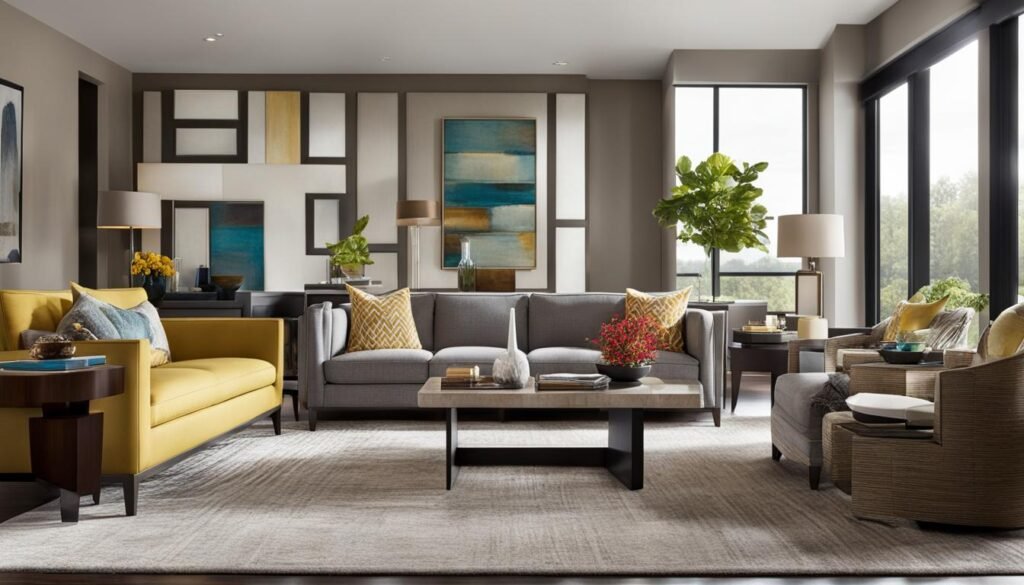
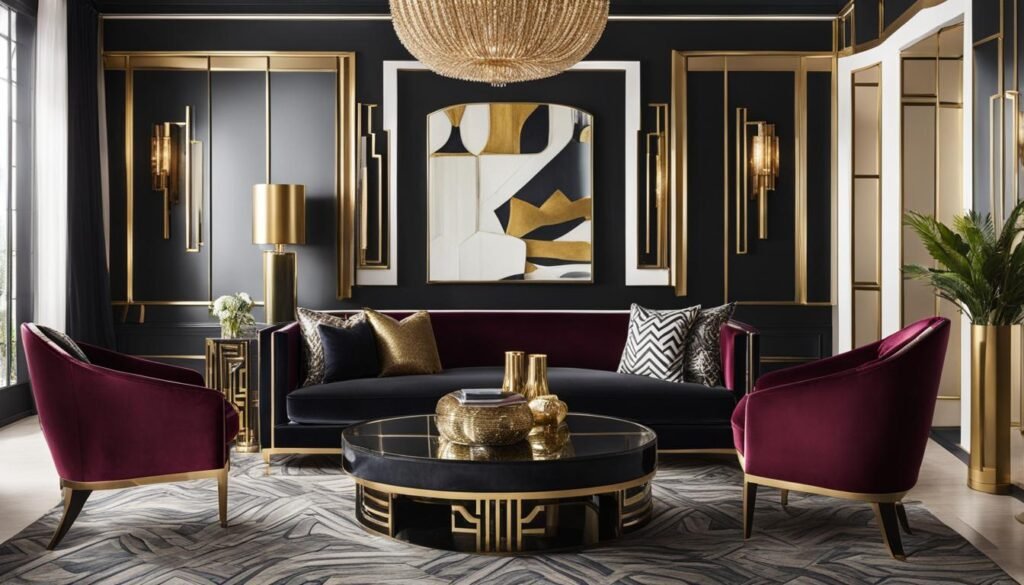
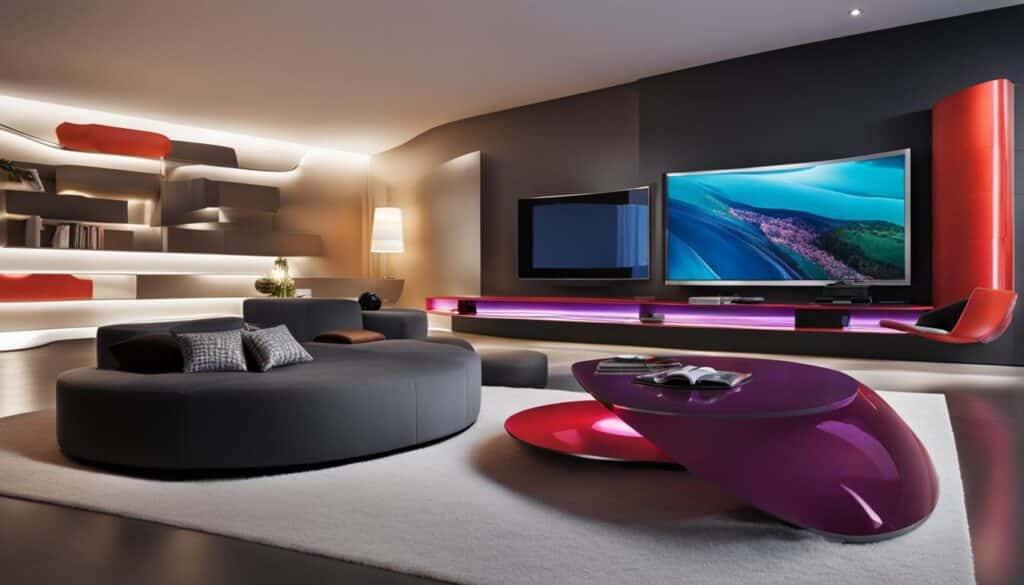
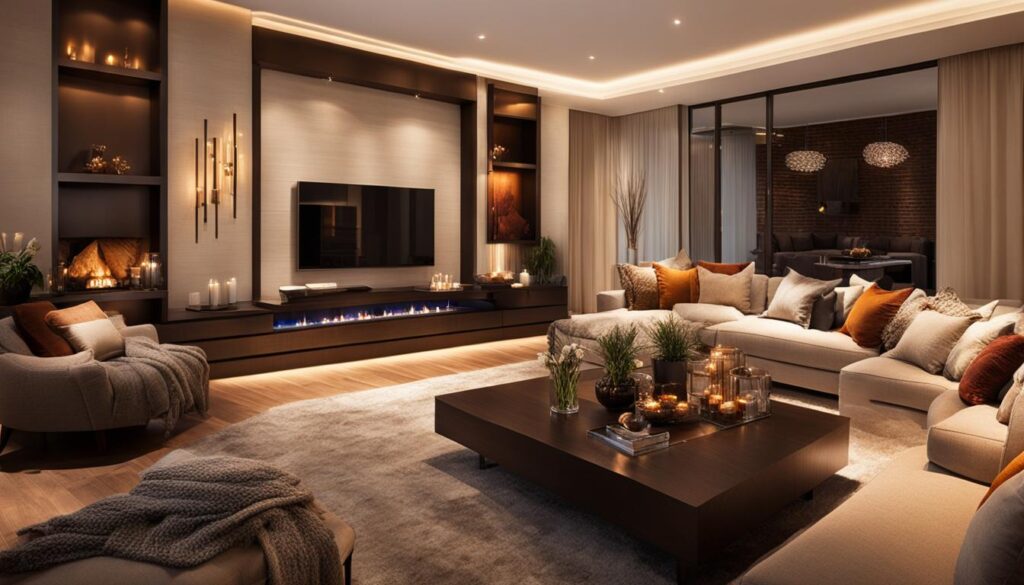
There’s something genuinely thrilling about transforming a space that truly feels like mine. The magic lies in blending diverse and eclectic furniture styles to create a harmonious sanctuary that speaks to my soul. It’s a canvas upon which I paint my personal aesthetic, expressing myself through an eclectic home decor that embraces both the old and the new. My crusade is to harmonize furniture styles, swirling together the best of mixed interior design styles into a symphony of visual delight. Let’s embark on this adventure together, exploring the art of mixing styles of furniture to craft spaces that are as unique as they are cohesive.
Key Takeaways
- Incorporating a variety of eclectic furniture styles to create a personalized living space
- Utilizing color palettes strategically to maintain a seamless feel in mixed-style decor
- Emphasizing balance and spacing to enhance each piece’s presence within a room
- Selecting a focal point to unify and anchor the eclectic array of furniture
- Inviting creativity by breaking from traditional decor norms and mixing modern with traditional elements
Embracing Eclectic Interior Design
As someone passionate about making a personal statement through my home, I’ve found that eclectic interior design is more than just a decorating style—it’s a celebration of self-expression. By combining different furniture styles, the home becomes a canvas for storytelling, where each piece reflects a chapter of my life’s journey.
Understanding how to blend furniture styles effectively can seem daunting at first. It’s like creating a symphony where each instrument plays a distinct note, yet together, they create a harmonious melody. But it’s not just about putting together a medley of furniture pieces—it’s about creating a space that embodies comfort, beauty, and individuality.
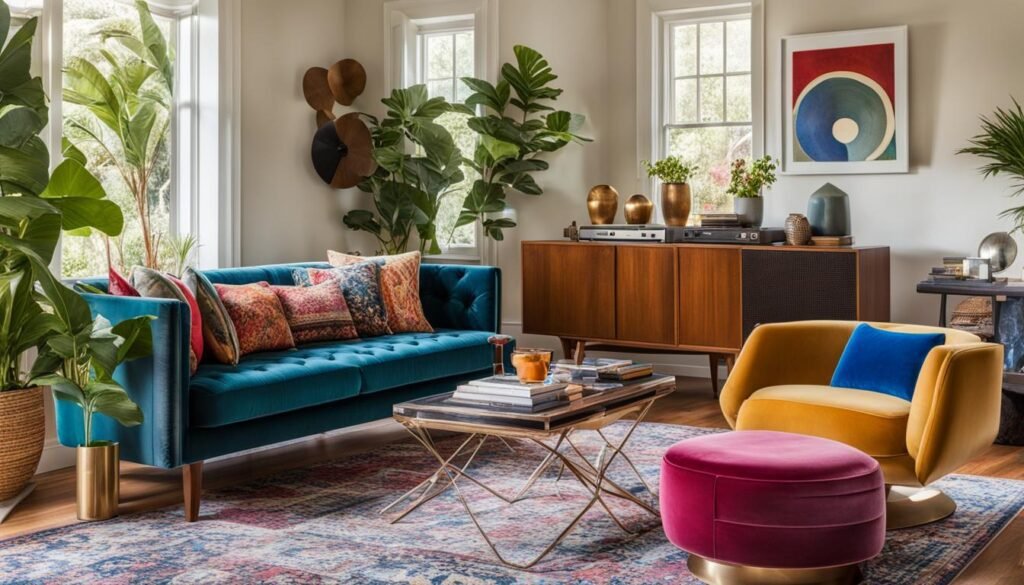
Creating an eclectic space doesn’t mean a random assortment of items. It’s about thoughtfully combining different furniture styles to achieve that personal touch. A mid-century modern sofa might sit comfortably against a backdrop of bohemian tapestries, while a vintage lamp stands proudly on a contemporary end table—each element has a purpose, contributing to the eclectic narrative of the room.
Eclectic furniture styling thrives on the unexpected—pairing the soft texture of a velvet chair with the rough, aged wood of an heirloom table. As I explore this diversity, I see it not as a clash, but as a conversation between eras, textures, and trends. It is this unique dialogue that turns a simple room into a rich, eclectic haven.
- Start with a unifying element, such as a color or material, to guide the mix.
- Incorporate pieces with different scales and heights to add depth.
- Combine straight and curved lines to introduce visual movement.
- Layer textures and patterns for a sensory experience.
The beauty of eclectic interior design is that it’s perpetually evolving. It grows with me, adapting to my changing tastes, and continues to tell my story with each new addition. So, I encourage you to mix, match, and blend—let your home be a testament to the rich tapestry of your life.
Setting the Foundation: Choosing Your Room’s Style
When I set out to create a living space that truly feels like home, the first thing I do is lay down the foundation by choosing my room’s dominant style. This initial decision guides the rest of my styling furniture choices, ensuring that I can mix and match living room furniture with ease and confidence. Picking a dominant style prevents any one aesthetic from overpowering the space, creating a balanced, harmonious look where every piece of furniture contributes meaningfully to the overall design.
Picking a Dominant Style
My journey to designing a space where mixing styles interior design becomes an art starts with the selection of a primary style. I look at my existing pieces and think about the mood I want to evoke. Do I want the classic elegance of traditional furniture to take the lead, or should the clean lines of modern design set the tone? Deciding on a style that captures the essence of my taste and lifestyle gives me freedom to blend in other styles without losing sight of my vision for the room.
Conducting a Style Quiz for Clarity
Sometimes, the challenge is in knowing exactly what my dominant style is. That’s why taking an interior design style quiz can be incredibly enlightening. Through a series of visual and preference-based questions, the quiz unveils which style truly resonates with my personal aesthetic. This clarity is instrumental in choosing the right pieces that not only match furniture in its foundational style but also embellish the living space with diverse textures and accents.
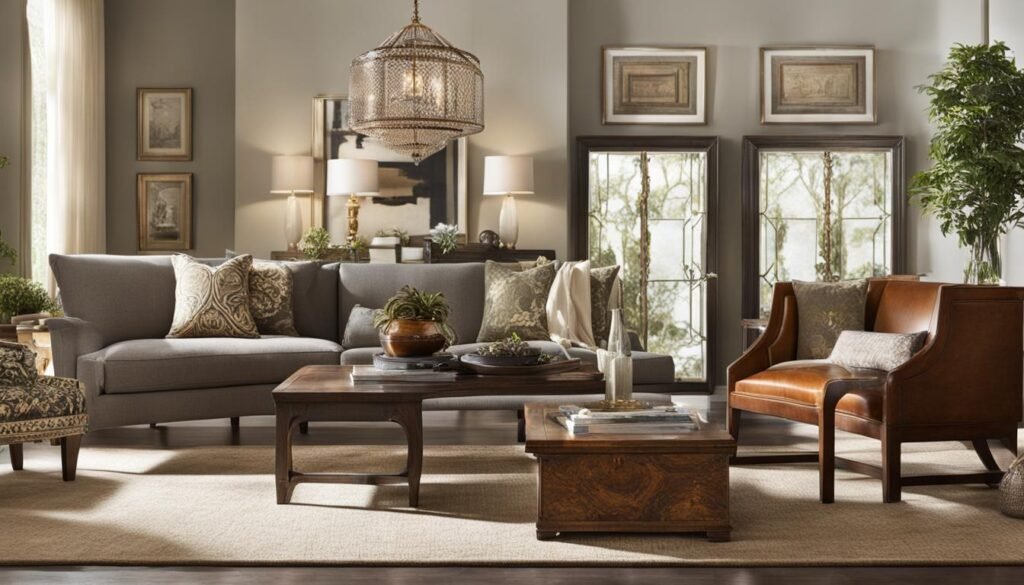
In the end, setting the foundation of the room’s style is about more than just arranging furniture—it’s about curating a space that’s uniquely mine. Whether I’m selecting a vintage armchair or a sleek, modern coffee table, the goal remains the same: to create a living room that tells my story, where every piece has a place and purpose.
The Color Palette Connection
When I walk into a living room, I’m immediately drawn to the harmony of colors that tie the different color furniture together. It’s a careful blend of shades and hues that make the eclectic mix of modern and traditional furniture feel intentional and welcoming.
Coordinating Colors for Harmony
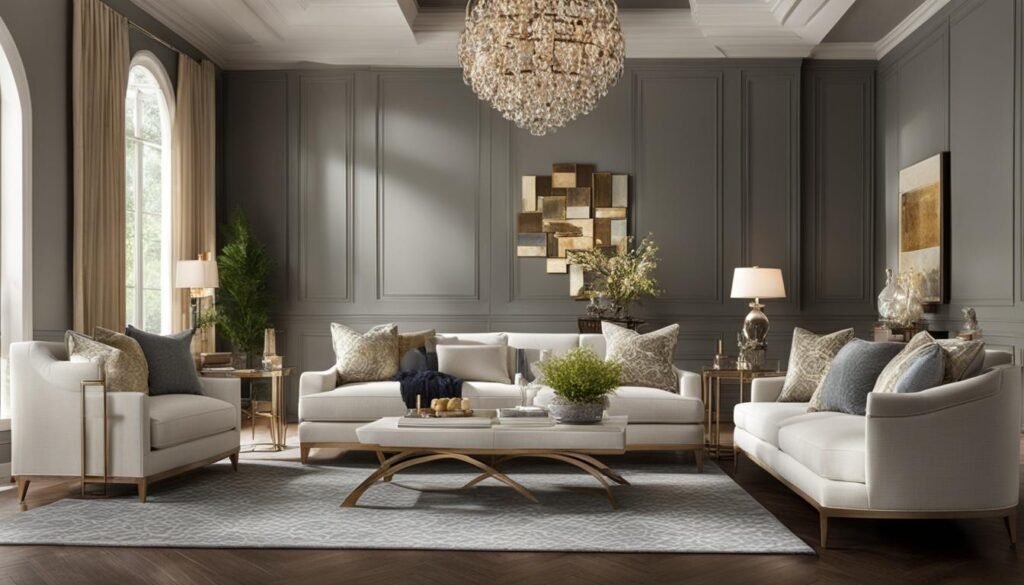
My first tip is always about balance. By selecting a base color that resonates throughout the space, you can achieve a certain rhythm that guides the eye smoothly from piece to piece. It’s like creating a visual baseline that allows for a variety of styles to coexist pleasantly. Think of soft grays or warm beiges that complement a range of furnishings without overpowering any unique designs.
Playing with Contrast for Vibrancy
Now, don’t shy away from playing with contrast either! Occasionally, I love throwing in a bold statement piece that stands out. This conflict of color, when done right, can stimulate the senses and give that pop of personality your living room craves. Imagine a classic mahogany coffee table paired with a vibrant teal sofa; it’s an unexpected twist that brings an energetic vibe to the space.
- Start with a neutral canvas when mixing furniture styles.
- Include elements with a common accent color for continuity.
- Introduce contrast through vibrant decor and upholstery for that touch of modernity.
Remember, combining different color furniture in the living room is an art form that reflects your personal style. Whether it’s mixing modern and traditional furniture or exploring how to mix furniture styles, the color palette is the connecting thread that weaves together your diverse collection of pieces into a room that’s all about harmony in diversity.
Striking a Balance: Spacing in Mixed Furniture Living Room
When it comes to designing a mixed furniture living room, one of my golden rules is to ensure that the harmony of the room isn’t compromised by an excess of furniture. It’s easy to fall in love with multiple pieces, but the trick lies in resisting the urge to overcrowd the space. Adequate spacing between furniture pieces isn’t just good design practice—it’s essential for creating an inviting environment that’s as functional as it is beautiful.
Avoiding Overcrowding
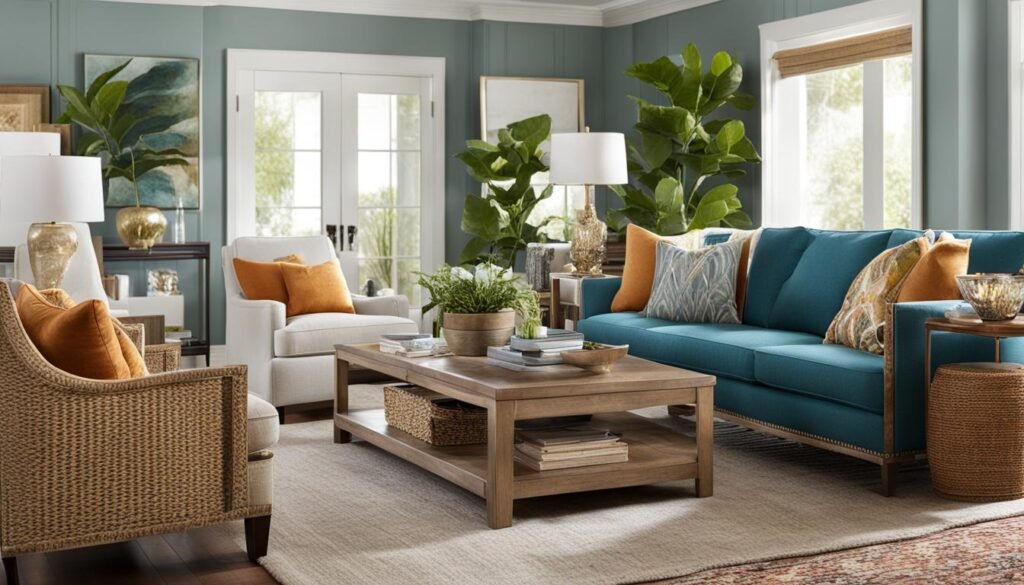
There’s a fine line between a room that’s richly layered and one that’s cluttered. I believe in selecting each piece with intention, ensuring that every chair, table, and sofa serves a purpose beyond mere aesthetics. This way, you not only maintain an uncluttered look but also foster a setting that is easy to navigate—a must for a mix match living room furniture approach.
Creating Breathing Space for Furniture
Giving each piece of furniture its own ‘breathing space’ allows it to stand out and be appreciated on its own merits. It’s not just about placing furniture—it’s about creating a cohesive furniture mix that encourages conversation, relaxation, and a sense of well-being. Whether it’s a streamlined coffee table or an ornate lamp, each element should contribute to the room’s narrative without shouting over one another.
- Choose a focal piece to anchor the room, and arrange other items around it.
- Use area rugs to define spaces within the room, helping to zone areas effectively while still maintaining that open feel.
- Keep pathways clear to streamline movement and interaction, allowing energy to flow freely throughout the space.
In my experience, practicing these principles of spacing and arrangement can transform a haphazard assortment of furniture into a thoughtfully curated living space. After all, a mixed furniture living room isn’t just about the pieces you choose—it’s equally about the space you leave to tell their story.
Mixing Furniture Styles for Visual Interest
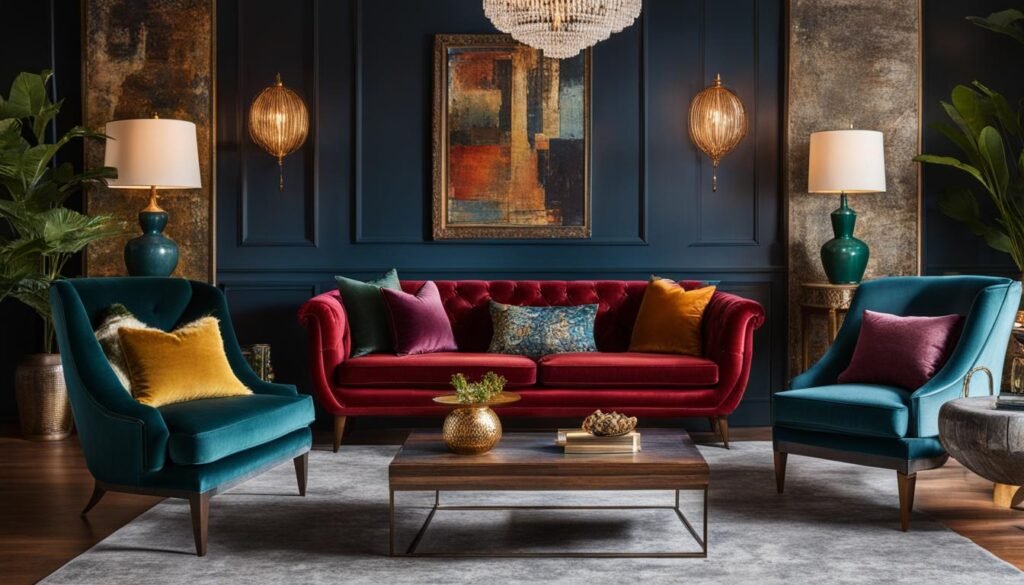
When I step into a room, I’m not just looking for a place to sit; I’m seeking an experience, a narrative told through the very items that occupy the space. That’s why I adore the idea of mixing furniture styles to create a visually appealing interior. It’s like having a conversation without words, where every piece of furniture has a story to tell.
My approach to blending furniture styles merges the elegance of traditional furnishings with the sleek lines of modern design. I take delight in the unexpected contrasts that arise from combining furniture styles—an antique mahogany table beside a minimalist steel chair, for example. It’s this eclectic mix that invites depth and character into my living space.
- The warmth of a traditional, ornate bookcase against the cool austerity of a modern sofa.
- A vintage lamp casting its amber glow on an ultra-modern, glossy coffee table.
- An art deco mirror reflecting the sleek simplicity of contemporary wall art.
Mingling mixing traditional and modern furniture not only showcases my personal taste but also transforms my home into a unique blend of time periods and styles. It’s about composing a space that’s as unique as an individual fingerprint, a home that’s a testament to the artistry of mix match furniture styles.
In my quest to create a space that feels both unified and exciting, I’ve found that every furniture piece—no matter how small or large—can play a pivotal role in the overall aesthetic. I invite you to venture beyond the ordinary and explore the endless possibilities that arise from combining different furniture styles. Let your home narrate the eclectic tale of your life, one chair, table, and cushion at a time.
Textures and Materials: How to Craft the Perfect Mix
As I delve into the art of mixing styles of furniture, I find that achieving that coveted eclectic charm lies in the synergy between varied textures and materials. It’s not just about the visual appeal; the tactile experience plays a significant role in drawing people into a space and making it memorable. Let’s explore how to expertly blend these elements and create interiors that sing with individuality.
Save this article
Enter your email and we'll send it straight to your inbox.
Combining Different Textures
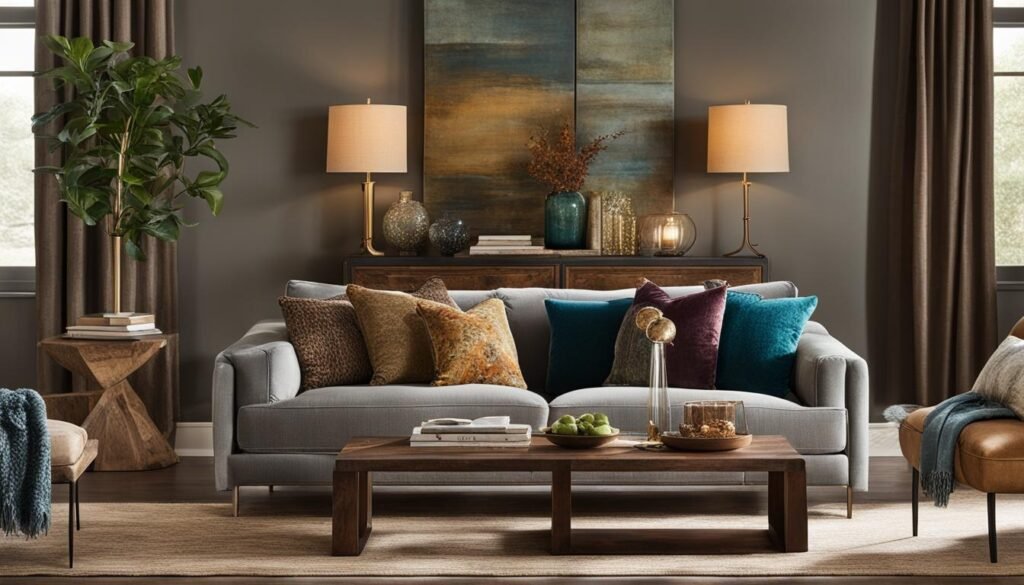
Consider the plush comfort of a velvety sofa juxtaposed against the rough grain of a reclaimed wood coffee table. This is the essence of combining different textures—to stimulate the senses and add depth to your decor. Mixing smooth, glossy surfaces with matte, textured ones can forge a dynamism that breathes life into your spaces. Here are some ways I love to create this tactile diversity:
- Layering area rugs of varying pile lengths over hardwood floors for a feast underfoot.
- Piling diverse throw pillows – from chunky knits to sleek silks – on seating for an irresistible invitation to lounge.
- Incorporating woven baskets or macramé wall hangings to add a soft, handcrafted touch amid more streamlined modern furniture.
Mixing Hard and Soft Elements
Balancing hard and soft elements is essential in learning how to blend furniture styles effectively. The contrast of leather against linen, or iron against oak, for instance, strikes a harmonious chord that can resonate throughout a room. My approach often involves:
- Selecting a statement piece of furniture with a bold, solid structure and enhancing it with soft accents like cushions or throws.
- Introducing organic elements such as plants in terracotta pots to soften areas dominated by metal or glass.
- Mixing and matching wood finishes, pairing darker mahogany with lighter maple, to introduce an array of natural textures that feel both cohesive and compelling.
What keeps this mix-and-match approach grounded is the thoughtful consideration of how these elements play together to create a cohesive whole. Whether I’m curating a vintage-modern living room or a coastal-cottage bedroom ensemble, it’s the deliberate blend of soft and hard, rough and smooth, that completes the eclectic narrative of my home.
The Art of Creating Focal Points in Mixed Interior Design Styles
As I navigate the lively realm of eclectic interior design, I’ve learned the transformative power of focal points in a space where I mix and match living room furniture. The strategic placement of these focal points guides the eye and provides an ordered flow to an otherwise diverse and vibrant collection of pieces. Let me share with you how I craft these central features in my home.
Standout Items as Room Anchors
For me, it begins with identifying those standout items that will act as anchors within the room. Whether it’s a colorful, oversized painting that demands attention, or a sleek, vintage leather sofa that allures with charm, these pieces serve as the core around which all other elements will orbit.
Arranging Furniture Around Feature Pieces
Once my anchors are in place, I start to arrange other furniture around them. I delight in blending furniture styles, creating an arrangement where a mid-century coffee table might sit atop a Persian rug, flanked by minimalist shelves. Each piece is given space to breathe, ensuring the room feels like a cohesive collection rather than a competition of styles. It’s the subtle yet intentional contrast that carves out a distinct personality for the space. The goal? Achieve that smooth, unified aesthetic flow that feels intuitively right.
Mix and Match Living Room Furniture for a Dynamic Space
When I think about infusing my living room with energy and character, mix match living room furniture always comes to mind. It’s like giving the room a pulse, a vibrant heartbeat that echoes through the space. There’s something deeply satisfying about creating a mixed furniture living room that goes beyond aesthetics; it’s about crafting a place that narrates my story through an array of diverse and intriguing pieces.
The excitement begins with the idea of mixing furniture styles for visual interest. It’s not just about taking risks; it’s a calculated dance of design, blending the old with the new, the bold with the subtle. I love to start with something unexpected—a vintage armchair perhaps—setting it against the modern lines of a minimalist sofa. This juxtaposition isn’t just captivating, it sparks conversations, evokes curiosity, and most importantly, reflects my personal taste.
The secret lies in creating balance and harmony. Here’s where contrasting hues come into play. Imagine the timeless elegance of a black leather loveseat paired with a pristine white contemporary coffee table. This duality of colors not only defines my living area but also encourages an eclectic mood, transitioning seamlessly from one piece to another.
- Pairing a sleek, modern coffee table with a comfy, traditional couch
- Embracing bold geometric rugs to complement softer, more neutral furniture tones
- Arranging vintage lamps alongside contemporary art to blend timelines
At the heart of this mix and match philosophy is the concept of layered textures. A knitted throw here, a polished stone accent there—it’s all about encouraging the eyes and fingers to explore. By choosing distinctive textures like a plush rug or a set of satiny pillows, I invite warmth, making my living room not just a visually stimulating place but a tactile haven too.
I revel in the thought of my living room being a dynamic canvas, where different stories from different pieces culminate into one cohesive narrative. To me, a mixed furniture living room isn’t just about furniture—it’s about creating a space that is distinctly mine, echoing with the echoes of my eclectic spirit.
Tranquility Meets Personality: Mismatched Furniture in Bedrooms
In my quest to infuse my private oasis with a touch of individuality, I’ve embraced the concept of mismatched furniture for bedroom charisma. My bedroom has transformed into a space that radiates comfort without sacrificing its unique spirit. There’s something sublimely comforting about sinking into a bedroom that reflects my personal style, with different colored furniture creating a tapestry of my life’s preferences and memories.
Bedside Tables with Character
Gone are the days when bedside tables were mere bookends to a bed. I’ve chosen tables that not only stand out on their own but also complement the room’s diverse charm. By mixing a classic wooden table on one side with a sleek, modern design on the other, I’ve managed to strike a balance that invites both curiosity and cohesion. This deliberate asymmetry adds depth and a conversational element to the room, making it uniquely mine.
Expressive Color Schemes in Sleeping Spaces
The colors that wash over my sleeping space are as expressive as a painting, another way to showcase my penchant for a bedroom with different colored furniture. From the bold decision to contrast a rustic, teal nightstand against a sunset-orange chair to the more subtle experiment of pastel-hued bedding against a dark-stained dresser, the spectrum of shades in play has turned my bedroom into a testament to my eclectic tastes. It’s where tranquility meets vibrancy, creating a bedroom that’s a sanctuary as much as it’s a statement.
FAQ
How can I harmonize my home with mixed furniture styles?
To create a harmonious home using mixed furniture styles, start by selecting a dominant style as your foundation and then incorporate other styles as accents. Ensure you have a cohesive color palette and use texture, material contrasts, and careful spatial planning to blend the styles seamlessly. Finally, establish focal points to draw the room together.
What is the benefit of embracing eclectic interior design?
Eclectic interior design allows for a personalized space that reflects individual taste. It’s about combining different furniture styles, textures, and time periods to create a room that is uniquely yours. This kind of design adds character and depth to your living space, making it feel more dynamic and interesting.
How do I pick a dominant style for my room?
When choosing a dominant style for your room, consider the overall aesthetic you prefer, such as modern, traditional, or bohemian. Look for the style that you are most drawn to and let it guide the primary theme of the room. Integrate other styles in subtle ways with smaller pieces or accents to maintain a cohesive look.
Should I take a style quiz before mixing and matching my living room furniture?
Taking a style quiz can be an excellent starting point to clarify your aesthetic preferences. It helps you understand which furniture styles resonate with you the most. This clarity can inform your decisions when blending different styles, ensuring that the mix feels purposeful and tailored to your tastes.
How important is the color palette when mixing furniture styles?
The color palette is crucial when mixing furniture styles as it helps unify the space. Coordinated colors create a visual connection between pieces from different styles, while contrast adds vibrancy and interest. A thoughtfully chosen color scheme can harmonize the room and solidify the desired mood.
How can I avoid overcrowding in my mixed furniture living room?
To avoid overcrowding, carefully consider the size and scale of your furniture pieces as well as their placement in the room. Ensure there is enough space between items for comfortable movement, and try not to fill every corner. Sometimes less is more; prioritize quality and statement pieces over quantity.
How do I create breathing space for furniture in a room with mixed styles?
Create breathing space by spacing out your furniture pieces and balancing the layout. Use rugs to delineate areas, choose furniture with varied heights, and mix in some open, leggy pieces to reduce visual heaviness. This approach will give each piece its own prominence without the space feeling cluttered.
Can you mix traditional and modern furniture styles together?
Absolutely! Mixing traditional and modern furniture styles can create an engaging and timeless space. Incorporate modern pieces as statement items within a traditionally styled space, or add vintage accents to a modern room. The key is to balance the two in a way that feels intentional and complementary.
How should I mix different textures and materials in my furniture?
To mix different textures and materials effectively, aim for a balanced, layered look. Combine various textures like wool, velvet, or linen with different material finishes such as wood, metal, or glass to add depth. Keep the overall aesthetic in mind to ensure these elements work harmoniously together.
What are some examples of standout items that can serve as room anchors?
Standout items that can serve as room anchors include large-scale artwork, a unique piece of furniture such as a brightly upholstered sofa or an antique table, a statement lighting fixture, or a bold area rug. These pieces draw the eye and set the tone for the rest of the room’s décor.
How do you effectively arrange furniture around feature pieces?
Effectively arrange other furniture around feature pieces by giving them the space to stand out. Position your feature piece in a prominent spot, like a fireplace or against a main wall, and then place secondary pieces in a way that supports and does not overshadow the focal point. Consider symmetry and sightlines to ensure a cohesive flow.
Why consider mix and match living room furniture for a more dynamic space?
Mix and match living room furniture can infuse energy and visual interest into the space. It encourages a unique, curated feel that reflects your personal style. By mixing pieces, you create a room that invites conversation and showcases a blend of eras and influences that is distinctly yours.
How can mismatched furniture in bedrooms create both tranquility and personality?
Mismatched furniture in bedrooms bridges the gap between calmness and expressiveness. It allows for a tranquil environment that’s needed for rest while injecting personality into the space with bold colors and various designs that reflect your tastes. This combination results in a bedroom that’s both a sanctuary and a reflection of individuality.
Save this article
We'll email you the link so you can find it again later.