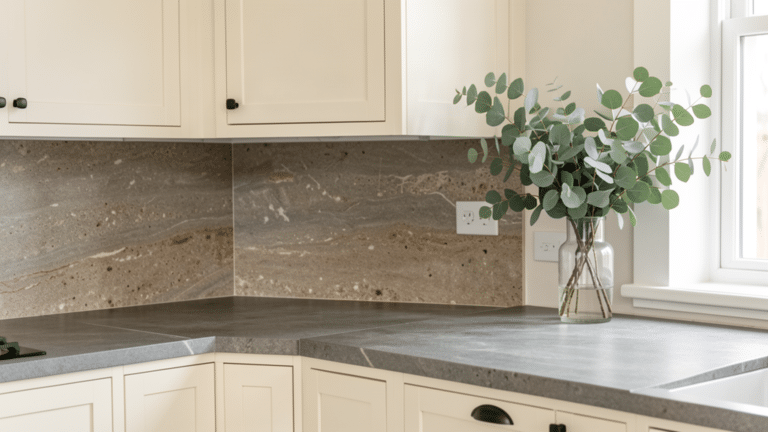


Minimalism gets a bad rap. Say it out loud and most people picture a cold white box with one sad chair. But strip it down to natural materials and something clicks. I remember walking into a friend’s place with a warm-white lime plaster wall, a beaten-up wood table, and exactly one stem in a vase. Nothing yelled for attention, and somehow it felt more designed than any showroom I’ve been in. That’s the trick: let the materials do the talking. Here are 29 ways to pull off a natural minimalist home that actually feels like a home.
1. Streamlined Spaces Gain Warmth
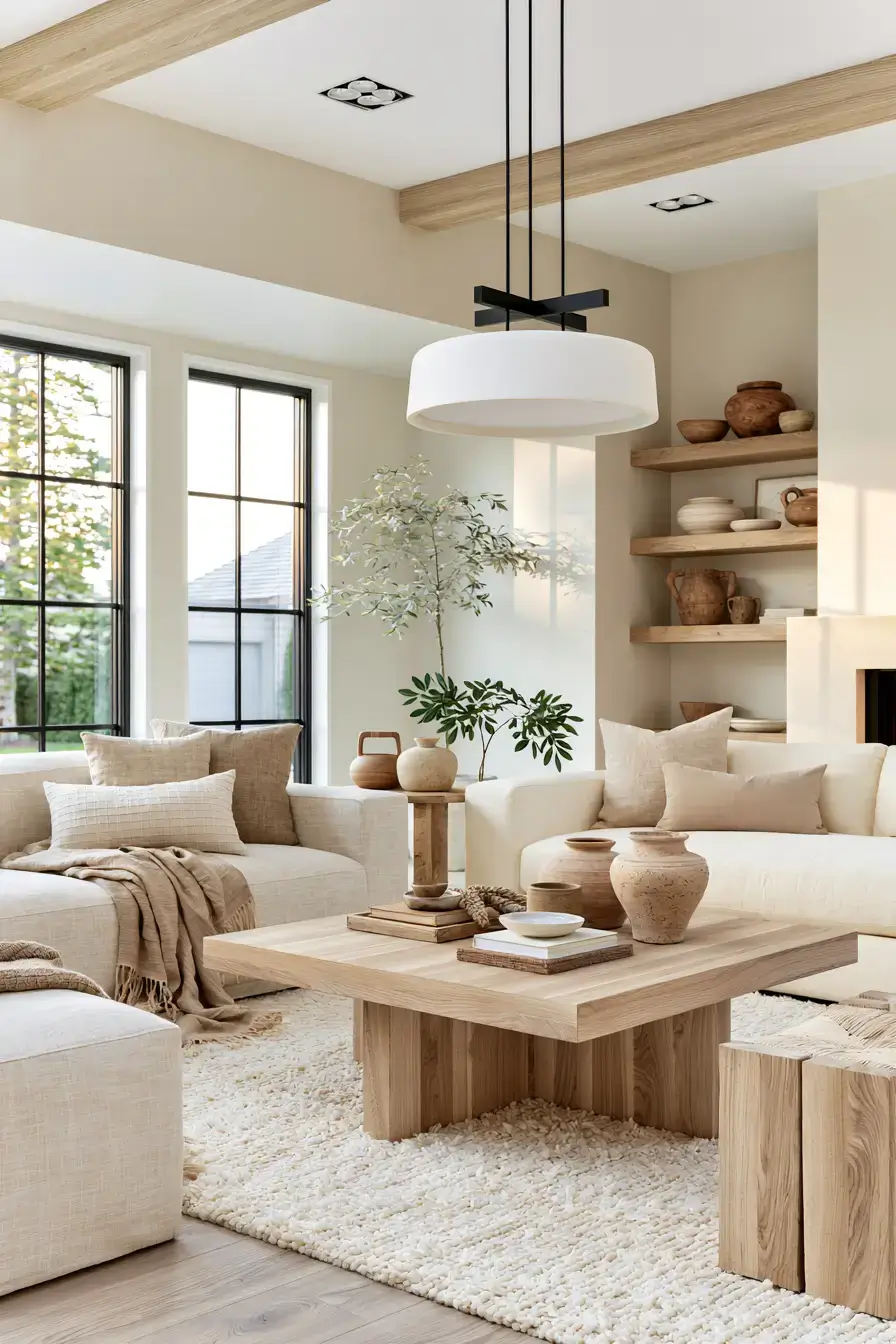
Clean architecture feels warmer than you’d expect when you pair streamlined furniture with organic textures. Light wood and soft fabrics give you a welcoming base without losing that crisp, uncluttered look. Artisan details and a little greenery add character without turning your shelves into a crowded display.
Sunlight is the secret sauce. It shows off natural materials and makes open rooms feel alive. Rethink minimalism with more warmth and build an adaptable home that feels calm, personal, and genuinely inviting.
2. Grounded Palettes Invite Tranquility
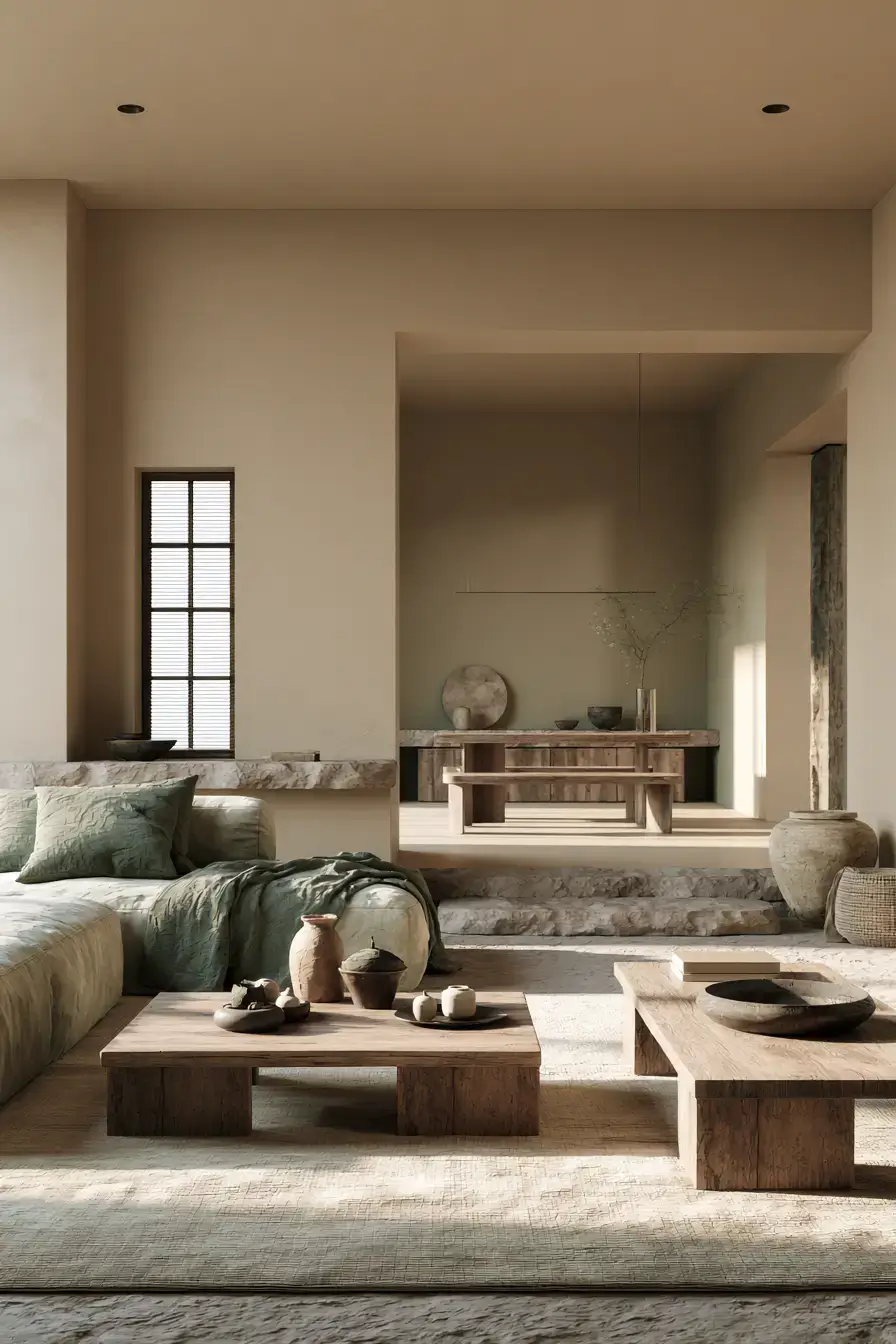
Bring the outside in. A grounded palette — warm sand, dusty green — instantly calms a room and plays nicely with stone and woven fibers. It’s cohesive without being boring.
Keep the tones understated and everything clicks into place. Want more direction? We’ve got plenty of home-decor ideas to keep the inspiration flowing.
3. Tonal Layers Feel Luxurious
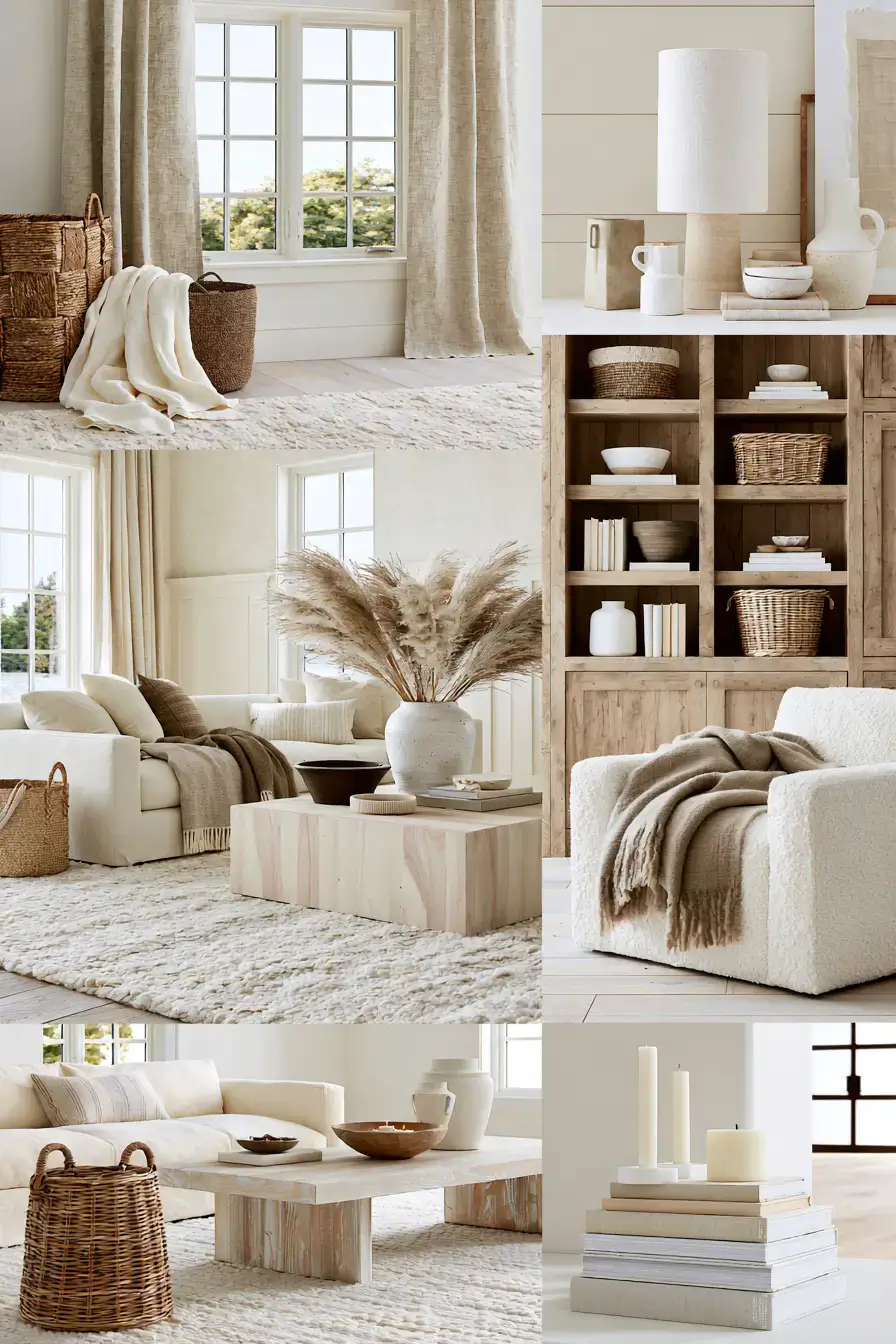
Layering tones of the same color is the cheapest luxury trick going. A warm-white wall, a slightly deeper sofa, a taupe rug — the depth does the work, not the decor.
It reads expensive and relaxed at once. The eye just melts into it. Try it before you buy a single new object.
4. Purposeful Japandi Balances Beauty
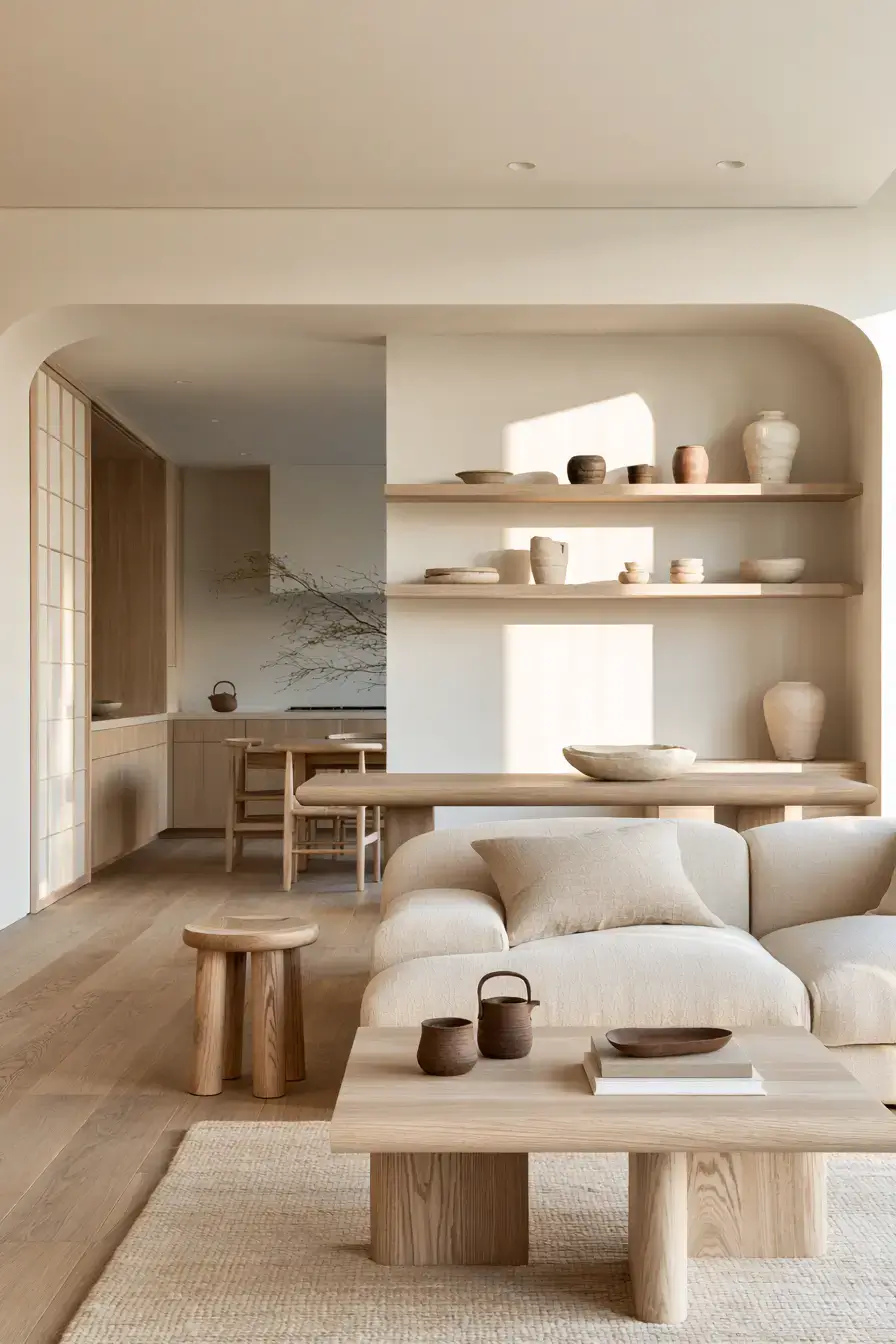
Japandi is what happens when Japanese restraint meets Scandinavian coziness, and the result is ridiculously good-looking. Every object earns its spot, but nothing feels sterile.
See it done right in our home — same calm, same restraint, different room. That balance is the whole point.
5. Nordic Ease Supports Living
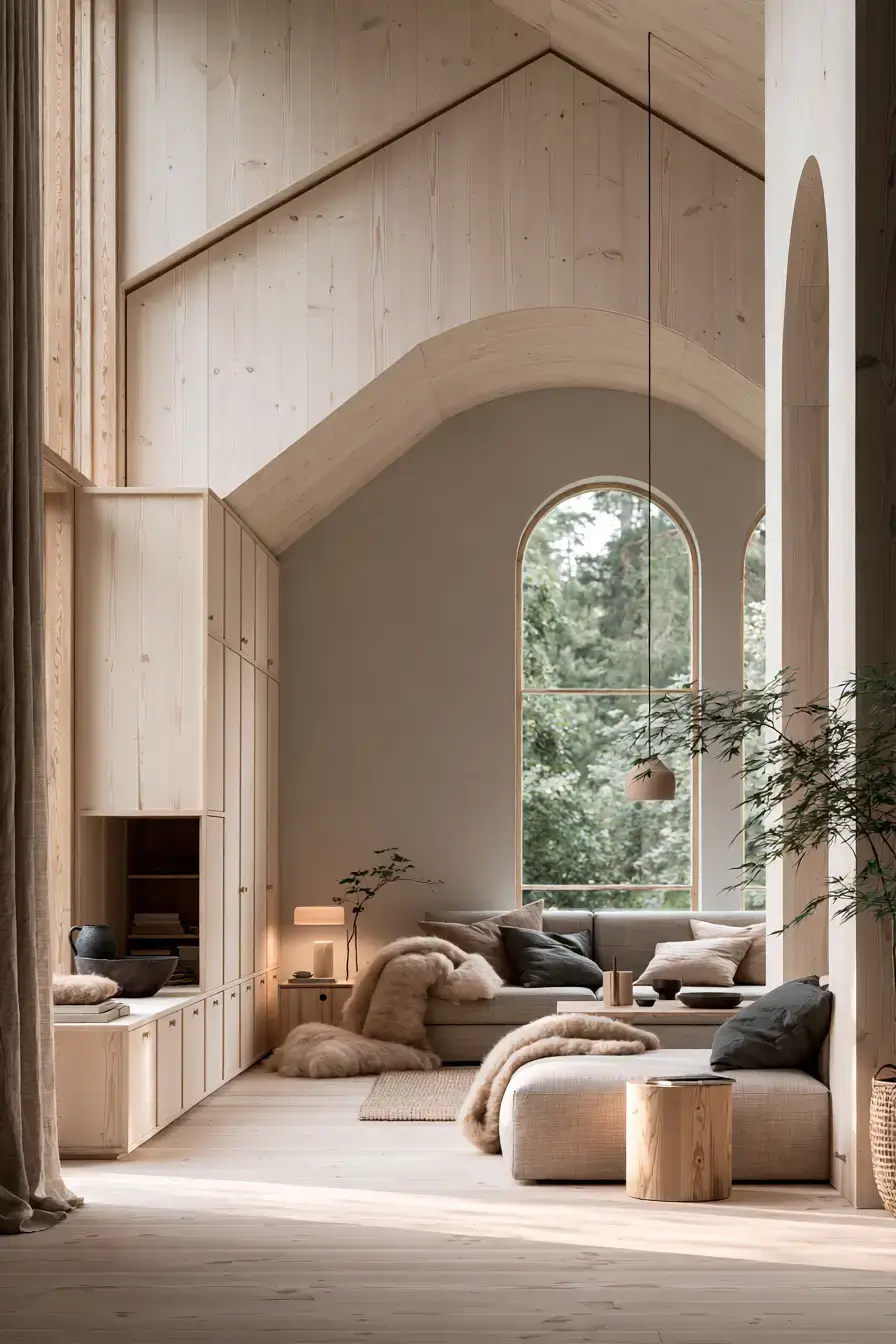
Nordic ease is about rooms you can actually live in. Soft textiles, pale wood, and nothing precious enough to stress about.
It supports daily life instead of policing it. IMO that’s the only kind of minimalism worth having.
6. Edited Rooms Breathe Freely
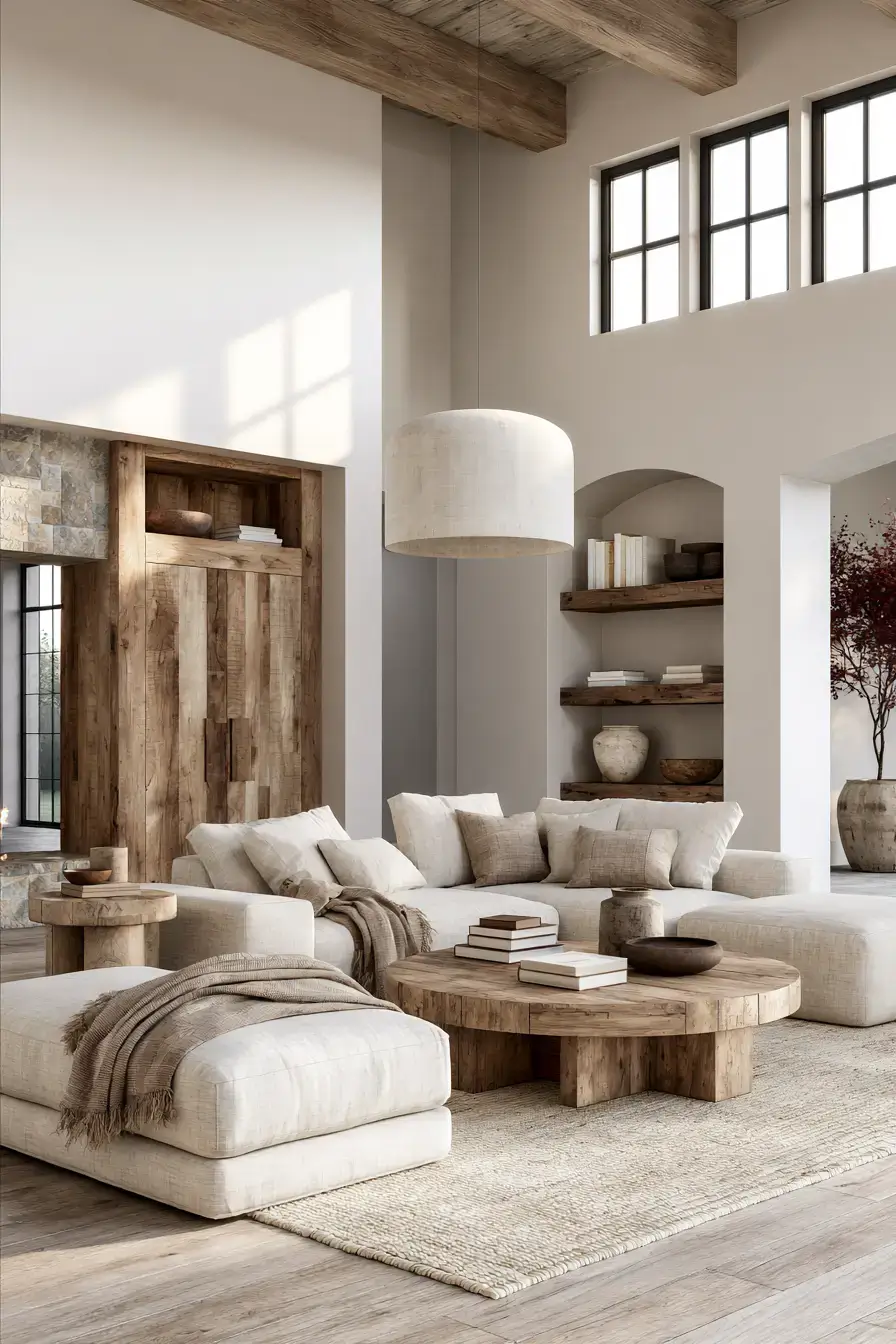
Editing is the whole game. Take one thing away and the room exhales. I’m not saying go full monk, but a clear surface beats a styled one nine times out of ten.
Rooms that breathe feel bigger and calmer. You’ll be shocked how much you don’t miss the stuff.
7. Refined Materials Suggest Opulence
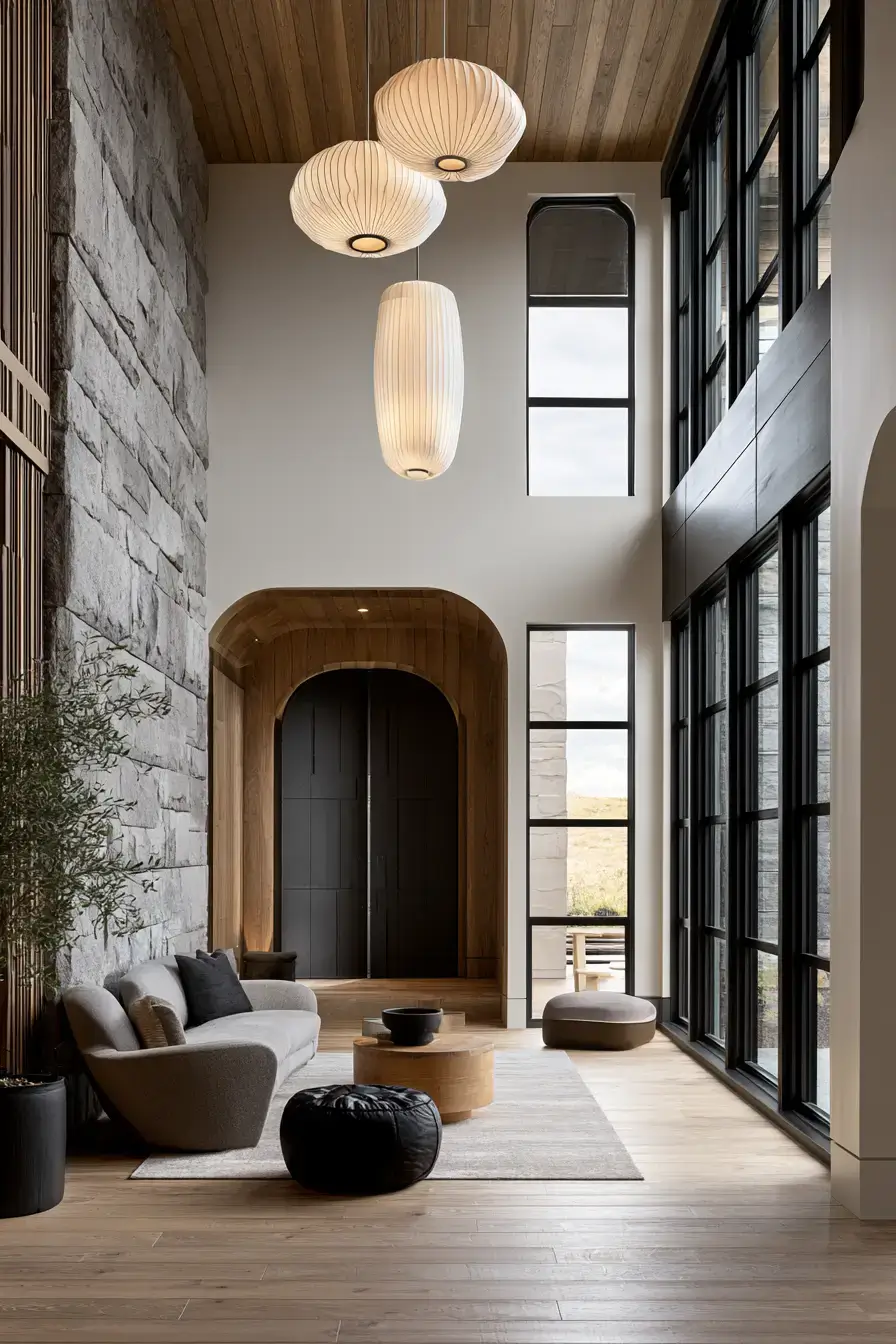
You don’t need gold leaf to feel opulent — you need good materials. Linen, raw wood, unlacquered brass quietly say ‘I have taste’ without shouting.
Refinement lives in the grain, not the logo. Touch matters more than shine here.
8. Expressive Grain Adds Soul
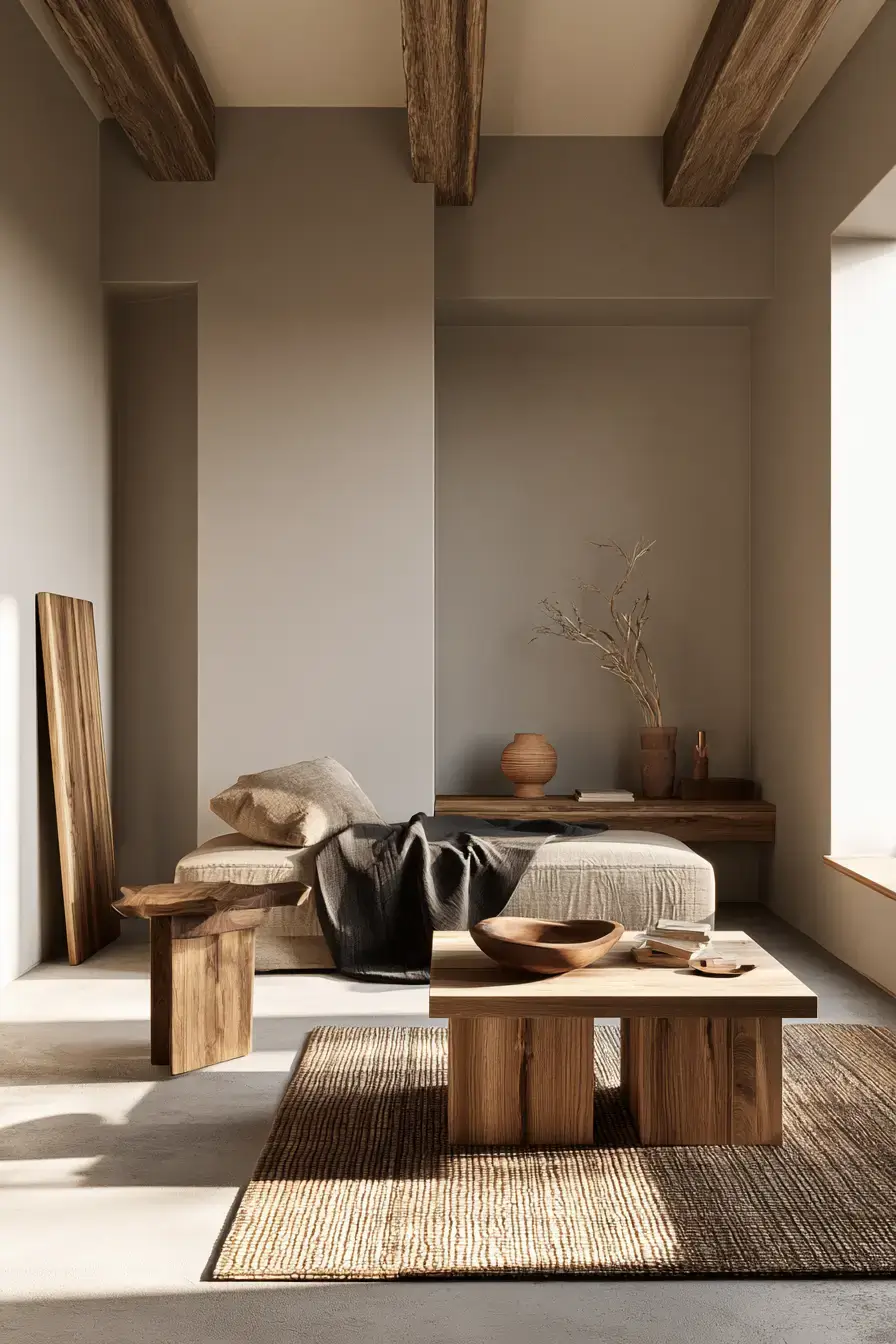
Wood grain is basically free art. A table with real character beats a flawless one every time — the knots and streaks tell a story.
Let the grain show. It adds soul that paint and polish can’t fake.
9. Breathable Fabrics Relax Rooms
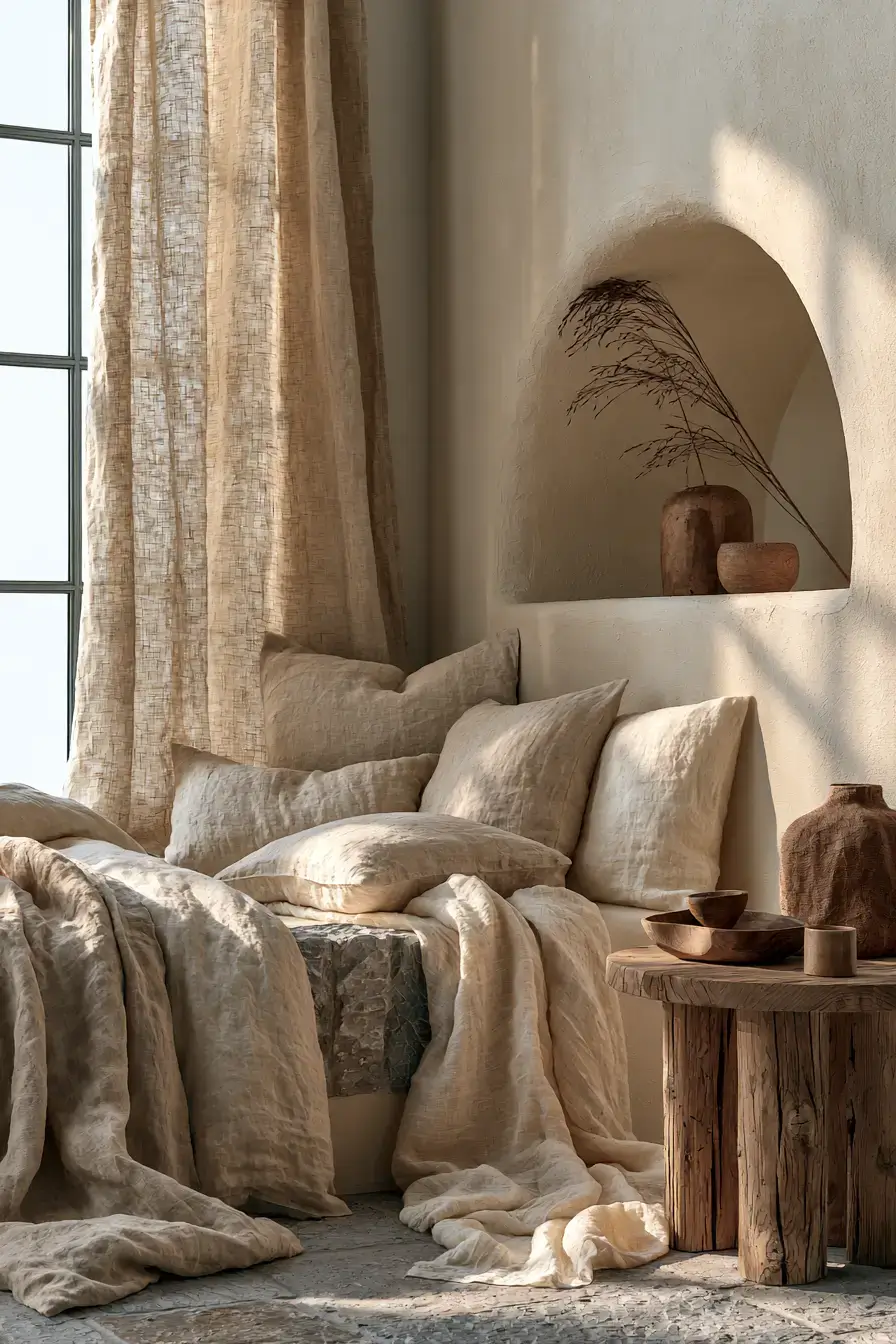
Swap synthetics for breathable fabrics and the whole room loosens up. Linen, cotton, wool — they move and soften light instead of bouncing it back.
Your space feels relaxed, not staged. Bonus: they age better than you’d think.
10. Sunshine Becomes Living Decor
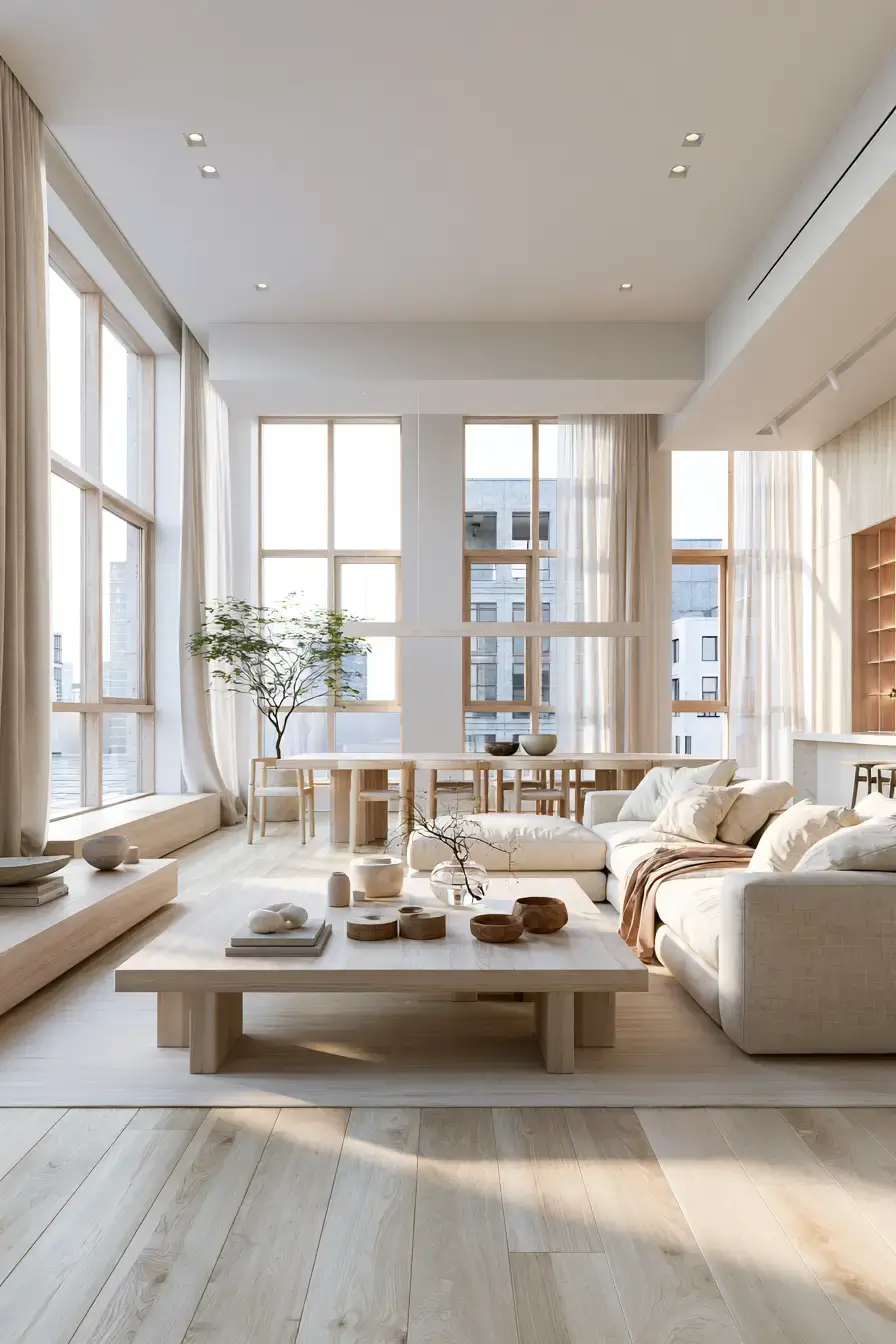
Sunlight is the best decor you’re not paying for. Park a seat or a plant where the light lands and you’ve got living art that changes all day.
Don’t block it with heavy drapes. Let it pour in and do the decorating for you.
11. Sculptural Plants Soften Architecture
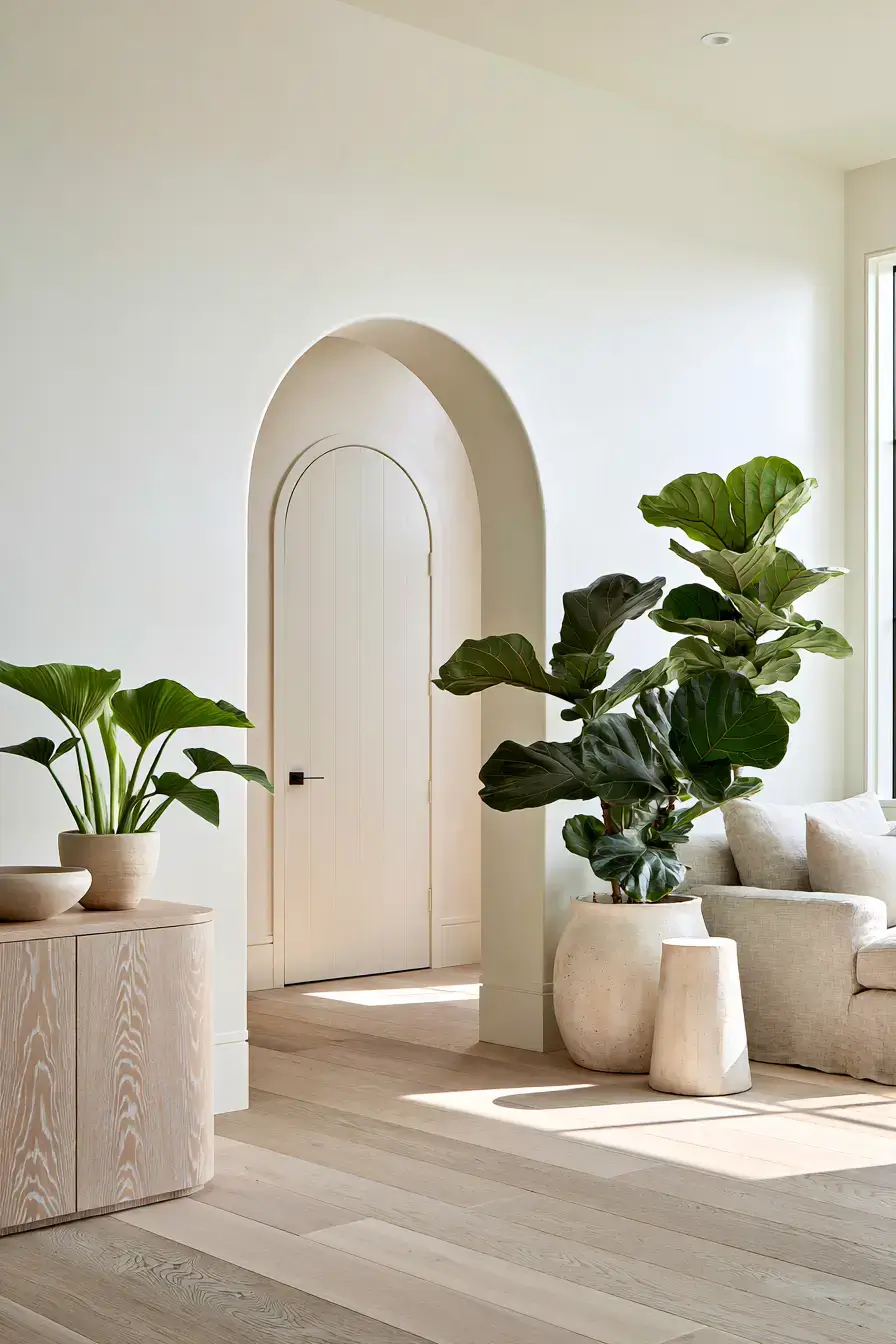
A sculptural plant softens hard architecture like nothing else. One big monstera or olive tree does more than a wall of knickknacks.
Pick a shape that contrasts your lines — round leaves against square rooms. Greenery with attitude, not a jungle.
12. Nuanced Neutrals Adapt Beautifully
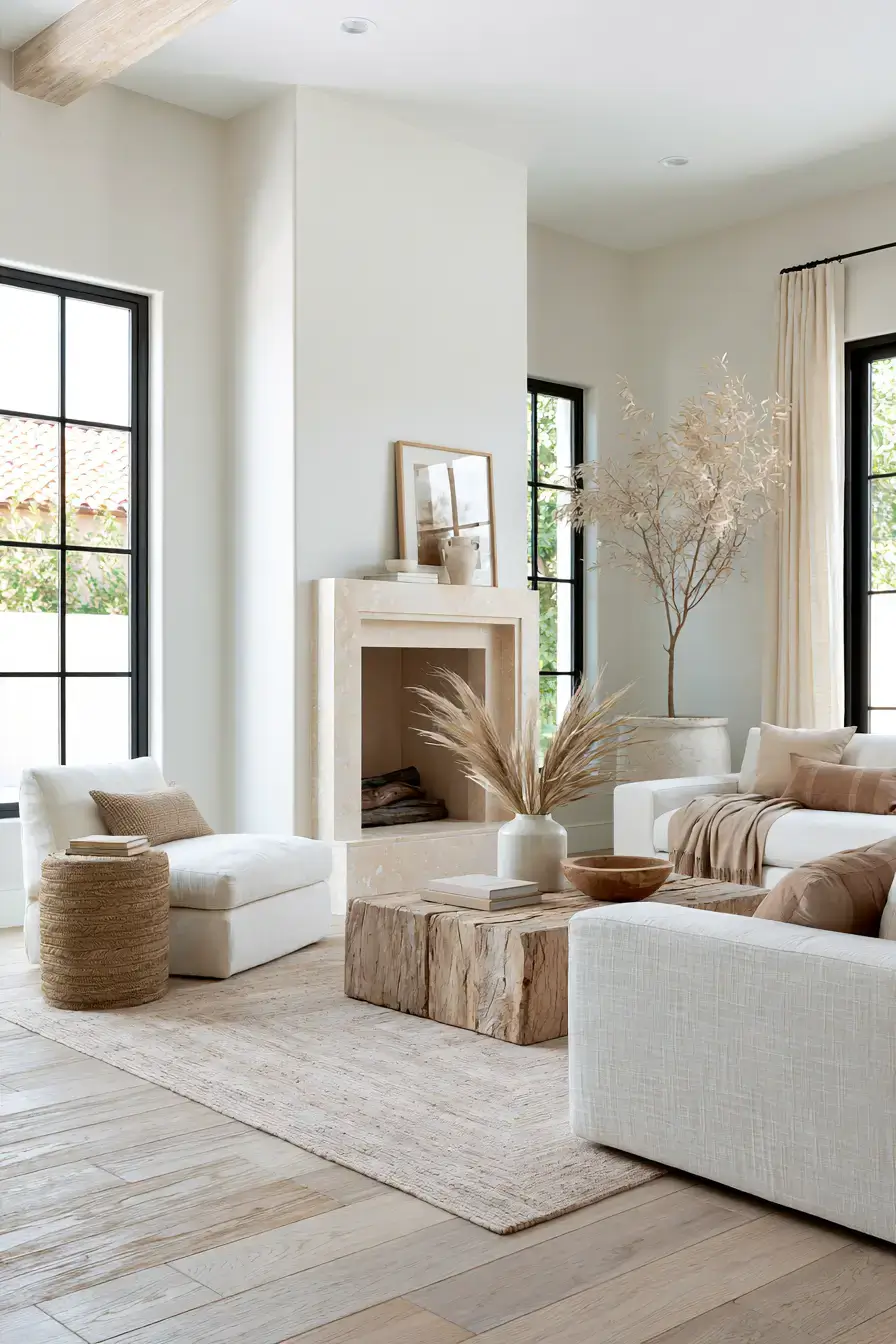
Neutrals aren’t boring if they’re nuanced. Warm grey, oat, clay — they shift with the light and adapt to whatever you add later.
It’s the flexible backbone of a natural minimalist home. Change your mind in a year? The neutrals still work.
13. Wool Layers Encourage Connection
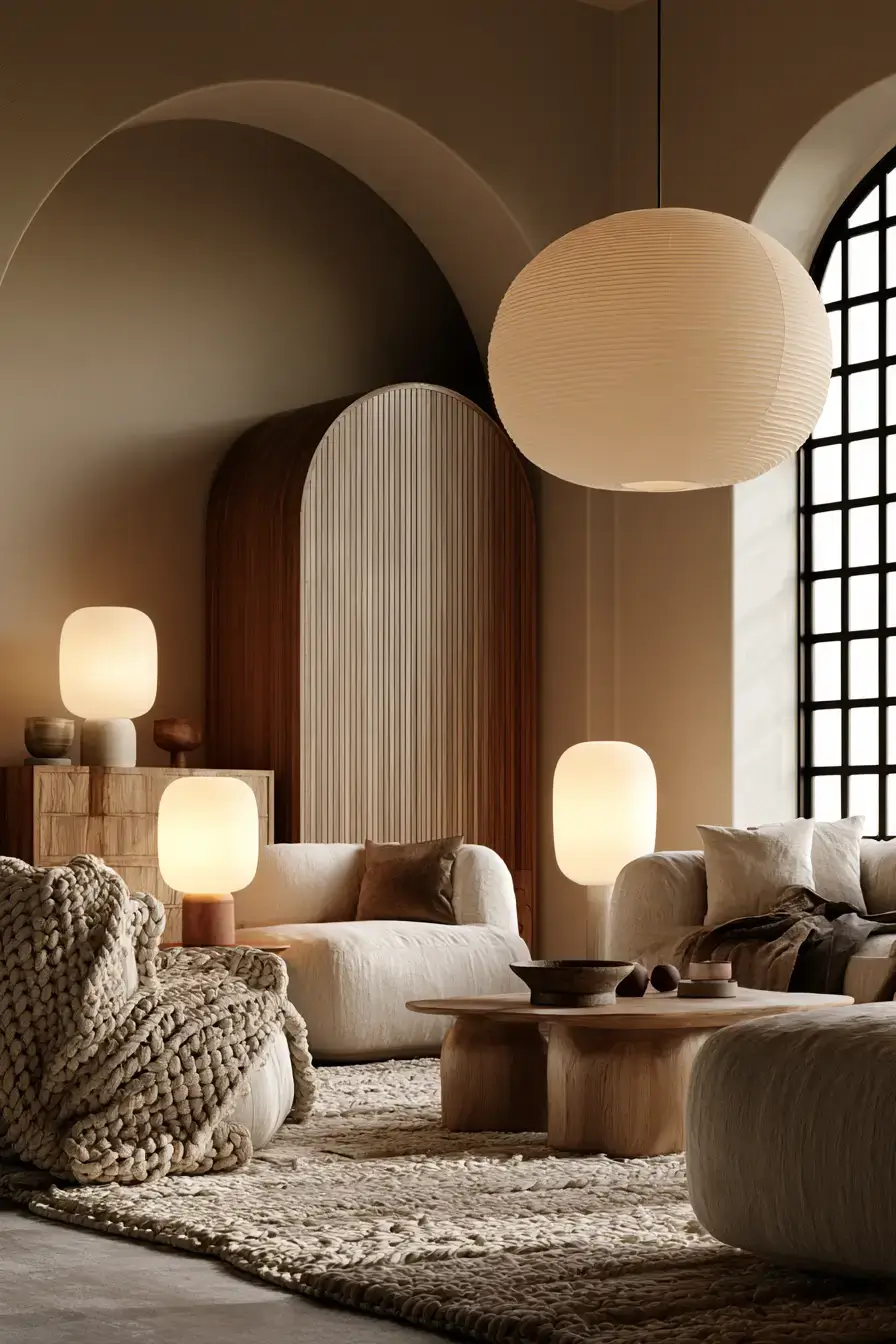
Wool throws and rugs invite people to sit and stay. There’s a reason cabins feel cozy — texture you can sink into.
Layer a chunky knit over a clean chair and watch the room get friendlier. It encourages connection without saying a word.
14. Crafted Surfaces Replace Ornament
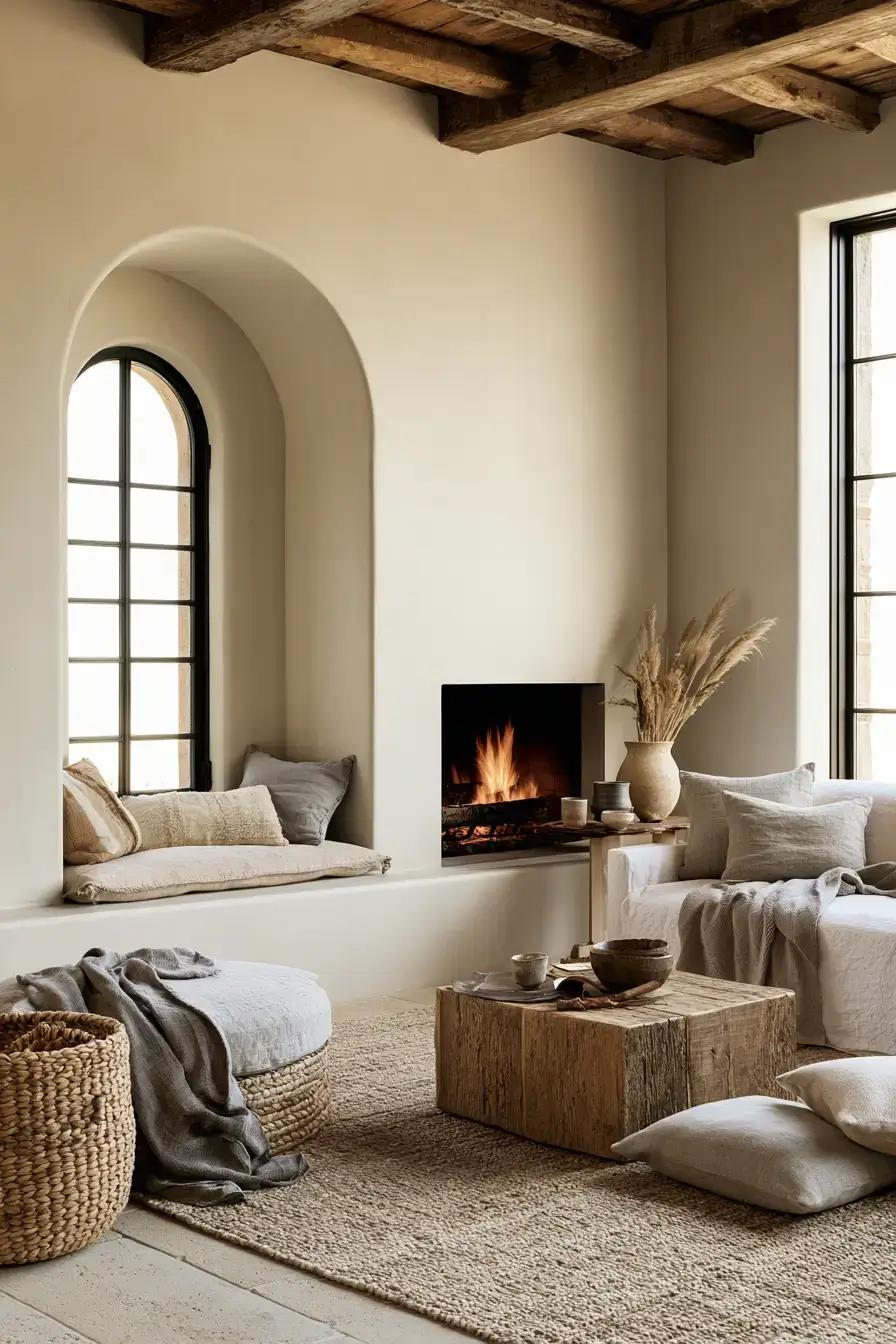
Skip the tchotchkes; let the surfaces be the ornament. A hand-troweled lime wall or a raw wood top is decoration enough.
Crafted finishes carry the interest so you don’t need clutter. Less stuff, more soul.
15. Salvaged Warmth Gains Polish
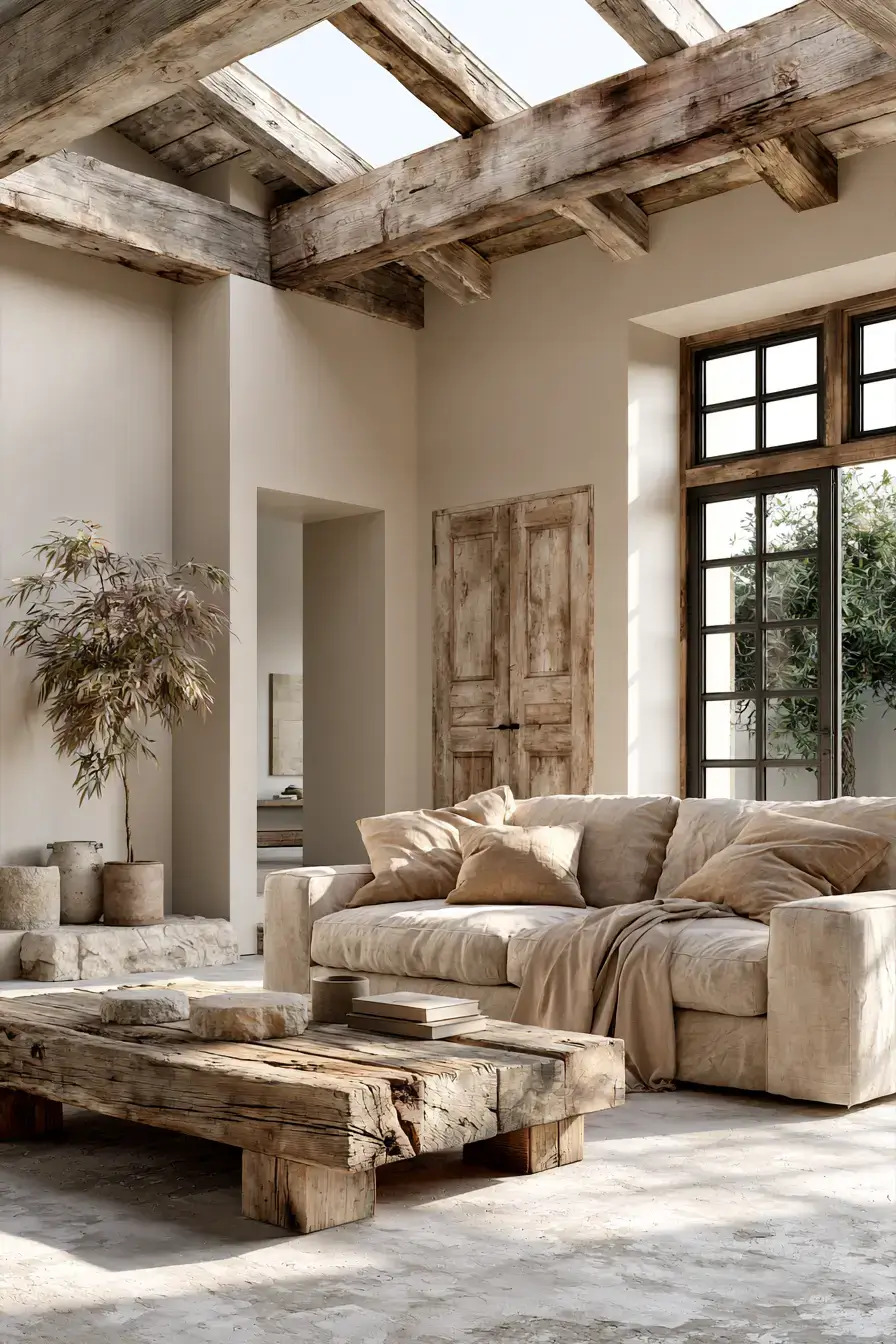
Salvaged pieces bring a warmth that new stuff can’t. An old beam or a reclaimed table already has a life behind it.
Give it a polish and it reads intentional, not thrifty. Best of both worlds, honestly.
Save this article
Enter your email and we’ll send it straight to your inbox.
16. Forest Tranquility Crosses Thresholds
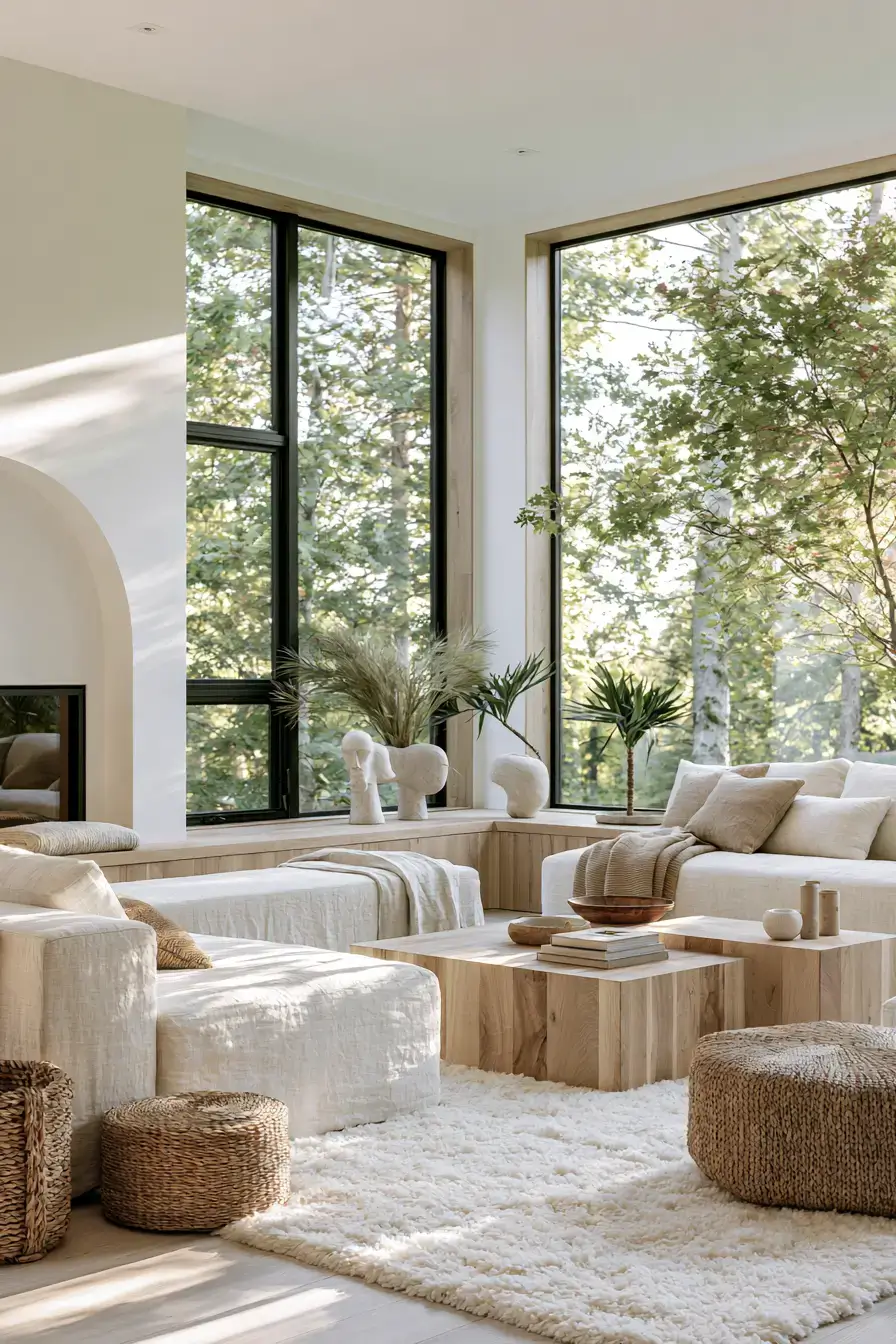
Take the calm of a forest and bring it indoors. Muted greens, wood, and soft shadow make a threshold feel like a deep breath.
It quiets the mind the second you walk in. Nature doesn’t overdesign, and neither should we.
17. Burnt Clay Grounds Neutrals
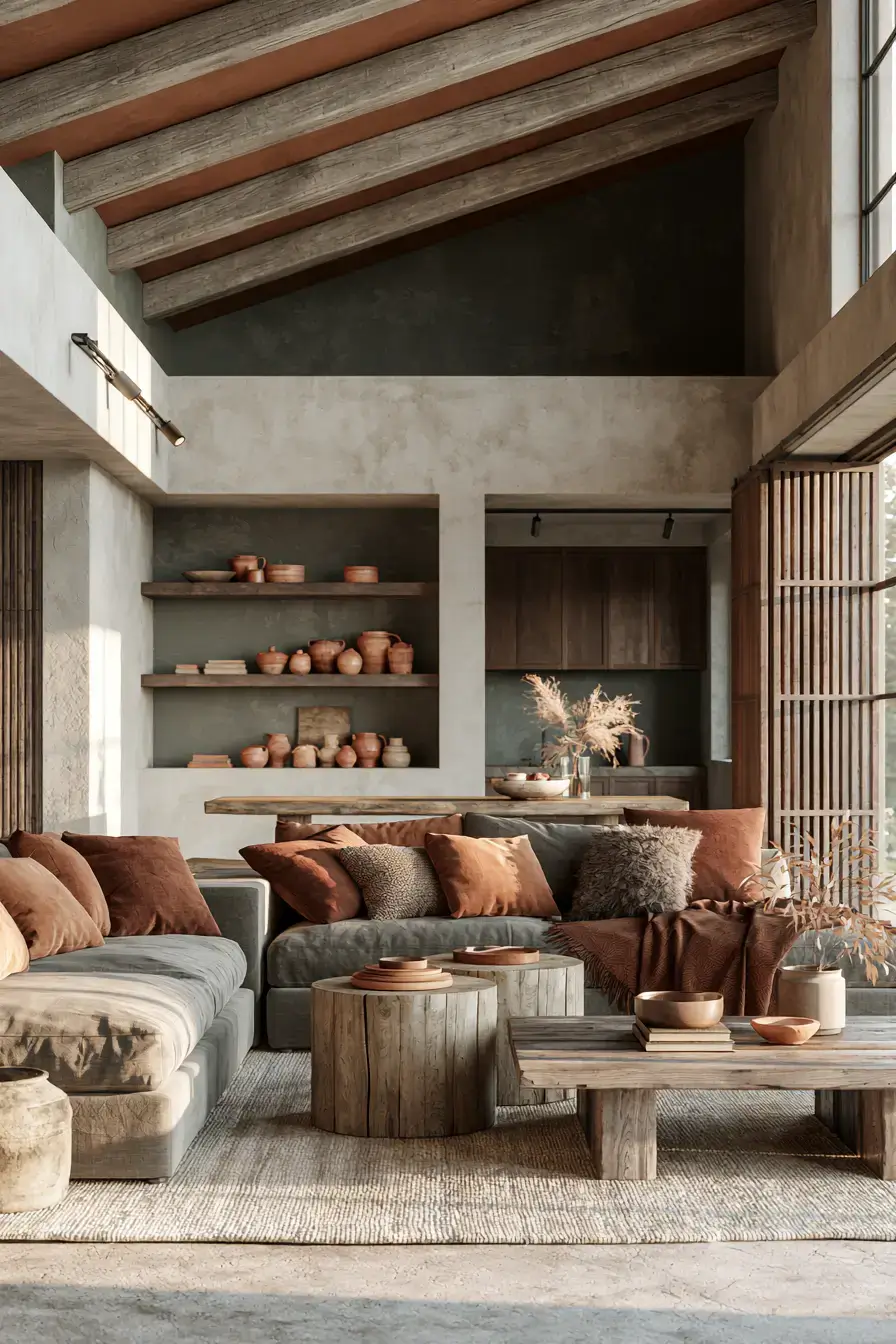
Burnt clay and terracotta ground all those airy neutrals so the room doesn’t float away. A clay pot or a warm-toned vase adds weight where it counts.
It’s earthy without being rustic-cute. One piece is usually enough to do the job.
18. Organic Decorating Stays Simple
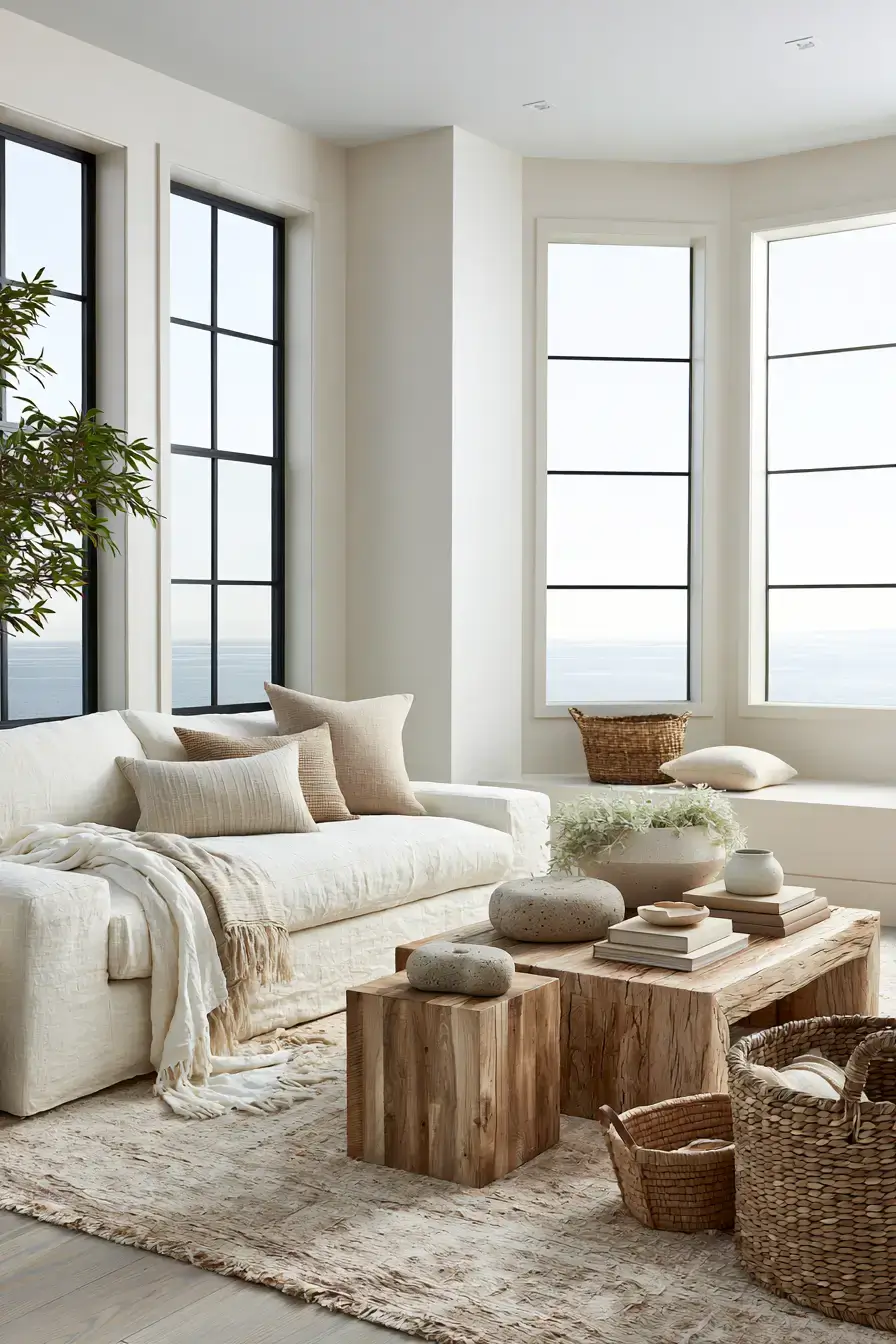
Organic decorating is just… not trying so hard. A bowl of stones, a branch in a jar, done.
Simple choices read as confident, not empty. The less you fuss, the more it looks planned.
19. Intentional Furnishings Reward Restraint
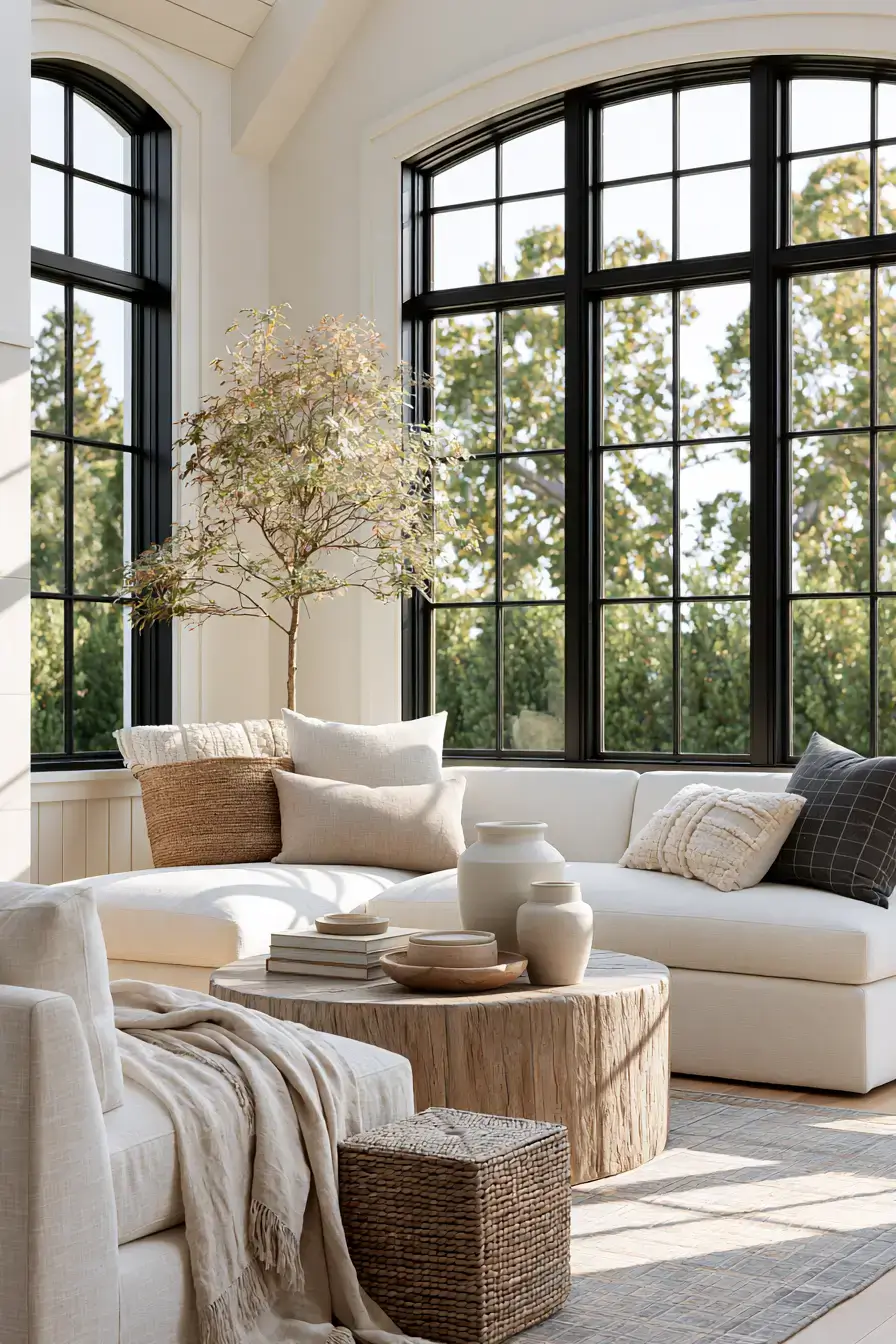
Buy less, choose better. One intentional chair beats three impulse buys that fight each other.
Restraint pays off in a room that feels calm instead of chaotic. Your future self will thank you.
20. Understated Shades Soothe Senses
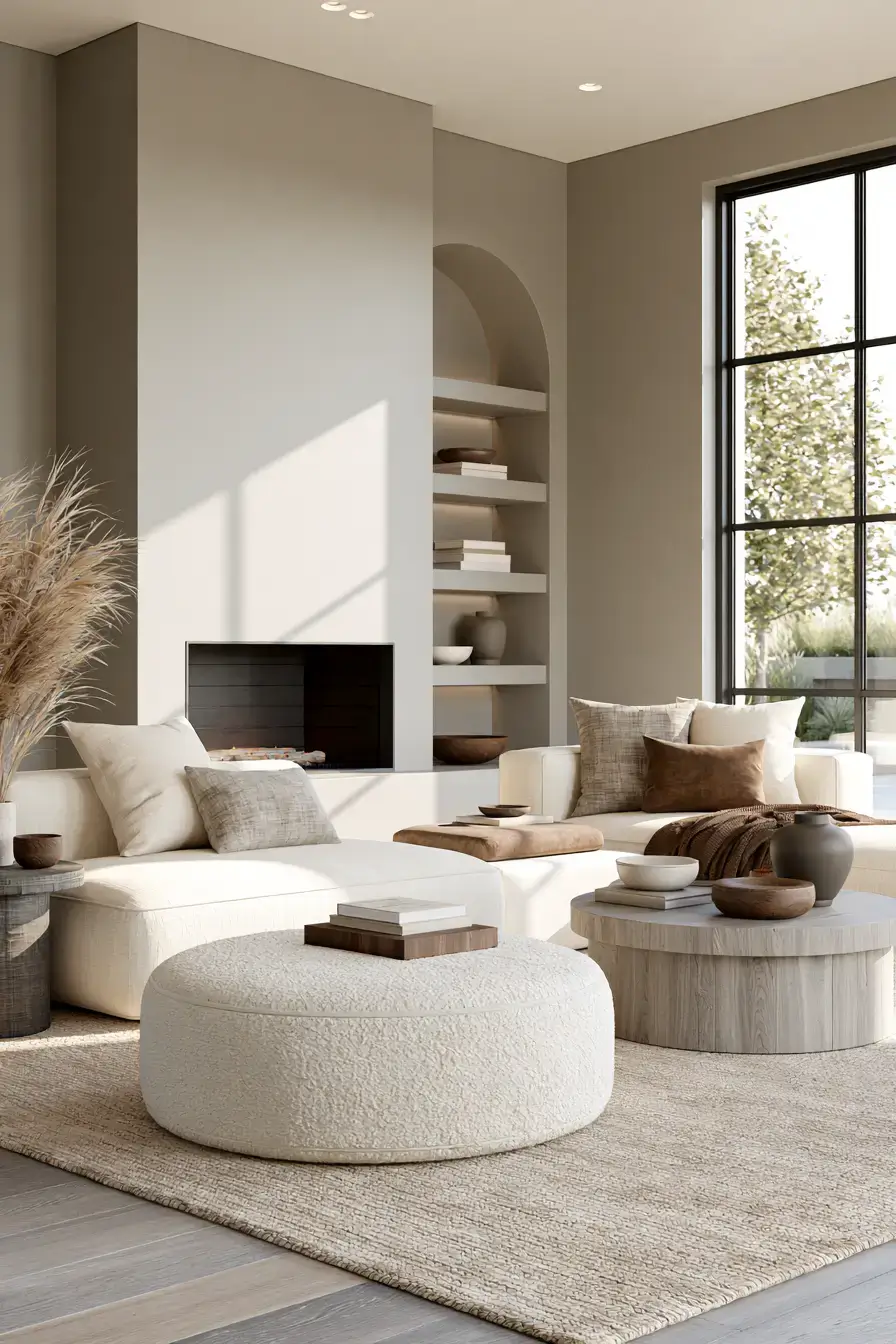
Understated shades soothe the senses in a way bold color rarely does. Soft clay, greige, warm white — they lower your shoulders.
It’s the visual equivalent of a deep exhale. Save the drama for your playlist.
21. Woodland Character Turns Refined
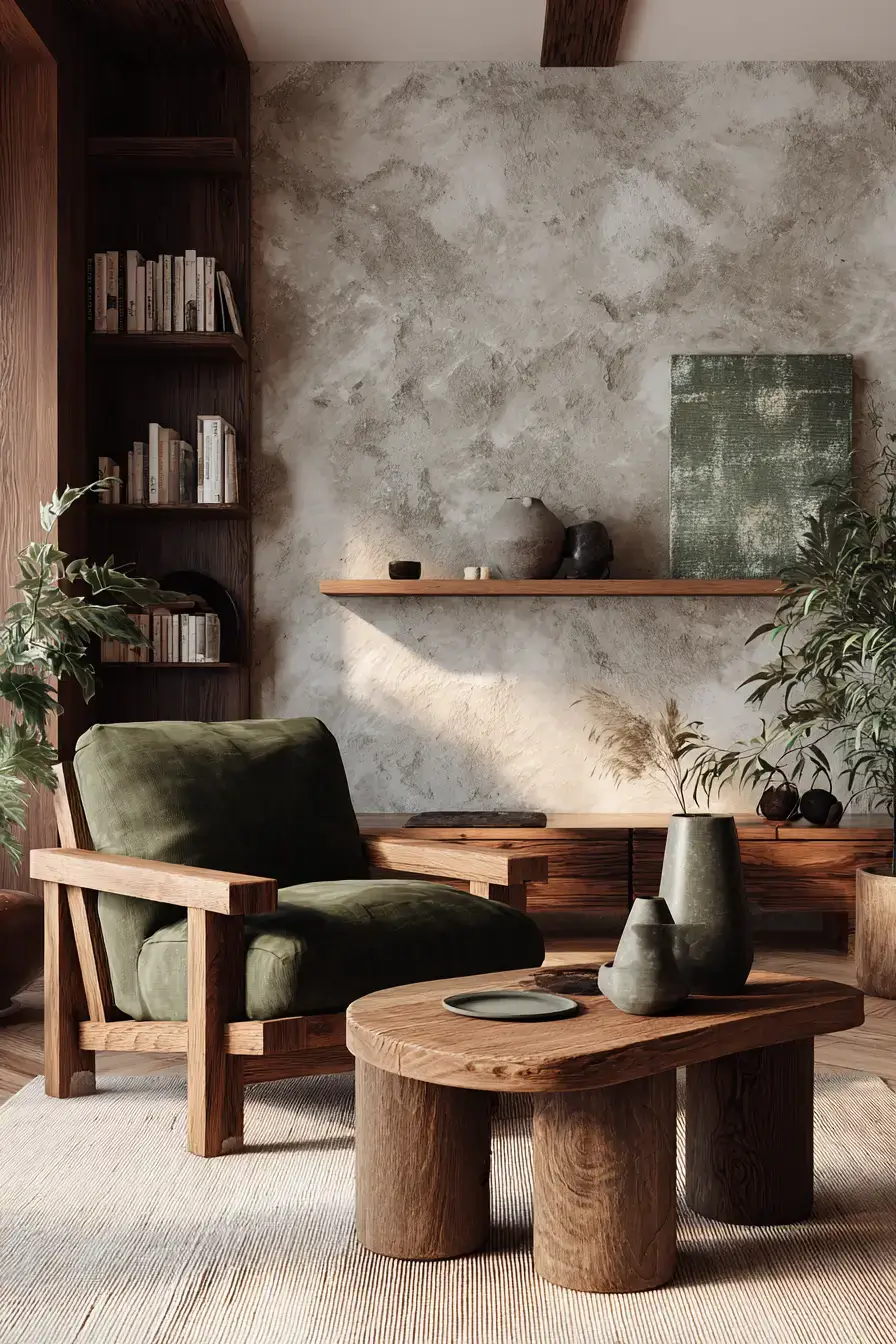
Woodland character doesn’t have to mean log-cabin kitsch. Bring in a few natural, foraged-feeling elements and keep the lines clean.
It turns rustic into refined. Surround yourself with woodland-inspired calm and explore more home ideas.
22. Earthen Pigments Complement Oak
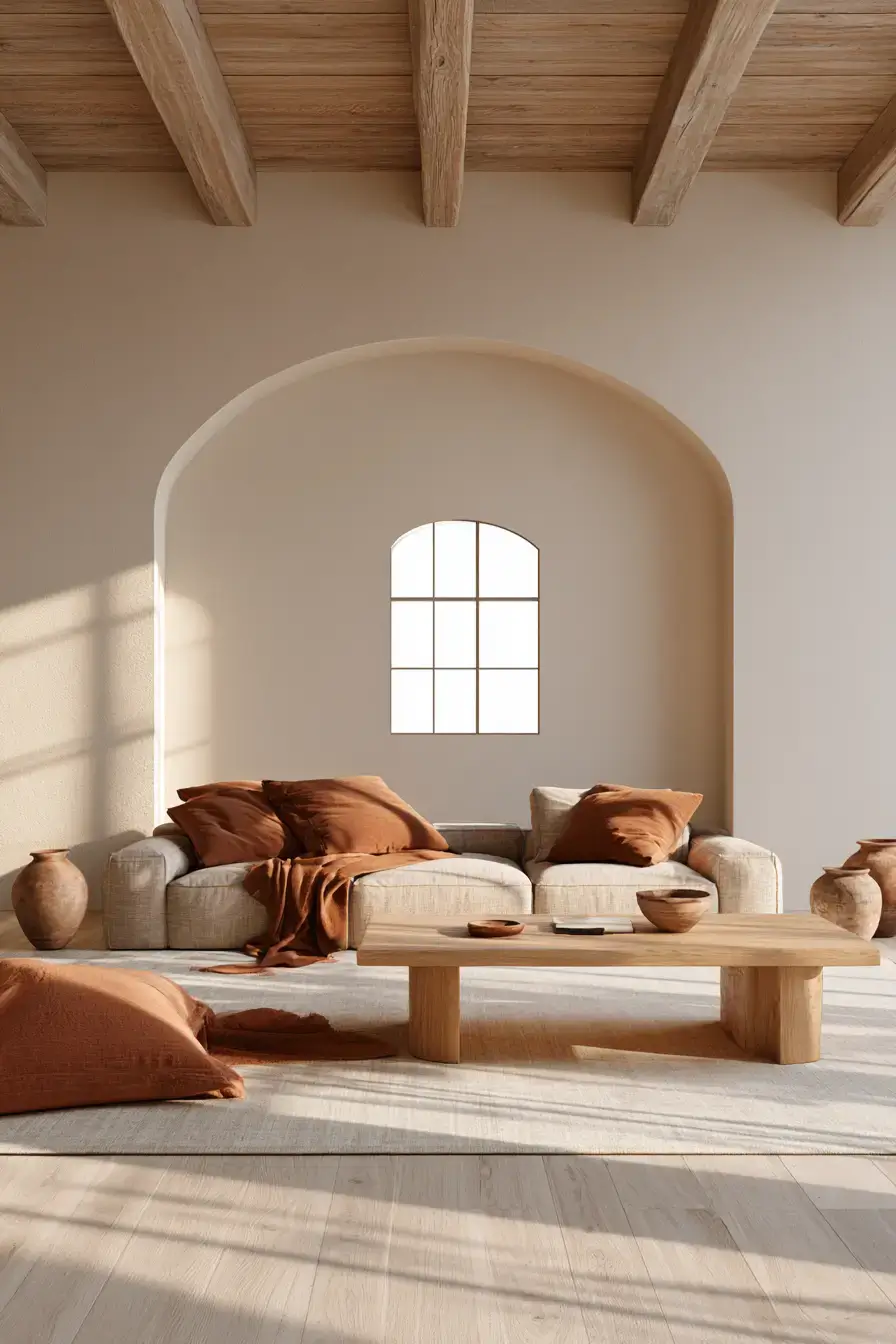
Earthen pigments — ochre, clay, muted rust — love oak. The two were made for each other and never look dated.
Use them in small doses: a cushion, a frame, a vase. They warm the wood without overwhelming it.
23. Mineral Textures Meet Linen
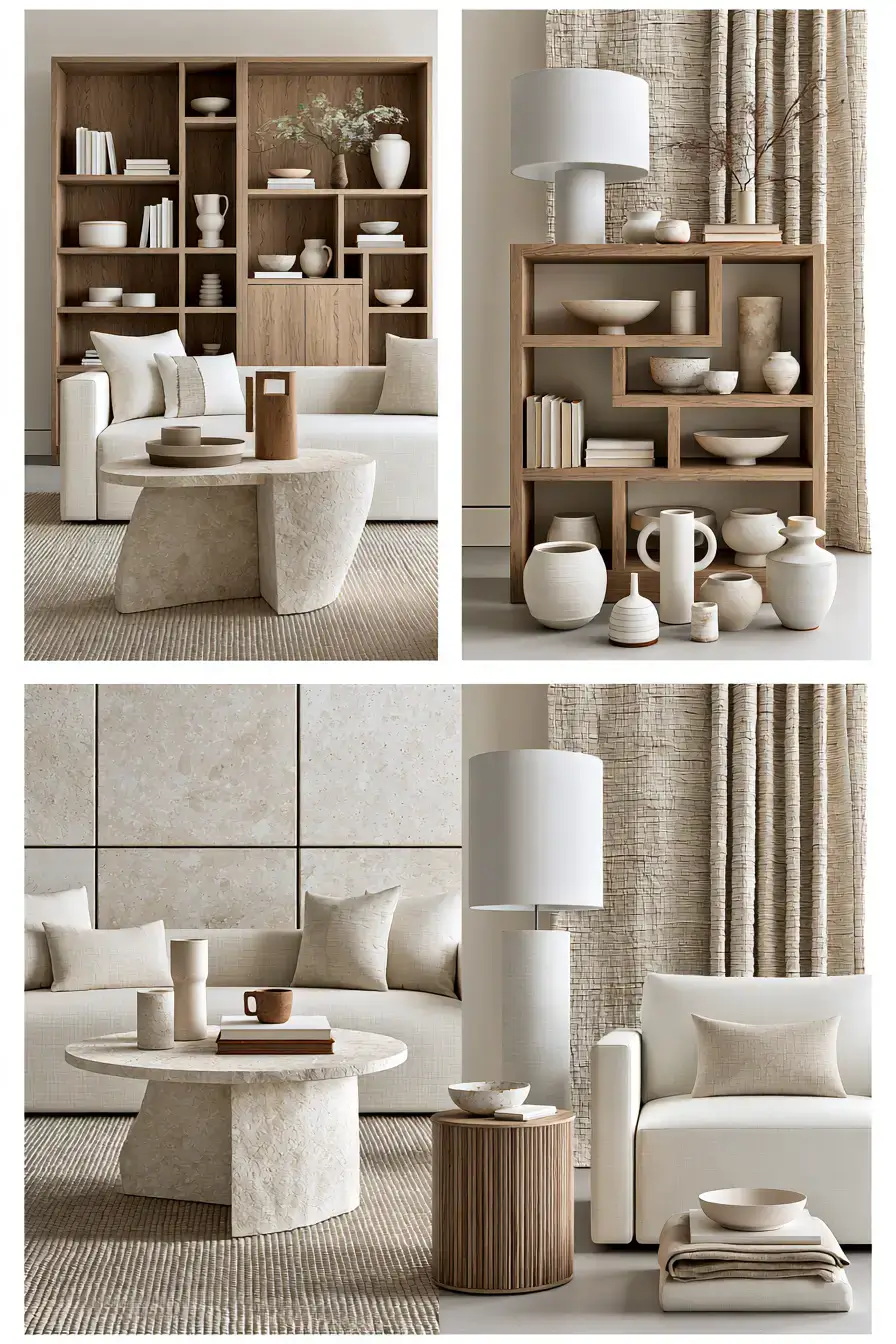
Pair mineral textures (think rough plaster or stone) with soft linen and you get tension that feels intentional. Hard meets soft — always a good combo.
It’s the easiest way to make a plain room feel considered. Touch both surfaces and you’ll see why.
24. Open Space Gains Purpose
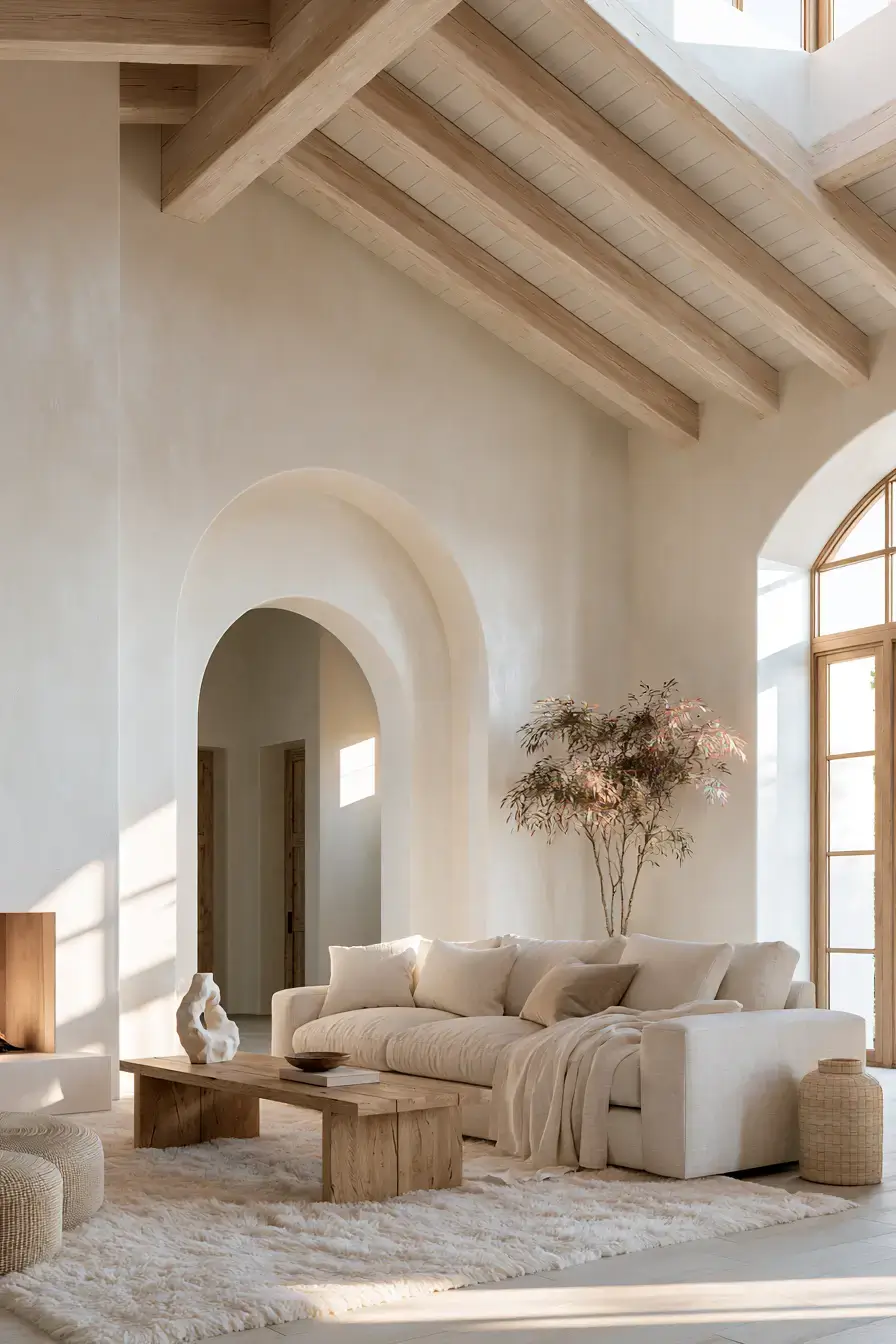
Open space isn’t wasted space if it has a purpose. A clear corner for reading, a bare wall that frames the light — give the emptiness a job.
Then it feels generous instead of empty. Negative space is a feature, not a fail.
25. Muted Hues Ground Living
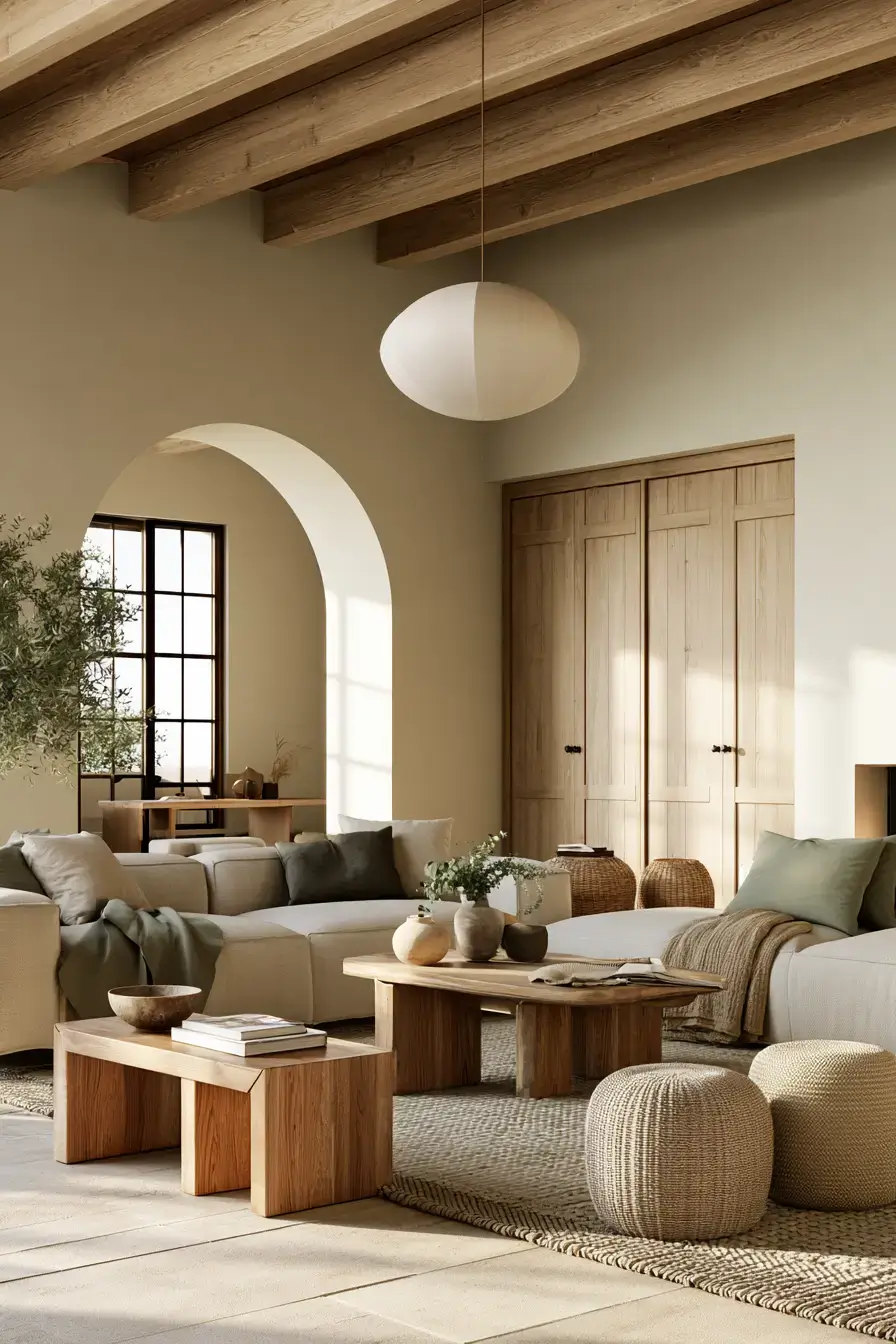
Muted hues keep living spaces grounded so they don’t buzz with energy you don’t need at 9pm.
Dusty blue, sage, warm taupe — they hold a room steady. Calm is a color choice.
26. Sleek Design Welcomes Organics
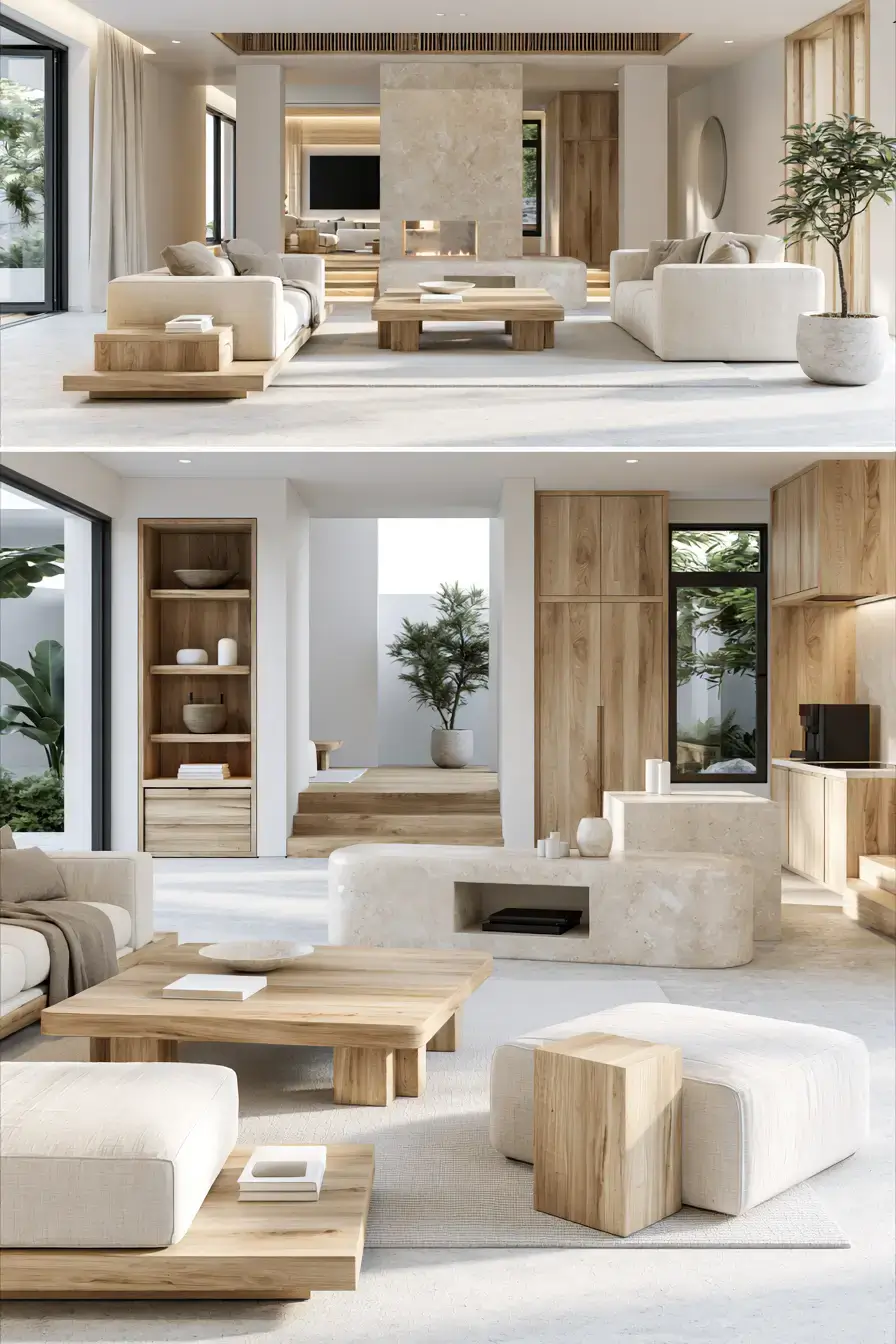
Sleek design and organic stuff aren’t enemies. A crisp modern line next to a raw wood bowl is where the magic happens.
The contrast keeps both feeling fresh. Don’t choose a side — let them argue nicely.
27. Durable Choices Reward Patience
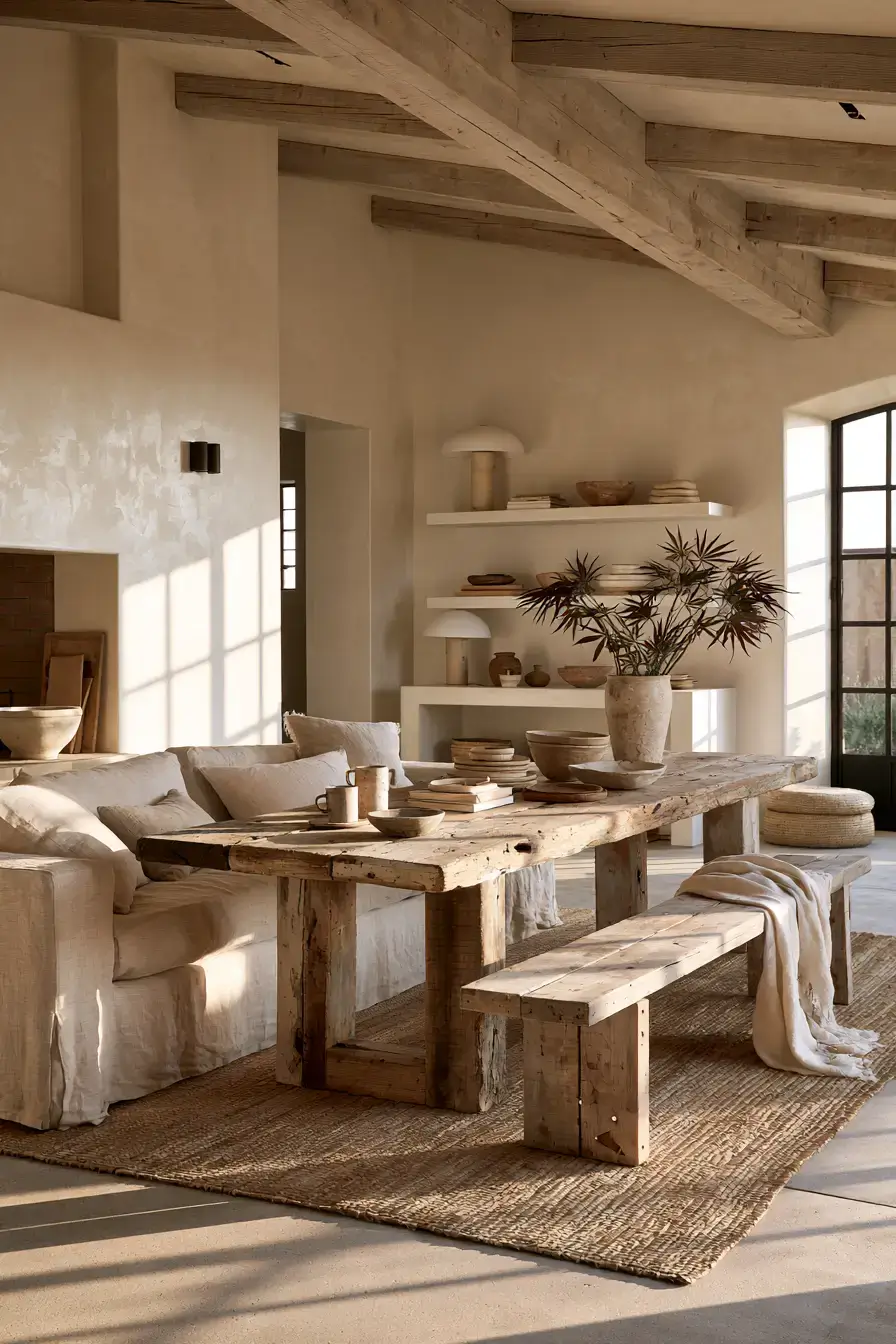
Choose durable materials and patience pays off. Solid wood, real stone, good wool — they get better, not worse, with use.
You buy once and stop worrying. FYI, this is the opposite of fast furniture, and your wallet agrees eventually.
28. Wabi Simplicity Honors Imperfection
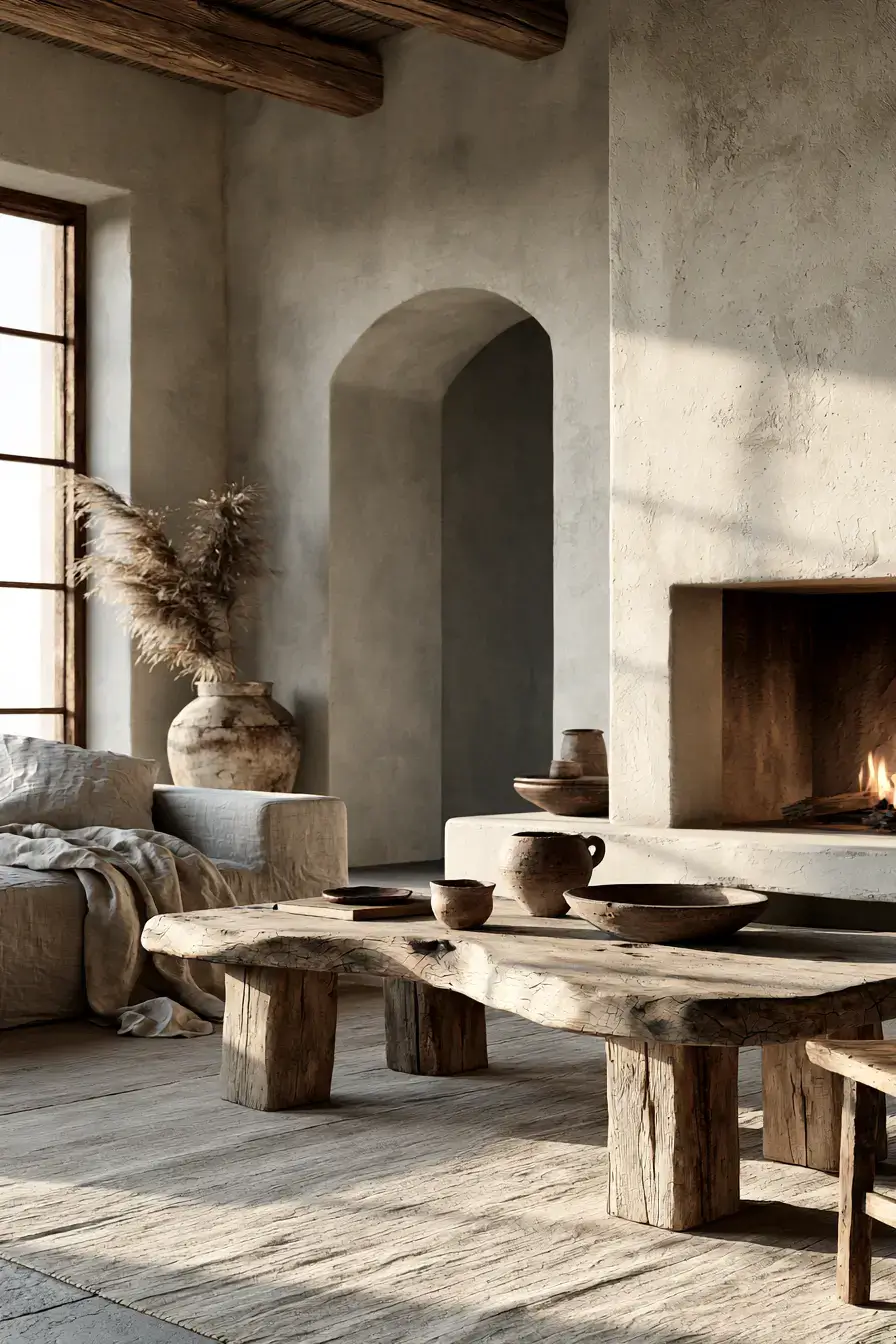
Wabi-sabi is the permission slip we all needed: imperfect is beautiful. A chipped bowl, a weathered beam — leave it.
Simplicity that honors age feels more honest than anything factory-fresh. Cracks included. 😉
29. Restorative Spaces Quiet Distractions
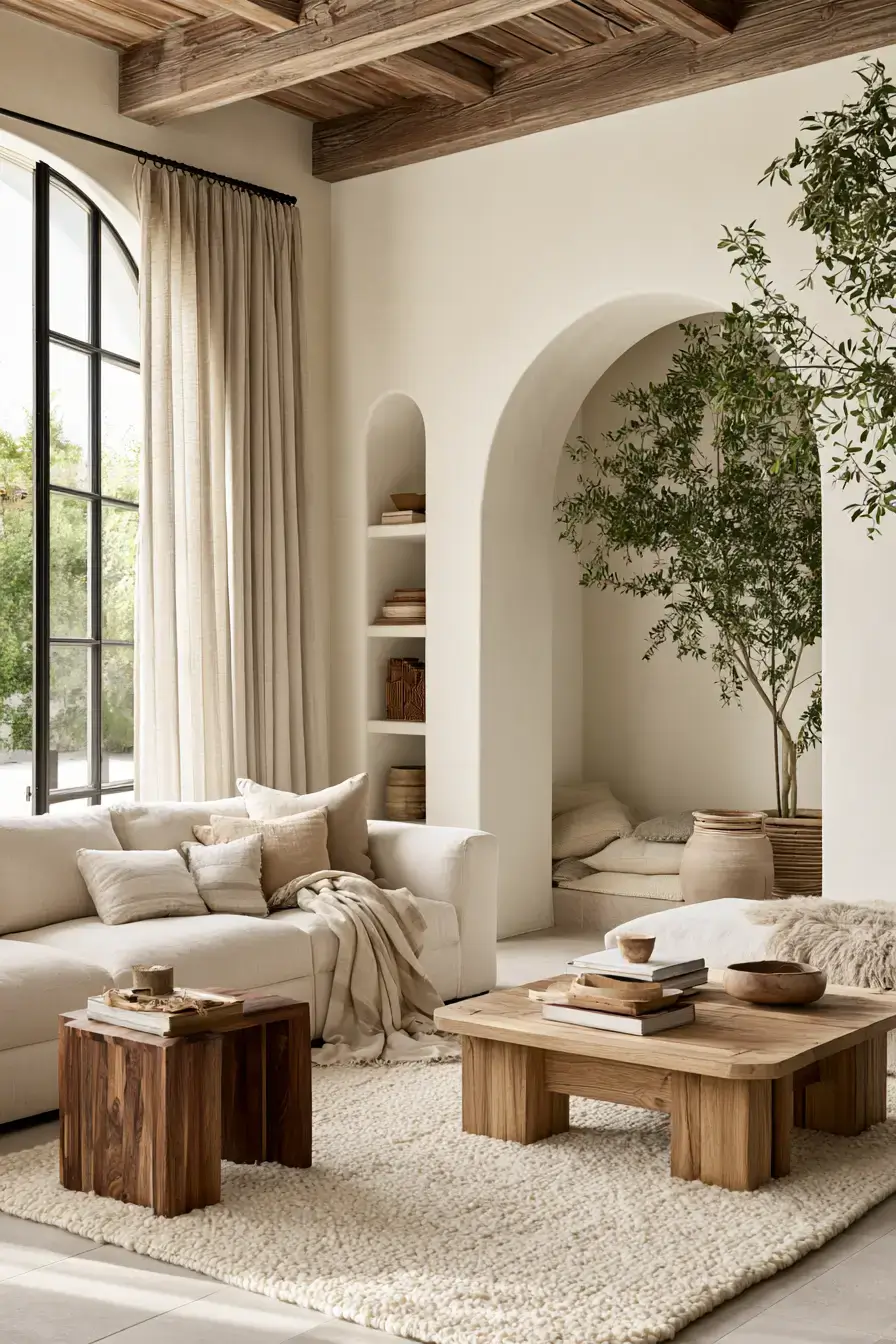
End on the real point: a restorative space quiets the noise. When nothing’s competing for your attention, your brain finally rests.
That’s the payoff of natural minimalism. Build the room, then enjoy the quiet.
Wrapping It Up
Twenty-nine ways to do a natural minimalist home with a lime plaster wall, and not one of them requires a shopping spree. Whether you start with the palette, the plants, or finally clearing that one crowded shelf, the goal’s the same: let the materials breathe.
The best version is the one you actually live in, not the one that photographs well. Give it a shot — pick one idea and try it this weekend. What do you think — which room’s getting the lime plaster first? 🙂
Save this article
We’ll email you the link so you can find it again later.