Confronting a muddled junk drawer can be a daunting task, but with the right strategy, transforming chaos into order is entirely achievable. I’ve been there, rummaging through a tangle of miscellaneous items, searching for a functioning pen or those elusive spare keys. It’s why I believe in the power of organizing junk drawers—it’s not just about neatness; it’s about reclaiming productivity and peace of mind. Whether it’s a kitchen catch-all or a home office necessity, tapping into effective junk drawer organizer ideas can significantly enhance your efficiency in daily tasks.
Through my experiences, I’ve devised methods ideal for organizing small spaces, refining spaces that are prone to clutter. From decluttering tips to drawer organizers, I will share my insights on achieving an efficient storage solution that works not only for your items but also for your lifestyle. Let’s embark on a journey towards a well-organized junk drawer, turning those dreaded searches into smooth, simple selections.
Key Takeaways
- Embrace the efficiency of junk drawer organizers for maintaining everyday convenience.
- Prioritize frequent use and necessity to determine the rightful residents of your drawer.
- Adapt decluttering methods tailored to your unique drawer dimensions and usage patterns.
- Incorporate flexible and reconfigurable organizers to fit evolving storage needs.
- Regularly reassess and declutter to sustain the organization of your junk drawer long-term.
Why a Tidy Junk Drawer Matters
The quest for organization in our homes leads us to numerous solutions, but sometimes, the smallest changes have the most significant impact. My experience has unequivocally shown that organizing kitchen junk drawers and organizing bathroom junk drawers can substantially elevate the functionality of your living space. Efficient organization of junk drawers is not a mere cosmetic fix; it’s about creating a sense of peace and order that percolates through every nook of your home.
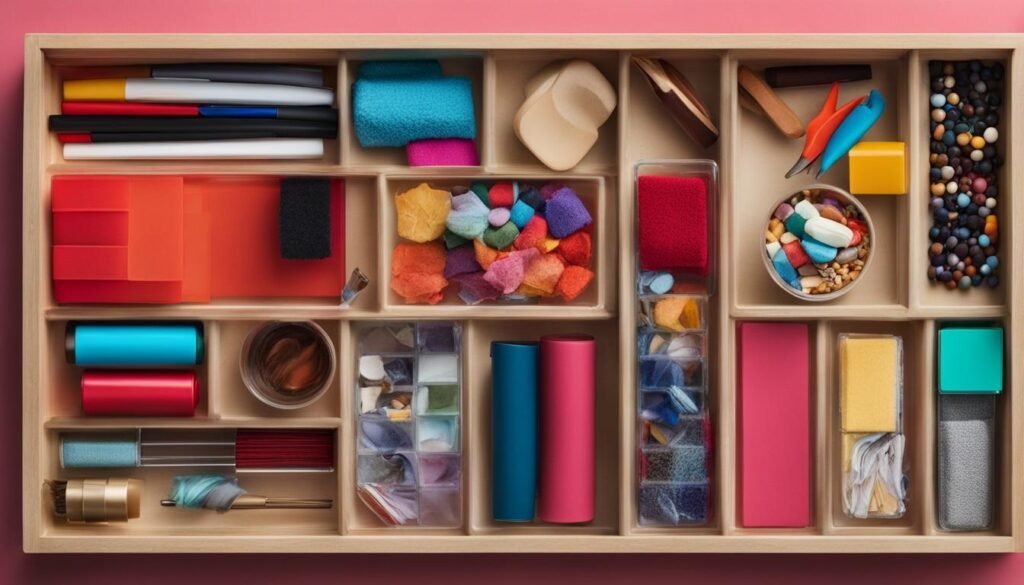
As we delve deeper into the realm of tidiness, we recognize the cascade of benefits that a well-organized drawer can bring. Let’s explore these advantages from a twofold perspective: the tangible benefits of organization and insights from a seasoned professional organizer.
Understanding the Benefits of Organization
When I engage in drawer decluttering hacks, the immediate reward is a visual treat – a clean, uncluttered space. However, the scope of organization transcends the observable; it’s a transformative experience that instills efficiency into our daily routine. Imagine needing no more than a few seconds to locate any given item in your junk drawer. This precision saves time, reduces frustration, and ultimately fosters a more serene and controlled environment. Tidy drawer organization is more than an achievement; it’s a lifestyle adaptation that promotes productivity and calm.
A Professional Organizer’s Perspective
Speaking with professional organizers has corroborated my belief in the power of a decluttered space. They point out that a tidy drawer organization strategy not only prevents the overflow of clutter into other areas of the house but also establishes a robust system to manage miscellaneous items that lack a designated spot. This containment strategy is vital for maintaining a clutter-free home over the long term. The ripple effect of a tidy junk drawer cannot be overstated; it’s an elemental piece in the puzzle of a harmonious home.
- Maintain a tidy and functional living space.
- Reduce time spent searching for everyday items.
- Prevent the spread of clutter to other areas.
Embracing the simple yet effective tactics of junk drawer organization has led me to appreciate the significant impact of these small spaces on our overall quality of life. Now, I look forward to sharing more strategies with you.
The Initial Sweep: Decluttering Junk Drawers
Embarking on the journey of decluttering your junk drawer, I’ve found success begins with a thorough initial sweep. This process is aimed at categorizing items to simplify the decision of what to keep and what to discard. For a clearer path to an organized drawer, follow my tried-and-true methods for organizing junk drawers, which allow you to effectively manage and organize small items – transforming clutter into clarity.
Criteria for What Stays and What Goes
In determining how to organize junk, establish clear criteria for what finds a home in your drawer. I recommend considering two key factors: necessity and frequency of use. This refined approach ensures that only essential items return to your space. Tips for organizing junk drawers include creating a checklist of the following criteria to efficiently sort items:
- Have you used this item in the last six months?
- Is it a duplicate of something you already have elsewhere?
- Does it serve a specific, necessary purpose?
By answering these questions, you can swiftly identify which belongings warrant a spot in your drawer and which do not.
Cleaning Out the Non-Essentials
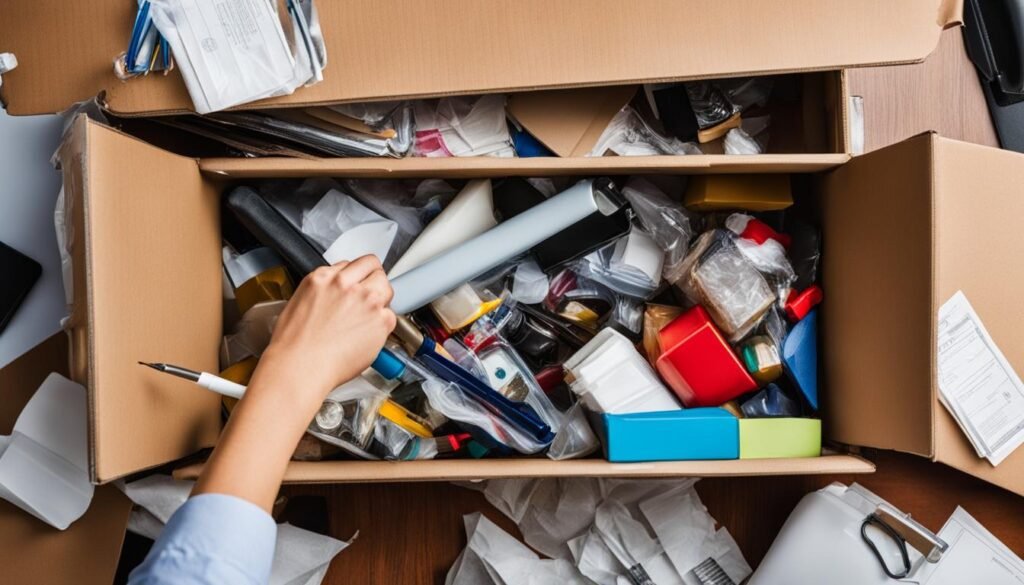
A crucial step in decluttering junk drawers is the clean-out phase, where you remove non-essentials. Concentrate on discarding broken, redundant, or obsolete items. Methods for organizing junk drawers often emphasize the importance of letting go:
- Dispose of items that no longer work or serve a purpose.
- Recycle materials that can be processed into new products.
- Relocate objects that belong elsewhere in your home.
Employing these tactics prevents the all-too-common drawer relapse into disorder by ensuring everything inside is utilized and in its correct place.
Selecting the Right Drawer Organizer
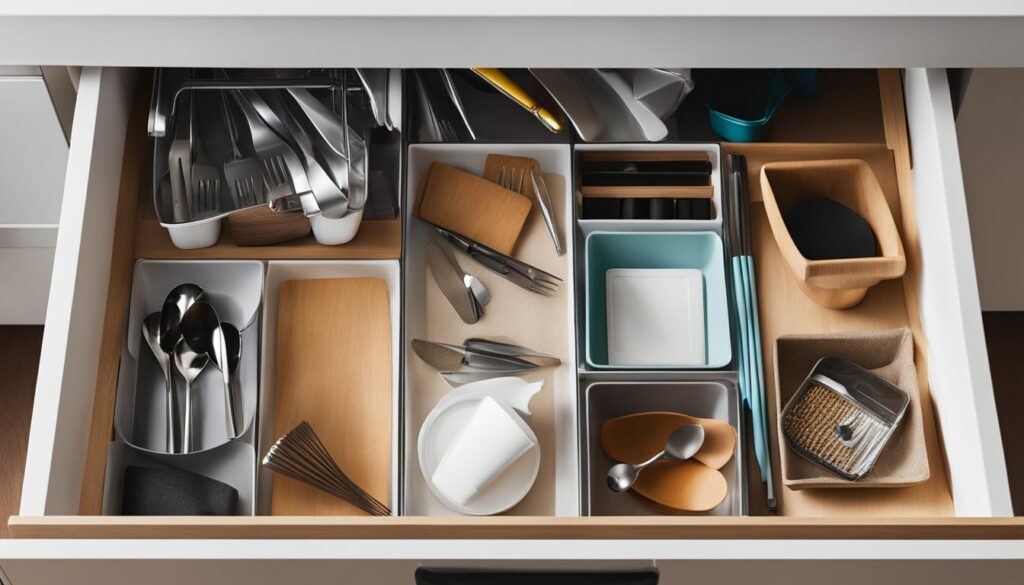
When it comes to maintaining an organized junk drawer, the choice of organizer can make or break your decluttering success. In my quest to keep my drawers pristine and practical, I’ve delved into an array of junk drawer organization ideas to find just the right fit for my home. More than simple convenience, an organizer that accommodates the unique assortment of items typically found in a junk cabinet is essential.
The guiding principle behind my selection mirrors a Marie Kondo-inspired drawer organization approach: choose joy, even in the smallest of spaces. Thus, flexibility in organizing is paramount. Flexible systems, featuring extendable bars and modular compartments, allow for a truly customized storage solution. These organizing methods for drawers are not just about neatness; they are about adapting to the ever-evolving landscape of our household needs.
Before making a decision, I ensure that the measurements of the drawer align with the organizer’s dimensions. It’s a critical step to avoid the frustration of an ill-fitting system. Ultimately, the goal is to achieve an organized junk drawer that not only streamlines the space but invites regular use without the impending disorder.
- Measure the drawer to purchase the right size organizer.
- Look for versatile organizing systems with adjustable features.
- Ensure the organizer aligns with both current and future needs.
- Consider ease of access and frequency of use when arranging items.
Save this article
Enter your email and we'll send it straight to your inbox.
With these considerations in mind, selecting the ideal drawer organizer becomes a less daunting task. It’s not just about buying a product; it’s about investing in a system that will cater to the unique quirks of your storage requirements, embodying the very essence of a customized, efficient home organization plan.
Organizing Junk Drawers: Step-by-Step Guide
In my experience, an efficient and orderly home starts with the small changes—one drawer at a time. I advocate for a methodical approach to organizing junk drawers to maximize the effectiveness of your space. Let’s unpack the step-by-step guide that I follow which leads to a sustainably tidy drawer and, ultimately, a more organized life.
Sorting and Categorizing Your Items
Firstly, I zero in on the contents of the drawer by sorting everything into distinct groups. Writing instruments, batteries, and odds and ends each have a place. Segmenting these items into categories based on their purpose makes it easier to identify and maintain organizing methods for junk drawers. Employing clear-cut categories is not merely about a neat appearance; it is about proficiency in locating what you need without the needless frustration.
Maximizing Drawer Space with Strategic Placement
Subsequent to categorizing, my next move is to strategically arrange the categories in the junk drawer. I make use of efficient storage solutions such as drawer dividers and containers, ensuring that frequently used items are front and center, while those used less often take a back seat. The rationale guiding this step is to ascertain that the drawer accommodates various necessities intelligently, rather than devolving back into disarray. As I apply these methods for organizing drawers, I create an environment where every inch is used sensibly, be it for small gadgets, keys, or personal care items.
To summarize, the transformation of a chaotic junk drawer into a model of efficiency involves dedicated sorting, meticulous categorizing, and the adoption of storage solutions that resonate with my organizing philosophy. It is about creating and implementing a customizable system that evolves alongside your necessities. This practice not only enhances the functionality of the drawer but perpetuates the tidiness of living spaces as a whole.
FAQ
What are the first steps in organizing junk drawers?
The initial steps involve emptying out the drawer, categorizing the items into what to keep, toss, recycle, or relocate, and then applying a structured approach to decluttering. This means deciding which items are essential and frequently used and should therefore stay in the drawer.
How can I determine what should stay in my junk drawer?
Establish criteria based on necessity and frequency of use. Any items that haven’t been used for a long time, or are duplicates of things stored elsewhere, should be removed. Prioritizing what you need and use will help to prevent your junk drawer from becoming overwhelmed with unnecessary items.
Why is it important to have a tidy junk drawer?
A tidy junk drawer helps to streamline finding items, reduces stress, and prevents clutter spillover into other areas of the home. Organization in this small space can surprisingly impact the overall sense of order and functionality in your living environment.
What is a professional organizer’s view on junk drawer organization?
Professional organizers emphasize that an organized junk drawer plays a significant role in maintaining a clutter-free home. It acts as a designated spot for miscellaneous items where they can be quickly found and accessed, which in turn prevents accumulation of clutter in other spaces.
What is the best way to select a drawer organizer?
It’s important to choose a drawer organizer that fits your drawer’s dimensions and adapts to your storage needs. Look for features like adjustable compartments or extendable bars, and consider investing in a system that can evolve with changes in your household’s needs.
How do I maximize space when organizing my junk drawer?
Use dividers or drawer organizers to separate items by category or type, securing them with adhesive strips to prevent shifting. Keep frequently used items in the front and less used items at the back. Also, consider adjustable dividers for oddly-sized items to make the most of every inch of the drawer space.
Can decluttering my junk drawer really affect the rest of my house?
Yes, it can. A decluttered junk drawer sets a precedent for the rest of the home. When each item has a place, it reduces the likelihood of random items being left out or shoved into incorrect spaces. This initiative can cascade to larger areas, promoting a more organized and efficient household overall.
Are there any Marie Kondo-inspired techniques for organizing junk drawers?
Absolutely. Marie Kondo advises keeping only those items that “spark joy” or are necessary. Her technique would involve thanking the items you’re discarding for their service, then organizing remaining items neatly so that everything is visible at a glance when you open the drawer. Using small boxes or containers to compartmentalize items within the drawer is also in line with her storage solutions.
How often should I declutter my junk drawer?
This can vary depending on how quickly clutter accumulates, but a general rule of thumb is to declutter your junk drawer every 3 to 6 months. Regular check-ins help maintain organization and give you the chance to reassess what’s necessary, ensuring the drawer remains functional and manageable.
What should I do with items I decide not to keep in my junk drawer?
Items that are not going to be kept should be sorted into bins for trash, recycling, donations, or to be relocated to a more appropriate place in the home. Making sure these items leave the junk drawer area promptly will help keep the organization process on track.
Save this article
We'll email you the link so you can find it again later.