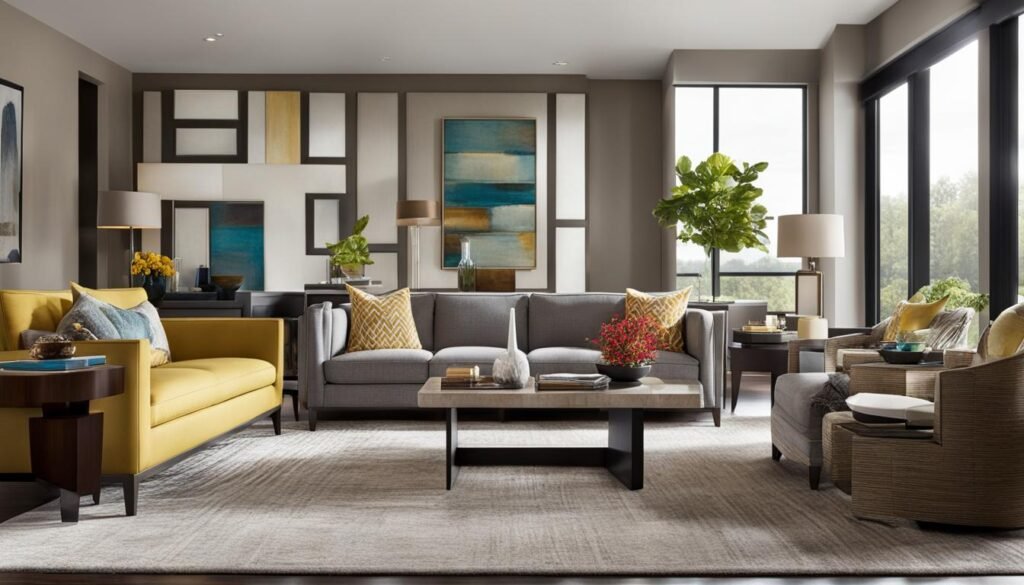
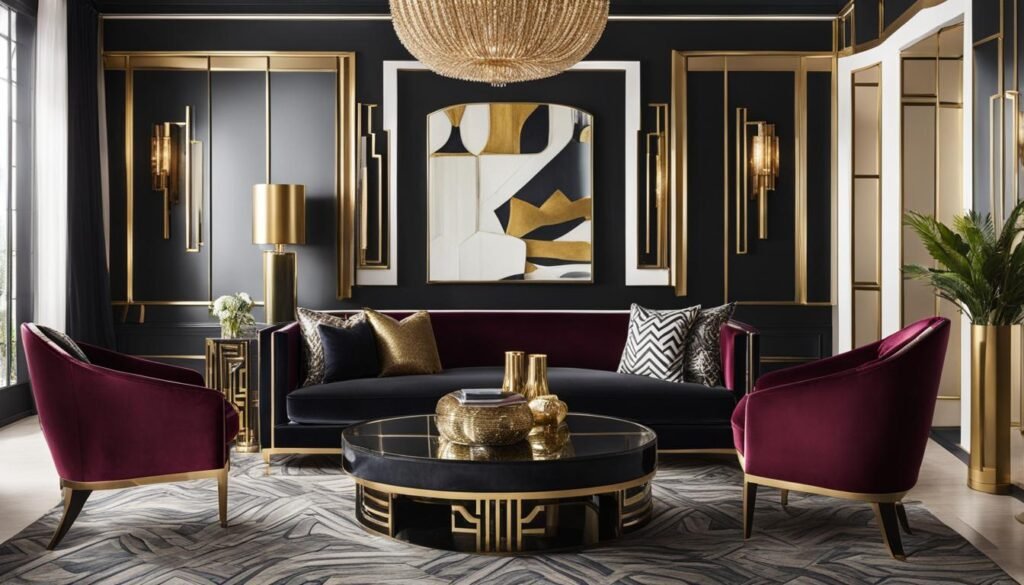
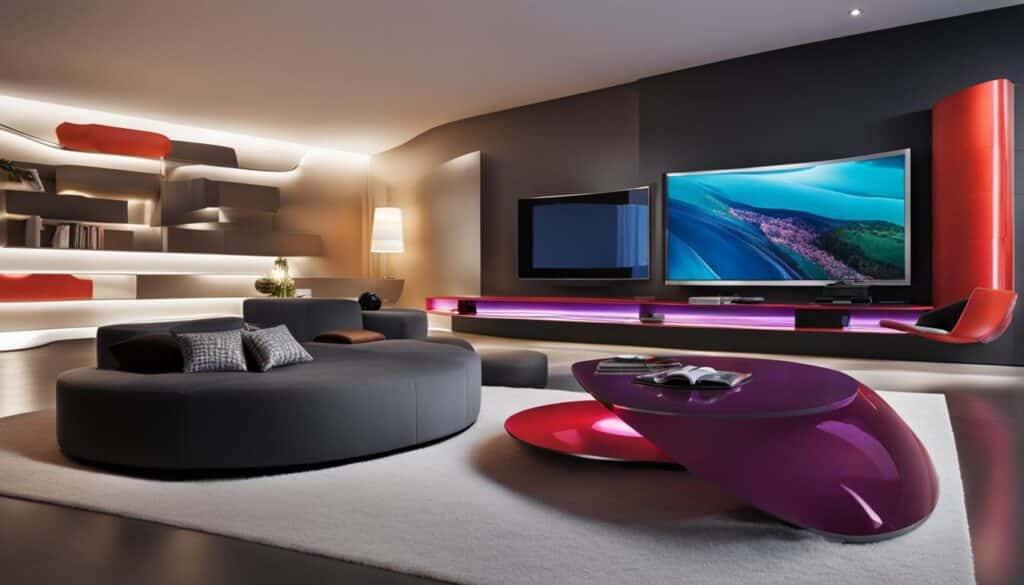
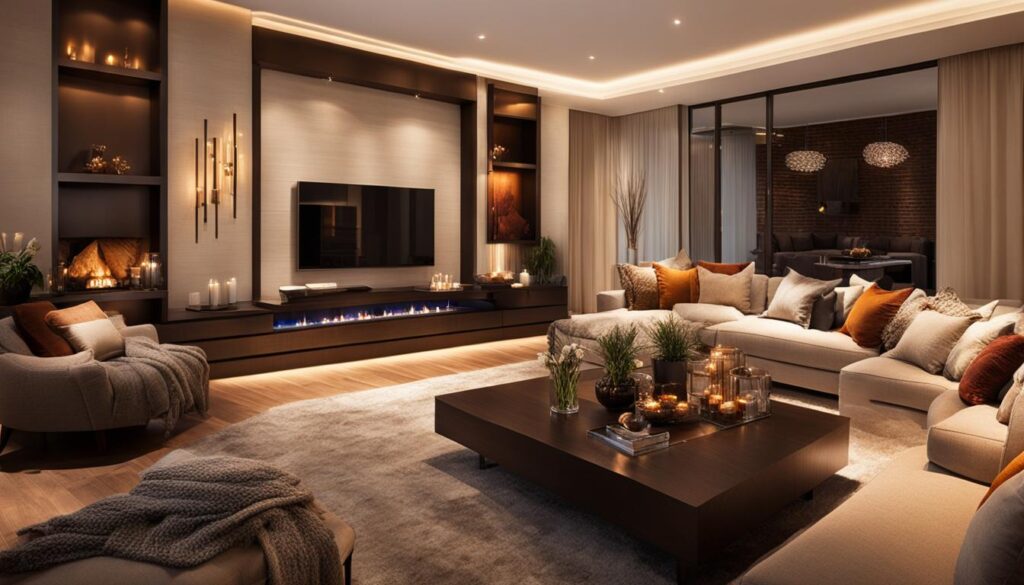
As an aficionado of the fluid and ever-expanding realm of interior design, I’ve witnessed the emergence and resurgence of various styles in interior design that cater to a kaleidoscopic array of personal preferences. The art of creating inviting and expressive living spaces starts with an appreciation of the diverse interior decorating styles that mark different times and cultures. In anticipation of the coming year, I’m eager to share insights into the popular interior design styles poised to define 2024.
Whether you’re enamored by the understated elegance of minimalist design, the textured richness of bohemian accents, or the cutting-edge appeal of luxury contemporary styles, it’s clear that interior design is as much about personal expression as it is about aesthetic appeal. True to this realization, offerings such as interactive style quizzes from renowned platforms like Decorilla allow design enthusiasts to discover their own signature style. These resources, paired with guidance from industry experts, enable you to weave personal narratives through your home’s decor, ensuring that every room reflects your individual taste and lifestyle.
Key Takeaways
- Exploration of various interior design styles to suit diverse preferences
- Interactive tools and professional guidance to define personal decorating styles
- Integration of personal taste with functional design in home decorating
- Anticipation of 2024’s highlighted interior design trends
- A focus on creating unique and expressive living environments
The Significance of Identifying Personal Styles in Interior Design
When I embark on the journey of creating a living space, it’s important for me to recognize the significance behind selecting a personal style in interior design. It’s more than just picking out a sofa or choosing a paint color; it’s about expressing my identity and shaping my environment to enhance my well-being. Every design decision I make reflects my personality, life experiences, and aspirations. In a sense, my home becomes a narrative of my life’s story, told through the medium of design.
Personalizing Your Space: More Than Just Aesthetics
For me, it’s essential to perceive my home as a personal retreat tailored to suit my taste. The process of mixing styles in interior design provides a canvas that I can adapt to mirror my unique sense of beauty and comfort. As I navigate through different styles in interior design, I find it invigorating to merge contemporary interior design styles with touches of traditional interior design styles, perhaps introducing the clean lines of modern interior design styles alongside the intentional simplicity of minimalist interior design styles.
Understanding the Timeless vs. Trendy Dilemma
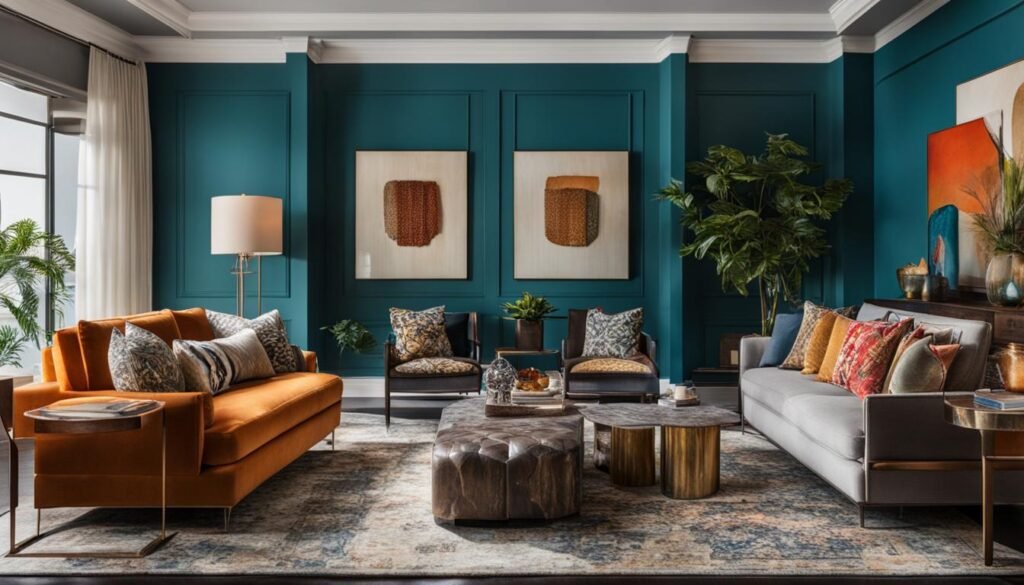
I am often caught between choosing what’s trending and what feels timeless in interior design. However, I’ve come to realize that it’s not about strict adherence to one over the other, but rather discovering the synergy between time-honored patterns and innovative trends. This balance ensures that my space remains both relevant and distinctive, embodying a design that feels authentic today and will continue to resonate in the future.
Utilizing Style Quizzes and Expert Advice for Tailored Interiors
My exploration into different design styles is substantially aided by resources available at my fingertips. I leverage online style quizzes as a starting point to ascertain my core design preferences. Beyond that, I seek the expertise of design professionals who aid in fine-tuning my space to reflect my personalized aesthetic. Their experience in blending various design elements helps in crafting interiors that are both functional and representational of my unique taste profile.
Mixing Design Styles for a Bespoke Interior Atmosphere
In my quest to curate a home that speaks true to my unique taste, I’ve come to realize the power in mixing design elements from a variety of sources. Achieving a bespoke interior atmosphere is akin to being a chef in a gourmet kitchen—respecting each ingredient’s origin while blending them to create something extraordinary and one-of-a-kind.
The beauty of blending rustic interior design styles with industrial, or weaving together the serene elements of coastal interiors with the raw textures of a loft, lies in the art of balance. Not only do these combinations create visual interest, but they also evoke a sense of harmony between the old and the new, the refined and the raw.
The Art of Balancing Contrasting Elements
Mixing rustic charm with industrial features for example, involves a delicate play between warm, worn woods and cool, metallic finishes. The contrast illuminates each style’s strengths, proving that opposites do more than just attract—they can flourish together.
Tips for Combining Traditional and Modern Motifs
To successfully blend traditional and modern motifs, I select key pieces that act as bridges—such as a classic Chesterfield sofa set against a minimalist backdrop or a sleek, modern lighting fixture suspended over a rustic farmhouse table.
- When incorporating traditional decor in a modern context, less is often more. A single statement piece can anchor a room without overwhelming it.
- For modern pieces in a traditional setting, I look for clean lines and simplicity to contrast the ornate details typical of classic design.
Find Your Unique Blend: Transitional Interior Design Inspirations
Among all the methods of mixing design, I find transitional interior design to be particularly inspiring. It’s a celebration of both past and present, bringing the plush elegance of traditional furnishings together with the understated sophistication of contemporary design elements. This style has taught me the value of minimalistic accessorizing and the impact of mixing masculine and feminine design features.
As I continue to explore the endless possibilities of design, the freedom to mix and match styles becomes not just a method of decorating, but a form of personal expression.
Transitional Interior Design: Where Classic Meets Contemporary
As an enthusiast of transitional interior design, I appreciate how it represents the serene middle ground for those who find beauty in both the traditional interior design and modern interior design. This hybrid style creates a timeless sanctuary by marrying the sophistication of classic design with the crisp, streamlined look of contemporary elements. It’s all about finding the delicate balance that reflects personal taste and contemporary lifestyle requirements.
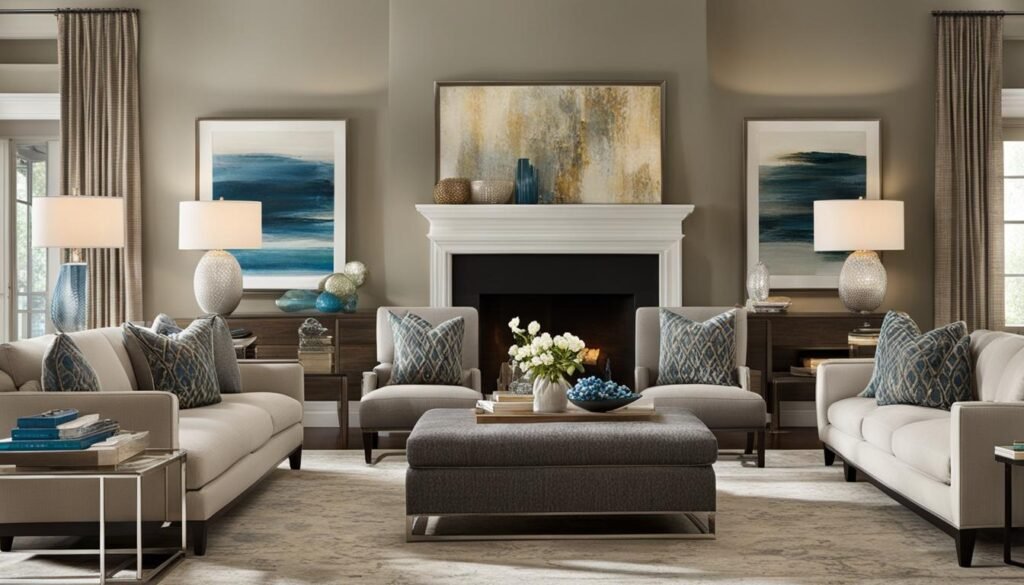
It is the flexibility of transitional design that allows us to fluidly update our spaces without a complete overhaul. The subtle luxury lies in the plush comfort of traditional curves and the minimalist approach of modern aesthetics. As I guide clients through a contemporary interior design evolution, I guide them toward this timeless trend—a match for ever-evolving tastes and functionality.
- Blending of classic lines with modern finishes for a fresh yet familiar look
- Textural elements that add depth while maintaining a color palette that is soothing and neutral
- Accent pieces that bridge the gap between old and new for visual interest and cohesion
Incorporating transitional design elements, I aim to craft spaces that celebrate longevity and relevance, even as trends shift. It’s about creating a home that feels balanced, personal, and perpetually in vogue—a testament to the transformative power of thoughtful design.
Embracing the Elegance of Traditional Interior Design Styles
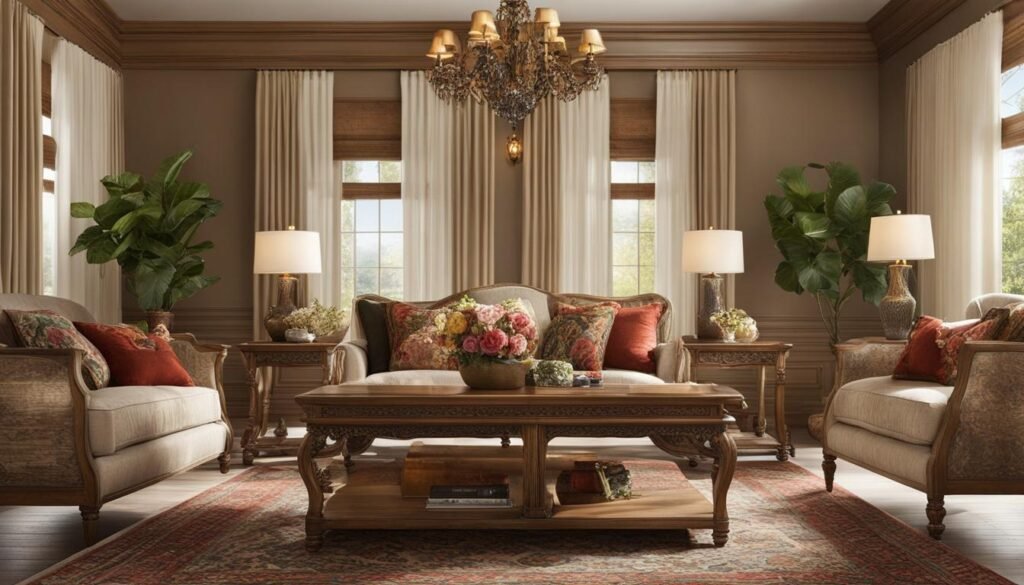
As a lover of traditional interior design, I’ve always found a deep appreciation for the timeless beauty and sophistication it brings to a space. With an eye for classic contours and a predilection for opulence, I am drawn to the luxurious textiles and intricate details evocative of a bygone era. The traditional elegance of these designs exudes a comforting sense of history and permanence, which can be profoundly grounding in our ever-changing world.
Intricate Details and Luxurious Textiles
The hallmark of luxury interior design lies in its meticulous attention to detail. In my home, I revel in the rich tapestries of silk and velvet, textiles that feel as sumptuous as they look. The carved woodwork of a grand armoire or the delicate trim on a brocade curtain harkens back to the meticulous craftsmanship of the 18th and 19th centuries, offering a tangible connection to the artisans of the past.
Infusing Historical Influence into Modern Living Spaces
Merging the historic interior design influence with contemporary living brings a unique perspective to my environment. By marrying the storied elegance of traditional pieces with the functionality of modern essentials, I create a dialogue between different eras—conversations that not only celebrate heritage but also breathe new life into every corner.
The Allure of Crystal Chandeliers and Ornate Decor
The soft glimmer of a crystal chandelier as it catches the light adds a touch of traditional elegance that never fails to captivate. Ornate decor, with layers of visual interest and a rich narrative, transforms a room into a living museum, where every piece has a story, and opulence is displayed with pride.
Defining Modern Interior Design Styles
As a passionate observer of modern interior design styles, I’ve watched how they’ve evolved from the minimalist movement to embracing the eclectic. There’s a certain purity to the Scandinavian interior design, with its love for simplicity, utility, and beauty, which has been revered and incorporated globally. The influence of the versatile bohemian interior design is unmistakable, inviting a free-spirit approach through vibrant patterns and textures. Moreover, the iconic mid-century modern interior design stands as a testament to the timelessness of the 20th century’s stylish fundamentals and continues to be a cornerstone for contemporary aesthetics.
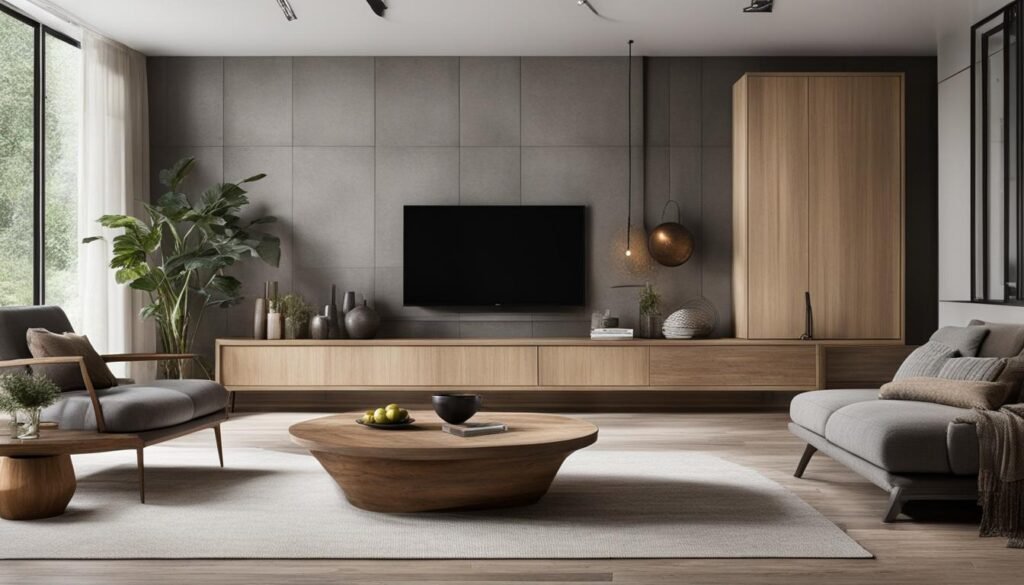
- Scandinavian design prides itself on functionalism and coziness, often using wood and natural light to create airy, harmonious spaces.
- Bohemian style defies organization, instead radiating warmth through its eclectic mix of textures, colors, and patterns, fostering an artistic and unconventional environment.
- Mid-century modern leverages form and function, highlighting organic shapes, and muted tones against a backdrop of open-concept layouts that marry the indoors with the outdoors.
Each of these styles carries its own narrative, a frank reflection of different philosophies and periods in design history. They’ve enriched the palette with which I work, allowing me to craft spaces not just of beauty but of meaning. By intertwining these elements, I create interiors that resonate powerfully with my clients’ identities, making each project a unique artwork in itself.
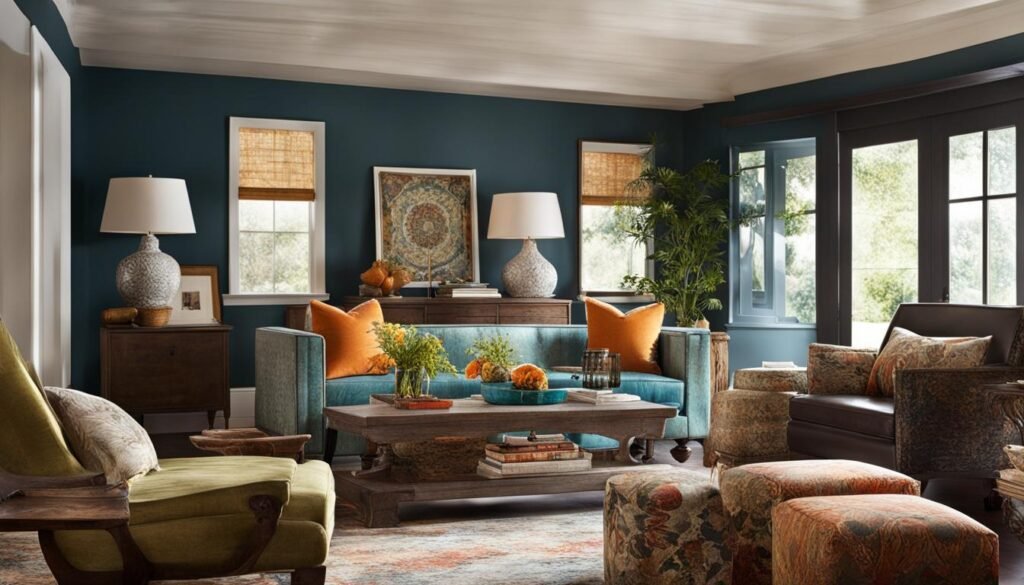
Eclectic Interior Design: The Cultivated Chaos of Style
My exploration into eclectic interior design has always unveiled spaces that are brimming with vibrancy and personality. This design approach is for those who revel in the assembly of disparate styles to form a high-energy interior collection that captivates and inspires all who enter.
The Fine Line Between Layered and Overwhelming
Maintaining a delicate balance is key in eclectic design. Each piece deserves the spotlight, and to ensure one element doesn’t overpower another, I consider their visual weight and compatibility. It’s not just about filling a room; it’s about orchestrating a composition where each piece contributes to a harmonious ensemble.
Curating a Diverse Yet Cohesive Space
As a purveyor of curated interior design, my approach involves piecing together textures, colors, and objects from various periods and origins. The objective is to create a space where diversity flourishes within a cohesive framework, reflecting a well-traveled look that tells a story through its eclectic assembly.
Harnessing Accents to Reflect a Worldly Vibe
Accent pieces are the spirit of an eclectic space. They are the storytellers that evoke a sense of globe-trotting adventure and cultural depth. By introducing accents with distinctive character and provenance, I craft a space that’s not merely an interior but a testament to the beauty of world cultures merging under one roof.
Contemporary Interior Design: Evolving with 21st Century Trends
As I immerse myself in the dynamic realm of contemporary interior design, it’s evident how it beautifully mirrors the evolutionary pace of 21st-century design trends. The very essence of this design philosophy is its fluidity – an ability to reflect the constantly changing tastes and technological advancements of our era. Infused with a sense of contemporary aesthetics, the spaces I design are not just about embracing the now, but also about being prepared for the future.
There’s something intrinsically alluring about the way modern luxury interior design allows open layouts to provide a sense of tranquility and freedom. The absence of confining walls and the presence of multi-functional areas create environments that are not only aesthetically enthralling but also eminently livable. Melding sleek lines and minimalist concepts with comfortable living, contemporary interiors are as much about form as they are about function.
Save this article
Enter your email and we'll send it straight to your inbox.
- Elegant furniture finds with exposed legs, in harmony with uncluttered clean lines
- Utilization of lustrous materials such as refined metals and translucent glass to magnify light and space
- Bold structural elements like detailed moldings tying the space back to its architectural roots
As I look around a contemporary setting, it is as if I am standing within a curated collection of design history where pieces from various eras coexist harmoniously. This effortless mixture of old and new, of classical grace and modern edge, is exemplified in the rooms where I have my hand at play. By keeping a close eye on emerging trends and timeless sensibilities, I ensure that my designs stay relevant yet spirited with character.
In this ever-evolving landscape, the anticipation of the next trend becomes as exciting as the current design itself. There is a balance to strike between novelty and timelessness, and in this balanced tension lies the true beauty of contemporary design. The spaces I create are more than just areas to inhabit; they are canvases for expression, platforms for life to unfold, and testimonies to personal narratives told through design.
Minimalist Interior Design: The Essence of Simplicity
In my exploration of minimalist interior design, I have found that it transcends mere style—it’s a philosophy where simplicity in design harmonizes with everyday living. Minimalism isn’t about creating a cold or bare space, but rather about selecting elements that speak of quality and purpose, creating an abode defined by clarity and order. This design approach adheres to the principle that every item should serve a purpose or bring joy, embodying the heart of minimalist aesthetics.
The Zen of Empty Spaces and Refined Palettes
Embracing minimalist interior design invites a sense of peace and serenity into our homes. The artful use of empty space—a hallmark of this design strategy—crafts an environment that encourages relaxation and introspection. A refined color palette anchored in neutral tones complements the overarching theme of tranquility, punctuated occasionally by a touch of bold color to infuse life and focus into the space. This intentional sparseness is not about deprivation; it is a visual poetry of balance and proportion, fostering a truly mindful way of living.
Functional Furniture with a Dual Purpose
By incorporating functional minimalist furniture, I appreciate the clever innovation that merges utility with understated beauty. Furnishings are carefully selected not only for their visual appeal but also for their functionality, often performing multiple roles. For example, a minimalist coffee table might also offer storage solutions or convert into a dining area, signifying the ingenious adaptability at the core of minimalist design principles.
Striking the Balance Between Form and Function
The equilibrium between form and function is a delicate one, yet it is flawlessly realized in minimalist design. Functional minimalist furniture does not sacrifice form; instead, it exemplifies how both can coalesce to create a space that is as thought-provoking as it is functional. Indeed, minimalist aesthetics belie a thoughtful complexity that lies in the intricate dance of shapes, textures, and purposeful design. Here, each piece contributes to a cohesive ensemble, and less truly becomes more with every intentional decision made in crafting a space of distilled essence.
Scandinavian Interior Design: Fusing Functionality with Aesthetics
My appreciation for Scandinavian interior design emanates from its ability to blend functional aesthetic design with an enchanting charm. It’s this design’s thoughtful use of organic materials and tranquil palettes that establishes spaces of true comfort and stylish practicality. I find that this design genre doesn’t solely create visual pleasure, but masterfully imparts a sense of tranquility into everyday living. At its heart, Scandinavian decor showcases comfort and contentment, truly embodying the concept of Hygge.
The Charm of Organic Materials and Neutral Tones
The profound serenity I feel within a room adorned in Scandinavian style can be attributed to its use of light woods, cozy woolen fabrics, and a color scheme that echoes the muted whisper of nature’s own hues. This choice of charming interior decor effortlessly converges with the functionality of the space, serving both the visual aspect and the tactile experience, thus heightening the overall ambiance.
Incorporating Hygge: Comfort as a Decorative Feature
The Danish term ‘Hygge,’ which I have come to admire, succinctly captures the essence of what Scandinavian interior design aims to offer — an environment so snug and in harmony that it encourages you to revel in the moment. The embrace of Hygge interior design principles, with its soft throws and ambient lighting, isn’t just decor but a lifestyle fixture that enlivens the space with an aura of well-being.
Lightness and Warmth in Design Philosophy
I believe the allure of Scandinavian interior design lies in its ability to forge a unique atmosphere where lightness intersects with warmth, creating an arena that both invigorates and soothes. It’s the balance between airy spaces and cozy nooks, between sleek lines and tactile comforts, that promotes a state of comfort that is as aesthetic as it is functional.
- Authentic use of organic materials
- Palette inspired by soothing neutral tones similar to the Nordic landscapes
- Design elements that prioritize comfort without compromising on aesthetics
In my practice of interior design, I have found that Scandinavian interior design not only stands at the intersection of beauty and utility, but also embodies a space where life can unfold with ease, draped in elegance and simplicity.
Mid-Century Modern Interior Design: A Timeless Style Icon
When I think of enduring design, mid-century modern interior design instantly comes to mind. Celebrated for its undying presence in the world of aesthetics, this style perpetuates a legacy that revolutionized our spaces decades ago, etching its principles into the very heart of today’s decor. Strolling through a room that exemplifies this style, one can’t help but be drawn to the iconic mid-20th-century furniture, with pieces like the Eames lounge chair or the Noguchi coffee table serving as functional works of art. It’s this innovative simplicity and timeless elegance that underscores the philosophy of a design era steeply inclined towards the future.
Integrating Iconic Furniture Pieces from the Mid-20th Century
The task of honoring classic design while imbuing modern homes with character, often leads me to integrate iconic furniture that bears the distinguishing signature of mid-century aesthetics. The designers of the era were maestros of their crafts, creating pieces that fused form and function while standing as bold statements of the times. Incorporating such pieces into your home not only pays homage to the artistic visionaries of the past but also brings a touch of retrospective chic to a contemporary setting.
Exploiting Natural Light and Open Floor Plans
In my experience, one cannot overlook the transformative power of natural light and open floor plan design pivotal to mid-century modernism. The clever use of expansive glass and minimalist architectural lines, unifying distinct functional areas without the need for restrictive walls, allows natural light to become an ever-changing element of the interior landscape. This architectural transparency breaks down the barriers between inside and out, creating a living space that breathes and evolves with the day’s rhythm.
Connecting with Nature Through Design Choices
My appreciation for mid-century modern design deepens with its inherent connection to the natural world. Be it through the use of organic shapes or the integration of materials like wood and stone, mid-century design reminds us of the importance of bringing nature into our homes. This relationship with the environment is not just about aesthetic appeal but about embracing a lifestyle that treasures simplicity, harmony, and a seamless indoor-outdoor living experience that rejuvenates the soul.
- Timeless elegance of mid-century furniture
- Maximizing the infusion of natural light
- Celebrating open, fluid living spaces
- Organic forms and natural materials
Conclusion
As we draw our exploration of interior design to a close, I find myself reflecting on the abundance of styles that we’ve traversed together. These styles are more than mere trends; they are manifestations of the collective human spirit, each offering a unique dialect in the grand conversation of design. It’s been an enlightening journey, examining how traditional motifs harmonize with modern sensibilities and witnessing how one’s personal narrative becomes interwoven with the fabric of their home through design. The future of interior design trends seems poised to amplify this narrative, prizing individuality above all else.
Embracing Individuality Through Design Styles
The quest for personalized living spaces is as much about self-discovery as it is about aesthetics. Mixing styles in interior design is a poignant reminder of our complex identities, allowing us to construct living spaces that fully articulate who we are and what we love. It’s a celebration of plurality, each style serving as a brushstroke in the larger picture of one’s life. The evolving design landscapes continue to expand the palette of options, enabling us to adapt and curate spaces that are deeply resonant with our ever-changing lives.
Looking Ahead: The Ever-Evolving Landscape of Interior Design
Peering into the horizon, the trajectory of design points toward an exciting confluence of past and future. The relentless evolution of interior design is not just about the emergence of new styles, but also about the dynamic reinterpretation of established aesthetics. It’s an ever-advancing tide, reshaping the shores of creativity and opening up new possibilities for self-expression. Anticipation builds as we consider the transformative potential of future interior design trends
Creating Spaces That Resonate with Personal Lifestyle and Taste
I firmly believe that our homes should be sanctuaries that reflect our journeys, beholding not just where we are but also the paths we’ve taken to arrive there. With each passing year, the emphasis on creating personalized living spaces grows stronger, affirming the importance of environments that are not only stylish but also infinitely personal. The privilege to shape a space that is truly your own—the ultimate expression of lifestyle and taste—is the quintessence of what it means to inhabit design fully.
FAQ
What are some popular interior design styles in 2024?
The popular interior design styles for 2024 include luxury contemporary, classic traditional, minimalist, bohemian, mid-century modern, and eclectic. Each style offers a unique aesthetic to suit different personal tastes and lifestyles.
Why is it important to identify my personal interior design style?
Identifying your personal interior design style is crucial for creating a space that reflects your personality and fulfills your aesthetic and functional needs. It helps achieve a comfortable environment that feels like home and serves as an expression of individual taste.
How can I mix different interior design styles without creating chaos?
To mix different styles without creating chaos, focus on balancing contrasting elements in terms of color, texture, and form. Include transition pieces like transitional interior decor, which blend traditional and modern motifs seamlessly, and maintain a cohesive theme throughout your space.
Can I incorporate elements of traditional interior design into a modern space?
Absolutely, you can incorporate elements of traditional interior design into a modern space for a rich, layered look. This can be achieved through textiles, accessory choices, or furniture that features detailed woodwork or ornate carvings, paired with modern elements.
What distinguishes contemporary interior design from other styles?
Contemporary interior design is distinguished by its ever-evolving nature, reflecting current trends and incorporating elements from different eras. It features clean lines, minimalist furnishings, and embraces innovative structural elements to create spacious, dynamic environments.
What are the key features of minimalist interior design?
Minimalist interior design is characterized by its ‘less is more’ approach, emphasizing empty spaces, refined color palettes, functionality, and furniture with dual purposes. This style creates a tranquil backdrop that focuses on form and function.
How does Scandinavian interior design enhance a living space?
Scandinavian interior design enhances living spaces through its focus on functionality, comfort, and aesthetic appeal. It utilizes organic materials, neutral tones, and the concept of ‘hygge’ to create an environment of warmth, lightness, and well-being.
What makes mid-century modern interior design timeless?
Mid-century modern interior design is considered timeless due to its innovative approach to design during the mid-20th century, its iconic furniture pieces, and its integration with nature through clean lines and expansive windows, all of which continue to influence contemporary styling.
Can I still apply eclectic interior design without making my space feel cluttered?
Yes, an eclectic interior design can be applied without clutter by carefully curating pieces and maintaining a disciplined balance through color and texture. This approach allows for personalized and energetic spaces that are rich in culture but free of unnecessary clutter.
How do interior design styles evolve over time?
Interior design styles evolve through the influence of current societal and cultural trends, technological advancements, and a blending of historical styles with modern sensibilities. Designers and homeowners alike adapt and reinterpret styles to reflect contemporary lifestyles and tastes.
Save this article
We'll email you the link so you can find it again later.