

Anyone who’s lived through the crib-to-big-kid-bed switch knows the slight panic: suddenly the room that worked fine for a baby needs a total rethink. The good news? Great toddler room decor really comes down to a handful of practical moves — low shelves they can reach, colors that don’t buzz, and floor space you keep open for chaos (I mean play). Let’s walk through 29 ideas, from woodland nooks to Montessori setups, that actually hold up to juice spills and growth spurts.
1. Forest Friends Inspire Adventures

Muted olive, warm beige, and real timber give a toddler room a gentle woodland soul without tipping into theme-park territory. Forest art and leafy prints fire up the imagination while the palette stays calm — which, trust me, matters at 7 a.m. Woven baskets and soft fabrics add texture without crowding the floor. This palette grows with them, so you can swap in new obsessions later without repainting. Want more inspiration? Explore other toddler room decor ideas and save the forest spaces that make everyday play feel peaceful and a little magical.
2. Boho Layers Feel Creative

Woven wall hangings, fringed cushions, and warm earthy shades bring a relaxed, creative vibe to a toddler’s room. Layered rugs and natural fabrics keep things cozy while still feeling playful. The trick is editing — pick a few meaningful pieces instead of cramming in every boho trinket you find, or the look turns to clutter fast. The result is an inviting spot for naps, stories, and whatever game they’ve invented this week.
3. Nordic Rooms Stay Serene

Light wood and softly muted colors give a toddler room a bright, Scandinavian-friendly base. Straightforward storage keeps toys and books in check while you hang onto open floor for independent play. Rounded shapes and gentle textiles stop the clean lines from feeling cold or stiff. This simplicity ages well, so updates stay easy as their tastes shift. For more, browse our wider decor ideas and save the Nordic rooms that turn organization into something calm.
4. Simple Layouts Support Play

A pared-down layout makes a toddler room feel bigger, calmer, and way easier to keep tidy. Neutral walls and open floor let them move freely without visual overload. Low baskets and simple shelving put favorite toys within reach and quietly build tidy habits. A couple of colorful books or one meaningful decoration is all you need for character — no need to fill every inch.
5. Animal Art Encourages Discovery

Illustrated animals turn a plain wall into a cheerful story starter. Friendly jungle, woodland, or ocean creatures make an easy focal point across walls and textiles. Stick to one limited palette so the theme stays playful instead of visually exhausting. Bonus: the art nudges early learning as toddlers start naming sounds and spotting habitats.
6. Gentle Pastels Welcome Everyone

Powder blue, pale peach, mint, and buttery cream bring soft color in without boxing the room into a gendered label. The blended pastels feel cheerful at playtime and restful when it’s lights-out. Simple furniture keeps things modern while coordinated textiles spread the color around evenly. You can swap the bedding and art later without touching the main design — handy when their taste does a 180.
7. Grayscale Rooms Highlight Play

A grayscale base gives a toddler room a crisp, modern look and lets the toys do the talking. Black shapes, white furniture, and soft gray textiles create contrast without chaos. Patterned rugs and a stack of colorful books keep it from feeling too serious. Fewer fixed colors means easier refreshes — just change the accessories as they grow.
8. Botanical Details Soothe Naturally

Botanical prints and raw wood bring the calm of outdoors inside. Sage textiles, leafy art, and woven baskets build a grounded space that works for both rest and play. Natural daylight makes the earthy shades feel fresh and open. Soft blankets and neutral furniture let the organic details shine without competing for attention.
9. Travel Themes Grow Curiosity

World maps and playful travel bits give a toddler room an adventurous spirit. Globes, illustrated landmarks, and friendly explorer animals make ordinary playtime feel like a journey. Keep the background neutral so the educational details pop without making the room busy. Low books and organized storage set up plenty of storytelling and discovery.
10. Muted Rainbows Spread Happiness

A muted rainbow fills a toddler room with joy while staying soft and restful. Dusty rose, sage, lavender, and faded blue blend gently instead of slamming down hard color blocks. Coordinated decals, blankets, and cushions spread the shades without overcrowding. The result plays well by day and soothes at nap time — the sweet spot every parent wants.
11. Sensory Nooks Invite Comfort

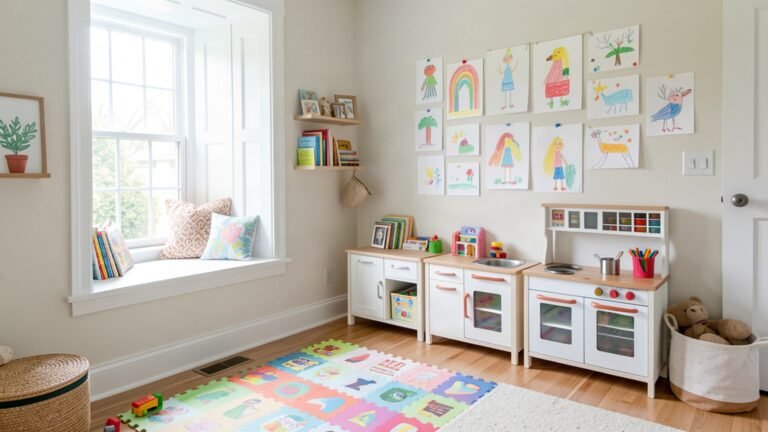
Touchable materials can turn a quiet corner into the coziest part of the room. A fluffy rug, knitted pouf, and light fabric canopy carve out a spot for reading or pretend play. Mixing textures keeps them engaged without needing a toy explosion. Low book storage makes the nook practical, not just pretty.
12. Accessible Rooms Encourage Independence

Reachable furniture and kid-friendly organization build real confidence — this is the heart of Montessori-style toddler rooms. A floor bed, open shelving, and low clothing storage let them handle simple routines on their own. Neutral colors and natural finishes cut distractions and keep focus. Safety stays front and center while the layout nudges movement, choice, and responsibility.
13. Warm Neutrals Adapt Gracefully

Warm greige, soft ivory, and sandy taupe give a toddler room a refined base that still feels welcoming. Pale timber, plush rugs, and layered fabrics stop the sophisticated palette from feeling stuffy. These flexible colors gulp down any theme — animals, rainbows, art — without a repaint. The big furniture pieces stick around as the small details evolve.
14. Organic Textures Feel Thoughtful

Wooden toys, woven bins, and untreated fabrics bring natural character in. Soft brown, clay, and oatmeal shades make a restful room with plenty to touch. Durable organic materials are a smarter, safer bet and kinder on the planet, too. The simple textures feel warm and connected without bright, disposable clutter.
15. Polished Details Feel Special

A few polished accents can give a toddler room a special finish without losing warmth. Velvet cushions, brushed brass handles, and one softly reflective piece add luxury in small doses. Neutral furniture and clean lines keep it balanced for everyday chaos — I mean, routines. The space feels designed yet still comfy for play, sleep, and storytime.
Save this article
Enter your email and we’ll send it straight to your inbox.
16. Statement Rugs Energize Play

A colorful statement rug can become the playful foundation of the whole room. Animal silhouettes, rounded shapes, or gentle geometrics add personality without busy-ing things up. The soft surface is built for floor time — crawling, building, reading, you name it. Match one or two accessories to the rug and the space feels intentional.
17. Cloudy Rooms Encourage Dreaming

Misty blue, cloud white, and pale gray give a toddler room a soft, sky-inspired mood. Puffy decals, cloud lamps, and airy bedding set a dreamy stage for naps and stories. Plush blankets and cushioned seating add warmth so the light palette never feels cold. The theme feels magical without needing loud colors or a pile of decorations.
18. Compact Spaces Work Beautifully

Space-saving furniture and clever storage make a small toddler room feel open and workable. Storage beds, narrow shelving, and multipurpose pieces squeeze value from every corner. Pale colors and layered textiles give a snug tiny-house feel while staying light. This layout is gold for apartments and shared bedrooms where square footage is a luxury.
19. Curved Shapes Soften Everything

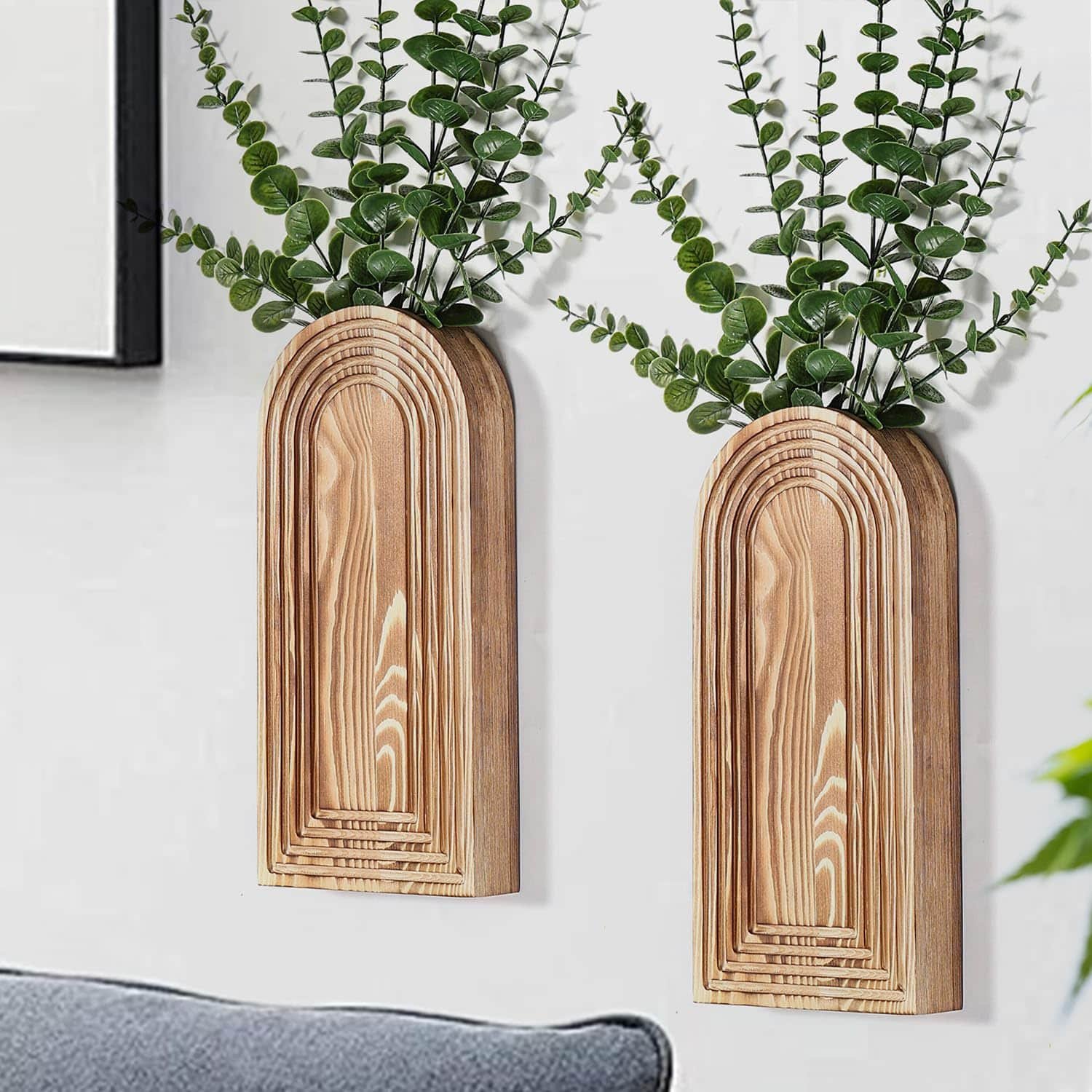
Soft curves and rounded silhouettes bring safety, comfort, and a modern edge. Arched shelving, circular mirrors, oval rugs, and bubble lights create gentle movement everywhere. Rounded corners are just friendlier for a kid who’s always on the move, and they look polished doing it. The repeated shapes feel playful without loud color or busy patterns.
20. Cottage Details Feel Enchanting

Delicate florals and warm wood bring nostalgic storybook charm to a modern toddler room. Handmade touches, softly patterned fabrics, and vintage-inspired accents build a cozy cottage feel with personality. Streamlined storage keeps the sweet layers from tipping into clutter. The mix feels timeless yet totally practical for daily life.
21. Muted Shades Soothe Gently

Dusty sage, muted clay, and soft blue give a toddler room a soothing color story with quiet personality. These understated shades support relaxation while still interesting the walls and art. Natural wood and textured fabrics add warmth so the colors feel cohesive. The palette flexes to fit new themes and stages as they grow.
22. Activity Walls Grow Creativity

Turn a wall into an engine for creativity and hands-on learning. Magnetic boards, chalk surfaces, and sensory panels create activities without eating floor space. Mount everything at toddler height so they can explore solo. A simple arrangement keeps the interactive zone organized instead of overwhelming.
23. Book Corners Welcome Stories

A dedicated book corner can become the cozy heart of the room. Floor cushions, low shelves, and soft lighting make an inviting spot for stories and one-on-one time. Neutral fabrics let colorful books pop. The setup invites them to grab books on their own and build a real reading habit early.
24. Farmhouse Textures Feel Playful

White paneling, aged timber, and dark metal give a toddler room a fresh farmhouse personality. Industrial-ish lighting and simple iron details add definition while soft rugs and bedding keep it kid-friendly. Rustic materials bring character without feeling like a museum. Organized storage and playful art keep it practical for real family life.
25. Smart Storage Supports Independence

Good storage keeps a toddler room polished and makes cleanup less of a battle. Open cubbies, low bins, and floating ledges give toys clear homes they can actually use. Matching the storage finish to the furniture helps the practical pieces disappear into the design. The organized layout cuts clutter and quietly builds independence.
26. Pale Woods Brighten Naturally

Light oak, pale ash, and smooth bamboo add natural warmth to an airy toddler room. Their gentle grain brings texture without making things dark or heavy. White accessories, muted pastels, and woven textiles complete a modern organic look. These materials stick around as furniture, bedding, and themes change over the years.
27. Celestial Details Inspire Dreams

Moon shapes, glowing stars, and celestial bits bring nighttime wonder in. Soft navy, blush, and antique gold make a dreamy palette that’s magical but still restful. Star projectors, hanging mobiles, and gentle lights make bedtime feel comforting. The sky theme sparks curiosity by day and soothes after dark.
28. Nordic Rooms Balance Comfort

Pale wood, crisp whites, and gentle grays give a toddler room a refined Scandinavian look. Sleek furniture and uncluttered surfaces create order while letting their favorite toys and art take the spotlight. Knitted blankets, plush rugs, and rounded accessories soften the minimal base and add warmth. The room evolves smoothly as play habits and preferences shift.
29. Gentle Patterns Create Rhythm

Gentle patterns — think soft stripes, tiny dots, or faint grids — give a toddler room a sense of rhythm without shouting. Keep the scale small and the colors close so the eye rests instead of races. Pair one patterned piece with solid neighbors and the whole room feels composed. I’ve stepped on enough stray blocks to know the floor bin matters more than the wall color — keep the bed low and the books within reach, and the room works for the kid and the parent. 🙂
Wrapping It Up
Whew — 29 ways to build a toddler room that actually survives the juice spills, the growth spurts, and the inevitable obsession with whatever the current favorite is. The through-line? Keep it low, keep it calm, and keep the floor clear for the real business of being two. Pick the ideas that fit your space and your sanity, then let the room grow with them. What do you think — which style are you trying first? Give it a shot!
Save this article
We’ll email you the link so you can find it again later.