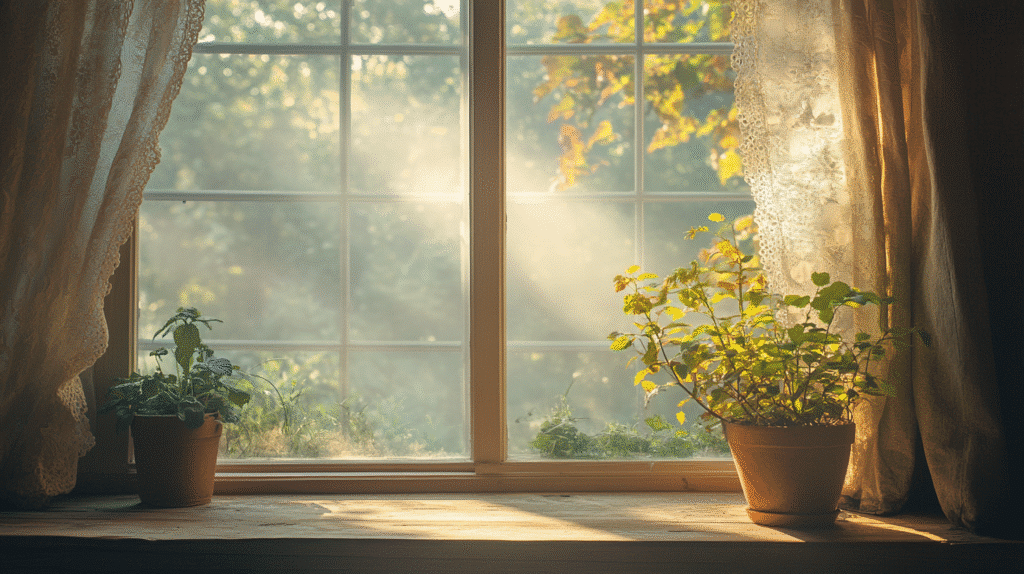
The art of Wabi Sabi gardening embraces the beauty of imperfection, simplicity, and natural aging. This design philosophy transforms outdoor spaces into serene, meditative landscapes that celebrate the raw, unpolished essence of nature. From moss-covered stones to curved pathways and wildflower meadows, these 29 Wabi Sabi garden designs offer a profound way to reconnect with the organic rhythms of the environment, inviting tranquility and mindfulness into your outdoor sanctuary.
1. Natural Serenity

The Natural Serenity Wabi Sabi garden celebrates the untouched beauty of nature. It features unpolished stone paths and wildflower beds that thrive in their natural state. Aged wooden benches and weathered pots enhance the tranquil atmosphere, embracing Wabi Sabi principles of imperfection. This design invites you to find peace in simplicity and the organic flow of the environment.
✎ Steal This Look
- Paint Color: Sherwin-Williams Evergreens SW 9130
- Furniture: weathered teak garden bench with vertical slat back
- Lighting: natural dappled sunlight through tree canopy
- Materials: natural stone steps, river rock, aged wood, moss groundcover
This garden pathway perfectly captures wabi sabi’s essence with its weathered stone steps meandering through lush greenery, creating a meditative journey that celebrates natural imperfection.
2. Mossy Haven

A Mossy Haven in a Wabi Sabi garden highlights the lush, green texture of moss as a focal feature. This soft, carpet-like element thrives in shaded areas, creating a serene and timeless ambiance. Natural stones and minimal human interference enhance the garden’s ancient, tranquil charm. It’s an invitation to experience the beauty of growth and decay.
💡 Steal This Look
- Paint Color: Benjamin Moore Forest Green 2047-10
- Furniture: weathered stone benches and natural wooden garden seating
- Lighting: soft solar path lights and hidden LED uplighting
- Materials: natural moss, aged granite stones, flowing water features
There’s something deeply meditative about watching water trickle between moss-covered stones, creating that perfect wabi-sabi moment where nature reclaims hardscape.
👑 Get The Look
3. Harmonic Asymmetry

Harmonic Asymmetry in a Wabi Sabi garden embraces irregular shapes and designs to create natural balance. Uneven pathways, mismatched stones, and native plants reflect the beauty of imperfection. Each element is carefully chosen to harmonize with the landscape without seeking perfection. It’s a celebration of the unconventional beauty of nature.
💡 Steal This Look
- Paint Color: Farrow & Ball Green Smoke 47
- Furniture: curved stone garden bench with weathered edges
- Lighting: recessed LED pathway strips embedded in stone
- Materials: rough-hewn limestone, native grasses, weathered natural stone
This winding stone path perfectly captures wabi sabi’s celebration of imperfection, where each weathered stone tells its own story while creating a harmonious whole.
4. Playful Pathways

Playful Pathways in a Wabi Sabi garden bring an element of whimsy with ivy-covered archways and natural sculptures. Flowing water features and surprising plant placements create an inviting and joyful environment. This garden style embraces spontaneity, staying true to the Wabi Sabi philosophy of finding delight in the unexpected.
🖼 Steal This Look
- Paint Color: Behr Aged Bark S210-4
- Furniture: Natural stone garden benches and weathered ceramic water vessels
- Lighting: Soft ambient lantern lighting for evening garden ambiance
- Materials: Moss-covered natural stone, weathered ceramic, aged wood structures
There’s something deeply meditative about stepping stones that seem to emerge from moss like ancient secrets. This garden invites you to slow down and notice the beauty in weathered imperfection.
🎁 Get The Look
5. Earthy Essence

Earthy Essence in a Wabi Sabi garden focuses on the raw beauty of earth-inspired elements. Clay pots, gravel paths, and terracotta accents create a grounded, calming vibe. Simple layouts and naturally shaped plants bring an organic charm to the space. This low-maintenance design highlights the Wabi Sabi ideal of simplicity.
★ Steal This Look
- Paint Color: Valspar Weathered Wood 5011-2
- Furniture: unfinished teak garden bench with natural weathering
- Lighting: black metal lantern with warm Edison bulb
- Materials: unglazed terracotta pottery, river stone edging, pea gravel pathways
This garden pathway perfectly captures wabi sabi’s celebration of natural imperfection through its mix of weathered terracotta and organic plant growth. The beauty lies in how each element ages gracefully alongside the others.
6. Forest Retreat

A Forest Retreat Wabi Sabi garden uses aged wood and native flora to evoke the feeling of a mature forest. With fallen logs, shaded clearings, and weathered materials, it creates a habitat for wildlife while reflecting nature’s beauty. The aging wood tells a story of history and continuity, aligning with Wabi Sabi principles.
🎨 Steal This Look
- Paint Color: PPG Forest Floor PPG1140-7
- Furniture: Weathered tree stump seating and natural log benches
- Lighting: Filtered natural sunlight through canopy
- Materials: Aged cedar logs, native ferns, weathered bark textures
This forest retreat captures the profound beauty of impermanence, where each weathered crack and moss-covered surface tells nature’s ongoing story. The irregular placement of these aged stumps creates an organic pathway that feels discovered rather than designed.
👑 Get The Look
7. Flowing Landscapes

Flowing Landscapes in a Wabi Sabi garden reject symmetry in favor of organic designs. Curved pathways, free-growing plants, and thoughtfully placed stones create a sense of movement and natural beauty. The garden encourages exploration and appreciation for irregularity.
🖼 Steal This Look
- Paint Color: Dunn-Edwards Charcoal Slate DE6398
- Furniture: Low-profile stone garden benches and weathered wooden meditation platforms
- Lighting: Warm amber paper lanterns and concealed pathway uplighting
- Materials: Natural limestone stepping stones, aged clay roof tiles, moss-covered stone accents
This tranquil Japanese-inspired garden proves that true beauty lies in embracing nature’s imperfections. The weathered stones and meandering water create a meditative journey that feels both ancient and timeless.
8. Layered Textures

Layered Textures in a Wabi Sabi garden combine coarse sand, pebbles, bark, and diverse foliage to create a tactile experience. Each texture adds depth and interest, drawing visitors to engage with the environment. This design reflects the Wabi Sabi appreciation for the intricate details of nature.
🏠 Steal This Look
- Paint Color: Clare Paint Current Mood W39 – a soft sage green to complement the natural foliage tones visible in this garden design
- Furniture: weathered teak garden benches and natural stone seating elements that echo the raw limestone borders
- Lighting: subtle LED pathway lights embedded in stone borders and soft uplighting for evening texture definition
- Materials: layered natural textures – golden pea gravel, dark river rock pathways, weathered limestone edging, and dense evergreen plantings
There’s something deeply grounding about walking through a garden where every step reveals a new texture underfoot. This layered approach transforms a simple pathway into a sensory meditation on nature’s beautiful imperfections.
9. Stone Sanctuary

A Stone Sanctuary Wabi Sabi garden uses natural rocks as its centerpiece to create a tranquil atmosphere. Large stones anchor the space, while smaller ones line paths and borders, reflecting the contours of the land. This peaceful design is ideal for contemplation and meditation.
🏠 Steal This Look
- Paint Color: Fine Paints of Europe Forest Green FP-7102
- Furniture: Weathered stone pagoda lantern and natural boulder seating arrangements
- Lighting: Solar-powered stone pathway lights and bamboo garden lanterns
- Materials: Aged granite stones, moss-covered surfaces, natural flagstone pathways, and textured weathered rock
The weathered stone pagoda and moss-kissed pathway stones create an authentic meditation space that feels like it’s been naturally shaped by time. This layered stone composition invites quiet contemplation while honoring the imperfect beauty of aged materials.
10. Untamed Beauty

Untamed Beauty in a Wabi Sabi garden embraces the natural growth of plants, allowing them to flourish without rigid pruning. Native species, wildflowers, and shrubs create a dynamic, ever-evolving landscape. This design honors the cycle of life and decay while reducing maintenance.
★ Steal This Look
- Paint Color: Backdrop Sage Green SG-12
- Furniture: weathered stone meditation benches and natural boulder seating
- Lighting: soft solar path lights integrated into stone pathway
- Materials: irregular flagstone pavers, weathered granite boulders, native ornamental grasses
This untamed garden path shows how deliberate imperfection creates profound beauty, where weathered stones and wild grasses work together in perfect harmony.
11. Quiet Corners

Quiet Corners in a Wabi Sabi garden are small, serene spaces designed for reflection and mindfulness. Featuring moss, a lone bench, or a single tree, these areas encourage a focus on simplicity. These intimate spots align perfectly with Wabi Sabi’s principles of tranquility.
🏠 Steal This Look
- Paint Color: Sherwin-Williams Iron Ore SW 7069
- Furniture: weathered teak meditation bench with simple geometric lines
- Lighting: soft filtered natural light through tree canopy
- Materials: aged flagstone pavers, natural pea gravel, weathered wood, moss accents
There’s something deeply restorative about a simple wooden bench nestled among weathered stones and soft gravel. This kind of mindful design invites you to pause and truly connect with your garden’s quieter moments.
12. Curved Paths

Curved Paths in a Wabi Sabi garden mimic natural waterways with flowing lines and undulating designs. This approach integrates the garden into the surrounding landscape while guiding visitors on a peaceful journey. The use of curves creates harmony and relaxation.
🖼 Steal This Look
- Paint Color: Benjamin Moore Natural Linen 966 – matches the warm beige-tan tones of the natural stone pathway materials
- Furniture: weathered teak garden benches with organic curved forms to echo the flowing water channels
- Lighting: low-voltage LED path lights recessed into stone edges for subtle nighttime navigation
- Materials: split-face limestone blocks, dark river pebbles, weathered flagstone, and decomposed granite pathways
There’s something deeply meditative about following a winding stone path where you can’t see what’s around the next curve. This serpentine water feature transforms a simple walkway into a journey of discovery through your garden sanctuary.
13. Pebbled Walkways

Pebbled Walkways in a Wabi Sabi garden provide a soothing sensory experience with smooth, rounded pebbles underfoot. These paths encourage contemplative strolls, reflecting Zen-inspired tranquility. They lead through quiet, meditative spaces, enhancing the garden’s peaceful essence.
✎ Steal This Look
- Paint Color: Farrow & Ball Green Smoke 47
- Furniture: weathered wooden garden benches with natural aging
- Lighting: warm LED strip lights embedded beneath stone pathways
- Materials: smooth river stones, white pebbles, weathered natural wood, bamboo screening
This illuminated stone pathway creates pure magic in the evening hours, transforming a simple walk into a meditative journey where each step feels intentional and peaceful.
14. Natural Haven

Natural Haven in a Wabi Sabi garden emphasizes the raw, unrefined beauty of nature. Rugged stones, untreated wood, and native plants create a sanctuary of authenticity. This garden celebrates the simplicity of natural materials.
🖼 Steal This Look
- Paint Color: Behr Forest Edge S210-4
- Furniture: weathered teak garden bench with natural edge detailing
- Lighting: solar path lights nestled between stones
- Materials: natural fieldstone, weathered cedar logs, dark river pebbles, moss ground cover
There’s something deeply grounding about a garden path that feels discovered rather than designed. This natural stone arrangement captures that perfect imperfection that makes you want to slow down and breathe.
15. Flowing Elements

Flowing Elements in a Wabi Sabi garden embrace soft shapes and natural water features to enhance tranquility. Rounded stones and curvilinear designs create a harmonious, fluid space. It’s the perfect way to highlight the beauty of effortless movement in nature.
★ Steal This Look
- Paint Color: Valspar Forest Canopy 5007-10C
- Furniture: Curved teak garden bench with weathered finish
- Lighting: Soft solar path lights hidden among moss stones
- Materials: Moss-covered river stones, weathered wood, natural water features
There’s something deeply meditative about watching water flow around smooth, moss-covered stones. This kind of flowing garden design makes you slow down and appreciate the quiet beauty of imperfection.
Save this article
Enter your email and we'll send it straight to your inbox.
16. Aged Patios

Aged Patios in a Wabi Sabi garden celebrate weathered stone and brick that improve with time. These patios develop unique textures and colors, telling a story of age and resilience. They provide a charming foundation for potted plants and outdoor furniture.
🏠 Steal This Look
- Paint Color: PPG Cottage White 7035 for the home exterior trim to complement the weathered natural stone
- Furniture: weathered teak Adirondack chairs with natural aging and patina
- Lighting: warm LED path lights nestled between flagstones
- Materials: irregular bluestone flagstone with organic moss-filled joints and natural weathered edges
This aged flagstone patio perfectly captures wabi sabi’s celebration of imperfection and time’s gentle touch. The weathered Adirondack chairs and moss-kissed stone joints create an inviting space that feels both timeless and naturally evolved.
17. Rough Elegance

Rough Elegance in a Wabi Sabi garden embraces unpolished stone, raw wood, and natural growth patterns. The design highlights the beauty of imperfection and the transient nature of life. This rugged style brings authenticity and peace to the garden.
🌟 Steal This Look
- Paint Color: Dunn-Edwards Natural Linen DE6144 – matches the warm weathered wood tones and natural stone palette visible in this garden setting
- Furniture: weathered teak garden bench with natural edge detailing and stone accent table
- Lighting: simple bronze path lights with warm LED bulbs for subtle evening illumination
- Materials: rough-hewn reclaimed wood, natural river rock, aged stone pavers, and unfinished cedar
This tree stump water feature perfectly captures rough elegance with its natural bark texture and simple stone surround. The imperfect circular opening and weathered wood grain tell a story of natural beauty in decay.
18. Nature’s Sculptures

Nature’s Sculptures in a Wabi Sabi garden feature elements shaped by natural forces, such as wind-shaped trees and eroded rocks. This garden highlights the artistry of nature while subtly integrating human design.
★ Steal This Look
- Paint Color: Clare Paint Current Mood V39 – reflecting the natural stone grey tones of the weathered wood planter
- Furniture: weathered teak sculptural planters and naturally curved wooden benches that echo the organic forms
- Lighting: warm amber LED uplighting to recreate the golden sunset glow filtering through branches
- Materials: aged driftwood, natural stone, moss, and curved bonsai-style plantings
There’s something deeply moving about watching a twisted tree grow from weathered wood, reminding us that beauty emerges from imperfection and age. This kind of natural sculpture becomes a meditation on resilience and the artistry of time itself.
19. Graceful Grasses

Graceful Grasses in a Wabi Sabi garden focus on ornamental plants that sway gently in the wind. This design brings movement and life to the garden while emphasizing simplicity.
🖼 Steal This Look
- Paint Color: Fine Paints of Europe Sage Mist F-2847
- Furniture: natural teak garden bench with weathered finish
- Lighting: copper path lights with warm LED bulbs
- Materials: river pebbles, weathered flagstone, ornamental grasses
There’s something deeply meditative about watching ornamental grasses catch the light and dance in the breeze. This garden path perfectly captures that gentle movement that makes wabi sabi landscapes feel alive and ever-changing.
20. Verdant Echoes

Verdant Echoes in a Wabi Sabi garden use varying shades of green to create depth and calm. Lush foliage in different textures adds visual interest while maintaining a soothing, monochromatic palette.
✎ Steal This Look
- Paint Color: Backdrop Forest Green FG-01 to match the deep verdant canopy and shadowed areas visible throughout this lush garden space
- Furniture: weathered stone pagoda lantern as the central focal element surrounded by irregular stepping stones
- Lighting: soft filtered natural light streaming through the dense tree canopy creating dappled shadows
- Materials: weathered natural stone for pathways, aged granite for the pagoda structure, and layered moss ground cover
This garden perfectly captures how green doesn’t have to be boring – the interplay of light and shadow through all these different leaf textures creates a living meditation space that feels both wild and intentional.
21. Wild Interplay

Wild Interplay in a Wabi Sabi garden lets plants grow naturally, creating a tangled, vibrant ecosystem. This design encourages biodiversity while embracing the lush chaos of nature.
🎨 Steal This Look
- Paint Color: Sherwin-Williams Evergreens SW 6447
- Furniture: weathered teak garden benches and rustic stone seating
- Lighting: subtle solar pathway lights and hidden LED uplighting in trees
- Materials: natural flagstone, moss-covered boulders, aged wood planks, and dense boxwood hedging
This misty forest pathway captures the essence of controlled wildness, where nature dictates the design but thoughtful placement guides the eye. The interplay between structured boxwood and wild forest canopy creates perfect wabi sabi harmony.
22. Muted Palette

A Muted Palette in a Wabi Sabi garden focuses on subtle tones of grey, blue, and soft yellow to create a tranquil space. The understated colors blend seamlessly with the natural environment.
💡 Steal This Look
- Paint Color: Benjamin Moore Stonington Gray HC-170
- Furniture: natural teak meditation bench with weathered finish
- Lighting: soft recessed garden uplighting among plantings
- Materials: weathered granite boulders, white pea gravel, moss groundcover
This garden proves that beauty lives in imperfection – the scattered stones and naturalized blooming branches create a meditation space that feels discovered rather than designed.
23. Living Mosaic

Living Mosaic in a Wabi Sabi garden showcases diverse plant species that form a patchwork of textures and colors. This dynamic design reflects nature’s spontaneous beauty.
✎ Steal This Look
- Paint Color: Farrow & Ball Treron 292
- Furniture: weathered teak garden bench with natural patina
- Lighting: traditional Japanese paper lanterns on bamboo poles
- Materials: river stone cobbles, weathered granite boulders, moss groundcover
This living tapestry proves that the most beautiful gardens happen when we step back and let nature take the lead. The interplay of stone, moss, and emerging greenery creates a meditative journey through your outdoor space.
24. Grounding Pathways

Grounding Pathways in a Wabi Sabi garden use soft grasses and smooth stones for a tactile experience. These inviting walkways encourage slowing down and connecting with nature.
🌟 Steal This Look
- Paint Color: Behr Forest Edge S210-4
- Furniture: natural weathered stone stepping stones arranged asymmetrically through moss ground cover
- Lighting: dappled natural sunlight filtering through overhead tree canopy
- Materials: weathered limestone stepping stones, soft moss groundcover, natural river rocks, aged tree bark
There’s something deeply calming about a path that doesn’t rush you to your destination. This moss-cushioned stone pathway invites you to pause between each weathered step.
25. Blended Borders

Blended Borders in a Wabi Sabi garden seamlessly transition plants into their surroundings. This design avoids harsh separations, creating a more natural and integrated look.
🖼 Steal This Look
- Paint Color: Valspar Weathered Stone 6003-1C
- Furniture: weathered stone garden bench with moss patina
- Lighting: filtered natural light through tree canopy
- Materials: aged stone steps, moss-covered surfaces, natural fieldstone
There’s something deeply satisfying about stone steps that have surrendered to time and nature. The moss creeping across these weathered surfaces creates exactly the kind of soft transition that makes wabi sabi gardens feel like they’ve always belonged.
✅ Get The Look
26. Wind’s Dance

Wind’s Dance in a Wabi Sabi garden uses elements like tall grasses and chimes to respond to the wind. The movement and sound bring a lively, sensory element to the space.
🌟 Steal This Look
- Paint Color: PPG Charcoal Slate PPG1010-7
- Furniture: weathered stone Japanese lantern with cylindrical design
- Lighting: natural backlighting through ornamental grasses
- Materials: river rock pathways, feathery pampas grass, rough stone textures
There’s something deeply meditative about watching grass plumes sway while stone lanterns remain perfectly still. This interplay of movement and stillness captures the essence of wabi sabi’s imperfect harmony.
27. Shaded Retreats

Shaded Retreats in a Wabi Sabi garden create serene nooks with minimalistic design. Shade-loving plants and natural materials provide a peaceful escape.
🖼 Steal This Look
- Paint Color: Dunn-Edwards Forest Green DE5685
- Furniture: weathered teak slatted garden bench with natural wood finish
- Lighting: soft filtered natural light through tree canopy overhead
- Materials: natural river rock gravel pathways, weathered wood slats, lush shade plantings
There’s something deeply grounding about a garden corner that feels like it’s been there forever, where weathered wood and dappled light create the perfect reading nook. This kind of purposeful imperfection is exactly what makes wabi sabi gardens so soul-restoring.
28. Weathered Wonders

Weathered Wonders in a Wabi Sabi garden celebrate the marks of time on plants and materials. This ever-changing design evolves with the seasons, reflecting resilience and beauty.
🏠 Steal This Look
- Paint Color: Clare Paint Fog 5011 – matches the soft gray-blue fence backdrop visible behind the garden elements
- Furniture: Natural live edge wood benches and weathered cedar seating that complement the organic stepping stones
- Lighting: Low-voltage LED path lights integrated into gravel beds for subtle evening illumination
- Materials: Weathered limestone stepping stones, fine pea gravel pathways, aged natural stone boulders, and cloud-pruned evergreen topiaries
This pathway whispers stories of time and weather, where each weathered stone has earned its character through seasons of rain and sun. It’s gardening as meditation, where imperfection becomes the greatest beauty.
29. Tranquil Canopy

Tranquil Canopy in a Wabi Sabi garden creates a natural overhead shelter with leafy branches. This calming space offers shade and a sense of enclosure for relaxation.
🖼 Steal This Look
- Paint Color: Fine Paints of Europe Sage Green SG14
- Furniture: weathered teak garden bench with natural patina
- Lighting: antique brass lantern with glass panels
- Materials: rough-hewn sandstone blocks, decomposed granite pathways, aged brick edging
There’s something magical about sitting under nature’s own architecture, where twisted branches create intimate pockets of dappled light. This kind of tranquil canopy space reminds us that the most beautiful gardens aren’t designed – they’re discovered.
Conclusion
These 29 Wabi Sabi garden ideas provide the inspiration you need to create a peaceful outdoor retreat that embraces the beauty of imperfection and harmony with nature. By incorporating organic materials, asymmetrical designs, and natural textures, you can design a Wabi Sabi garden that feels tranquil and timeless. Whether it’s a quiet space for reflection or a welcoming environment for gatherings, these ideas help you connect with nature while adding character to your outdoor space. Let your garden become a serene sanctuary inspired by the art of Wabi Sabi.
Save this article
We'll email you the link so you can find it again later.