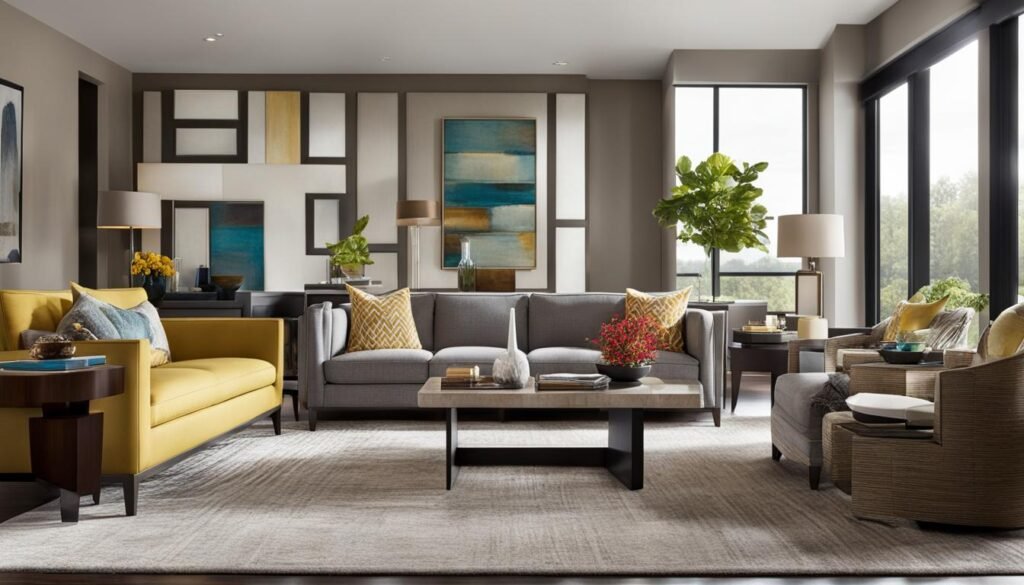
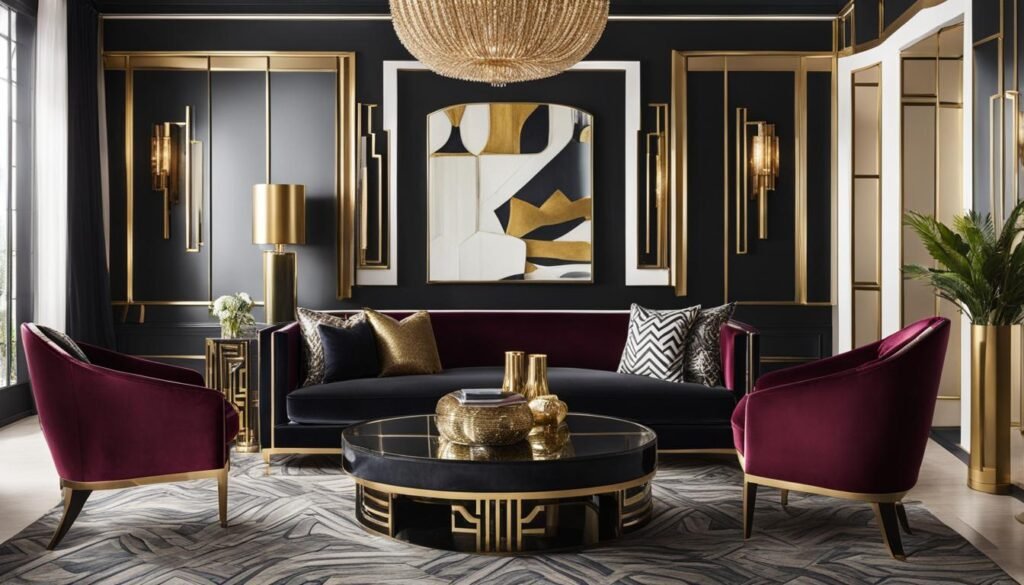
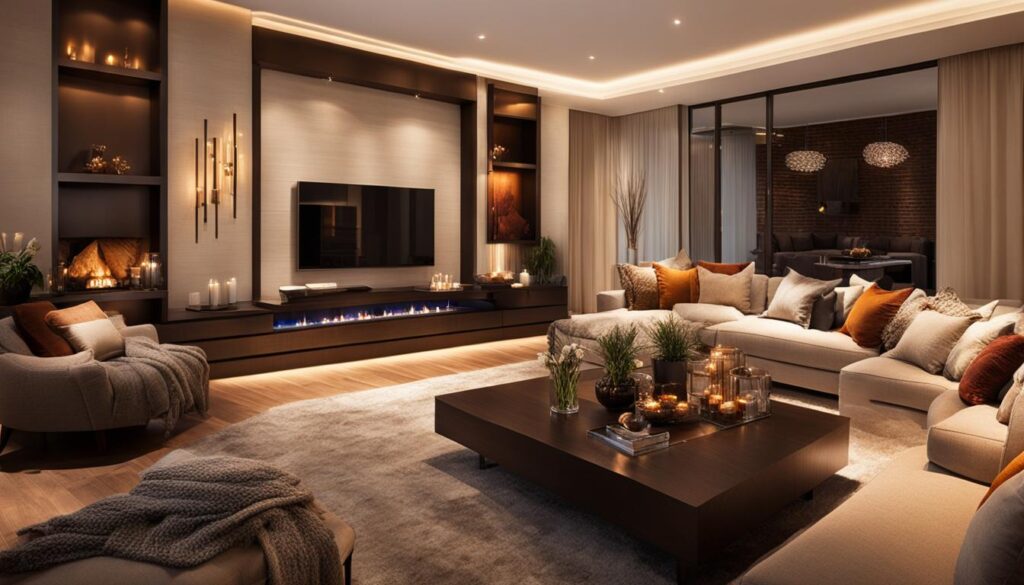
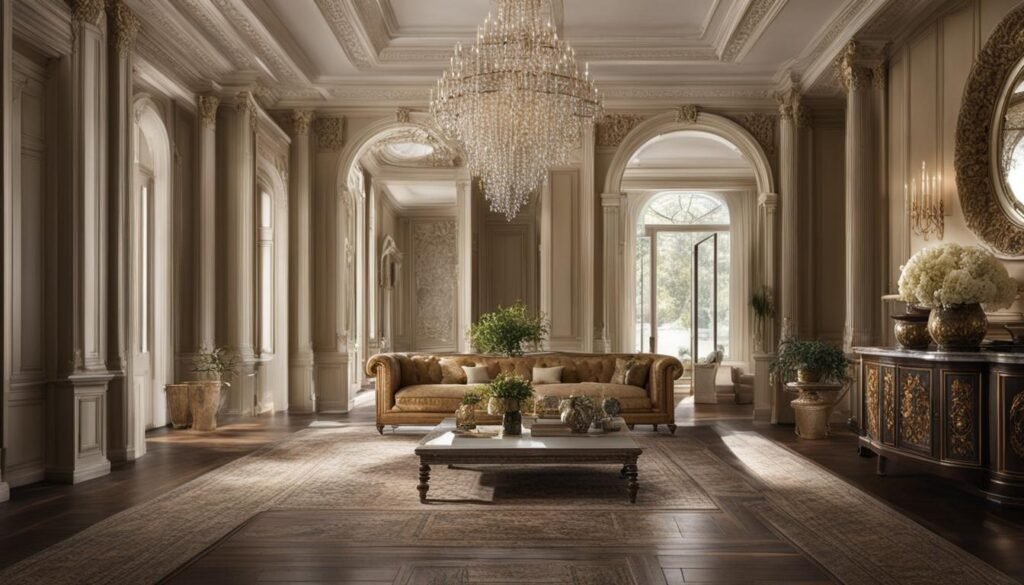
As we approach 2024, my anticipation for the emerging interior design style trends is shared by many in the United States. What’s new in interior design, you might ask? Well, the movement is towards intimate and artisanal spaces that reflect both personal identity and a broader cultural tapestry. Influences pouring in from top home trends and house beautiful design trends are charting a course that values both the past and the future, where today’s decorating trends honor handmade craftsmanship and sustainable living.
Industry insiders and aficionados, including renowned voices from ELLE DECOR A-List and foresight experts at WGSN, enlighten us about a shift in focus to often-overlooked spaces such as hallways and utility rooms. As you wonder what is the next interior design trend, imagine these spaces wrapped in textured wall finishes that invite touch and interaction, a turn from the high-gloss finishes of yesteryears to a more tactile experience. Furthermore, color trends see a renaissance of earthy hues, as surveyed by 1stDibs, imbuing our homes with a grounded sensibility that resonates with both well-being and style.
Allow me to take you through the intangible to the tangible aspects of interior design that will define our home aesthetics in 2024. These are not just spaces to reside in but environments that tell our story through layers of texture, color, and technology, all of which play a leading role in the narrative of next year’s trends. So, let’s dive into the world of design that awaits us.
Key Takeaways
- Expect to see a pivot towards eco-friendly and handmade design elements.
- Textural intrigue will take center stage with natural finishes in lead roles.
- Color palettes are warming up, as brown shades make a prominent comeback.
- Technological advancements will merge with design aesthetics for smart living.
- Personalization and bespoke craftsmanship reign, adding uniqueness to spaces.
- Bold patterns and organic shapes will break the monotony of traditional interiors.
Embracing Natural Textures and Materials
As we delve deeper into the myriad of modern interior design styles, my fascination continues to grow with the shift towards more authentic, tactile experiences within our living spaces. The year 2024 heralds a pivotal change that sees the emergence of texture in interior design taking a front seat, reshaping what we consider luxurious and aesthetically pleasing. The integration of natural elements and textures isn’t just about looks; it’s a conscious effort to imbue sustainable luxury into our homes.
Rise of Eco-Friendly Design Choices
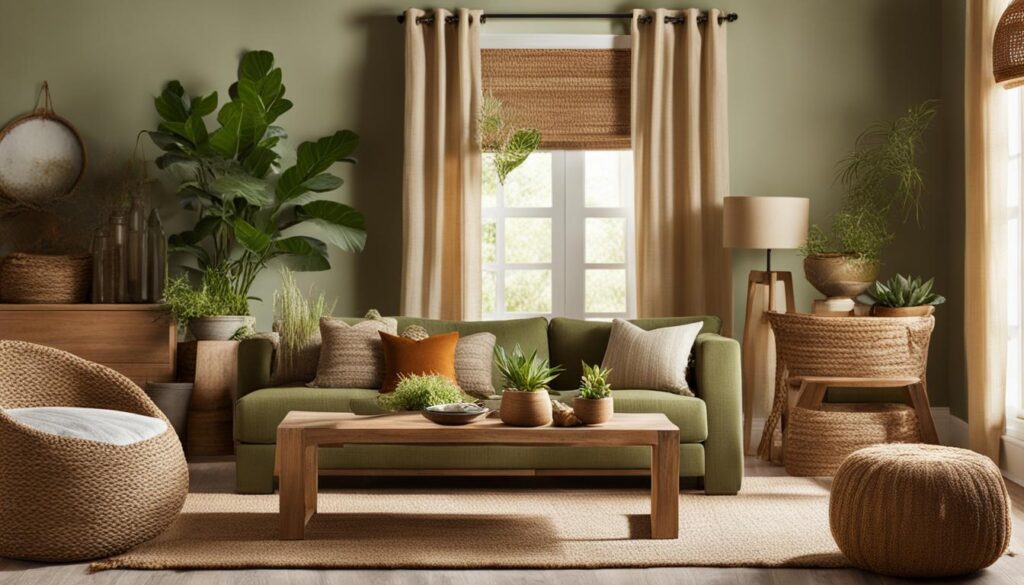
No longer can interior design be divorced from ecological considerations. As a professional deeply entrenched in the field, I witness daily the uplifting surge in eco-friendly design choices. From the materials we select to the practices we endorse, every detail now incorporates an awareness of its environmental impact. Bamboo flooring and reclaimed wood pieces are just the beginning of this green revolution permeating our living environments.
Incorporation of Organic Shapes into Interiors
Organic shapes and forms are weaving their way into the fabrics of our homes, making spaces feel more fluid and natural. Eco-conscious consumers are increasingly drawn to the sinuous lines and soft curves found in furniture designs, fixtures, and architectural elements. This move towards organic forms is not just a stylistic choice, but a reflection of an innate desire for a connection to nature within our domestic sanctuaries.
The Texture Renaissance: Beyond Paint and Wallpaper
The renaissance of texture is a thrilling chapter in the evolution of interior design styles. It represents a shift away from the impersonal, slick surfaces of yesteryears. Geometrical patterns carved into wood, stone tactile finishes, and the interplay of shadow and light on brushed surfaces add a touchable quality that transforms rooms into experiences. It’s a move that champions authenticity and sensuality, in contrast to the sterile perfection of the past.
In sum, our homes are becoming more than just visual backdrops; they’re tactile landscapes that welcome touch, celebrate the earth, and embrace the beauty of imperfection. This move towards eco-friendly design and rich textures embodies a new definition of what modern luxury means in our lives.
Redefining Neutrals: A Turn Towards Earthy Tones
As we delve into the heart of 2024’s design narratives, I’ve witnessed an unmistakable shift within the trending home decor styles. There’s a palpable move away from the cool detachment of grays, ushering in an era where neutral interior colors are warm and imbued with the richness of nature’s palette. It’s clear that the latest trends in home decorating are all about embracing the understated elegance of earthy interior tones.
My recent interactions with leading interior designers reveal a unanimous inclination towards hues like deep umbers, soothing terra cottas, and sun-kissed ochres. These shades are not just colors but experiences—each one evoking a sense of comfort and nostalgia, a throwback to the iconic ’70s, yet with a polished modernity that speaks to today’s sensibilities.
- Rich, warm browns as a new foundation for neutral design schemes
- Muted yellows offering a subtle brightness in living spaces
- Light browns that provide a soft backdrop, complementing bolder accents
In my exploration of materials, I’ve discovered a delightful synergy with this color direction. The trend champions materials like natural wools, which inherently carry warmth, both tactilely and visually. In introspection, it’s not merely a color or a material—it’s the embodiment of a lifestyle that beckons back to earthiness and authenticity in decor.
Artisanal Touches and Bespoke Craftsmanship
As the calendar flips to 2024, I find myself increasingly captivated by the enduring elegance of trending decorations steeped in bespoke craftsmanship in interior design. Distinct from the charm of mass-produced items, the soul-stirring appeal of handmade home furnishings is undeniable. It is these one-of-a-kind interior design elements that imbue a space with true personality—each artisanal creation tells its own story.
With an eye on the latest shifts in home aesthetics, I’m all too keen to embrace a decor strategy that reflects both authenticity and personal taste. The intimate process of sourcing and selecting pieces that resonate on a deeply individual level is not merely decorative—it’s a statement of one’s life narrative.
The Allure of Handmade and Custom Furniture
In traversing the realm of interior trends, I’ve observed a growing reverence for the tactile and tangible charm that accompanies handcrafted furniture—a testament to human artistry and timeless technique. Whether it’s a masterfully turned leg of a coffee table or the intricate grain of a custom bookshelf, these pieces are touchstones of tradition and modernity intertwined.
One-of-a-Kind Decor: Personalization in Design
For those of us who herald our homes as our personal sanctuaries, the allure of custom-tailored decor cannot be overstated. The privilege of partaking in the creation process, from the initial design concept to the selection of materials, offers an unparalleled opportunity for expression—in my home, every choice initiates a dialogue between my identity and the surrounding space.
Vintage textiles provide a vibrant splash of history on a contemporary backdrop. Ceramic tiles, unique in their glaze and etchings, become expressive canvases across the floors and walls of kitchens and baths, each tile a testament to the talent behind its creation.
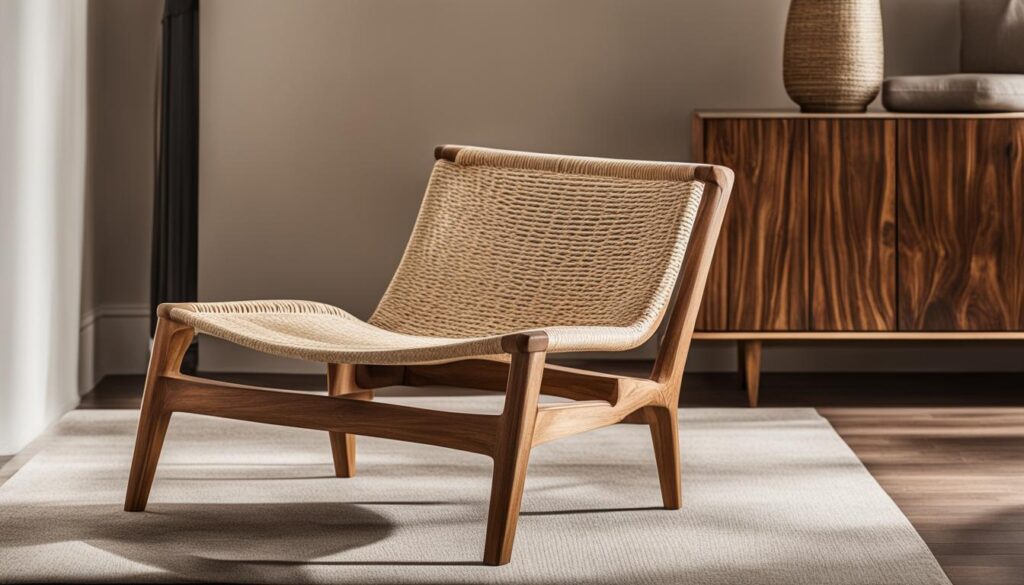
In the grand tapestry of interior adornment, it is the bespoke element that elevates a dwelling to a home; a space that is both intimately familiar and endlessly inspiring. As I continue my quest for selections that resonate on a personal and aesthetic level, I hold steadfast to the belief that the investment in handcrafted elegance is not merely an indulgence—it’s a celebration of uniqueness, ensuring our living spaces are as extraordinary as the lives we lead within them.
Spaces with Character: Bold Patterns and Rich Colors
As I delve into the up and coming home decor trends, it’s undeniable that interior design color trends are confidently striding towards a palette of bold interior colors and rich interior patterns. The desire for spaces that reflect personality and verve is potent within the fabric of contemporary design. The popularity of ‘dopamine décor’ has surged, illustrating a growing penchant for interiors that not only catch the eye but evoke a sense of joy and contentment.
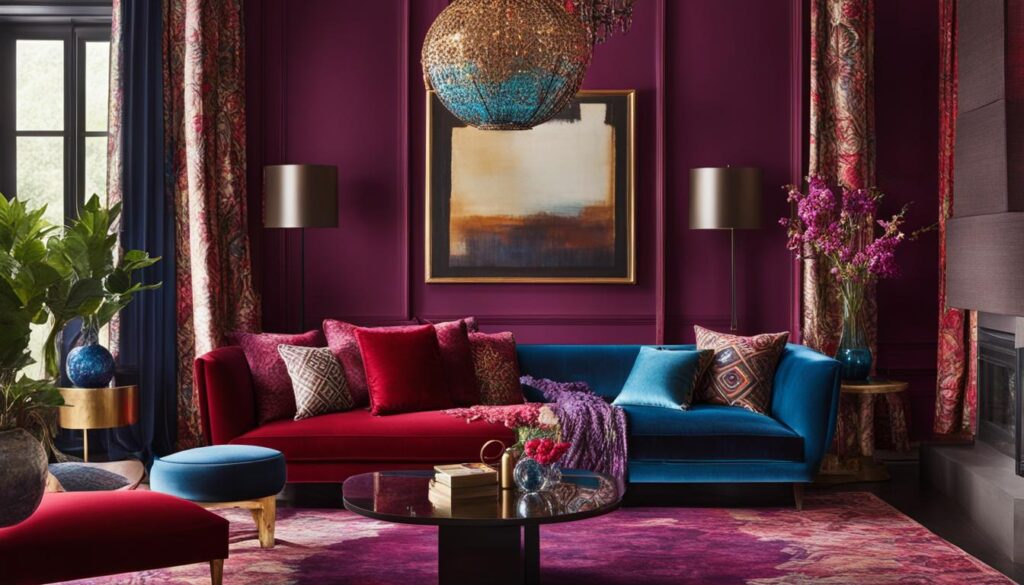
My exploration has revealed a fascinating blend where popular design aesthetics of the past interplay with the bold advances of the present. There is a tasteful synergy between mid-century modern forms and the audacity of today’s color choices. This harmony has given rise to living spaces that are both nostalgic and forward-thinking.
Enthusiasts of interior design are increasingly drawn to environments that are not just visually stimulating but also deeply engaging. The following elements define the spirit of this movement:
- Vibrant color schemes that infuse living spaces with energy and warmth.
- Whimsical patterns that dare to challenge the mundane and spark creativity.
- Historical design elements reimagined to fit within a bold contemporary narrative.
- Textures and layers that add depth to the visual story of a room.
The alchemy of these components has culminated in environments that are emblematic of vivacity and charm. Through this lens, I can foresee interiors that not only reflect current tastes but also set the stage for future trends, remaining ever-relevant in the dynamic world of home decor.
The Evolution of Smart Home Integration
As I explore the unfolding landscape of emerging interior design trends in 2024, it becomes evident that smart home integration stands at the forefront of sophistication and practicality. The enchanting dance between technology in interior design and the longing for aesthetic finesse has birthed devices that merge chic tech solutions with utmost functionality. With a discerning eye, I have noticed that homeowners are embracing this era’s functional home design, where convenience meets stylish living.
Technology Meets Aesthetics: Seamless and Chic Solutions
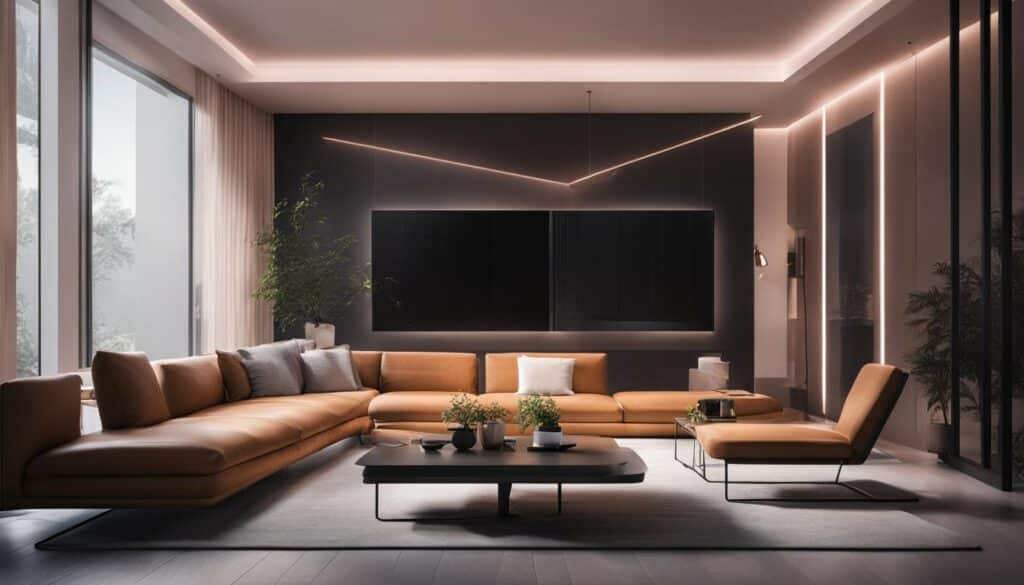
The smart home revolution has redefined the standard for interior living spaces, curating environments where technology enhances both the form and the functionality of a room. I’ve observed a surge in sleek, invisible tech options, such as embedded speakers and paneled lighting systems, that synchronize effortlessly with a room’s decor. This meticulous concealment of technological elements ensures that my living space maintains an uncluttered, seamless aesthetic while being at the cusp of innovation.
Save this article
Enter your email and we'll send it straight to your inbox.
Smart Home Features That Elevate Design and Functionality
My journey into the heart of modern interior design has shown that the allure of smart home features extends beyond their novelty. These systems, once considered luxuries, have now become essentials, elegantly woven into the fabric of everyday life. Voice-activated lighting schemes adapt to the time of day, setting a mood that complements the visual dynamic of my home, while AI-driven thermostats adjust room temperatures preemptively, offering a quality of living that embodies both comfort and efficiency.
- Intuitive climate control systems that respond to real-time weather changes
- Voice-controlled multimedia centers that become the showpiece of entertainment rooms
- Advanced security systems that offer peace of mind through facial recognition technology
In conclusion, the integration of technology into home design has not only revolutionized the way I interact with my living environment, it has also redefined the essence of contemporary interior aesthetics and functionality. As smart home integration continues to evolve, it remains clear that the future is one where technology and design exist in beautiful symbiosis.
The Return of Vintage: Historical References Reimagined
As a journalist deeply engrossed in the ebb and flow of interior design trends, I’ve witnessed firsthand the fascinating resurgence of timeless interior design styles. There’s something incredibly alluring about the rebirth of vintage trends in decor, where the past is not only preserved but injected with new life for today’s living spaces. It is as if we are engaging in a dialogue between generations, with each dot and line of classical design in modern settings telling a rich story of origins, transformations, and continuity.
Modern Interpretations of Classical Motifs
In my exploration of this trend, the modern reinterpretations of regal patterns and ancient aesthetics create a narrative thread that connects the lineage of design from its historical roots to current expressions. From the ornate scrolls on a neoclassical console to the sleek reinvention of Chesterfield sofas, it’s evident that the past’s grandeur is not forgotten but re-envisioned to align with our contemporary lives.
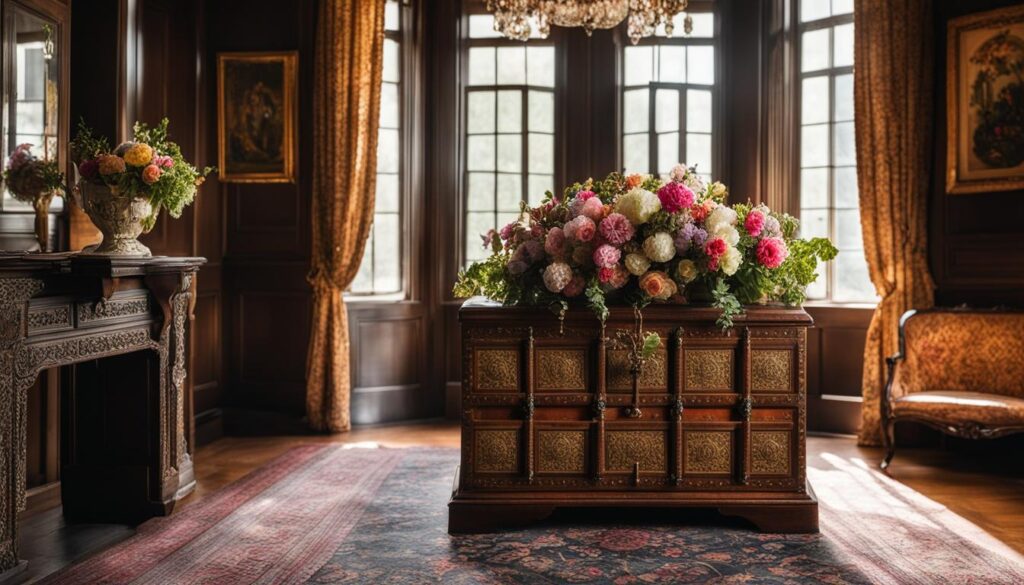
Blending Timelessly Elegant Elements with Current Designs
The art of weaving historical design references with present-day functionality can be likened to a curator skillfully piecing together a mosaic. The various textures and motifs of bygone eras aren’t mere relics; they are inspirations that, when meticulously integrated into today’s designs, offer a warmth and sophistication that is both enduring and adaptable to the ebb and flow of lifestyle necessities.
- Revival of Art Deco’s geometric patterns in modern wallpapers and textiles.
- Gothic arches transform into sleek shelving and mirror frames for urban lofts.
- Victorian floral prints reborn in bold, contemporary colorways for accent pieces.
I find the juxtaposition of old-world charm with modern demands a testament to the versatility and timeless appeal of design elements that have stood the test of time. The embrace of vintage does not imply a return to erstwhile ways of living but affirms a willingness to honor the past while innovating for the future.
Interior Design Style Trends: From Minimalist to Maximalist Aesthetics
The year 2024 marks a pivotal moment in interior design, where the juxtaposition of minimalist design trends and maximalist interiors define the aesthetic spectrum. As a seasoned design enthusiast, I’ve witnessed the ebb and flow of various styles, but the current wave of contemporary interior design trends is truly captivating.
Minimalist interiors continue to speak volumes with their tranquil spaciousness and intentional decor. It’s a world where each item serves a purpose, creating environments that encapsulate zen-like repose and clarity. The ethos of ‘less is more’ triumphs, ensuring every piece of furniture and decor aligns with a grander vision of trending home decor styles aimed at fostering peaceful, thoughtful living spaces.
Conversely, maximalist spaces are unapologetically embracing layers of textures, colors, and patterns. Such interiors are akin to visual poetry, a narrative of personal history fashioned through eclectic curios and vibrant artistry. The maximalist approach isn’t just about abundance; it’s about the deliberate curation of diversity, telling a unique story in every corner.
- Minimalist Trends:
- Sleek and functional furniture
- Neutral color palettes
- Accent with purpose and restraint
- Maximalist Trends:
- Rich, multi-layered textures
- Experimental color combinations
- Collective mix of global decor elements
Whether one gravitates towards the minimalist serenity or the maximalist ensemble, both styles offer a wealth of inspiration for crafting a space that resonates with individuality and comfort. As the tides of design shift, embracing this dynamic range allows for a personalized retreat reflective of one’s essence and experiences.
Fusion of Indoors and Outdoors: Blurring the Lines
In my perspective as an industry insider, there’s a palpable shift in 2024’s interior design methodologies that’s hard to ignore. Homes are no longer sanctuaries within four walls; they’ve grown to encompass the beauty and essence of the outdoors. I’ve observed a significant adoption of biophilic design in interiors—a philosophy that advocates for human connection to nature, leveraging its restorative effects. As natural lighting bathes interior spaces and plant life becomes an integral design feature, personal abodes transform into tranquil oases that mirror the serenity of the great outdoors.
Bringing the Outside In: Natural Light and Plant Life
My conversations with visionaries in this field have reinforced that a home saturated with sunlight and lush greenery is not just visually appealing, but also health-promoting. The incorporation of skylights and expansive windows ensures that natural lighting is maximized, enhancing mood and energy levels. The strategic placement of foliage and living walls contribute to not only aesthetic value but improved air quality as well, proving that plant-life integration is more than a mere trend—it’s a lifestyle shift.
Seamless Transitions: Creating Continuity Between Spaces
Another facet I can’t help but admire is the seamless continuity between indoor and outdoor spaces. The deliberate use of materials, color palettes, and textures that flow from interiors to exteriors generates a cohesive living experience. From my observations, this continuity fosters a sense of freedom and expansiveness, effectively dissolving the traditional boundaries of confined living spaces. In this year, continuity between indoor and outdoor spaces isn’t just a design preference, it’s a blueprint for holistic living.
FAQ
What are the top interior design style trends for 2024?
The 2024 interior design style trends gravitate towards embracing natural textures and materials, with a strong influence of eco-friendly and sustainable design choices, redefined earthy neutrals, and artisanal touches. Spaces are defined by bold patterns, rich colors, and the seamless smart home integration that marries technology with aesthetics. Vintage elements reimagined in a contemporary context, as well as the blend of both minimalist and maximalist aesthetics, round up the major trends for the year.
What’s new in interior design regarding natural textures?
The newest trend in natural textures focuses on the use of sustainable materials like bamboo and reclaimed wood. The texture renaissance is seen in textured wall finishes such as limewash, Roman clay, geometrical patterns in wood and stone, and dynamic surfaces that add tactile dimensionality to living spaces.
How is eco-friendly design being incorporated in 2024 tendencies?
Eco-friendly design in 2024 is being incorporated through the choice of sustainable materials, organic shapes, and an overall design philosophy that minimizes environmental impact. Consumers are looking for products and designs such as bamboo flooring and furniture made from recycled materials, reflecting an increased awareness of sustainability in home decor.
What defines the texture renaissance in interior decor?
Moving beyond conventional paint and wallpaper, the texture renaissance in interior design is about creating touchable dimensionality with materials and finishes. This includes varied wall finishes, geometrical patterns, brushed finishes, and the integration of tactile surfaces that offer a rich sensory experience.
What are the trending home decor styles in terms of color?
The trending home decor styles for color involve a turn towards earthy tones, with a rise in popularity of warm browns, yellows, and light browns. There’s a notable shift away from gray hues toward a palette that pays homage to the natural world and the cozy nostalgia of the ’70s, yet fits within a modern context.
Why is bespoke craftsmanship gaining attention in modern interiors?
Bespoke craftsmanship is gaining attention because there is an increased appreciation for unique, hand-crafted items that tell a story and reflect personal style. Items such as ceramic tiles, vintage textiles, and custom furniture are sought after for their artisanal quality and the distinctiveness they bring to a space.
Can you explain the appeal of bold interior colors and rich patterns?
Bold interior colors and rich patterns are part of the ‘dopamine décor’ trend, aiming to create spaces that evoke joy and happiness. The appeal lies in the use of vivid colors, whimsical patterns, and the blend of modern and historic design elements that make spaces vibrant and inviting.
How are smart home features influencing interior design in 2024?
Smart home features are influencing interior design by becoming more artfully integrated within living spaces. The aesthetics and functionality of tech solutions are being thoughtfully considered to ensure that smart features provide convenience and efficiency while also complementing the overall design themes within modern homes.
What makes vintage trends in decor relevant for contemporary interiors?
Vintage trends in decor are relevant for contemporary interiors because they offer historical charm with a modern twist, satisfying a desire for nostalgia while meeting the needs of today’s lifestyles. The reimagining of vintage styles within contemporary contexts lets historical references coexist with modern functionality and aesthetics.
How is the fusion of indoor and outdoor living areas being achieved in modern homes?
The fusion of indoor and outdoor living areas is achieved by maximizing natural light, incorporating plant life, and using materials that enhance the connection with nature. Design elements such as large windows, skylights, living walls, and eco-friendly materials help create a seamless transition and continuity between indoor and outdoor spaces. This design approach aligns with the biophilic principle, promoting health and well-being through close contact with natural elements.
Save this article
We'll email you the link so you can find it again later.