As an ardent admirer of the quintessentially American Shaker house style, I’ve been captivated by the serene and unassuming beauty that these shaker homes emanate. Their minimalist shaker interiors are a study in the art of subtraction—where every line, joint, and curve is considered for its function and form. I believe that shaker style homes, with their profound simplicity and expert craftsmanship, represent an ideal of living space where less truly is more.
Shaker interior design is not merely a visual theme; it’s a philosophy that speaks to a deeper yearning for balance and harmony in our surroundings. Infused with the soulful shaker simplicity and a rooted shaker aesthetic, these dwellings illustrate how the principles of shaker design style can create environments that are both practical and deeply peaceful. There is a timeless appeal to shaker style interior design, and I’ve witnessed its elements bring forth an understated elegance to modern living.
From the warm embrace of a kitchen adorned with shaker inspired home decor to the calming bedrooms defined by clear lines and muted hues, the shaker design style is as relevant today as ever. The ethos behind shaker homes lies in the belief that beauty should be functional, and everything constructed should be made to endure. Join me as I delve deeper into the world of minimalist shaker interiors, where beauty is manifested through purity and impeccable craftsmanship.
Key Takeaways
- Shaker house style offers a streamlined and uncluttered aesthetic rooted in American history.
- Functionality and quality craftsmanship reign supreme in shaker style homes.
- The minimalist nature of shaker interior design aligns with modern tastes for clean and serene spaces.
- Durable materials and fine woodworking are hallmarks of the shaker design style.
- Shaker inspired home decor can seamlessly integrate into contemporary living environments without losing its traditional essence.
- The principles of shaker simplicity and shaker aesthetic lend themselves to a lifestyle of intentionality and tranquility.
Understanding Shaker House Style and Its Historical Roots
As a professional journalist with an interest in historical architectural styles, I find the Shaker style particularly intriguing. Originating from the religious sect known as the Shakers, their approach to design was a direct reflection of their values—simplicity, functionality, and craftsmanship. This straightforward yet elegant ethos has left a distinct mark on American culture, particularly evident in what we now refer to as Shaker architecture.
In the late 18th century, the Shakers established themselves with homes that eschewed ornamental excess in favor of clean lines and quality construction. Their traditional shaker homes and furniture pieces were revered for not just their aesthetic appeal, but for their lasting durability and practicality as well.

When I delve into the shaker design principles, I’m struck by their modern-day relevance. The principles that characterized their homes—efficiency, sturdiness and understated beauty—are principles I see celebrated in contemporary design trends.
- Use of natural materials such as hardwoods preserves the tactile quality of Shaker creations.
- The emphasis on muted colors helps maintain focus on the craftsmanship and form.
- Geometrical shapes offer a simplistic yet structured visual harmony.
Today’s interest in Shaker-style homes demonstrates an appreciation for their historical roots and design philosophy. Whether through an elegant Shaker-inspired chair or the architectural lines of a home, the Shaker legacy continues to influence modern living, fulfilling a collective yearning for quality, meaningful design that lasts.
Key Elements of Shaker House Style Architecture
As I delve into the hallmark traits of minimalist shaker style, it’s the embodiment of a design that favors functionality without foregoing beauty. Structurally, shaker-style architecture is evident in every inch of the shaker style house exterior, with its classic, clean lines forming the backdrop of simplicity that has stood the test of time.
Minimalist Aesthetic of Shaker Design
At the core of the Shaker design is a minimalist aesthetic that prioritizes uncluttered spaces, allowing the structural elements themselves to stand out in their understated elegance. Shaker design elements are a testament to this principle, where the straightforward form with a hinge of gentle curves contributes to an overall aura of tranquility and grace.

The use of a simple rectangular shape with an interior inset defines the archetypal Shaker-inspired interiors, reflecting a clear, no-frills approach that feels both historic and relevant in today’s homes.
Shaker Craftsmanship and Durability
The conversation around Shaker craftsmanship is incomplete without acknowledging the meticulous construction and quality that shaker furniture is known for. Crafted from the finest hardwoods and built to endure, these timeless pieces reveal the high value placed on durability within the Shaker tradition.
It’s these trademarks of solid construction—exemplified by strong joints and finished surfaces—that highlight durable shaker design. They point to a heritage of creating furniture meant not just for use but for legacy.
Modern Adaptations of Traditional Shaker Homes
Modern shaker architecture is an evolution, adapting the quintessential features of tradition to the rhythms of contemporary life. Present-day shaker style house exteriors merge classical lines with modern materials, presenting an aesthetic that speaks both of history and of the moment.
Interiorly, the essence of Shaker design is retained in the form of shaker-inspired furnishings and layouts. These adapt seamlessly to modern sensibilities, maintaining the balance of minimalist appeal and 21st-century functionality. The adaptability of such interiors celebrates a design philosophy that is unbound by time, characterized by a fluidity that moves with effortless grace between eras.
Shaker Interior Design: Blending Functionality with Simplicity
Admiring the essence of shaker-style interior design transports me to a realm where every object holds meaning and deliberately serves its purpose. I constantly find myself marveling at how the Shakers infused practicality into every aspect of their interiors without sacrificing elegance. Known for its purity, the shaker decorating style advocates for a clutter-free environment that echoes the sect’s ideology: that true beauty resides in utility.
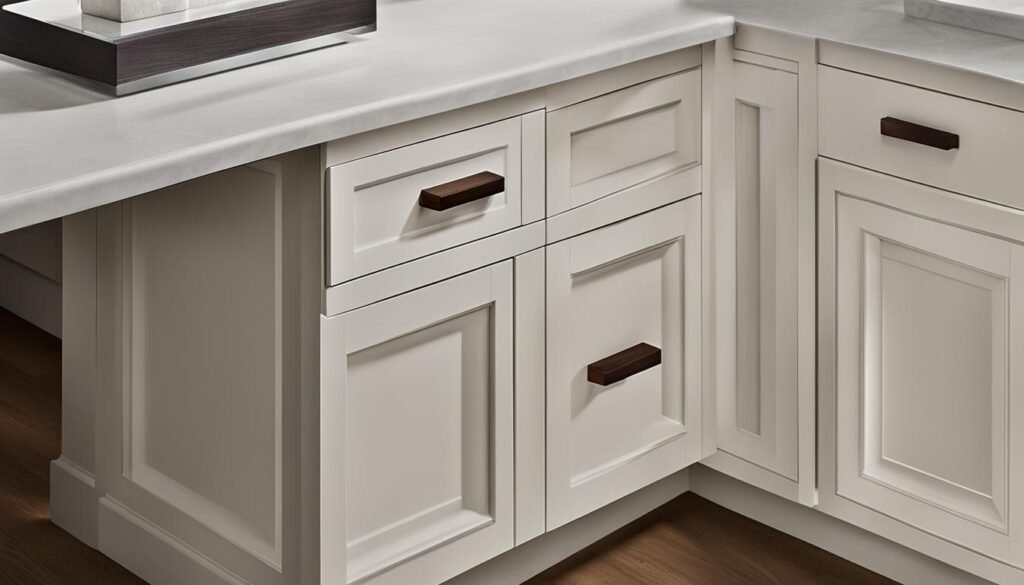
When I examine a shaker house interior, my attention is immediately drawn to the simplistic yet bold geometric forms. Cabinetry, with its recessed panels, and furnishings speak of a design philosophy that prioritizes tranquility and freedom of movement within a space. The visual quietude of a neutral color palette further instills calmness, transforming living spaces into sanctuaries that rebuff the chaos of the external world.
Save this article
Enter your email and we'll send it straight to your inbox.
- Subtle elegance resides in the lack of protruding hardware—a hallmark of the style.
- Shelving systems, innovative in their adaptability, accommodate possessions delicately, avoiding any hint of disorder.
- The strategic use of space, intrinsically practical in layout, allows for a seamless blend of form and function.
In my journey as a designer, I have embraced these elements, allowing me to create spaces that resonate with the Shakers’ vision. The understanding that every object and finish should contribute to an overall sense of peace and purpose is a challenge I relish. Whether working with expansive or compact spaces, the shaker ethos guides my approach, ensuring that the interiors I craft are not merely habitats but rather sanctuaries that elevate the art of living to its highest form.
Shaker House Style in Contemporary Living Spaces
As a journalist entrenched in design evolution, I’ve observed how modern shaker architecture has made a significant impact on home aesthetics. The allure of minimalist shaker interiors has not waned but instead has thrived amid modern sensibilities. The foundations of Shaker style—unpretentious, purposeful, and timelessly elegant—now merge seamlessly with contemporary elements, demonstrating adaptability and an enduring appreciation from a design-savvy demographic.
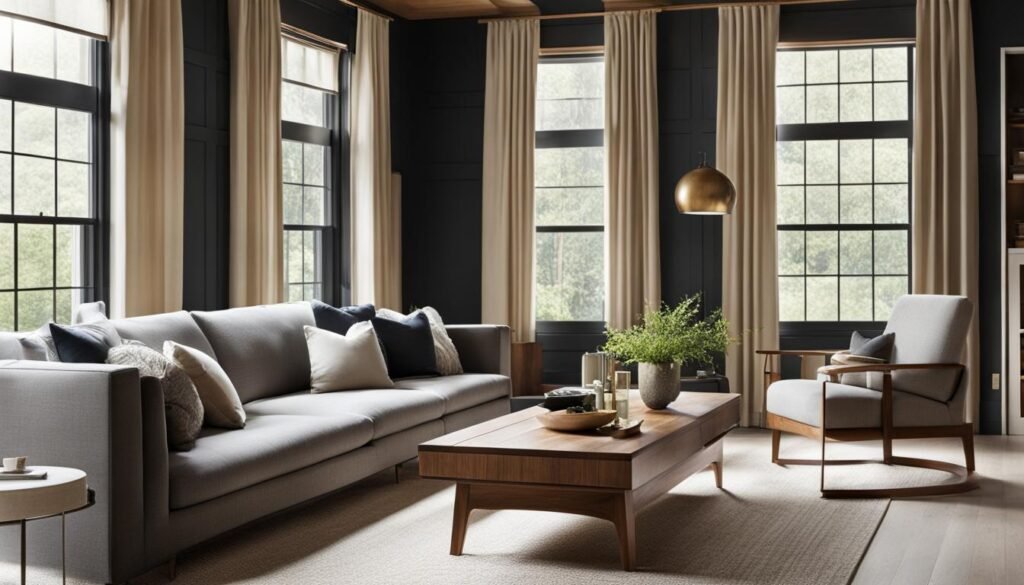
Today, you’d find shaker design style elements woven throughout urban lofts and suburban dwellings alike. The clean lines and natural materials championed by traditional Shaker style have been reimagined in today’s interiors. Modern updates integrate sleek elements such as stainless steel accents and glass tabletops, paired with the rich textures of Shaker woodwork. It’s a blend that respects history while embracing the future.
Perhaps the most profound aspect of Shaker influence is in furniture design. The legacy of Shaker furniture influence endures in pieces that boast both handcrafted detail and minimalistic design. These furniture items serve as focal points in a room, exuding both charm and functional simplicity—the hallmarks of Shaker style.
- Understated Elegance: The simplicity of the furniture makes a bold statement without overwhelming the space.
- Versatility: Whether it’s a rich walnut dining table or a painted bookshelf, Shaker-inspired pieces fit a diverse array of design schemes.
- Functionality: Built with practicality in mind, these pieces offer storage and comfort, keeping living spaces clutter-free and comfortable.
The adoption of Shaker style in contemporary interiors is a testament to the enduring vision of the Shakers. Their commitment to simplicity, quality, and utility remains a touchstone in design, proving once more that true style is timeless.
Conclusion
In my exploration of the Shaker house style, I’ve been continually struck by the enduring influence of Shaker simplicity and timeless Shaker craftsmanship. The sheer beauty and functionality forged by this distinctive aesthetic illuminate the potency of minimalist design principles. Even as a seasoned observer and chronicler of architectural movements, the persistence of the Shaker style’s relevance amazes me—a testament to the profound comprehension of space and utility by its creators.
The Shaker aesthetic has not merely survived; it has thrived, expanding its reach beyond the confines of historic homes into the modern era, seamlessly blending with contemporary lifestyles. No matter how diverse the design trends become, the fundamental Shaker design principles of honesty in construction, practicality, and beauty remain invaluable. My journey through the corridors of these homes has only deepened my appreciation for the Shakers’ vision, which crafted an environment that speaks to both the past and the present.
As I conclude this piece, it is clear that Shaker house style is far more than a mere echo from a bygone era. It is a living, breathing aesthetic philosophy that continues to shape how we build, furnish, and perceive our living spaces. Embracing a simpler, more intentional way of living, the Shaker legacy endures, promising a serene and structured habitat. For those of us who champion the union of form and function without the unnecessary excess, the Shaker tradition remains an inspiration. Its influence will undoubtedly persist, guiding the hands of future designers and homeowners alike.
FAQ
What defines the Shaker house style?
The Shaker house style is defined by its minimalist aesthetic, intentional simplicity, and impeccable craftsmanship. It focuses on functionality and eschews unnecessary ornamentation, valuing quality, durability, and clean lines. This style is exemplified in everything from the architecture of Shaker homes to their interior designs and furnishings.
How did Shaker house style originate?
The Shaker house style originated from the religious group known as the United Society of Believers in Christ’s Second Appearing, or the Shakers. Immigrating to the United States in the late 18th century, the Shakers built homes, furniture, and communities that reflected their values of simplicity, utility, and honesty. These values became the foundation for the Shaker style, influencing future design principles deeply rooted in minimalism and function.
What are the key elements of Shaker style architecture?
Shaker style architecture is characterized by its minimalist aesthetic, strong attention to detail, and durable construction. Key elements include clean lines, uncluttered spaces, a propensity for natural light, and the use of natural materials like wood. Traditional Shaker homes often feature a simple, rectangular shape with symmetrically placed windows and doors, and an emphasis on practicality over decoration.
How are modern adaptations of Shaker style homes different from traditional ones?
Modern adaptations of Shaker style homes maintain the minimalist and functional design but often incorporate contemporary materials and technologies. While traditional Shaker homes were predominantly wooden, modern versions may include elements like steel, glass, and sustainable materials. They are also designed to accommodate modern lifestyles, providing more open spaces and integrating smart home features while still upholding the Shaker principles of simplicity and quality.
What is characteristic of Shaker interior design?
Shaker interior design is known for its understated elegance, absence of unnecessary embellishments, and focus on organization and clarity. Characteristic elements include flat-paneled doors with rails and stiles, tapered legs on furniture, wood floors, and a neutral color palette. Interiors are designed to be highly functional, featuring built-in shelving and cabinetry that adhere to the Shaker philosophy of “a place for everything and everything in its place.”
How is Shaker house style integrated into contemporary living spaces?
Shaker house style is integrated into contemporary living spaces through a thoughtful blend of traditional Shaker elements with modern design trends. Minimalist Shaker furniture pairs well with contemporary decor pieces, and the serene Shaker palette can serve as a backdrop for bolder, modern color splashes. Sustainability and functionality remain key, aligning with current lifestyle demands while respecting traditional Shaker craftsmanship.
Why is Shaker design still relevant in today’s homes?
Shaker design remains relevant due to its timeless approach to minimalism and its focus on quality craftsmanship. As contemporary living shifts towards more sustainable and simplified lifestyles, the Shaker ethos of functionality, durability, and simple beauty harmonizes with these ideals. The flexibility of Shaker design to adapt to modern sensibilities while providing a serene and organized living space makes it an enduring choice.
Save this article
We'll email you the link so you can find it again later.