Embarking on a room makeover is an exciting challenge that holds the power to completely transform a living space. When I approach home decor, my goal is to infuse spaces with personality and style, ensuring that every element aligns cohesively for a truly bespoke atmosphere. Whether I’m brainstorming bedroom decorating ideas or modern room decor concepts for a living area, the journey begins with a deep dive into home decor inspiration.
How to decorate a room is an art form that balances creativity with practicality, and it’s my mission to guide you through each step. From selecting a color palette that sets the mood to choosing the right furniture and accents, I’ll share insights that can breathe new life into your rooms. If you’re gearing up for a living room decor overhaul or considering a fresh update to your bedroom, I’m here to help manifest your vision into modern room decor that reflects your unique taste.
Key Takeaways
- Starting with a solid plan can turn room makeover ideas into reality.
- Incorporating personal tastes is essential for creating a space that feels like home.
- Strategic furniture selection and placement enhance both comfort and aesthetics.
- Choosing the right color scheme is fundamental for setting the desired mood.
- Good lighting design can transform the ambience of any room.
- Regular maintenance ensures the longevity of your room’s new look.
Defining Your Room’s Aesthetic and Function
Embarking on the journey of decorating a new house starts with a key step that goes beyond just choosing a paint color or a sofa style. It requires diving deeply into personal style and ensuring that the room aesthetic aligns seamlessly with how the space will function in my daily life. While contemplating how to design room interiors, I recognize the importance of both form and function to create spaces that are not only beautiful but also thoroughly usable and comfortable for all who inhabit them.
Uncovering Personal Style Preferences
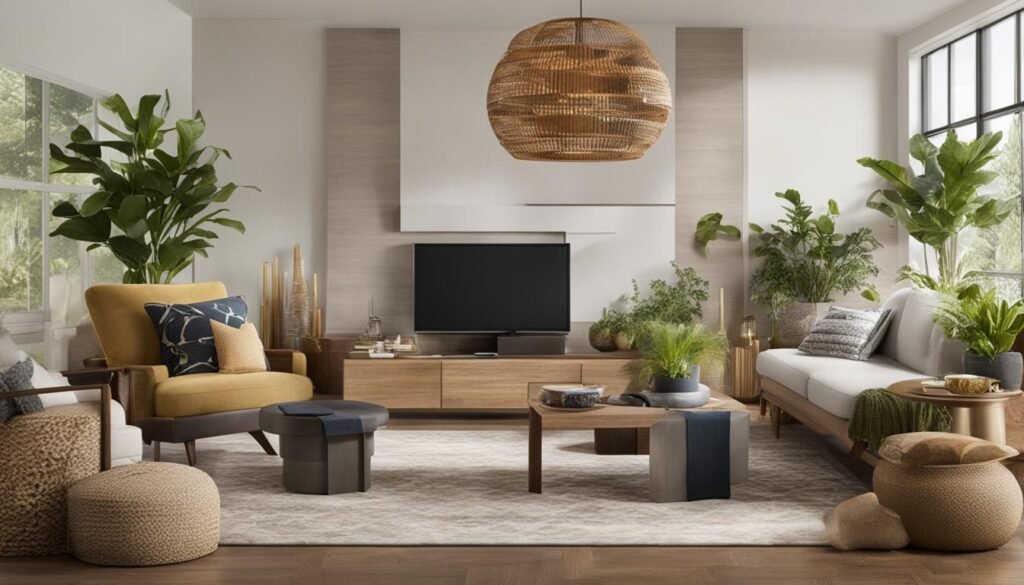
To generate a space that truly resonates with my personal style, I consider the array of aesthetics that are currently shaping the world of interior design. I feel drawn towards the soothing hues of the Danish Pastel Aesthetic, the structured charm of the Preppy Aesthetic, the rustic allure of Cottagecore, and the free-spirited essence of the Indie Aesthetic. These styles reflect not just current trends but also the diverse aspects of my own character and lifestyle. Thus, the challenge for me is to identify which of these aesthetics best encapsulates my vision for the room, and from there, how to begin weaving those themes into the fabric of my living space.
Catering to Your Space’s Unique Needs
Every room has a purpose, its own set of functions that dictate the practical elements that should be incorporated into the design. For example, in creating a multipurpose guest bedroom that will also serve as a home office, I must think strategically about the inclusion of a desk, ergonomic seating, and intelligent storage solutions. Similarly, when approaching a space such as a primary bathroom, I seek to embody a timeless style with materials and fixtures that not only cater to present-day use but also consider the potential for future resale value. This is how I like to approach the dilemma of where to start decorating a house, ensuring that every choice is intentional and rooted in both aesthetics and practicality.
- Explore different design trends that match my personality and lifestyle.
- Find practical yet stylish solutions for rooms with dual functions.
- Bear in mind future flexibility in room design for enhanced resale value.
In my quest for personal style through room aesthetics, I’ve come to appreciate the delicate balance between selecting decor that makes a statement and choosing functional pieces that stand the test of time. As I plan how to start decorating a new house, this awareness informs every decision, ensuring that my home is not only a reflection of my unique style but is also tailored to meet the specific demands of my everyday life.
Planning Your Decorating Project
As I embark on creating my home decorating plan, I learned that understanding the prerequisites of how to room design is fundamental. It’s not just about picking a color and starting to paint; it’s a meticulous process that needs a well-thought-out decorating plan. My aim is to transform spaces into personalized sanctuaries that resonate with my lifestyle and aesthetic preferences. To kick off, here’s a detailed chronicle of my approach to interior decorating planning.
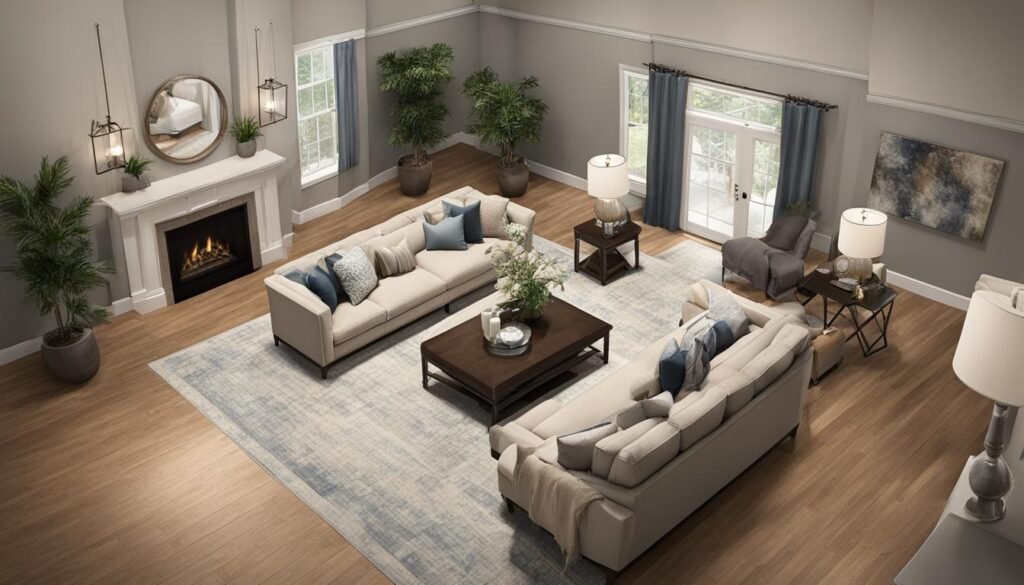
Assessing each room’s requirements is the first stride I take. It’s where I compose a list of necessities like proper seating, resilient flooring, and window treatments that align with the room’s function. For instance, a home office may require a chair that delivers comfort and support for those long hours, while a dining room would benefit from durable flooring to endure frequent foot traffic.
- Defining the room’s purpose: Before I pick up a brush or hammer, I perceive what activities will transpire in the space. This allows me to formulate a targeted interior decorating plan that not only looks good but serves its intended function gracefully.
- Establishing desired ambience: Whether yearning for a tranquil bedroom or an invigorated living area, the mood of the room is paramount. It sets the stage for selecting colors, textures, and lighting that together, weave the tapestry of the room’s atmosphere.
- Budgeting wisely: It’s easy to get swept away by beautiful designs, but I ensure that my plans align with my financial comfort zone. Creating a home decorating plan without breaking the bank is a challenge I relish.
To bring my interior decorating plan to life, I often create a mood board that captures the essence of my vision. It’s a collage of my inspiration, fabric samples, paint chips, and potential furniture that guides my project towards coherence. Alongside this, I sketch out floor plans and spatial arrangements to make sure everything fits like a glove before any commitments are made.
- Measuring spaces meticulously to avoid furniture mishaps.
- Gathering a fusion of inspiration to keep the creativity flowing.
- Creating mood boards to visualize the end result.
In summary, learning how to start decorating a room emerges from grounded planning and a clarity of vision. The road to a successful interior transformation is paved with practical needs meshed with personal aesthetics—this is the ethos of my home decorating plan.
Decluttering: The Critical First Step
When I ponder where to start when decorating a room, the unequivocal first step always points to decluttering. It’s akin to preparing a canvas before painting; it allows for a clear vision of the space and what can be achieved. Cleaning your room may seem like a daunting task, but it sets a solid foundation for any successful redecoration project.

My experience has taught me that decluttering is more than just tidying up; it’s about reevaluating my relationship with the objects around me, deciding what truly adds value to my life and what is simply occupying space without purpose.
Sorting and Organizing Belongings
- Starting with the clutter hotspots: Locations where items tend to accumulate over time, such as dressers, nightstands, or desks.
- Creating categories: Like with like, grouping items together to assess what I have and what I may no longer need.
- Making the tough calls: Deciding on what to keep, donate, or dispose of, keeping in mind not just personal attachment but the practicality and usefulness of each item.
Making Room for Your New Design
Once the space is cleared, I can truly begin to explore DIY room decor or pursue more complex redecoration strategies. The decluttering process often reveals the layout’s potential and even inspires creative ideas for new design elements.
- Reimagining storage solutions, such as vertical shelves or multi-functional furniture, to maintain a tidy space.
- Visualizing the placement of new items and DIY projects that will enhance the room’s aesthetics and functionality.
- Assessing the room’s flow and feeling invigorated by the newfound space, ready for the transformation to take place.
As I embark on how to redecorate a room, I’ve discovered the liberating feeling that comes from decluttering. It’s more than just a tip—it’s an indispensable step in the makeover journey that paves the way for reinvention and creativity.
Choosing a Color Palette to Set the Mood
As I delve into the nuanced world of interior design, my focus is on the powerful role that color plays in setting the perfect mood. A thoughtfully selected color scheme is more than just an aspect of aesthetic appeal; it’s a tool for mood setting colors, capable of evoking the right emotions for every corner of my living space. Let’s explore how we can harness the psychology of colors and select room colors for any interior space, especially when we’re decorating on a budget.
Understanding Color Psychology
Every shade in a palette has psychological connotations that subtly influence our mood and behavior. When I consider interior design ideas, I weigh the emotional impact each color can have. For instance, blue hues instill calmness, making them ideal for bedrooms, while energetic reds are stimulating and might fit well in a dining area or a creative workspace. It’s fascinating how I can set a desired emotional tone by picking the right colors.
Selecting Shades that Complement
Once familiar with the psychological impacts, the next step is choosing colors that complement not only each other but also the overall design aesthetic. I balance intense colors with more subdued neutrals. This helps create a cohesive look without overwhelming the senses. By testing paint samples in my home’s unique lighting, I can be sure that the colors I choose will harmonize beautifully day in and day out.
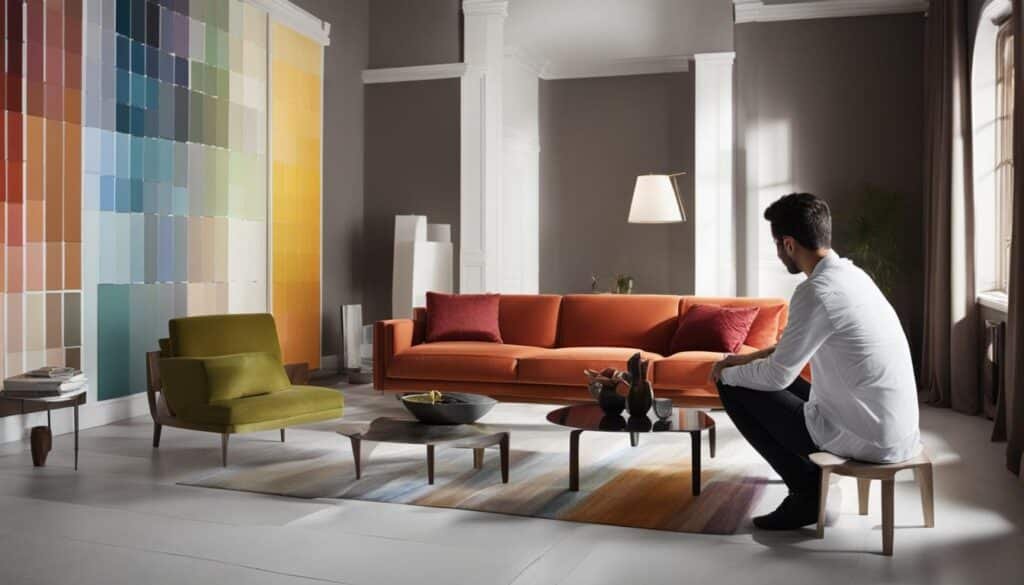
- Test paint samples on walls to see them in different lighting conditions.
- Pair bold colors with neutrals for a balanced look.
- Consider the room’s natural light and size when selecting room colors.
In the end, a well-crafted color palette not only enhances my room’s aesthetic but can also improve my day-to-day mood. Whether I’m trying a fresh, vibrant look or inclined towards subtle elegance, my choices in color are a reflection of my personal story and the ambiance I wish to create. And yes, all of this can be achieved while decorating on a budget, proving that great style doesn’t have to come at a high cost.
Determining the Layout for Optimal Flow
As I embark on the journey of how to designing a room, I’m acutely aware that the essence of a well-curated space hinges on a meticulous room layout and furniture arrangement. It’s not merely about filling the room with aesthetic pieces but ensuring that each element complements another—harmonizing form with function to cultivate an atmosphere that’s both comforting and practical. My focus translates into a layout that bolsters the room’s flow, allowing energy and movement to permeate seamlessly throughout the space.
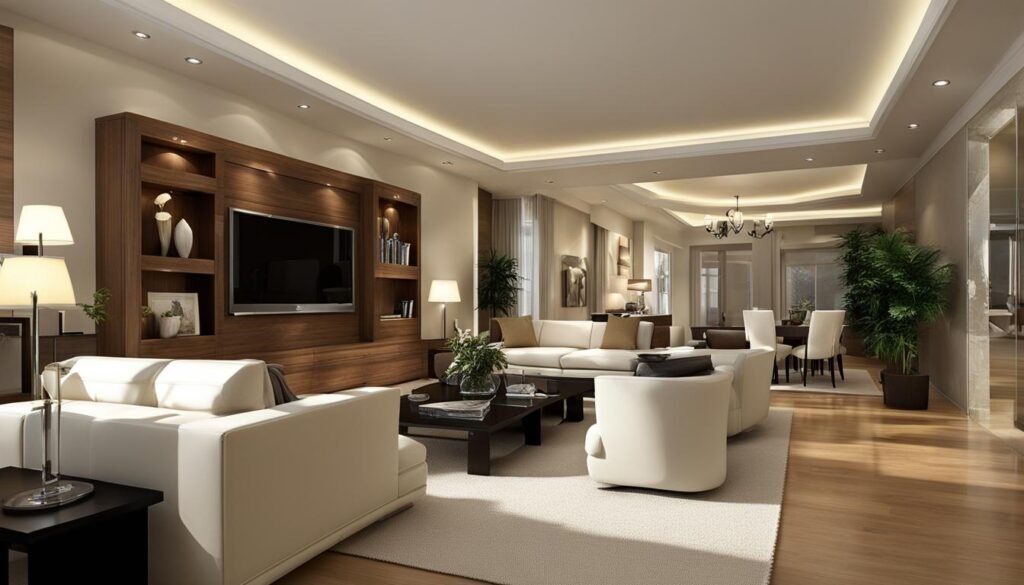
My approach to small room decorating further refines this mindful placement of elements. Space constraints propel creativity, necessitating dual-purpose furnishings and innovative storage solutions that don’t sacrifice style. By employing strategic techniques, I transform limited square footage into a haven of multi-functionality and visual expansion.
- Anchor Pieces: I identify the room’s anchor—the focal point around which I orient everything else. In a bedroom, for example, positioning the bed as a central reference guides where I place secondary items, like nightstands and dressers.
- Flexibility and Adaptation: Rather than cementing permanent placements, I opt for modular components and movable furnishings that enable the room to evolve with changing needs and preferences, which is a fundamental aspect of room decorating tips.
- Visualizing the Layout: Whether it’s through digital layout tools or the old-school method of paper cutouts, visualizing the prospective arrangement before physical exertion saves time and provides clarity.
In essence, the process of furniture arrangement is akin to a well-orchestrated dance—each step, turn, and pause purposeful and deliberate, set to the unique rhythm of the room’s dimensions and the dweller’s lifestyle. And as I piece together the myriad components that constitute a room’s design, these principles stand as my compass—guiding my decisions, ensuring not just a room’s aesthetic appeal but its embodiment of true, lived-in comfort.
Save this article
Enter your email and we'll send it straight to your inbox.
How to Decorating a Room with Wall and Ceiling Décor
When I look to invigorate my living space, I often turn my attention upward and seek out innovative wall and ceiling decor ideas. From the sleek lines of modern art to the warmth of DIY room decoration projects, the possibilities to express my unique creative room design are endless.
Integrating Wall Art and Functional Elements
My vision for a room involves not just aesthetics, but also functionality. Incorporating elements like custom shelving to showcase books and trinkets, or hanging stunning pieces that resonate with my style, serves to build an environment that is both visually appealing and practical. Tapestries, for example, can add texture and color, while mirrors can create an illusion of more space, combining form with purpose in my interior decorating efforts.
- Posters that reflect my favorite themes or inspirations
- Wall collages featuring personal photos or found objects
- Strategic use of wallpaper stickers to craft unique focal points
Embracing Ceiling Accents for Added Dimension
Beyond the walls, I like to think about the ceiling as a fifth canvas in my room decor. Integrating ceiling accents can dramatically alter the atmosphere of a room. Whether it’s a bold lighting piece or architectural molding, these elements draw the eye upward and create a sense of fullness and dimension in the room’s design.
- Statement lighting fixtures that become the centerpiece of the room
- Ceiling medallions or tin tiles for a touch of historical elegance
- Decorative beams that add architectural interest and a rustic feel
By using these interior decorating tips and committing to a unified color palette, I ensure my room’s wall and ceiling decor maintain a seamless blend of creativity and cohesion – a true reflection of my desired ambiance.
Furniture Selection: Merging Comfort and Style
When I approach the subject of furniture selection, my focus is firmly on the unity between comfort and style. It’s essential to choose pieces that not only look great but also provide the relaxation and support needed for daily activities. This ensures a living space that’s both inviting and expressive of personal taste.
Assessing Furniture Scale and Proportion
To achieve a sense of harmony in your space, the scale and proportion of your furniture must sync with the room’s overall dimensions. It’s not just about choosing furniture; it’s about selecting pieces that enhance the room’s functionality without overwhelming the space. When done correctly, this promotes a seamless flow that feels both natural and aesthetically pleasing.
Revamping Existing Pieces
As for those pieces with sentimental value or potential for a second life, revamping furniture can be a rewarding process. A new finish or upholstery can bring new energy to a room, aligning beloved items with your current styling goals. Affordable decorating ideas like this not only save money but also add a unique and personal narrative to your space.
Lighting: The Element that Transforms Spaces
When I consider the impact of lighting design on an interior, I’m immediately aware of its power to dramatically alter not just the look, but the very ambiance of a room. Expertly executed ambient lighting acts as the backbone of interior design, setting a mood that can be altered with the flick of a switch. LED lighting, with its efficiency and versatility, enables me to experiment with different shades and intensities to instantly tailor a room’s atmosphere to any occasion.
My approach to room decoration tips often involves layering various types of lights to achieve that sought-after balance between form and function. There’s a dance that takes place when arranging light fixtures – the goal is to create a choreography where every beam and shadow falls in just the right place, delineating spaces and highlighting the room’s best features. Ceiling lights for general illumination, task lights for functionality, and accent lights to showcase architectural details or artworks are all important characters in this performance.
- Assess the room’s natural lighting
- Define the room’s function and what activities will take place
- Select a style that complements the interior design ideas
- Choose a color temperature that enhances the desired mood
- Implement a mixture of general, task, and accent lighting
Ambient lighting generously offers comfort and serenity to a room. It’s the subtle glow that fills the space without overwhelming the senses. For those evenings when I want to induce a state of relaxation, dimmable LED lights invite calm and warmth into the room, providing the perfect sanctuary from a bustling world outside.
- Dimmable overhead fixtures for adjustable ambient lighting
- LED strips to highlight architectural features
- Table and floor lamps for cozy reading corners
- Smart bulbs for customizable color and intensity
The beauty of room design today is the extraordinary array of lighting options at our disposal. From sleek, recessed downlights that give a modern, uncluttered look, to vintage pendants that exude character and charm, the selections are endless. Nevertheless, carving out the ideal illuminated aesthetic is as much about creativity as it is about technology – with LED strips used to create elegant under-glow on furniture, or fairy lights strewn to evoke a whimsical touch.
In my experience, good lighting design is the unseen, yet unmistakable, conductor that directs the eye, influences emotions, and transforms ordinary spaces into extraordinary experiences. With these interior design ideas and room decoration tips, you can elevate the lighting in your home to not just serve its purpose, but to also become a main feature of your decor, seamlessly blending beauty and practicality.
Conclusion
As I stand back and gaze upon the room that has blossomed before me, a sense of accomplishment washes over. The journey of this room makeover, laden with decisions, creative challenges, and diligent planning, has culminated in a space that resonates with my personal style and meets my every need. Engaging in a room makeover reflection, I analyze each step – from the initial burst of home decor inspiration to the moment where the last piece of decor was set in place. What unfolds is not just a transformation of space but an evolution in my own approach to design and aesthetics.
Reflecting on the Makeover Journey
Throughout this adventure in redesign, I’ve learned that embracing change is as essential as it is invigorating. Each choice, whether it was selecting a soothing color palette or finding that perfect piece of art, was a stitch in the tapestry of this new room. The challenges faced, be they budget constraints or spatial limitations, turned into opportunities for innovation, pushing me to discover solutions that were both stylish and functional. True satisfaction comes not simply from the room makeover results, which are indeed gratifying, but from the knowledge that my vision has been successfully brought to life.
Maintaining Your Newly Transformed Room
The completion of the makeover marks a shift from creation to embodiment. For me, enjoying my new space means engaging in long-term maintenance to preserve its allure. Routine cleaning, the occasional decluttering, and the odd minor update are not just chores – they are rituals that keep the space alive and dynamic. They ensure that the elegance, comfort, and whispered narratives of my reinvigorated room endure. This living space now shapes my daily experiences, serving as a personal sanctuary crafted by my own hands and imagination, ready to be cherished day after day.
FAQ
How can I begin decorating a room?
Start by formulating a clear decorating plan which includes defining the function of the room, the style or aesthetic you prefer, and the mood you want to set. Gather home decor inspiration, create mood boards, and collect bedroom or living room decor ideas to guide your project. Consider modern room decor or other styles that resonate with you.
How do I uncover my personal style preferences for room design?
Explore various interior design themes and trends, and assess which ones strike a chord with your tastes. Popular aesthetics can include anything from Danish Pastel to Indie, with each offering distinct characteristics. Think about how you want to feel in the space, whether it’s relaxed, energized, or inspired. These insights will help in tailoring your design to fit your distinct preferences.
What are the first steps in planning a decorating project?
Begin with identifying the needs and constraints of your space—this can range from seating requirements for a living room to storage needs in a bedroom. Establish your budget, collect inspiration, sketch out a preliminary floor plan, and measure the spaces in question. This preparatory phase is crucial in laying out all the groundwork for your project.
Why is decluttering an essential part of a room makeover?
Decluttering is critical because it clears the space, helping you envision the room’s potential and making way for new design elements. Sort your belongings, deciding what to keep, and what to donate or discard. This process simplifies subsequent steps such as cleaning, planning layouts, and introducing new decor or furniture.
How do I select the right color palette for my room?
Consider the psychological effects of colors, and choose a palette that aligns with the atmosphere you want to create. Use samples to see how different shades look in your space’s lighting. Pair bolder colors with neutrals for balance. Always factor in your aesthetic preference as well as practical aspects such as room size and lighting conditions.
How should I approach the layout and furniture arrangement in a room?
The layout should facilitate ease of movement and serve the room’s function. Start by determining the room’s focal points and arrange furniture to complement these areas. Utilize tools for layout planning and consider the size and scale of furniture, ensuring there’s a harmonious flow within the room. For small rooms, be strategic to avoid a cluttered look.
What are some ideas for wall and ceiling décor?
For walls, think about adding paintings, wall hangings, shelving, or even a fresh coat of paint in a bold color or texture. Ceilings can be enhanced with interesting light fixtures, crown molding, or even a different paint color. Remember to coordinate these elements with the room’s overall style and color theme.
How can I ensure my furniture fits the room both in comfort and style?
Choose furniture that is proportional to your room’s scale to create balance and avoid overcrowding. Look for comfort in seating and bedding while maintaining your desired aesthetic. Consider repurposing or updating existing pieces by painting or reupholstering to match your new style, which can be both economical and environmentally friendly.
What role does lighting play in a room’s design?
Lighting is essential for setting the room’s ambiance and enhancing functionality. Start with installing task and ambient lighting, then add decorative lights such as LED strips or dimmers to adjust the room’s mood. The right lighting setup can accentuate architectural features, artwork, and create warmth and depth in a space.
Save this article
We'll email you the link so you can find it again later.