As a firm believer in the transformative power of well-executed design, I’ve witnessed how common interior design mistakes can undermine the otherwise harmonious aesthetic of a living space. It’s not just about a bad paint job or one ill-fitting piece of furniture; it’s the culmination of home decor mistakes that can converge to create an environment that feels disjointed or unwelcoming. My goal today is to share insights on the design mistakes to avoid that could save you from pricey do-overs and redesigns.
Luckily, the fallout from decorating mistakes is not without remedy. Having learned from personal experience, I understand the difference between a room with purposeful decor and one cluttered with bad interior designs. The distinction is clear: thoughtfully planned spaces not only look better, they feel better. So, how do we sidestep these pitfalls? From selecting the proper scale of furniture to knowing which interior design mistakes to avoid, I’m here to guide you away from the ubiquitous costly interior design mistakes that plague both novice decorators and seasoned professionals alike.
To see our homes at their full potential, we must navigate beyond the decorating mistakes that often seem benign until they’re not. What may seem like small errors can lead to a larger impact on the overall ambiance of your personal oasis. That is why I will divulge some bad interior design examples, so you can veer away from common missteps and towards a more cohesive and comforting home environment.
Key Takeaways
- Recognize and avoid common home decorating mistakes for a harmonious interior.
- Learn the impact of scale and proper furniture placement to prevent a cluttered space.
- Understand the importance of planning and personalization in home decor.
- Identify strategies to showcase heirlooms without creating outdated interiors.
- Discover how to choose wall colors that complement preselected fabrics and textures.
- Avoid cookie-cutter designs by adding a personal touch to your living space.
Averting Scale and Proportion Blunders in Interior Design
As I navigate the intricacies of home aesthetics, I often come across the challenge of poor proportion interior design, which can disrupt the delicate balance of a living space. Avoiding these common interior design mistakes demands an understanding of scale and proportion—foundational elements vital for a harmoniously balanced room.
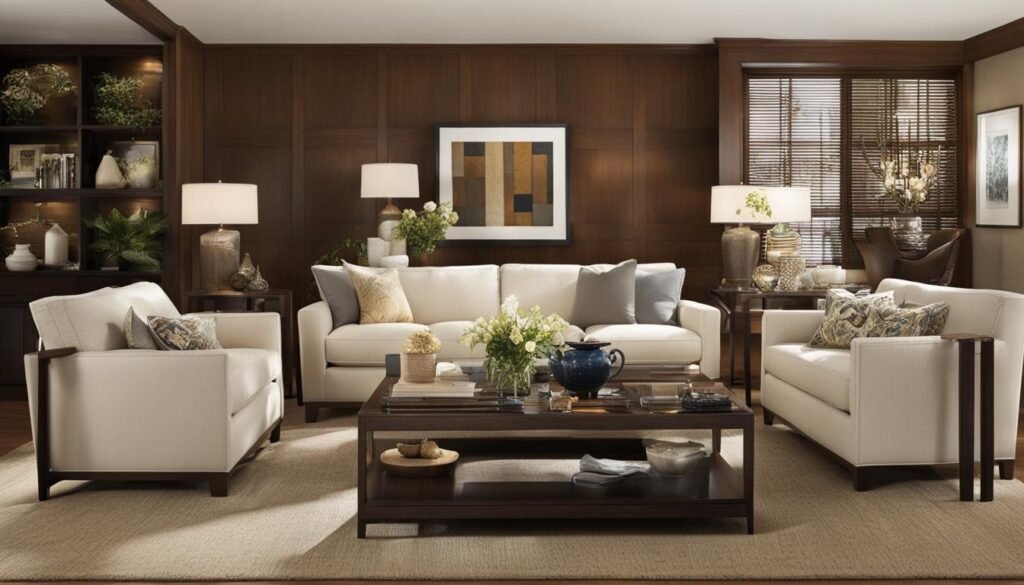
To achieve an ideal equilibrium, it’s crucial to avoid the clutter of numerous diminutive items, which often results in a chaotic appearance. Conversely, a room dominated by excessively large furniture pieces can seem overwhelmingly confined. It’s this balance between different elements that makes or breaks a space’s composition.
- I suggest incorporating variety in the scale of furnishings, mixing and matching different sizes to fabricate a room’s visually engaging “skyline.”
- Introduce a singular, substantial statement piece to serve as a cohesive anchor for the space, ensuring that one’s choice doesn’t dwarf the occupant—effectively circumventing the ‘Snow White among the seven dwarfs’ effect.
In this section, I’ll share interior design tips that will help you form a beautifully proportioned living environment, avoiding the pitfalls that can come from overlooked details in furniture and decor arrangement.
- Begin with a floor plan, visualizing how each furniture piece will coexist in the room, contemplating both their scale and their proportionate relationship to one another.
- Vary the heights of objects to lead the eye across the room, rather than overwhelming the space with uniformity in size.
- Remember that negative space is as important as the furniture occupying a room. Space to breathe is essential for the pieces you select to stand out and for the room to feel balanced.
By focusing on these key practices, we can sidestep the common errors that stem from a lack of attention to scale and proportion. The goal is always to create interior spaces that are as functional and comfortable as they are aesthetically appealing—a mark of thoughtful and skilled interior design.
Reconsidering Heirloom and Accessory Placement
As I explore the nuances of decorating with heirlooms and accessories, it becomes evident that these items hold more than just artistic value; they are echoes of our past, making creating harmonious interiors an act of preserving history. Yet, without thoughtful consideration, these cherished items can contribute to a sense of clutter, overwhelming spaces that should feel like sanctuaries.
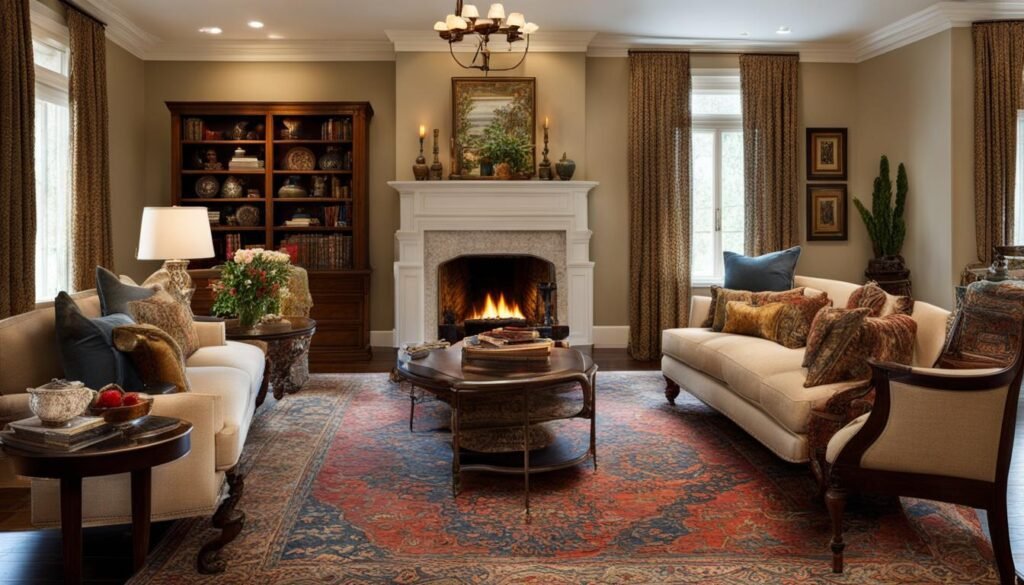
My approach to decorating with accessories is not just about aesthetics, but also about crafting stories within our living areas. By recognizing the emotional weight these pieces carry, I carefully consider their placement to ensure each piece’s narrative is heard without visually or emotionally crowding a room. Here’s how I achieve balance:
Creating Harmony with Keepsakes
- Assess the sentimental value, and choose the most meaningful pieces.
- Designate specific areas for display to avoid scattered arrangements.
- Coordinate heirlooms with contemporary décor for a time-transcending look.
Vignette Styling Basics
- Group in odd numbers for visual appeal – three, five, or seven works well.
- Include a larger item to anchor the vignette and give it depth.
- Create a dynamic range by mixing textures and heights within the group.
By bringing these principles to life, I ensure the space is both a reflection of personal heritage and a testament to tasteful design. The result? A living environment that feels curated and intimate, a true homage to the past while being fully engaged with the present.
Artwork Placement: Sizing and Positioning
When it comes to interior design artwork mistakes, the size and positioning of art is often at the forefront. The right artwork can serve as an incredible focal point, completely transforming a space. Undersized pieces may not get the attention they deserve, appearing lost against expansive walls, whereas overly large art demands attention, dominating nearby elements and potentially throwing off a room’s sense of balance.
I always advise to consider not just the artwork itself but the interplay with surrounding space. Hanging artwork at eye level ensures it can be comfortably appreciated, creating a relationship with the viewer. This particular height varies; generally, it means the center of the art piece should be approximately 57 to 60 inches from the floor, which reflects the average human eye-level and also harmonizes with standard architectural elements.
- Art as a Focal Point: If a piece is meant to be the star of the space, ensure ample negative space around it to prevent visual competition.
- Gallery Walls: Cluster smaller pieces to tell a story without compromising the style and flow of a room.
- Balance: Consider both the visual weight and directionality of artworks when determining their placement.
Experimenting with various sizes and positioning can lead to a more dynamic and visually pleasing environment. Always remember to step back and view the arrangement from multiple perspectives to ensure it feels cohesive within the entire space.
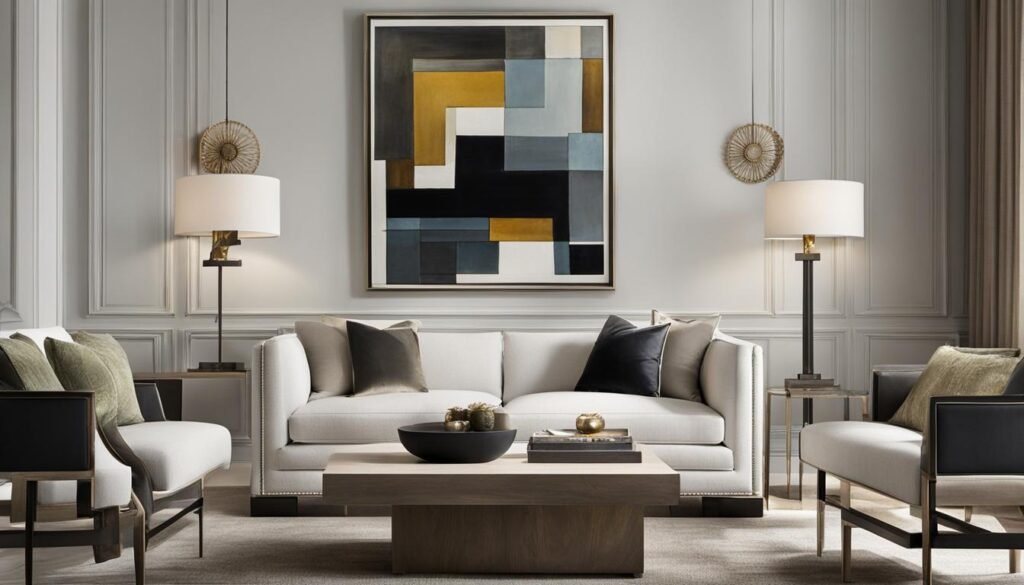
Ultimately, the key is to use art to complement the design of your space, not compete with it. Whether you’re hanging a painting, a print, or a sculpture, taking the time to consider these factors means you’ll elevate your interior considerably, steering clear of common pitfalls in artwork display.
Selecting Wall Colors with Fabric First in Mind
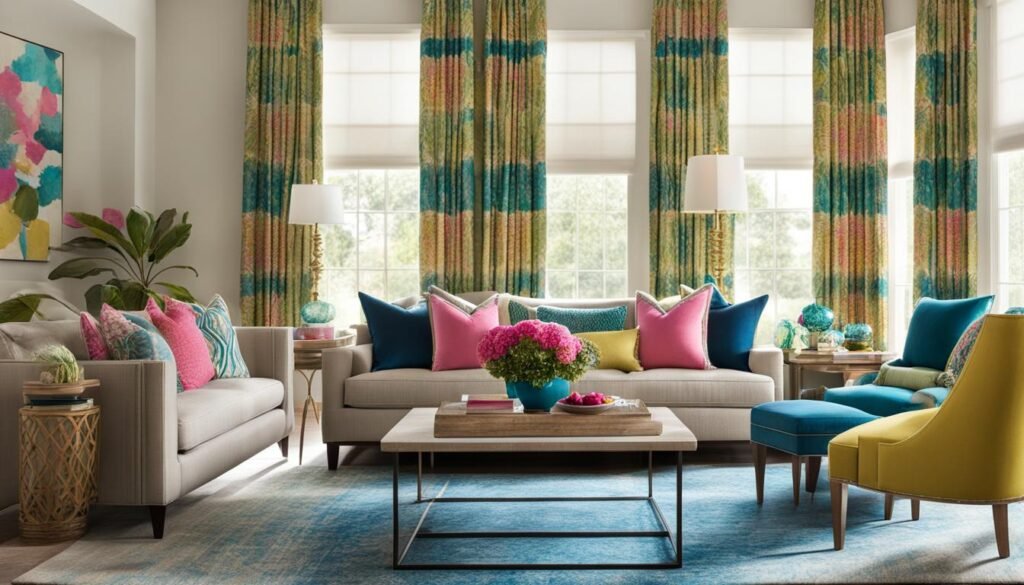
When I set out to redesign a space, my approach has always been to start with textiles before anything else. Historically, decor enthusiasts believed in choosing wall colors first and then finding matching fabrics. However, this commonly leads to a constrained selection and a mismatch in the aesthetics of the room. By centering the design process on coordinating with fabrics and textures from the outset, you afford yourself a broad spectrum of color choices to complement those foundational elements.
Starting with Soft Furnishings
Soft furnishings include upholstery, curtains, pillows, and rugs, all of which present a rich array of textures and patterns that could dictate the mood of a room. Selecting your soft furnishings first allows for a cohesive palette to emerge. As a professional interior designer, I’ve found that these elements actually hold the secret to the room’s color story. After I’ve chosen these key textures and patterns, selecting paint colors becomes intuitive and much more effective.
Matching Paints to Preselected Textures
Once the soft elements are in place, I move on to matching paints to the fabrics at hand. With the tactile qualities already specified, the paint not only plays a supportive role but also ties the room together. It’s like composing a symphony where every texture is a different instrument, and the wall color is the harmony that makes the entire composition flow. It results in a cohesive interior space that feels deliberate and polished—not leaving color coherence to chance.
- Take fabric swatches to the paint store to get a precise match.
- Consider different lighting scenarios to see how both textiles and paint colors interact.
- Remember to factor in how the wall color will transition into adjacent areas.
Creating Cozy Spaces with Neutrals and Textures
As an interior design aficionado, I’m always on the lookout for ways to transform spaces into warm and inviting havens. Key to achieving cozy interiors with neutral colors is a deep understanding of interior design texture use. Through carefully considered layers, a seemingly monochrome room can transcend into a realm of comfort and style. Let me guide you through incorporating texture and subtlety to fashion a living space that’s both tranquil and engaging.
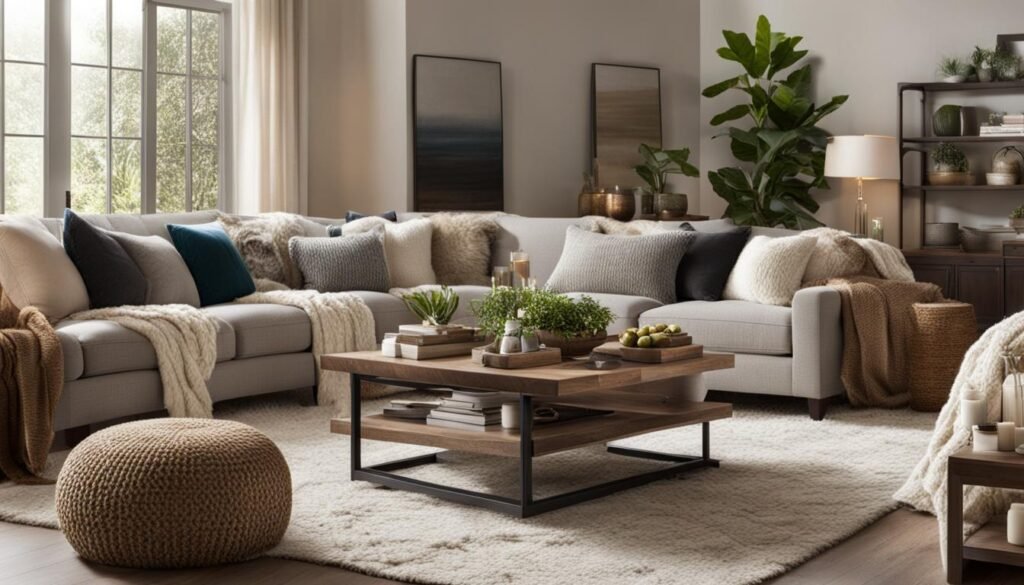
Scandinavian design principles have heavily influenced my approach to crafting warm and inviting spaces. The beauty of working with a neutral palette is the flexibility it offers; however, the challenge lies in preventing the space from feeling flat or lifeless. The key? Interweaving various textures and accent pieces that add depth and character.
Save this article
Enter your email and we'll send it straight to your inbox.
- Start with a foundation of soft hues on the walls and large furniture pieces, establishing a serene backdrop for your foray into textures.
- Introduce an array of fabrics through throw pillows and draperies, playing with materials like velvet, wool, and linen for tactile diversity.
- A plush area rug or a soft sheepskin throw can add an inviting underfoot experience that literally warms up the room.
- Incorporate accessories made from organic materials such as wood, woven baskets, and pottery to bring an earthy, grounded feel.
- Consider light fixtures as a way to add textural interest — a rough-hewn wood lamp base or a chandelier with glass details can act as a visual focal point.
By interlacing these elements within a neutral-colored space, nuances emerge, creating layers that speak to the senses. The result is a bespoke sanctuary that invites one to relax and indulge in the serenity of their surroundings.
- Evaluate the room’s natural lighting to help you select textures that will play well with light, enhancing the overall ambience.
- Balance your textural elements across the room to ensure a visual equilibrium, avoiding overwhelming any single area.
- Don’t be afraid to mix metals and wood, glossy and matte finishes, or soft and coarse textiles—these contrasts are captures of life itself.
Your home’s decor is not just about aesthetic charm; it’s about creating a narrative that resonates with who you are. By focusing on the intricate balance of neutral colors and rich textures, you can curate a space that is not only visually delightful but also emotionally comforting—a true haven in every sense of the word.
Avoiding Cookie-Cutter Designs by Personalizing Your Space
When I imagine walking into a space steeped in personalized interior design, I envision a setting where each accent, furniture piece, and artwork tells a distinct part of the homeowner’s journey. Instead of falling prey to transient trends or prefabricated schemes, I advocate for a personalized approach to create unique home decor. With each item selected for its resonance with the individual’s taste and story, the outcome is an abode brimming with character, warmth, and originality.
Incorporating Personal Collectibles
The idiosyncrasies of one’s personality can be mirrored in the collectibles that are featured around the home. From vintage postcards picked up on travels to signed first editions of favorite novels, these elements present an extraordinary storytelling through design. They beckon guests to engage and share in the memories, fostering a connection that goes beyond mere aesthetics.
- An antique clock from a grandparent’s collection
- Handmade ceramics from local artisans
- Posters and memorabilia from pivotal concerts or events
Letting Your Home Narrate Your Story
What truly transforms a house into a ‘home’ is how it reflects the life lived within its walls. My approach to design incorporates personal history, backgrounds, and adventures, weaving them into the decor, allowing the environment to narrate a rich tapestry of experiences. A collection of framed family recipes, a gallery wall of globally sourced paintings, or even a custom-crafted bookshelf housing a lifetime of literature—these personal touches let the home tell a story that’s entirely and uniquely “you”.
- Chronologically arranged photo displays depicting life’s milestones
- A showcase of treasures and trinkets illustrating travels abroad
- A feature wall adorned with children’s art, evolving through the years
Moving against the grain of mass-market aesthetics, I choose intentional and unique home decor that resonates with individuality. By gradually curating spaces with objects that have significance, I aim to craft interiors that embody personalized interior design at its most authentic. Such spaces afford a sanctuary where every glance and corner reveals another chapter of my story.
Establishing a Focal Point in Room Designs
The secret to a cohesive and visually pleasing room lies in the strategic use of focal points in interior design. By anchoring rooms with focal features, designers can create a space that not only captures attention but also feels harmonious and deliberate. It’s my job to help clients choose features that anchor their space and reflect their tastes, ensuring the room’s ambience is one of balance and beauty.
Anchoring with Visual Prominence
Understanding how to utilize architectural features or bold design elements is the key to anchoring a space. Whether it’s an ornate fireplace, a grand piano, or a vibrant piece of art, these components provide a compelling point of interest that draws the eye and influences the layout of the space.
Choosing the Right Focal Feature
In my experience, the most successful interiors are those where the focal feature resonates with the homeowner’s style and the room’s functionality. A handcrafted bookshelf showcasing a collection of literary classics can serve as a remarkable centerpiece for a home library, while a sleek and modern sculpture might be the perfect choice for a contemporary living room.
- Consider the room’s intended use and pick a focal feature that complements this functionality.
- Analyze the room’s architecture to determine if there’s an existing feature to highlight.
- Mix textures and complementary colors around the focal point to create visual interest and depth.
By thoughtfully selecting and positioning a room’s focal point, you’re not just designing a space; you’re crafting an experience that feels tailored and inviting—a true reflection of taste and intention.
Mastering the Lighting Layers in Your Interior
When I consider the design of a space, lighting layers in interior design are often at the forefront of my strategy. The right lighting does more than just illuminate a room; it can dramatically alter the room’s mood, highlight architectural features, and even improve our well-being. In my practice, I advocate for a blend of ambient lighting techniques, task lighting, and accent lighting use to achieve a harmonious lighting scheme that caters to both the aesthetics and functionality of an interior.
Ambient lighting provides the foundation for a room’s illumination. It’s the soft glow that fills a space and ensures you’re not straining your eyes in overly dim conditions. But ambient lighting on its own isn’t enough. That’s where task lighting comes into play. As a professional, I recognize the importance of task lighting in areas where focus and precision are key—such as kitchen islands or reading nooks. This targeted light source is fundamental for daily activities that require brighter illumination. Finally, I incorporate accent lighting to highlight specific features within a space. This could be directing light towards a beautiful painting, or creating depth and interest with wall sconces or track lighting.
Each layer serves a distinct purpose, yet they must all work in tandem to ensure a well-lit space that is both inviting and functional. By understanding and implementing various lighting layers, you can dramatically improve the look and feel of your home’s interior. Remember, the goal is to achieve balance: too much light can be as uncomfortable as too little, so it’s crucial to use each type of lighting judiciously to create the perfect atmosphere.
FAQ
What are some common interior design mistakes to avoid?
Some ubiquitous interior design missteps include ignoring scale and proportion, cluttering spaces with too many small items or overlarge furniture, improperly placing heirlooms and accessories, positioning artwork incorrectly, choosing wall paint before fabrics, utilizing a monotonous neutral palette without layering textures, replicating popular design trends without personalization, lacking a focal point, and inadequately planning lighting.
How can I avoid poor proportion in my interior design?
To avoid poor proportion, mix and match furniture of varying sizes to create a diverse “skyline” and consider a large statement piece to unify the space. Be mindful of the scale and ensure furniture is proportionate to the room size and to other pieces within the space.
What are some tips for decorating with heirlooms and accessories?
For decorating with heirlooms and accessories, group cherished items in clusters, typically in odd numbers for visual interest. Use trays or a larger piece within a vignette to create harmony and highlight personal treasures, making sure they don’t clutter the space.
How should artwork be sized and positioned within a room?
Artwork should be proportionate to the wall and surrounding furniture, with the center of the piece at eye level for an optimal view. In a gallery wall, maintain a cohesive design by balancing sizes and spacing. Avoid too-small pieces that get lost or overly large ones that overwhelm the space.
Why should I select wall colors after choosing fabrics and soft furnishings?
Selecting wall colors after fabrics allows for coordinating paint choices with the colors and patterns already present in the room’s textiles, ensuring a harmonious and unified color scheme across all elements of the space.
How can I create a cozy interior using a neutral color palette?
To create a cozy interior with neutrals, integrate varied textures and layers. Incorporate elements like soft rugs, patterned pillows, and warm throws to contrast flat, neutral tones and add depth to your space.
How can I personalize my space to avoid a cookie-cutter look?
Personalize your space by incorporating unique elements such as personal collectibles, handpicked art, and custom-made items. Allow your home to reflect your story through thoughtfully curated pieces that hold meaning to you.
What strategies can I use to establish a focal point in my room?
To establish a focal point, choose an architectural feature, a large piece of art, or a statement piece of furniture. Design the room around this point, allowing it to anchor the space and guide the arrangement of other elements for a cohesive look.
What is the importance of lighting layers in interior design?
Lighting layers are essential for creating a functional and aesthetically pleasing space. They encompass ambient, task, and accent lighting, ensuring the room is well-lit for various activities and enhancing the overall mood and design.
Save this article
We'll email you the link so you can find it again later.