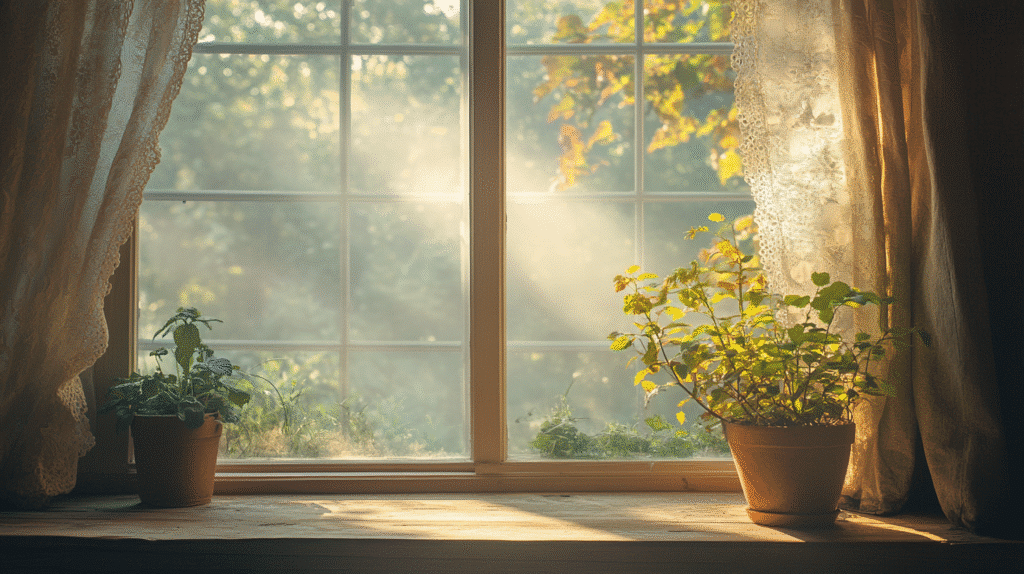
As a passionate advocate for interiors that resonate with both the heart and eye, I’m captivated by the japandi interior design style—a graceful fusion that balances the Zen-like tranquility of Japanese aesthetics with the cozy minimalism intrinsic to Scandinavian design. My journey through the realms of japandi has revealed an approach to living spaces that champions simplicity without sacrificing elegance. Japandi decor style not only transforms homes but also the way we interact with our environment, offering a peaceful refuge in the bustling world. It’s more than a trend; it’s a lifestyle, where the serenity of japandi design harmonizes with thoughtful functionality.
In my examination of japandi style, I’ve found it to be a testament to the timeless allure of a pared-down yet sophisticated aesthetic. From the organic warmth of natural materials to the strategic use of space and light, japandi interior design style redefines modern living. It’s a meditative expression through interior design, where every element of japandi encourages a slower, more mindful existence amid understated luxury.
Key Takeaways
- Japandi interior design is a harmonious blend of Japanese elegance and Scandinavian simplicity.
- Neutral color palettes and the use of natural materials are central to japandi aesthetics.
- The japandi style emphasizes functionality without compromising on beauty.
- Japandi interiors are characterized by their serene, spacious, and light-filled spaces.
- Furniture in japandi decor is carefully chosen for both its purpose and contribution to the overall minimalist elegance.
- Adopting japandi design principles can lead to a more tranquil and mindful living environment.
The Philosophy Behind Japandi Interior Design
As I delve into the world of Japandi home decor, the profound philosophy that anchors this hybrid aesthetic comes to the fore. At its heart, Japandi design isn’t just about visuals; it’s a lifestyle that intertwines the ethos of Japanese minimalism with Nordic influence, blending both worlds in a harmonious symphony. This design philosophy reaches beyond simple decoration, touching on deeper cultural principles that resonate with those seeking a serene and purposeful way of living.
Embracing Wabi-Sabi and Hygge in Your Home
In my exploration of Japandi aesthetic, I continually find myself captivated by the concept of wabi-sabi. This Japanese notion celebrates the beauty inherent in imperfection and transience, teaching us to appreciate the patina of age and the elegance in simplicity. My aim is to transfer this philosophy into interior spaces where the perfectly imperfect is venerated and every mark or asymmetry tells a story. Meanwhile, the Danish principle of hygge encapsulates a yearning for coziness and contentment, which is expressed through the tactile softness of furnishings and a warm, muted color palette that evokes comfort and joy in every corner of your home.
The Historic Exchange of Aesthetic Principles Between East and West
The layers of Japandi style are enriched by a historic cultural dialogue between East and West interiors. The 1850s marked a pivotal moment when Japan opened its doors to the world, inviting Scandinavian artists and designers to immerse themselves in its rich tapestry of art and design. The cultural exchange birthed an aesthetic alloy fusing Japanese refinement with Scandinavian practicality, woven into what I like to call the fabric of minimalist Scandinavian design. This unique hybrid is as much about an exchange of ideas as it is about materials and motifs, serving as a testament to how diversity can shape timeless beauty in our living spaces.
Defining Japandi Color Palette and Materials
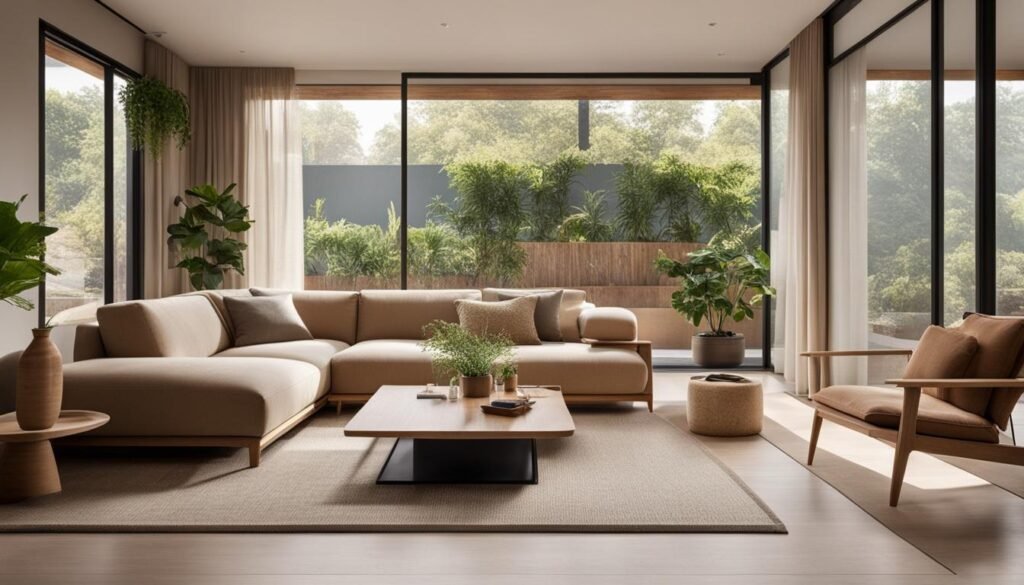
As I delve into the world of Japandi interior design, subtle and earthy tones play a crucial role in crafting an ambiance of tranquility and organic elegance. The japandi color palette, essential to achieving this aesthetic, is characteristically muted yet deeply resonant with notions of serenity and calm.
Neutral Tones for Serenity and Calm
Harmony in a home begins with the colors that surround us. In a japandi style home, you’ll often find a soothing symphony of soft grays, yielding beiges, and delicate off-whites. These hues are carefully selected for their ability to create spaciousness, bringing about a mindful coziness that is at once comforting and aesthetically pleasing. It’s within these restful shades where the mind finds space to breathe, setting the stage for a japandi home design that is both timeless and deeply rooted in nature.
Incorporating Natural Materials for Authenticity
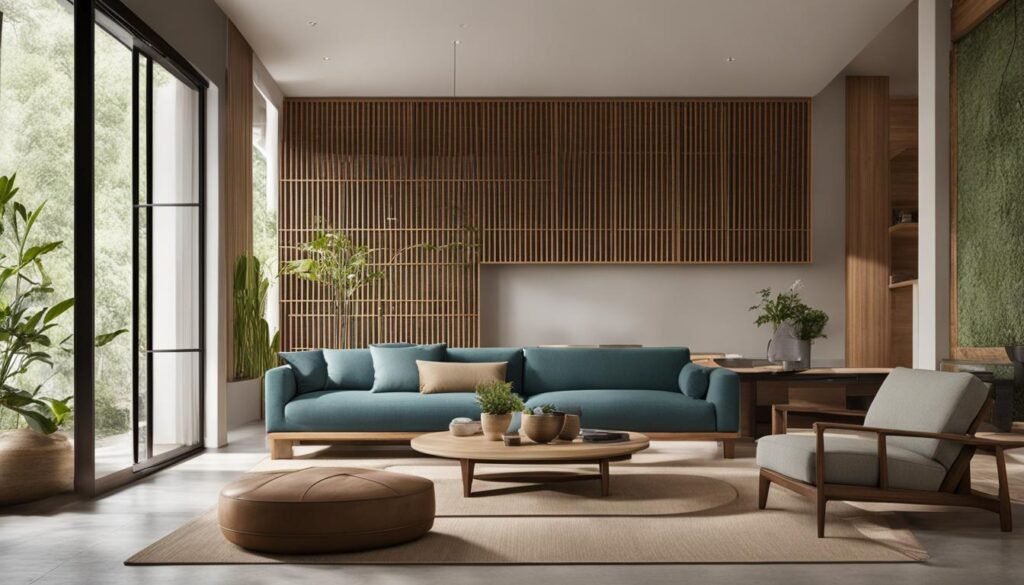
Integral to japandi houses and the style’s overarching ethos, natural materials such as wood, bamboo, stone, and linen introduce a tangible connection to the outdoors. These elements are not merely decorative; they embody the principle of authenticity that is a cornerstone of japandi architecture. Each texture and nuance of these materials adds depth and character to the japandi home style, fostering an environment that is in harmonious dialogue with the natural world.
- Wooden accents that highlight the beauty of grain and imperfections
- Bamboo fixtures lending lightness and sustainability
- Stone elements that echo the solidity of Earth
- Linen textiles for a touch of organic softness
By embracing the raw and the refined, the japandi home style masterfully intertwines the warmth of natural materials with the sophistication of minimalist design principles. Thus, a japandi home style achieves an intimate but uncluttered space where balance and beauty serve as the foundation for inspired living.
Minimalistic Elegance in Japandi Decor
The essence of minimalist japandi lies in its stark, unadorned beauty that highlights the importance of each carefully chosen element within a space. In my journey to creating a modern japandi interior, I’ve discovered that the art of selecting furniture isn’t just about filling a room but about curating experiences. True to the sentiment of japandi decor, each piece resonates with functional elegance, serving a purpose beyond mere aesthetics; to facilitate a life of simplicity and intention.
Selecting Japandi-Style Furniture with a Purpose
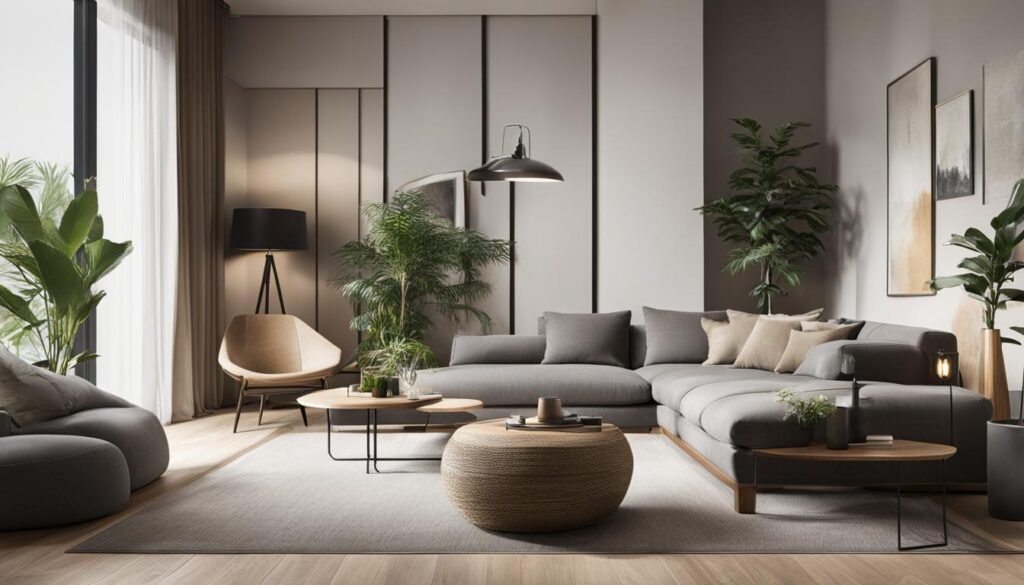
In a japandi-inspired home, furniture is more than an accessory—it’s an essential part of the living tapestry, chosen with the utmost concern for both form and function. I lean towards pieces that strike a balance between the minimalistic silhouettes of Japanese design and the practical comfort that Scandinavian furniture offers—a marriage of styles that reflects a dedication to thoughtful living.
Crafting Open Spaces with Clean Lines
Adopting the japandi style, I’ve seen how open spaces are not merely an absence of clutter, but a deliberate design move to promote freedom and ease of movement. The clean lines and uncluttered surfaces in my dwelling are a testament to the japandi practice of ‘ma’, allowing each carefully-selected piece of japandi furniture to stand out and narrate its own story. In creating these open, breathable spaces, the ambient flow of a room becomes just as much a part of the home’s character as the tastefully minimalist decor that inhabits it.
Infusing Nature into Japandi Home Decor
As I delve into the world of Japandi home decorating ideas, I am consistently captivated by the way this design style harmonizes indoor living with the natural environment. Embracing japandi aesthetics, which celebrate tranquility and simplicity, I’ve found a myriad of ways to weave nature-inspired motifs seamlessly into the fabric of a home.
Fostering a Strong Connection with the Outdoors
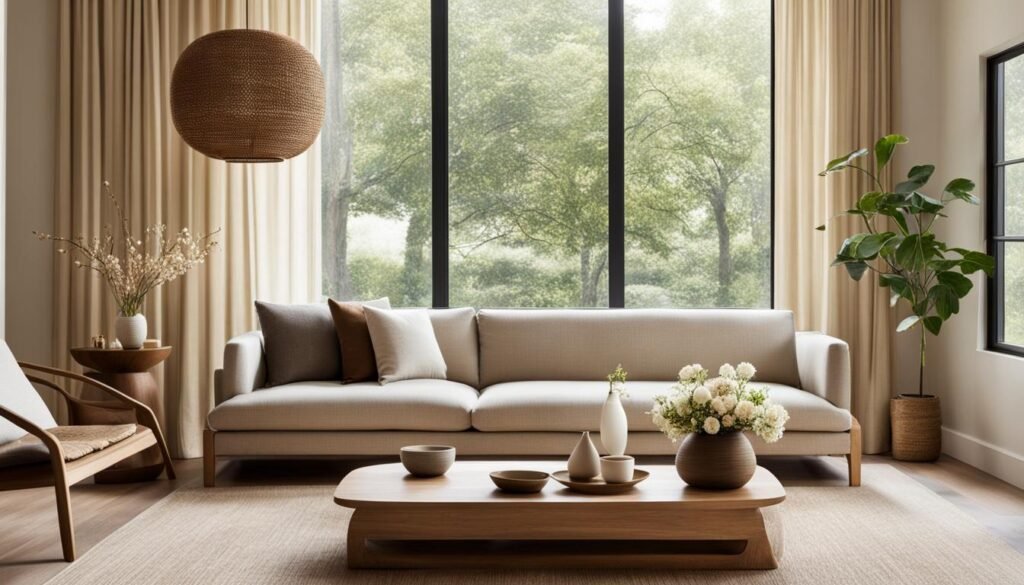
Creating a harmony in interior design starts with establishing a dialogue between the interior space and the outside world. The integration of plants, such as a delicate bonsai or robust succulents, infuses life and vitality into Japandi-themed spaces. The way sunlight streams through sheer curtains, casting a warm glow on a wooden floor, is a subtle nod to the japandi inspiration drawn from serene landscapes.
Boosting Well-being with Houseplants and Natural Light
It’s quite transformative how the positioning of houseplants around my living space can jolt it with green vitality. Not only do these botanical elements add aesthetic value, but they also foster a holistic sense of well-being. Utilizing large windows and glass panes, I aim to maximize the flow of natural light, inherently boosting my mood and energy levels. The Japandi design style is a testament to the power of nature’s impact on my day-to-day living experience, creating an oasis of calm that is as rejuvenating as it is beautiful.
Marrying Simplicity and Functionality in Japandi Furniture
In the world of japandi style interior design, the fusion of simplicity and functionality is not just a trend; it is a thoughtful approach to living. My appreciation for japandi furniture is rooted in its ability to embody a minimalist mindset, simplifying life while adding a sense of refined aesthetics to my home. This design philosophy revolves around uncomplicated forms that perform multiple functions, ensuring that every piece not only looks good but serves a practical purpose.
Embracing the clean lines and natural materials that are hallmarks of japandi decor, I always aim for a space where serenity and practicality coexist. The concept of simplicity in interior design is evident in every japandi piece, where ornamentation is minimized to highlight the beauty of the raw materials used.
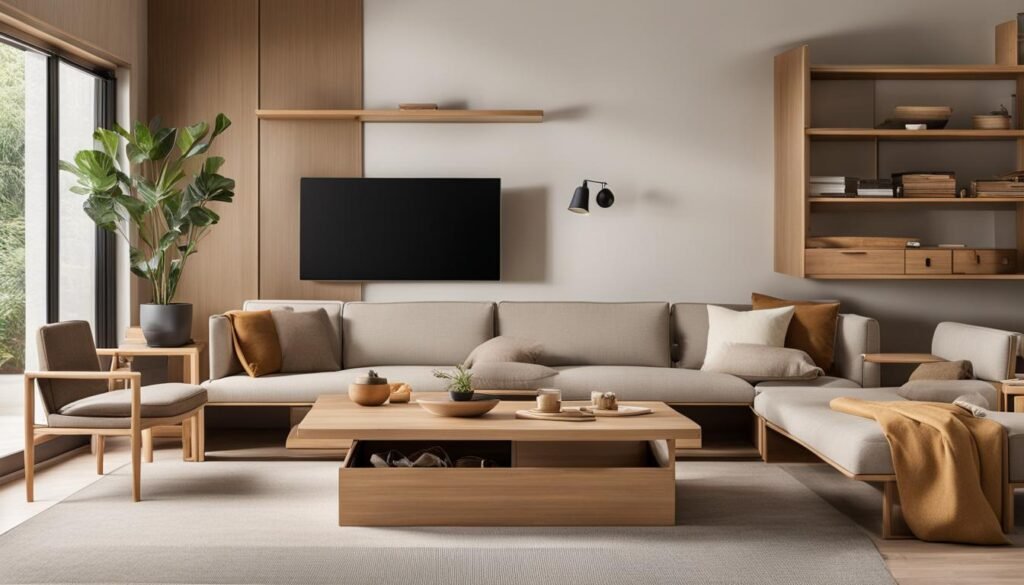
Indeed, a functional japandi piece is not just furniture; it is an extension of the principles that define japandi living. From ergonomically crafted chairs that align with natural posture to multi-tiered storage units steeped in understated elegance, the furnishings in a japandi style house blend in seamlessly with the lifestyle of those who inhabit it.
- Minimalist design: Every furniture piece is pared down to its essential form, reducing visual clutter.
- Dual-purpose function: Maximizing space, furniture often serves more than one function – a sofa doubling as a bed, or a coffee table with hidden storage.
- Natural materials: Wood, bamboo, and linen feature prominently, fostering a connection with nature.
In conclusion, japandi’s clean aesthetics and practicality have not only transformed my living space but also cultivated a sense of peace and order in my everyday life. It’s an embodiment of less is more, proving that beauty lies in simplicity and that true functionality goes beyond mere utility, touching on the very essence of how we live and interact with our environment.
Japandi Interior Design: Setting the Scene with Lighting
The defining features of ambient lighting japandi are subtlety and warmth, essential in creating a serene space that reflects Japandi’s grounding principles. In my experience, the thoughtful integration of lighting forms a tapestry that both inspires and comforts, something I strive to achieve in every Japandi-style space I design.
- Utilizing minimalist lighting fixtures not only respects Japandi’s love for simplicity but also ensures the space remains clear and uncluttered.
- By blending ambient lighting japandi fixtures with natural light, interiors transform throughout the day, seamlessly connecting with nature’s rhythm.
- The placement of lights, especially when considering the influence of japandi interior lighting, is strategic, highlighting textures and creating soft shadows that enhance the room’s architecture.
- Choosing japandi lighting design that harmonizes with natural materials like wood and stone fortifies the connection between interior spaces and the natural world outside.
When I select lighting elements, I consider how each piece adheres to the core japandi design principles, always aiming for a balance that maintains functionality without sacrificing the minimalist aesthetics inherent in this style.
Japandi Aesthetic: Where Minimalism Meets Warmth
The embodiment of japandi decor is the seamless marriage of two seemingly disparate design philosophies – the simplicity and clarity of minimalist Zen and the inviting coziness inherent in Nordic interiors. As someone deeply engrossed in the study of japandi style houses, I’ve observed that this is not merely a trend but a thoughtful lifestyle choice, one that embraces mixed aesthetics for creating serene, life-enhancing spaces. In understanding the japandi interior design style, we uncover an intricate dance between restraint and richness.
Save this article
Enter your email and we'll send it straight to your inbox.
Textures and Contrast: The Subtle Dynamic of Japandi Spaces
In my exploration of japandi aesthetics, a profound respect for materials’ innate beauty emerges. It’s the tactile sensation of a rough linen throw against the smooth grain of a wooden furniture piece that adds a layer of depth to any japandi decor. The juxtaposition of light and dark, soft and rigid, matte and glossy, forms an interplay that imparts a dynamic quality, even in the most tranquil of spaces. The opulence of textures, used sparingly, results in a sophisticated contrast that is signature to japandi interior spaces.
The Importance of Functional Elegance
Japandi style is distinctive for its fusion of form and function. Every component in a japandi style house is meticulously chosen for its ability to serve a purpose while adding to the overall aesthetic. Storage solutions become subtle design statements, and furnishings are often multifunctional yet exquisitely crafted. This functional elegance is what sets japandi interior design apart, cultivating environments that are minimalist without feeling sparse, and luxurious without being lavish.
As I continue to engage with this design realm, it’s becoming increasingly clear that japandi aesthetic is more than a visual style; it’s a conscious alignment of personal values with one’s living space. Reflecting on the obsidian hues of a ceramics collection or the plush warmth of a woven rug, there’s a profound sense of intention and appreciation within every curated corner of a japandi-inspired abode.
Japandi Style Interior Design Principles
The marriage of japandi interior design principles and the japandi philosophy advocates a seamless blend of form and function where beauty melds with utility to create spaces that speak of both sophistication and practicality. When I consider the realm of japandi interior design, it is evident that every piece of decor or furniture serves a dual purpose: enhancing the aesthetic appeal while fulfilling a functional need. This disciplined approach to design draws heavily upon the japandi decor style, ensuring a living space that exudes tranquility and organization.
Inspired by the japandi inspiration, the living areas that I curate hold to the ethos of practical elegance, wherein the surroundings are deliberately minimal, yet include all that is necessary for a comfortable, serene lifestyle. The unique functional storage japandi solutions that characterize this theme are integrated within the interiors to provide a clutter-free environment. In addition, these storage solutions are often crafted from natural materials, which not only serve a utilitarian purpose but also add to the overall aesthetic.
Integrating Practicality with Aesthetics
While exploring japandi decor, I find that the merging of practicality with aesthetics is of paramount importance. Furnishings are selected not just for their visual appeal but also for their usability and how they can contribute to a sense of harmony and order within a space. Let’s take a closer look at how these elements come together:
- Furniture that doubles as storage to minimize clutter and maintain sleek lines.
- Decor that is understated yet impactful, emphasizing the quality and craftsmanship of each item.
- Strategic use of natural light and neutral color schemes to create atmosphere and visual spaciousness.
By prioritizing these japandi interior design principles, I craft spaces that resonate with a nuanced elegance, where simplicity in form meets practical living—an embodiment of japandi decor style at its finest.
Creating Balance with Japandi-Inspired Art and Decor
In crafting the perfect Japandi-inspired interior, my focus continually returns to the intricacies of japandi-style art and the right selection of japandi decor accessories. Mastery in achieving japandi balance lies not in abundance, but in the meaningful presence of each curated object within the space.
Choosing Art Pieces that Complement the Japandi Ethos
When considering art for a space that values understatement and harmony, the actionable goal is to select pieces that embody the Japandi philosophy. The art I champion is often characterized by subdued colors, simple forms, and a natural subject matter that speaks to the heart of this style. From the delicate impressions of nature in a hand-painted screen to the serene minimalism of an abstract composition, the art serves as a focal point that complements rather than overpowers.
Accessorizing with Intention for a Harmonious Space
Accessorizing in Japandi design is comparable to writing poetry; each syllable counts. The japandi balance within the space is achieved by the deliberate placement of decor that has both aesthetic appeal and functional significance. Traditional pottery, woven baskets, or even fabric throws—each japandi decor accessory is chosen for its ability to blend simplicity with the artisanal touch, all contributing to the sanctuary-like ambiance that Japandi interiors are renowned for.
- Natural elements in accessories, like stone, wood, or bamboo, lend authenticity.
- Soft textiles and woven fabrics introduce comfort and tactile pleasure.
- Restrained color choices ensure accessories pull together the room without overwhelming.
And as a professional dedicated to fostering serene living spaces, I present a canvas void of unnecessary noise, where each piece resonates with the minimalistic spirit and innate warmth of the Japandi aesthetic.
Conclusion
Embracing a Japandi lifestyle has provided me with a refreshed perspective on interior design that celebrates not just an astute aesthetic sensibility but a profound depth of simplicity and functionality. This discerning approach to interior design unites the minimalist outlook of Scandinavian design with the timeless elegance of Japanese decor, crafting living spaces that invite tranquility and well-modulated style into every corner. Encapsulating the serene spirit of Japandi interiors means immersing oneself in a philosophy that pairs the unadorned charm of japandi elegance with a commitment to clutter-free japandi living.
Living the Japandi Way: Embracing Elegance and Simplicity in Interior Design
My journey into the world of Japandi has schooled me in the art of balancing sleek lines with an organic interplay of light and materials, resulting in a home that is a true embodiment of japandi interior simplicity. The aesthetic pivot towards such stylization is not merely about creating a ‘look’ but more about cultivating an ethos that permeates one’s day-to-day living. It is this cultivated japandi elegance that has been the guiding principle behind choosing each piece for its beauty and purpose, steering clear of the extraneous and creating an environment where every object supports a calm and mindful lifestyle.
The Endless Possibilities of Japandi Home Style
As I have navigated through this transformative design journey, I have witnessed the expansive potential that Japandi affords. The japandi lifestyle is an ode to possibilities—fusing the rich simplicity of Nordic functionality with the layered sophistication of Japanese aesthetic principles, thus creating a Japandi home that is a sanctuary of peace and harmony. The fluid adaptability of this design style promises longevity, ensuring that its mutable essence will continue to influence homes that are not just visually striking but also spiritually enriching, embodying a living space that echoes a tranquil and intentional way of life.
FAQ
What is Japandi interior design?
Japandi interior design is a harmonious blend of Japanese and Scandinavian design aesthetics, characterized by minimalism, functionality, and a deep connection to nature. It creates a serene and timeless space that emphasizes simplicity, natural materials, and comfortable minimalism.
How do Wabi-Sabi and Hygge contribute to Japandi home decor?
Wabi-Sabi—a Japanese concept that finds beauty in imperfection—and Hygge—a Danish principle that embodies coziness and contentment—are central tenets to the Japandi aesthetic. They encourage a home decor that’s simple, appreciative of the handmade and natural, and one that radiates warmth and tranquility.
What colors and materials are typical in Japandi interior design?
The Japandi color palette leans towards muted, neutral tones such as soft grays, beiges, and off-whites that foster a calm environment. Natural materials like wood, bamboo, stone, and linen are prominent, underscoring the design’s connection with nature and authenticity.
What style of furniture is used in Japandi decor?
Furniture in Japandi decor is selected with a purpose, featuring low-profile, functional pieces. The aesthetic combines the minimalist lines of Scandinavian design with the elegance of Japanese furnishings, ensuring each piece provides both form and function within the space.
How is nature integrated into Japandi home decor?
Nature is a vital component of Japandi home decor. This integration is achieved through the inclusion of indoor plants, maximizing natural light, and using natural materials that echo the outside world, reinforcing the indoors-outdoors connection and enhancing well-being.
How does Japandi furniture design marry simplicity with functionality?
Japandi furniture embodies a minimalist aesthetic, eschewing excess for streamlined forms and dual-purpose function. Each piece is designed to be both essential and ergonomic, focusing on usability without compromising on style.
What role does lighting play in Japandi interior design?
Lighting in Japandi interiors is key for creating a warm and inviting atmosphere. Emphasis is placed on harnessing natural light, complemented by minimalist light fixtures that add character but maintain the space’s serene ambiance.
How are textures and contrasts used in Japandi spaces?
Textures and contrasts introduce depth and character in Japandi spaces. Soft fabrics, subtle patterns, and a mix of smooth and coarse materials add a tactile quality, contributing to the functional elegance and warmth of the decor.
What are the Japandi style interior design principles?
Japandi interior design principles revolve around simplicity, functionality, and aesthetics. The style promotes thoughtfully integrated storage, functional yet beautiful furniture, and a clutter-free space that balances visual appeal with practical living.
How is balance achieved with Japandi-inspired art and decor?
Balance in Japandi-inspired art and decor is achieved through careful curation and intentional placement. Art pieces are selected to complement the style’s harmonious aesthetic, with each decorative object serving a purpose while contributing to the unified, tranquil feel of the home.
Save this article
We'll email you the link so you can find it again later.