

In my journey as a decorator and a passionate advocate for all things minimalist design, I’ve come to understand the profound calmness and graceful functionality that minimalism in design bestows upon our living spaces. It goes far beyond the stark and often misunderstood notion that minimalist home decor must be void of personality; rather, it’s a celebration of simplicity in style. As someone who cherishes the art of less being more, I have seen firsthand how a minimalist interior design can serve as a sanctuary amidst the chaos of the everyday, fostering a sense of peace and intentionality.
The key to a successful minimalist setting lies not in the absence of items but in the thoughtful presence of what truly matters. Each piece in a minimalist space is chosen with purpose, underpinning the tranquil ambiance that this design aesthetic aims to achieve. For me, it has always been about finding harmony in the home – a place where form meets function in the most elegant way possible.
Embracing minimalist styles doesn’t mean relinquishing color, texture, or the very elements that make a house feel like a home. It means selecting those elements with the mindset of adding value to your daily living, not just to fill a space. As we dive deeper into the minimalistic philosophy, I am eager to share how these principles can be applied to transform any area into a restful retreat. Because, after all, our homes are our havens, where simplicity and beauty should coexist in perfect balance.
Key Takeaways
- Minimalist design is a refuge from daily clutter, championing functional beauty and thoughtful living.
- True minimalist home decor incorporates essential furnishings that contribute to a room’s peace without overwhelming it.
- Minimalism in interior design elevates the essence of functionality, underpinned by color, texture, and natural elements.
- The minimalist aesthetic signifies a lifestyle choice, where simplicity in style is not just about decor but about fostering relaxation.
- Simplicity doesn’t equate to monochromatic scenes; minimalist spaces can be vibrant yet tranquil when done thoughtfully.
Understanding Minimalist Styles in Interior Design
When I delve into the realm of minimalist design style, I immerse myself in the beauty of less is more. In my years of experience as an interior designer, I’ve observed a persistent rise in the demand for spaces that embody the essence of minimalism design style. It’s not merely a trend; it’s a deliberate choice towards living a life unencumbered by excess.
Defining Minimalism in Design
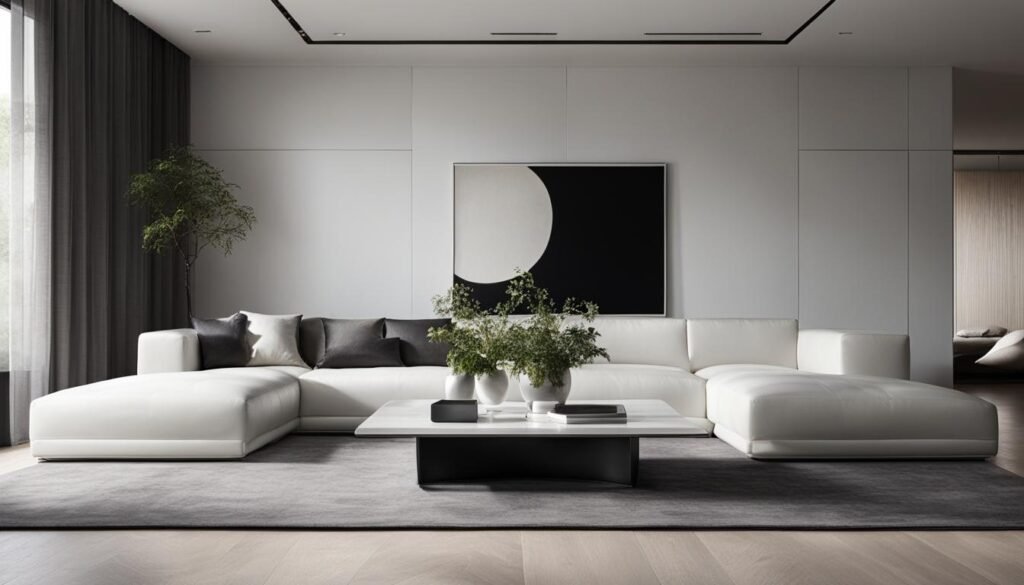
To fully grasp what minimalist style is, one must recognize its core value: simplicity. It is an art form, rooted in the idea that functionality should dictate design. Everything within a minimalist space holds purpose, allowing for an environment free from unnecessary clutter. This design philosophy has shaped my approach to creating spaces that foster tranquility and poise.
Characteristics of Minimalist Interior Design
The characteristics that define minimalist interior design are unmistakable. As I curate a room, the intention is to highlight the harmonious balance between space and light, often accomplished through clean lines and a muted color palette. Such spaces are characterized by open floor plans, minimal furniture, and a focus on the inherent beauty of the materials used. For me, it is essential to imbue minimalist style meaning into every object and feature chosen for my clients.
The Historical Evolution of Minimalistic Aesthetics
Tracing its origins, contemporary minimalism owes its existence to a rich history that crosses cultural and temporal boundaries. Influences from Japanese architecture to Scandinavian design have left an indelible mark on this aesthetic. The timeline of my career charts a similar trajectory, where I’ve seen the increasing appeal of minimalism to those seeking a counterbalance to the frenetic pace of modern life. It has evolved into a timeless style, promising solace and a return to the essentials.
Decluttering Your Living Room with Minimalist Principles
As I navigate the journey of decluttering with minimalism, I’ve discovered the transformative power it has on my living room: a space that once felt claustrophobic is now a bastion of tranquility and purpose. Embracing a minimalist furniture style isn’t just about creating more room; it’s a commitment to enhancing functionality and celebrating the beauty of simplicity.
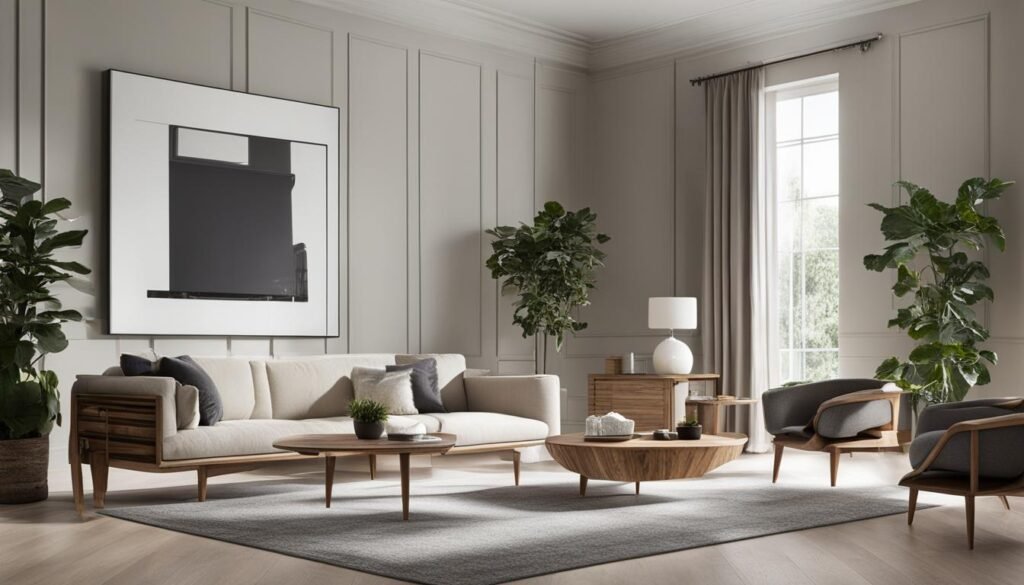
Minimalist living room design principles have prompted me to critically assess each piece of furniture and decor, asking myself whether it adds value to the space. I’ve learned that decluttering is not merely getting rid of things—it’s about making conscious choices. Here’s how I’ve distilled comfort and aesthetics into my minimalist living space:
- Quality Over Quantity: I’ve opted for fewer pieces that not only resonate with minimalist aesthetics but are known for their durability and functionality.
- Focal Points: The inclusion of a mid-century modern chair or a distinctive piece of artwork, retains personality without clutter.
- Storage Solutions: Streamlined storage options keep my essentials out of sight, maintaining a neat and orderly presentation.
- Textural Contrast: I’ve incorporated subtle textures through fabrics and materials, adding depth and warmth while sticking to a neutral color palette.
- Reflective Surfaces: A well-placed mirror enhances the room’s natural light and creates the illusion of more space.
Adopting minimalism in my living room has not only decluttered the space physically but has also brought a sense of peace and clarity to my home. It is this intentional approach to living that keeps my space feeling open, airy, and infinitely welcoming.
Embracing a Minimalist Color Palette
When I integrate a minimalist color scheme into my surroundings, I often opt for a neutral color palette—an essential backbone of minimalist aesthetic. The understated beauty of whites, beiges, and grays is not only visually soothing but also serves as a canvas for personal expression within my space.
Neutral Tones and Their Psychological Impact
One of the most compelling aspects of embracing neutral colors lies in their psychological benefits. When I incorporate pale hues like white and grey, I notice a significant change in my mood and the room’s ambiance. These colors have a unique way of fostering a feeling of tranquility and calmness, often proving essential in today’s fast-paced lifestyle.
- Whites: Purity and clarity, expanding a space’s perceived size
- Beiges: Warmth without dominating, a soft backdrop for living
- Greys: Modern sophistication, a grounding neutral
Incorporating Color in Minimalist Settings
In my experience, the secret to introducing color into a minimalist setting is to do it judiciously. A pop of color can act as a focal point without overbearing the minimalist design. A cushion in burnt orange or a vase in deep sapphire can add depth to the room without compromising its serene and cohesive look.
- Choose one or two accent colors for consistency
- Use colorful art as an anchor for the splash of color
- Opt for colored textiles to subtly introduce vibrancy
Simplicity in design doesn’t exclude vibrancy or personality—it embraces it in an intentional and balanced manner. The minimalist aesthetic I strive for is one that reflects my personal style while promoting a tranquil and orderly environment. As such, minimalist color schemes form the foundation from which to build an interior that is both restful and distinctly mine.
Functional Furniture: Marrying Aesthetics and Utility
As a proponent of the minimalist lifestyle, I’ve always been drawn to the seamless integration of form and functionality in furniture design. Functional minimalist furniture is not just a preference, it’s a necessity for those of us who cherish a streamlined yet stylish habitat. This approach to furniture encompasses a myriad of elements that are essential to a minimalist wardrobe and minimalist fashion approach for living spaces.
In line with this ideology, a well-chosen piece of functional furniture serves as a cornerstone to minimalist decor, fulfilling multiple needs without compromising on aesthetic value. Let’s explore some furniture that illustrates this principle in practice.
- A convertible sofa easily transitions from a daytime lounge to a comfortable guest bed.
- A sleek, extendable dining table that adapts from an intimate meal setting to social gathering space.
- Storage ottomans which double as seating options and organizational compartments.
These multi-functional staples are like chameleons; they effortlessly adapt to the dynamic rhythm of our lives while maintaining a chic, uncluttered vibe in our homes. It’s incredible how such pieces not only complement a minimalist wardrobe philosophy but also echo the sensible sophistication of minimalist fashion trends.
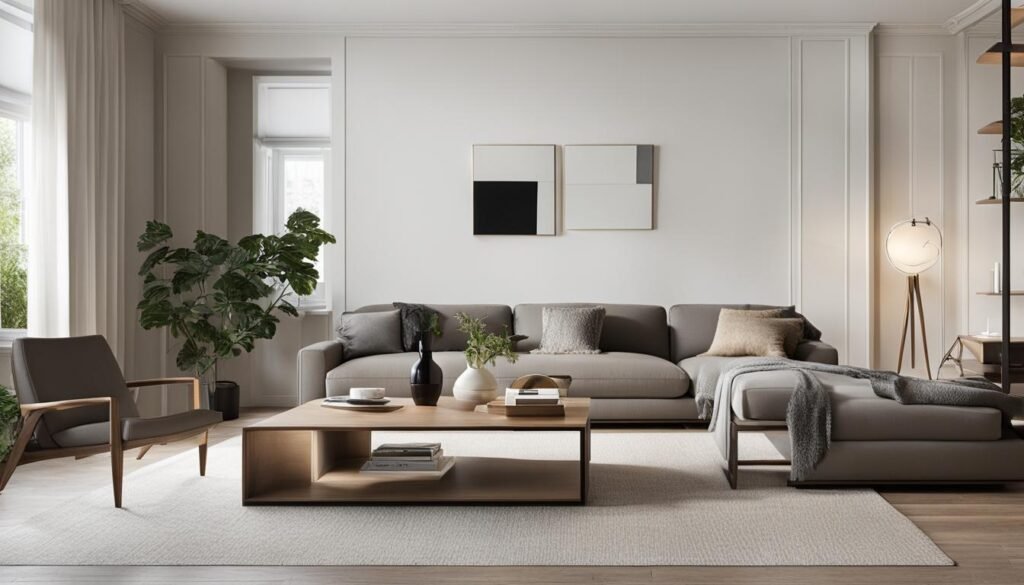
The real beauty of functional minimalist furniture lies not just in their versatility, but also in their capacity to allow other design elements to shine. These pieces affirm that one can have a space that is both practical and visually delightful – without the excess.
Textural Elements and the Minimalist Style
My fascination with minimalist home decor doesn’t just stop at the visual appeal of clean lines and uncluttered spaces; it extends to the textures that evoke a sense of calm and refinement within those spaces. As a proponent of the minimalistic aesthetic, I’ve learned that the strategic use of textural elements can create an atmosphere that is both soothing and invigorating. The art lies in selecting and placing these elements in a way that adds depth and interest without compromising the simplicity that defines minimalism.
Natural Materials and Their Role in Minimalism
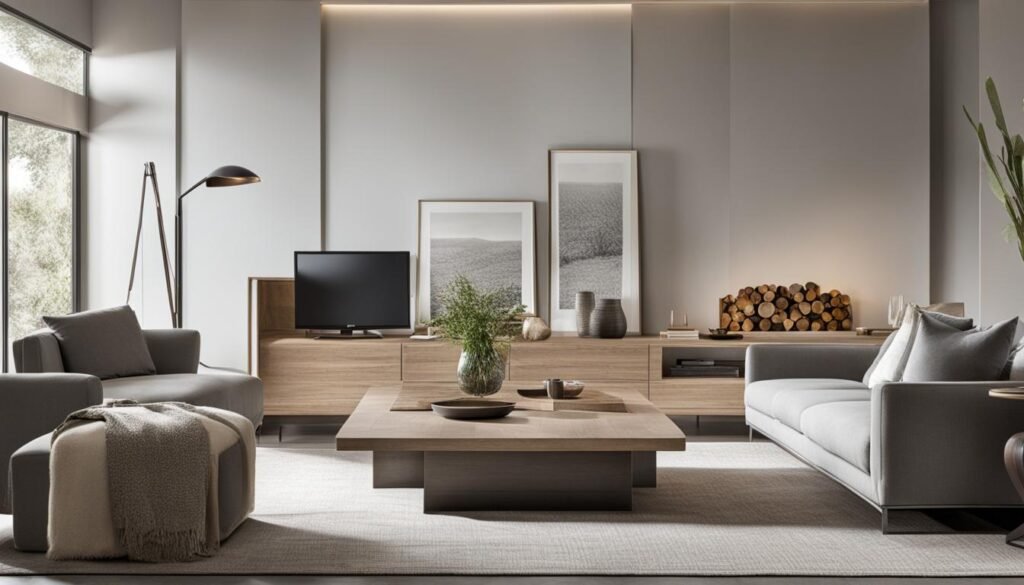
Integrating natural materials in minimalism is more than just a design choice, it’s a tribute to the inherent beauty that comes without excess. Wood with its warm undertones, leather with its sophistication, and linen with its breezy elegance, all contribute to a layered richness that is tactile and visually engaging. These materials have a timeless quality that resonates with my personal design philosophy, which upholds an organic connection with nature and its effortless perfection.
Adding Warmth Without Clutter
Adding warmth to a minimalist space is akin to creating a gentle embrace with the room itself. It’s ensuring there’s a soft rug underfoot as you sip coffee or a knitted throw on a sleek couch inviting you to unwind. My aim is to evoke comfort through subtlety, using pieces that don’t scream for attention but rather, whisper an invitation to relax. This is achieved through the thoughtful curation of textural accents that complement rather than dominate, preserving the spacious and breathable quality that is quintessential to minimalist decor.
Save this article
Enter your email and we'll send it straight to your inbox.
The Role of Light in Enhancing Minimalist Spaces
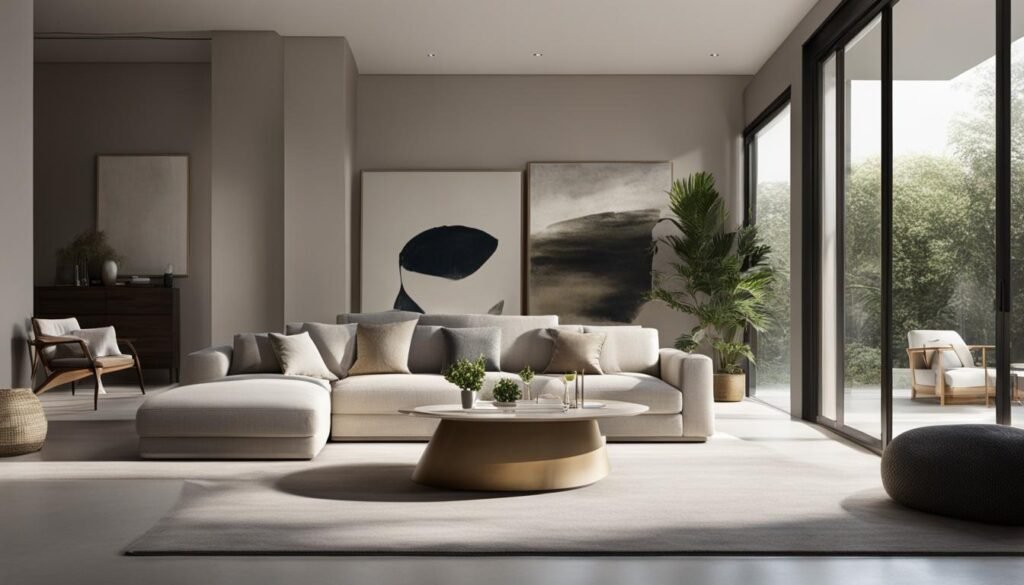
As I delve deeper into the essence of minimalist home design, I’ve discovered that the elegant simplicity of this approach is magnified by the way natural light interacts with the space. At the heart of a minimalistic lifestyle is the pursuit of freedom and clarity, which is vividly brought to life through the strategic use of natural lighting in minimalism. It’s not just about creating a visual impact; it’s about shaping the feel and atmosphere of an entire living area.
Allowing natural light to flow freely through a room doesn’t just enhance the aesthetic appeal; it also fosters the visual illusion of a more expansive space—a cornerstone of minimalist philosophy. A minimalist setting isn’t just a physical location but a moment in time, continuously changing with the sun’s path. The dynamic interplay of shadows and illumination emphasizes clean lines and uncluttered space, making the room feel alive.
- Embrace large windows that invite bountiful light and air.
- Reflective surfaces magnify illumination, making rooms feel more vibrant.
- Transparent materials like glass maintain openness.
In my experience, even the subtlest ray of light can redefine a room, creating interplays of brightness and shade that complement the minimalist decor. Achieving that perfect harmony between light and living space transcends mere design; it’s the crafting of an experience, an ambience that fully embodies the tranquility and essence of minimalism.
- Forego heavy, obstructive window treatments in favor of sheer materials.
- Strategically place mirrors to distribute light and enhance the sense of space.
- Consider the color palette, as lighter hues reflect more light.
The transformative impact of judiciously applied natural light within minimalist spaces reaffirms the adage that less is indeed more. It’s not just about the space one occupies, but also about the light that permeates it, enriching the minimalistic ethos with every sunrise.
Investing in Quality: The Longevity of Minimalist Pieces
As someone deeply immersed in the world of minimalist art and decor, I’ve always prioritized the quality and durability of each piece that becomes part of my living space. The ethos of sustainable minimalist living is more than a design trend; it is a commitment to cultivating an environment that stands the test of time both aesthetically and functionally. By focusing on durable minimalist furniture and decor, not only do I curate a space that echoes the principles of minimalism, but I also uphold an eco-conscious lifestyle that counters the throwaway culture prevalent in today’s society.
In my quest to combine form, function, and sustainability, I adhere to a set of criteria when selecting minimalist pieces for my home. These criteria ensure that every item I choose aligns with the enduring values of minimalist design, and contributes to a cost-effective minimalist design strategy in the long run.
How to Choose Durable and Sustainable Items
When curating minimalist pieces for my space, I look for the following characteristics:
- High-quality materials: Whether it’s solid wood, stainless steel, or natural fibers, premium materials are pivotal in crafting items that endure daily use and resist wear and tear.
- Simplicity in design: Aesthetically timeless designs are less likely to fall out of fashion, which means a prolonged life for each piece within my minimalist aesthetic.
- Reputable craftsmanship: I invest in furniture and artwork that has been skillfully created, often opting for pieces from artisans and designers known for their commitment to excellence.
The Cost-Effectiveness of Minimalist Style Investments
Adopting a minimalist approach to living doesn’t just offer visual and spatial benefits; it also proves to be economically sound over the long haul. The premise behind this lies in the longevity of the minimalist pieces one invests in. Here’s how this approach leads to cost savings:
- Long-term value: Durable pieces are synonymous with reduced frequency of replacements or costly repairs.
- Energy efficiency: By choosing items that work well with natural lighting and open space, I have less reliance on artificial lighting, leading to lower energy bills.
- Timelessness: Minimalist pieces are not subject to fads, thus avoiding the need for constant updates to keep up with the latest trends.
Embracing minimalist values in the design of ones living space is not merely an artistic venture, but a practical one too. It is a thoughtful approach to living that rewards both the environment and my finances, affirming that the true essence of minimalist living lies in making choices that last, both in style and in substance.
Maximizing Small Spaces with Minimalist Techniques
As we delve deeper into the art of minimalistic design, it’s fascinating to recognize how it can completely alter the perception of our living spaces. My approach to minimalist techniques for small spaces is grounded in the belief that simplicity can indeed breed sophistication. By mindfully selecting pieces and arranging them with intent, I can transform even the most cramped spaces into an expansive retreat that echoes minimalist principles. The charm lies in the understated elegance; it’s about making more from less, ensuring each element performs multiple roles without compromising on style or functionality.
Techniques for Creating the Illusion of Space
Creating an illusion of space is paramount in minimalist techniques for small spaces. I prefer to incorporate furniture that has a refined and slender silhouette, making the room appear larger without sacrificing comfort or practicality. The magic of mirrors is not to be understated—they reflect natural light and views, thus opening up the room further. I am a proponent for reducing visual clutter; clean lines and unobstructed pathways maintain a room’s airy feel. By doing so, I help ensure the area feels more substantial and breathable, optimizing the minimal square footage at hand.
Storage Solutions that Align with Minimalist Decor
As for minimalist storage solutions, they embody the ethos of beauty and utility. My emphasis is always on selecting storage that not only fits seamlessly with the minimalist decor but also addresses organisational needs without becoming intrusive. Built-ins are an excellent way to maintain clean lines while multi-functional furniture like ottomans with storage or beds with drawers preserve the minimalist aesthetic. The goal is to achieve an organized space where every item has its place, and clutter is cleverly stored away, contributing to a clutter-free sanctuary that’s as tranquil as it is inviting.
FAQ
What defines minimalist style in interior design?
Minimalist style in interior design is characterized by its simplicity, clean lines, uncluttered spaces, and muted color palettes. It focuses on functionality and minimal decoration, ensuring each item has a purpose and contributes to the overall sense of calm and order in the space.
How can I simplify my space with minimalist styles?
Simplifying your space with minimalist styles involves decluttering, choosing functional furniture, adhering to a neutral color palette, and incorporating textural elements to add warmth without creating clutter. Emphasize simplicity in every choice, from decor to furnishings, and prioritize items that possess both functional and aesthetic value.
What is the historical evolution of minimalistic aesthetics?
The historical evolution of minimalistic aesthetics reflects a trend towards simplicity and functionality that has picked up influences from different cultures and periods. Contemporary minimalism draws on these traditions, creating timeless and tranquil spaces that allow individuals to focus and relax in an increasingly hectic world.
How can decluttering my living room enhance its design?
Decluttering your living room can significantly enhance its design by opening up the space, making it more functional and inviting. By removing unnecessary items and choosing furnishings wisely, you create a room that is not only aesthetically pleasing but also caters to your everyday living needs.
Why is a minimalist color palette often neutral?
A minimalist color palette is often neutral because these shades foster a serene and calm atmosphere, helping to induce tranquility and reduce stress. Neutrals form a base that can be accentuated with color splashes, ensuring the space remains peaceful and cohesive.
What is the importance of functional furniture in minimalist fashion?
Functional furniture is vital in minimalist fashion as it aligns with the principles of simplicity and quality. Multi-purpose and convertible furniture pieces support a clean aesthetic while serving practical needs, reducing the clutter that additional items might create.
How do natural materials contribute to minimalist home decor?
Natural materials like wood, leather, and linen add depth, warmth, and an understated elegance to minimalist home decor. They contribute tactile sensation and organic beauty, which enhance the minimalistic aesthetic without adding visual clutter.
What role does light play in minimalist home design?
Light plays a crucial role in minimalist home design by creating an airy ambiance, making spaces appear larger and more open. Natural light helps highlight the simplicity and clean lines of the decor, contributing to the overall minimalist aesthetic.
How should I select durable and sustainable items for minimalist decor?
When selecting durable and sustainable items for minimalist decor, focus on quality, longevity, and sustainability. Choose materials that are known for their durability and items that feature timeless design, ensuring they will transcend fleeting trends and last for years to come.
What minimalist techniques can maximize small living spaces?
Techniques to maximize small living spaces with minimalism include opting for furniture with slim profiles, using mirrors to expand the sense of space, minimizing visual clutter, and incorporating smart storage solutions that maintain a tidy and spacious atmosphere.
Save this article
We'll email you the link so you can find it again later.


