As someone deeply invested in the art of interior design, I’ve often encountered the frequent mix-ups between modern and contemporary styles. Dive into this discussion with me as we explore the modern vs contemporary debate, elucidating the difference between modern and contemporary aesthetics. What is the difference between contemporary and modern design, you ask? It’s a distinction that lies in their history, philosophy, and visual appearance. With my guidance, we’ll demystify these terms, so you can distinguish between modern vs contemporary style and modern vs contemporary design with confidence.
Key Takeaways
- Understanding the historical backdrop is key to distinguishing modern vs contemporary design.
- Modern design stems from the modernism movement and is characterized by functionality and simplicity.
- Contemporary style is fluid, tapping into current trends while borrowing from different eras.
- The intersection of clean lines and minimalism appears in both, yet they diverge in philosophy and execution.
- Modern design favors a warm, muted color palette, whereas contemporary design often opts for bolder contrasts.
- Both styles reflect an artistic sensibility that caters to an uncluttered and serene living environment.
Understanding the Roots of Modern Design
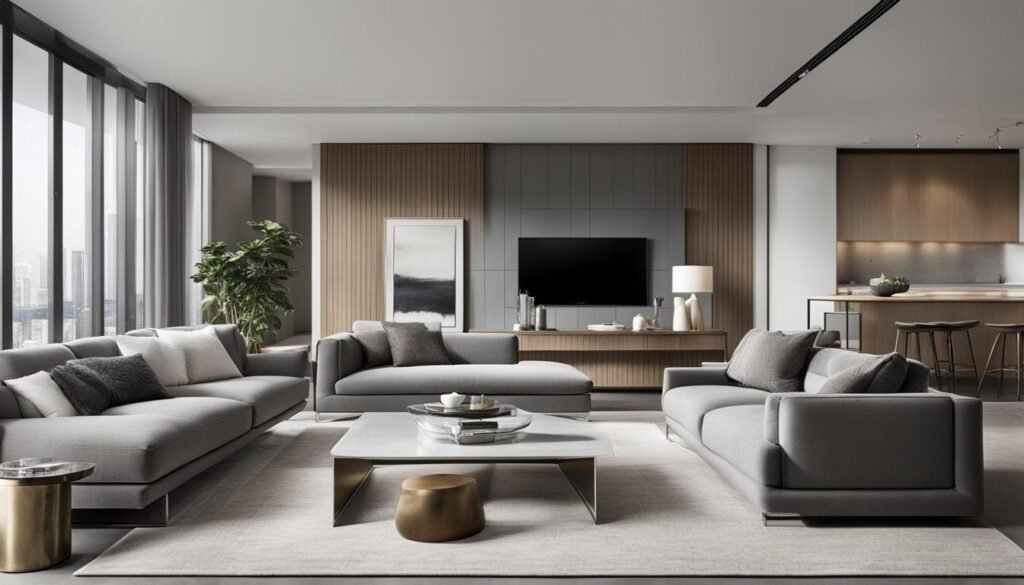
My exploration into the world of modern design takes us on a journey back in time, where the seeds of modernism in decor first began to sprout. Distinguished by an unwavering commitment to simplicity and inspired innovation, the modernist era carved out a fundamental place in history, fostering an aesthetic that continues to influence the modern home of today.
The Birth and Evolution of Modernism in Decor
The rise of modernism can be traced back to the burgeoning societal changes at the cusp of the 18th century. Its impact burgeoned in the 1900s through the 1950s, with iconic institutions like the Bauhaus school championing a design ethos where form met function in the most unadorned ways imaginable. Designers across the Nordic landscapes also played a crucial role, infusing their creations with a simplicity that echoed their lush, serene environments.
Key Elements Defining the Modern Aesthetic
- Muted color palettes: Soft tones that draw from the earth and sky, evoking a sense of calm and collected serenity in the space.
- Natural materials: The use of wood, leather, and other organics, lending warmth and authenticity to the design.
- Streamlined furniture: Designs that are minimalist yet functional, with every curve and angle serving a purpose.
The Transition into Midcentury Modern and Postmodernism
As modernism evolved, the bold, vibrant hues of midcentury modern took center stage with their unapologetic expression of color and form. Progressing further, the whimsicality of postmodernism shattered the mold, granting permission for design to be playfully extravagant, where form was often celebrated over function, bringing a new depth to modern interior design.
My appreciation for these historical design movements guides my understanding of what constitutes a true modern home, encased not just in the tangible but also in the profound cultural currents that shaped an era. As I delve deeper into this narrative, I am reminded that the roots of modern design are far more than just a visual aesthetic, they are a testament to the ingenuity and spirit of innovation that continues to evolve well into our present day.
The Emergence of Contemporary Style
As a journalist who has closely observed the evolutions in home aesthetics, I can attest that the contemporary style emerged as a beacon of design adaptability. Unlike its predecessor, contemporary decor is not restricted to a particular period. Rather, it is a reflection of the prevailing spirit of innovation that originated in the 1970s and continues to evolve to this day. This flexibility is what sets contemporary versus modern design apart.
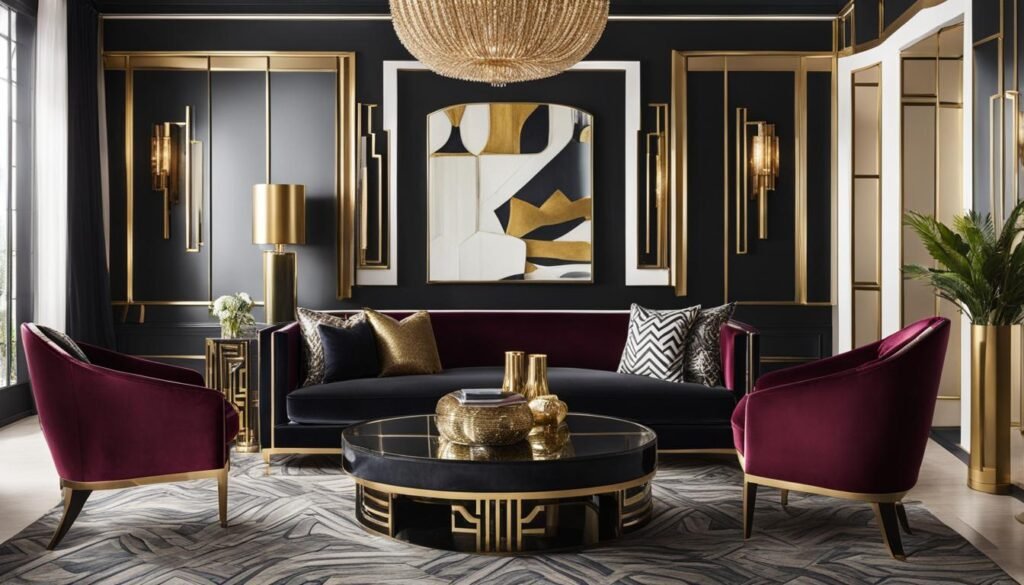
In a contemporary home, one is likely to encounter a blend of elements that draw upon modernism’s clean lines while also incorporating Art Deco’s opulence and futurism’s forward-thinking shapes. This mingling of influences results in interiors that are as much about comfort as they are about style—a defining mark of contemporary interior design. It’s this versatility that makes contemporary design eternally fresh and relevant.
- Adaptability to current trends
- Combination of historical design elements
- Regular redefinition to stay current
The dynamic nature of contemporary decor is what makes it so captivating. I’ve seen homes transform with simple updates—whether through a piece of statement furniture or a bold new color palette—and it becomes clear that the essence of contemporary style is its ability to embrace change.
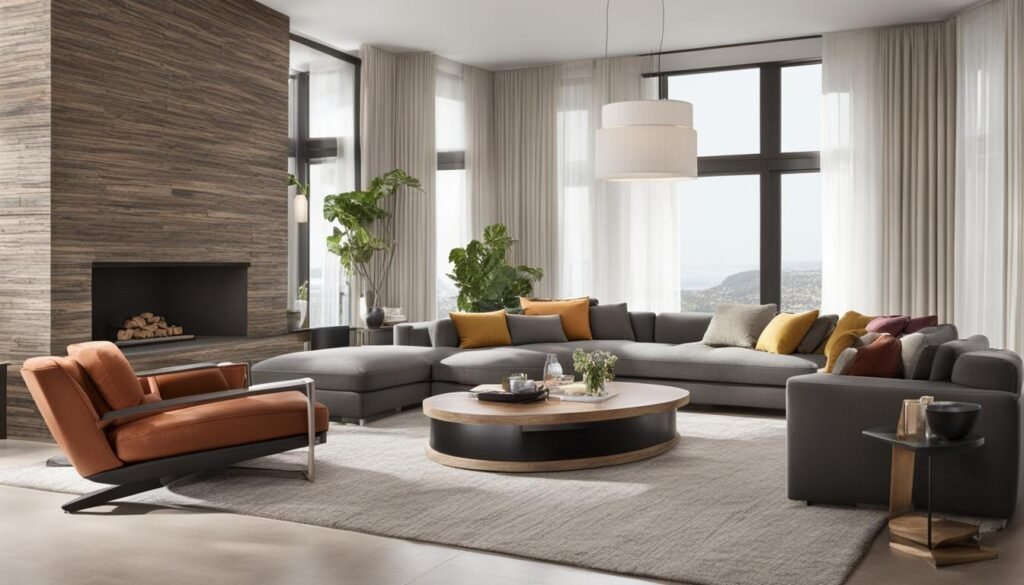
My journey through various homes and design expos has shown me that the enduring appeal of the contemporary style lies in its malleability. It’s not just a framework for arranging one’s living space; it’s a ongoing dialogue with the ever-changing landscape of design, making it a perennial favorite among those who wish to stay abreast of the latest in aesthetic innovation.
Comparing Aesthetics: Modern vs Contemporary
When I delve into the realm of interior design, a recurrent theme I encounter is the juxtaposition of modern versus contemporary aesthetics. The common thread that binds these distinct styles is a foundation of minimalist principles, with spaces that breathe ease and visual tranquility. Yet, the essence of modern contemporary style reflects an interplay of historical reverence and a pulse on current tastes.
Common Characteristics Shared by Both Styles
Both modern and contemporary designs share a love for open, uncluttered spaces. It’s this spatial harmony that creates an environment conducive to relaxation and repose. The sleek, smooth lines common to these styles contribute to their shared aesthetic, marking their place in architectures and homes as havens of the artistic and the functional. Herein lies the crux of comparing modern vs contemporary: recognizing the overlap while appreciating the subtle nuances that render them individually distinctive.
Contrasting Design Philosophies
The aesthetic differences between contemporary modern design and its modern counterpart are grounded in their respective design philosophies. Modern design anchors itself in the historical context of the mid-20th century, upholding functionality and simplicity. It prefers long, low lying furniture—a tribute to its modernist roots. In contrast, contemporary style assumes a fluid identity, continually morphing to mirror the most avant-garde trend, making room for ornamentation and bolder, contrasting color schemes. Straddling the line between past and present, contemporary style harnesses both tradition and innovation.
Defining Modern vs Contemporary Interior Design
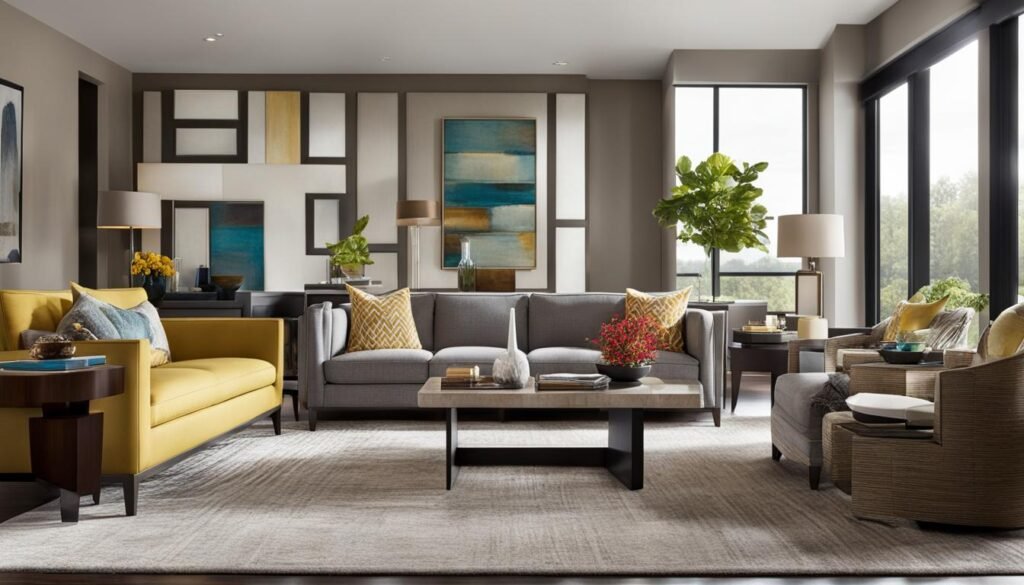
As I delve into the intricacies of modern vs contemporary interior design, I find it crucial to highlight the temporal and stylistic boundaries that define these two interior design styles. Modern interior design, with its genesis in the early to mid 20th century, upholds a design philosophy steeped in the principles of functionality and simplicity. Its fondness for an orderly aesthetic blends seamlessly with natural materials and earth-toned color palettes, setting a stage for an inviting and warm ambience.
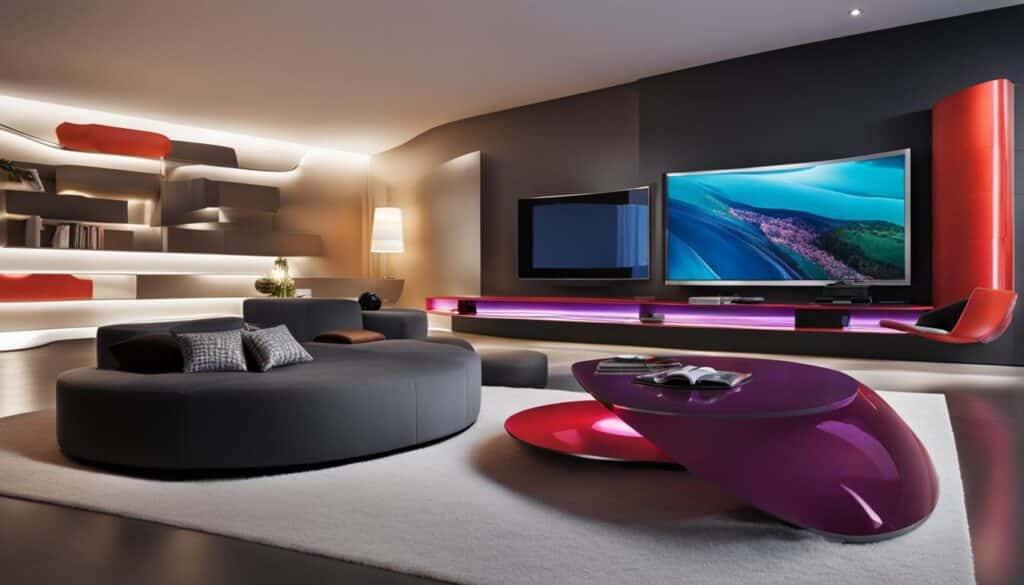
Contrary to modern interior design, contemporary vs modern interior design is a testament to the fluid nature of style—as it engages with the current, and at times transient, design trends. Contemporary design doesn’t tether itself to a specific era but rather boasts a bold amalgamation of varied historical influences, featuring stark contrasts complemented by smooth, curved lines. Its ornamentation is eclectic, and the use of reflective materials—such as chrome and glass—imbues spaces with an aura of modernity poised at the forefront of design innovation.
In my exploration of the vast array of interior design styles, I’ve come to recognize a list of distinguishing characteristics for each style:
- Modern Interior Design:
- Utilizes muted, earthy color schemes
- Focuses on functionality and simplicity
- Embraces natural materials like wood, stone, and leather
- Prefers streamlined, angular furniture with a mid-century flair
- Contemporary Interior Design:
- Leverages high-contrast color schemes, with an emphasis on black, white, and bold hues
- Melds together elements from different time periods
- Incorporates eclectic ornamentation and avant-garde art pieces
- Favors reflective surfaces and modern, curvaceous forms
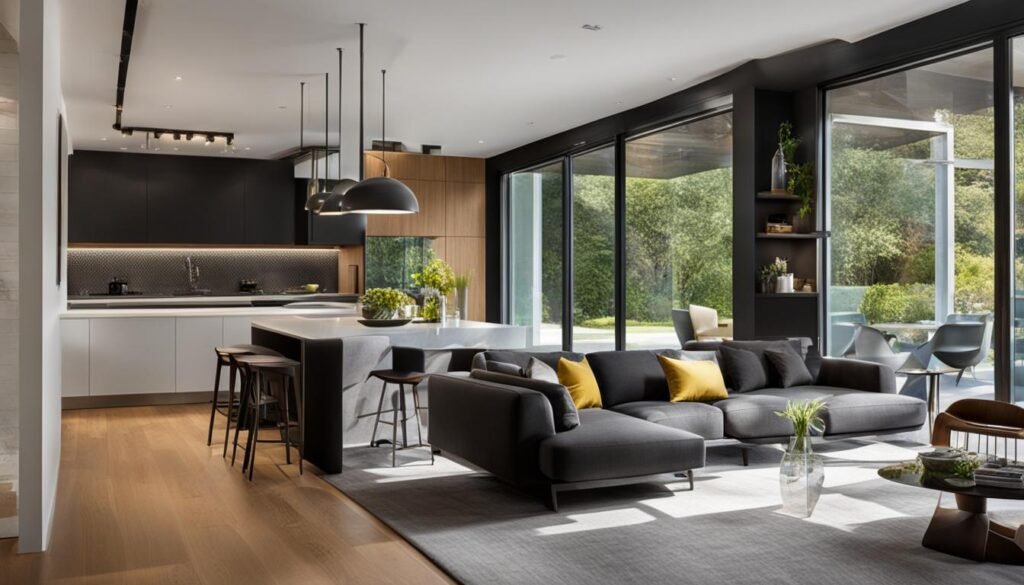
When reflecting on the current landscape of interior design, it’s evident that one’s choice between modern and contemporary decor is often guided by personal proclivities towards historical charm or a penchant for the evolving edge of design trends. Whether it be the understated elegance of modern aesthetic or the dynamic and ornamental allure of contemporary spaces, both convey a unique philosophy and lifestyle, resonant with individual design sensibilities.
The Influence of Furniture in Modern and Contemporary Homes
When I delve into the world of interior design, the impact of furniture on the overall aesthetic of a space is undeniable. Distinguishing modern vs contemporary furniture is key to understanding their respective roles in creating environments that either pay homage to the mid-20th century or echo the beat of today’s homes. The right piece can serve as a functional fixture or emerge as the showstopping centerpiece of a room. Let’s explore the distinct attributes that define furniture design within these two popular styles.
Modern Furniture: Functional and Natural
Modern furniture encapsulates the spirit of the 1900s to 1950s era with an emphasis on clean, uncluttered lines and reliance on natural furniture materials such as wood and supple leather. This kind of furniture design is more than a nod to history; it is about harnessing the timeless appeal of simplicity and the innate warmth of materials that have been part of the human experience for millennia. For example, a classic Eames lounge chair not only provides ergonomic comfort but also evokes an understated elegance that is unmistakably modern.
Contemporary Furniture: Ornamental and Reflective
In contrast, contemporary vs modern furniture often blurs the line between utilitarian object and avant-garde sculpture. The glossy finishes, ornamental furniture edges, and experimental forms prevalent in contemporary design bespeak a culture constantly chasing the new and the now. Reflective surfaces made of chrome and glass are frequently chosen to convey a fresh, cutting-edge environment—a sometimes daring, sometimes whimsical rebellion against the austerity of their modernist forebears.
As a passionate observer of design trends, my analysis renders a clear vision: furniture is not merely present in a room; it communicates the narrative of the home’s inhabitants. Whether through the timeless allure of modern furniture or the innovative vibrancy of contemporary pieces, furniture design stands as a testament to the era it represents, as well as the personal taste of those who select it.
Color Schemes and Material Choices in Design
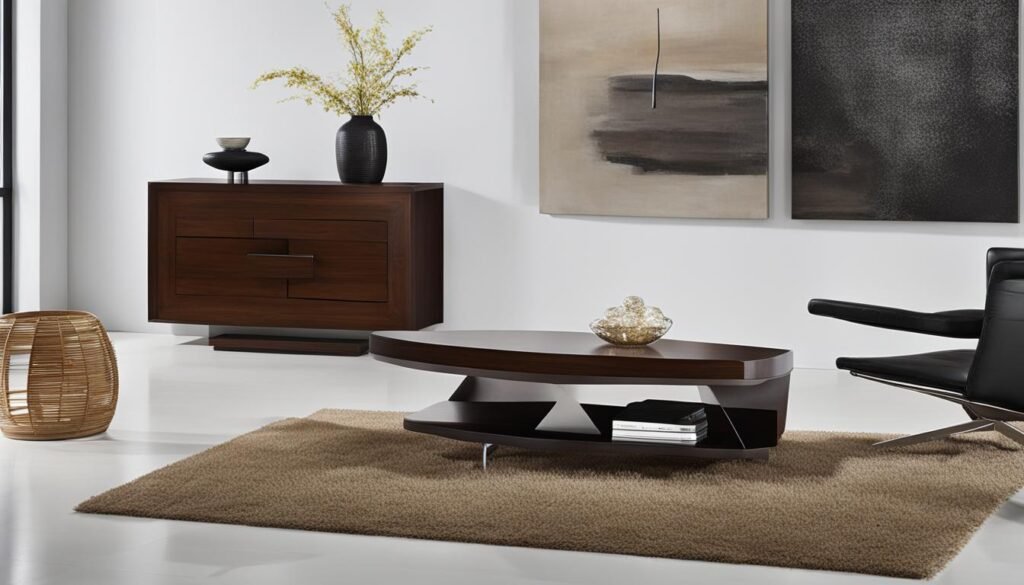
As I explore the subtle nuances that define modern vs contemporary color schemes, it becomes evident that these styles paint our spaces with distinct brushes. The choice of color and materials in design not only informs the aesthetic but also reflects the philosophy underlying each style. Embracing natural elegance, modern design colors offer a muted and earthy palette, while contemporary style palette brings forth an electric vibe with its boldness and contrast. Let’s delve deeper into how these signatures profoundly impact our perception of space and style.
Modern Design’s Muted and Earthy Palette
In the realm of modern design, there’s a profound respect for the understated. This style embodies an organic connection with nature, championed by the use of materials that speak to both form and function. My personal adoration for the modern design colors comes from their ability to evoke a sense of calm and warmth. From the serene greys and rich browns of the soil to the soft beiges of sandy beaches, every color choice is rooted in the natural world, providing a sanctuary from the clamor of modern life.
- Wood tones that vary from deep walnut to light Scandinavian blondes
- Leather accents that age gracefully, telling their story through patina
- Stones such as marble and granite provide cool elegance
Contemporary Style’s Boldness and Contrast
On the other side of the spectrum lies the dynamism of the contemporary style palette. Here, the dramatic interplay of black and white forms the backbone of a design that’s unafraid to make a statement. But it’s not just about the monochromes; splashes of bold, saturated colors break the dichotomy, adding layers of depth and interest to interiors. Materials are chosen for their ability to reflect and disrupt light, adding a layer of complexity to every surface.
Save this article
Enter your email and we'll send it straight to your inbox.
- Gloss and sheen from polished metals and reflective surfaces
- Industrial flair with elements of glass and steel
- Vibrant accents that serve as focal points
Architectural Elements of Modern vs Contemporary Homes
Exploring the nuanced distinctions between modern vs contemporary architecture, I am drawn to the deliberate and thoughtful design choices that delineate each style. In modern architecture, the simplicity of structure and the seamless organic integration with the surrounding environment stand paramount. This approach to design employs a minimalist ethos, where every architectural element is essential and intentional. The result is a harmonious blend of open floor plans that fluidly connects indoor and outdoor spaces, ensuring utility and elegance.
Conversely, the dynamic nature of contemporary home architecture embraces a bold experimentation not beholden to any one time period. It’s in contemporary homes that you’ll find an exuberant use of new materials and technologies to create forms that are as functional as they are visually striking. The freedom inherent in contemporary design allows for a variety of expressions, from understated elegance to eclectic boldness, catering to the individual’s preference for innovation and contemporary trends.
- Modern homes focus on practicality and simplicity
- Contemporary homes offer a wide array of experimental designs
- Both pull from a desire to meld indoors with outdoors
- Innovation drives contemporary architectural forms
In essence, modern and contemporary homes reflect two different philosophies; one rooted in a movement defined by time and the other a fluid expression of current zeitgeist. As I delve deeper into these styles, my appreciation grows for how each plays a role in shaping the aesthetics of our living environments. Whether you gravitate towards the timeless appeal of modern or the progressive allure of contemporary, the beauty lies in the juxtaposition of two schools of thought that continue to influence architectural design today.
Appreciating Modern and Contemporary Art within Decor
As I delve into the realms of styling a home, I find myself continuously fascinated by the integral role art plays in accentuating both modern and contemporary designs. Art in home decor is not merely an accessory; it is a statement of the era and an embodiment of the homeowner’s taste and cultural intellect. Through the subtle nuances of art, one can effortlessly convey the elegance of modern art decor or the dynamic diversity of contemporary art living spaces.
Modern Art Influences in Home Decor
Modern art has a storied history of influencing interior aesthetics with a focus on abstraction, simplifying forms to essence and emotion. In my experience, these pieces serve not only as decor but as functional components that uphold the modern dictum: form follows function. It’s truly remarkable how effectively a well-chosen piece of modern art can complete the look of a sleek, streamlined room.
Contemporary Art Inspirations for Living Spaces
Contemporary art, compared to its modern counterpart, presents an ever-changing palette that blends seamlessly with current design movements. It’s here in contemporary living spaces that art becomes a diverse conversation starter, reflecting a snapshot of today’s culture through various medium and form. This art form invites an ongoing dialogue, continuously redefining the space it inhabits.
In my own living room, for example, the addition of a contemporary sculpture serves as an evocative centerpiece that resonates with both personal narrative and current societal commentary. This interplay between modern vs contemporary art, and how each interacts within a space, speaks volumes on the homeowner’s vision and the era they draw inspiration from.
- Modern Art Decor: Emphasizes geometric forms and a restrained color palette, aligning with minimalist furniture and design elements.
- Contemporary Art Living Spaces: Often feature a bold use of color and innovative mediums, enhancing spaces that are fluid and indicative of present-day trends.
Whether one leans towards the timeless allure of modern art or the forward-thinking vibrance of contemporary pieces, it’s undeniable that art and decor are inextricably linked, each one elevating the other to new heights of design sophistication.
Navigating Decor Trends: Modern vs Contemporary
As an ardent observer of design, I’ve witnessed the ebb and flow of decor trends, particularly within the modern vs contemporary decor sphere. My cultivated eye discerns that modern decor trends vividly capture an era-specific authenticity, with their legacy rooted in mid-20th century ingenuity. These designs lean heavily into organic forms and natural materials, echoing a timeless narrative of elegance that’s as much about functionality as it is about aesthetic longevity. The spaces imbued with this style exude a sense of serene order, harmonizing the old with the comfortably familiar.
On the flip side, today’s contemporary vs modern design trends are akin to a canvas that’s continually repainted. They reflect the pulse of current style ideologies, with a propensity for sleek profiles and audacious statement pieces. Contemporary decor’s palette is ever-evolving, harnessing the vigor of modern contemporary decor philosophies. Each space becomes a testbed for bold innovation, flaunting ornamentation that ventures beyond the safe harbors of muted pastels and into the vibrant tempest of color and form that characterizes current tastes.
My role in this landscape is to guide through the subtleties that render these streams of thought distinct yet occasionally intertwined. Whether opting for the understated symmetry of modern decor or the vibrant kaleidoscope of contemporary aesthetics, one thing remains clear—the design choice is ultimately a mirror of individual identity. It’s about crafting spaces that resonate with personal style while navigating the currents of broader decor trends, ensuring that home is not only a reflection of the times but also a sanctuary that embodies a sense of self.
FAQ
What is the difference between contemporary and modern design?
Modern design refers to a specific period that covers the early to mid-20th century and includes styles such as midcentury modern and postmodernism, defined by its minimalist aesthetic, functionality, and use of natural materials. Contemporary design, on the other hand, is ongoing and reflects current trends, often incorporating a mix of various styles with a preference for bold colors, sleek lines, and reflective materials.
How did modernism in decor evolve?
Modernism in decor evolved from the late 19th century onwards, heavily influenced by the Bauhaus school and Scandinavian design principles. It transitioned from the minimalist and functional designs of the early to mid-20th century to the vibrant midcentury modern in the 50s and 60s, and eventually into the bold and whimsical postmodernism in the 70s and 80s.
What are key elements defining the modern aesthetic?
The modern aesthetic is defined by simplicity, functional design, organic materials, muted and earthy color palettes, and streamlined furniture with clean lines. The use of natural elements such as wood and leather, and a focus on efficient design and comfort, are key characteristics of modern design.
When did contemporary style emerge and what does it represent?
Contemporary style emerged in the 1970s, alongside the rise of postmodernism. It represents an ever-evolving blend of design elements from various periods including modernism, Art Deco, and deconstructivism, reflecting the current trends and innovative approaches in design.
What are the common characteristics shared by modern and contemporary styles?
Both modern and contemporary styles share characteristics such as clean and uncluttered spaces, smooth lines, and an emphasis on minimalism with an artistic approach. They aim to create environments that are comfortable, inviting, and aesthetically pleasing.
How do the design philosophies of modern and contemporary differ?
Modern design philosophy is anchored in a historical era, showcasing an aesthetic that celebrates mid-20th-century sensibilities focused on functionality and simplicity. Contemporary design philosophy is adaptive and reflects the current societal trends and design innovations, often putting a greater emphasis on form and ornamentation.
What is distinctive about modern interior design?
Modern interior design is known for its inviting, warm environments that prioritize function. It features natural materials, orderly aesthetics, muted colors, and furniture designs from the 1900s to 1950s with a focus on simplicity and user friendliness.
How is contemporary furniture characterized?
Contemporary furniture is characterized by its ornamental design, sleek curves, and reflective materials like glass and chrome. It often features bold colors and innovative forms that reflect the latest design trends, contrasting with the natural and functional aspects of modern furniture.
What distinguishes the color schemes and material choices of modern design from contemporary style?
Modern design features muted, earthy color schemes with natural and organic materials emphasizing harmony and functionality. Contemporary style exhibits stark contrasts and boldness with industrial materials like glass and steel, often using black, white, and vibrant hues for dramatic effect.
How do the architectural elements of modern homes differ from contemporary homes?
Modern homes emphasize structural simplicity, a connection to the outdoors, and the thoughtful use of materials, with design often dictated by functionality. Contemporary homes embody a varied array of experimentations in form, utilizing new technologies and materials, often resulting in eclectic and bold architectural statements.
What role does art play in modern and contemporary decor?
In modern decor, art typically aligns with the aesthetic of minimalism and functionality, often with abstract or conceptual themes. Contemporary decor utilizes art to reflect current cultural narratives and trends, frequently incorporating a diverse range of influences, mediums, and messages.
How do modern decor trends compare to contemporary decor trends?
Modern decor trends hold on to the clarity and organic forms of mid-20th-century design, favoring materials and pieces that underscore comfort and practicality. Contemporary decor trends are fluid and changeable, mirroring the immediacy of modern design movements with a focus on sleek, striking, and sometimes unexpected elements in decor.
Save this article
We'll email you the link so you can find it again later.