

As an interior design enthusiast, I’ve always been fascinated by how spaces can influence emotions and behavior. It’s clear that the psychology of color for interior design plays a pivotal role in creating environments that resonate with our most innate feelings. In my approach, I consider the emotional effects of color in design, tapping into the connection between hue and mood to craft spaces that aren’t just visually appealing, but also emotionally supportive. Whether drawing on the calming shades of blue or energizing splashes of orange, the importance of color psychology in interior design can’t be overstated.
Through studying color theory in interior design, I recognize that each color holds the potential to transform a room’s atmosphere, affecting everything from tranquility to creativity. In aligning my designs with the psychological properties associated with different colors, I strive to create spaces that are both a haven and an inspiration to those who inhabit them.
Key Takeaways
- Color psychology significantly shapes the interior spaces we inhabit, influencing mood and behavior.
- Understanding the emotional impact of each color is crucial for creating atmosphere and functionality in design.
- Awareness of color’s influence is essential for aligning design choices with a client’s personal style and needs.
- Using color theory, designers can evoke specific psychological responses, enhancing the aesthetics and comfort of a space.
- It’s important to note individual reactions to colors vary, making personalized color selection a key aspect of design.
Exploring the Basics of Color Psychology in Interior Design
As a professional with a keen interest in psychology interior design, I find the interplay between hues and human emotion fascinating. Understanding the psychology of color is essential for crafting spaces that do more than just please the eye; they must also nurture the soul.
Understanding the Spectrum: Colors and Their Psychological Impacts
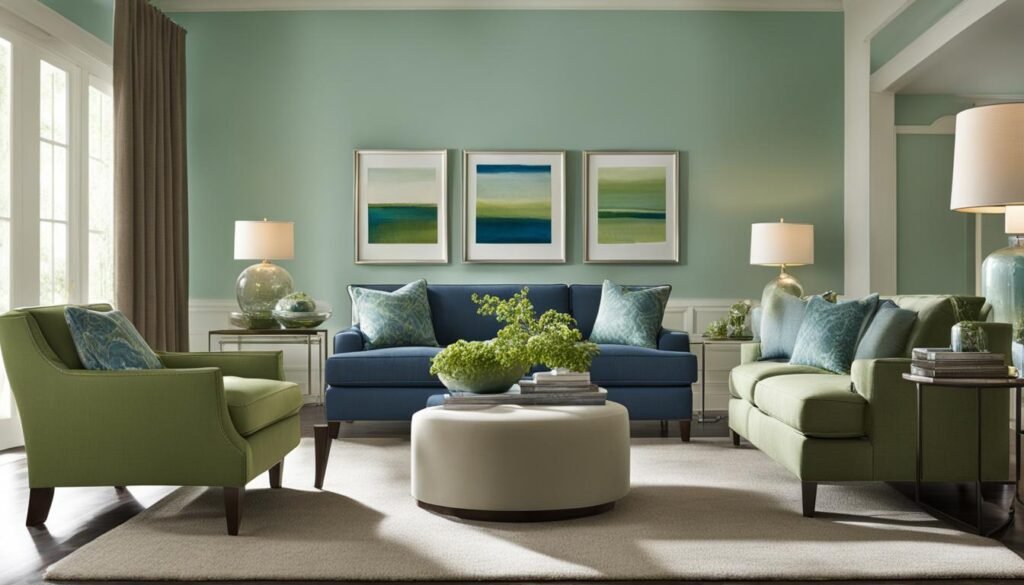
Each color in the palette carries a unique psychological weight. Blues and greens, for example, are universally acknowledged for their calming effect, making them excellent choices for bedrooms and bathrooms where tranquility is treasured. On the other hand, the energizing reds are often utilized in areas where activity and interaction are encouraged, like dining rooms and kitchens. The key to using colors in interior design is not merely selecting shades that are trendy or appealing but understanding how they impact the mind and mood of those living in the space.
Color Psychology: More Than Meets the Eye
It is about digging deeper into the subtle ways color nuances affect our day-to-day experiences. For instance, warmer tones can provoke a sense of comfort and security, essential for making a house feel like a home. Yet, there is a fragile boundary where comfort ends and lethargy begins, especially with darker shades like brown or black.
The Science Behind Color Influences in Interior Spaces
Scientific research offers insight into how distinct environments change our psychological state. In the context of interior design, designers draw on these insights to establish spaces that not only serve functional purposes but also contribute to the well-being and mental health of the occupants. By leveraging hues that foster concentration, creativity, or calm, we can significantly enhance the quality of life within our crafted environments.
Ultimately, the judicious application of color theory wields the power to transform spaces from mere areas of habitation to sanctuaries that resonate with our innermost selves. The quest for balance, harmony, and function lies at the heart of the impact of color in interior design, showcasing the profound influence of our chromatic choices.
Incorporating Color Psychology for Enhanced Mood and Aesthetics
As an interior designer deeply entrenched in the psychology of color for interior design, I find immense value in harnessing hues to influence mood and aesthetics. The strategic use of color can transform an area from mundane to magnificent, ensuring that each space not only serves a functional purpose but also contributes to the overall well-being of its inhabitants.
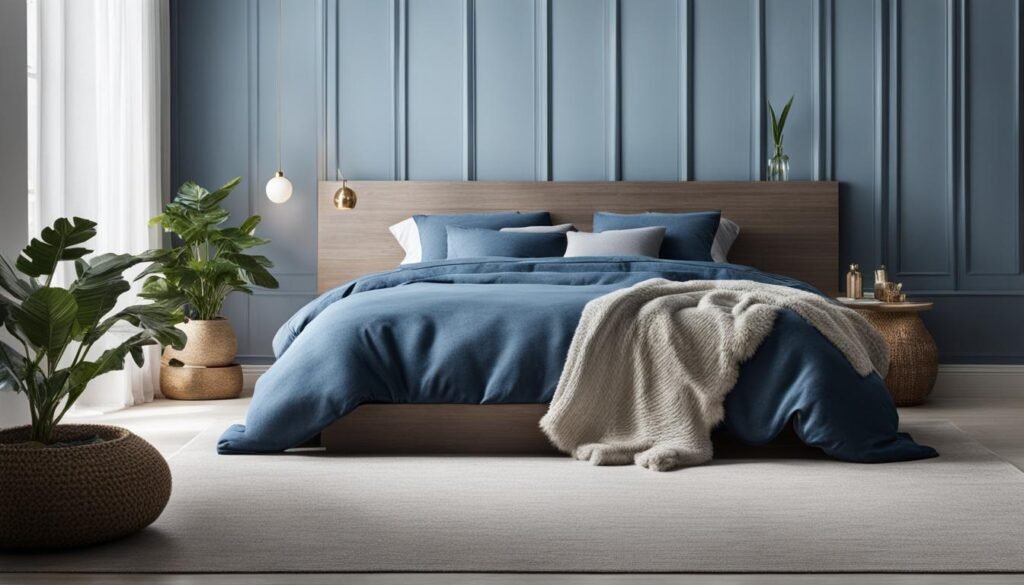
I have witnessed firsthand how applying color psychology for decorating spaces augments environments, creating rooms that resonate with harmony and balance. For example, a living space infused with orange accents inspires happiness, making anyone entering the room feel an immediate sense of warmth.
- Orange, a color associated with sociability and comfort, is effective in communal living areas, inspiring conversations and gatherings.
- Contrastingly, an excess of brown may instill a sense of strength but should be used sparingly to prevent feelings of gloom.
My practice of incorporating color psychology in interior design goes beyond aesthetic—attention to the finer details of color selection promotes a sense of well-being. By choosing the right palette, I create spaces that not only cater to a client’s taste but also to their emotional needs.
- Harmonizing vibrant colors with natural tones to achieve a subtle balance.
- Utilizing neutral shades to mitigate potential overstimulation.
In my designs, I am vigilant in creating experiences that elevate the spirit and accentuate color psychology for room aesthetics. It’s these nuanced intricacies that convert a mere room into a sanctuary, where every color choice consciously contributes to a mood-enhancing sanctuary.
In conclusion, the delicate application of color is more than mere decoration; it’s the essence of creating spaces that don’t just house people but also nurture and reflect their innermost selves.
Decoding the Effects of Popular Color Schemes on Emotions
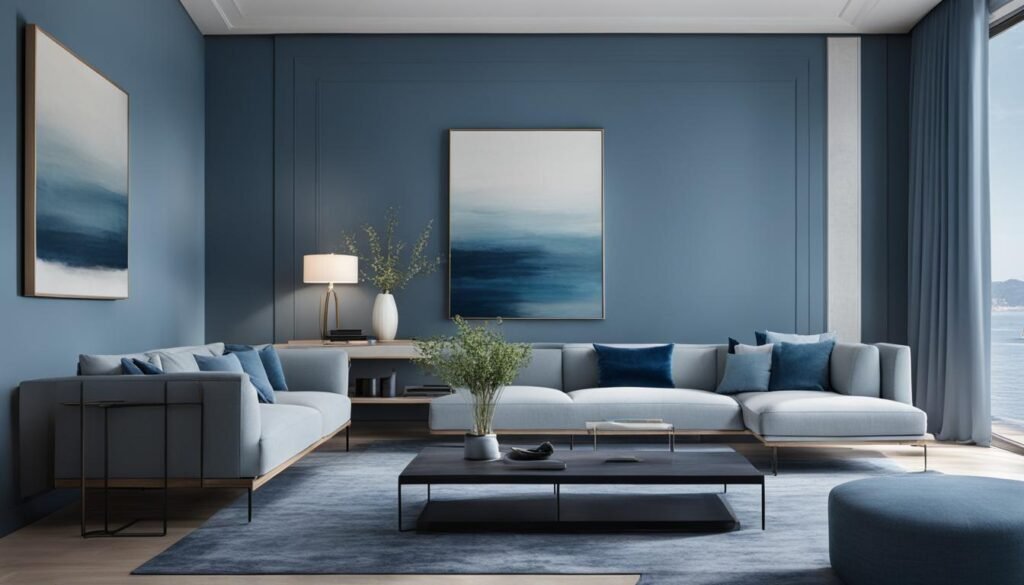
The palette of my latest interior design project is defined by a vibrant juxtaposition of purple and green rooms, an embodiment of the sophisticated impact of color psychology in interior design. As I craft these spaces, I’m reminded of how the psychology of colors in rooms plays a pivotal role in affecting mood and emotion. Now, let us explore how these colors influence our feelings and behaviors.
Red: Vibrancy and Energy or Anger and Danger?
The color red is a study in contrasts. In a living room or an office space, it can add a dash of vibrancy and inspire active engagement. But without a tempering influence, this bold hue might tread into territories of aggression. It’s always about finding that fine balance.
Yellow: Uplifting or Anxious?
Yellow, the epitome of cheer, can illuminate a communal kitchen, sparking lively conversations. However, in large swaths, this sunny color might lead to unease. I use it sparingly to harness its joyful essence without crossing into anxiety-inducing saturation.
Save this article
Enter your email and we'll send it straight to your inbox.
Green: Nature’s Tranquility in Your Home
Green brings the serenity of nature indoors. It’s soothing, perfect for a space where one would unwind or pursue growth and learning. Through strategic placement, green can transform an area into a sanctuary of balance and ambition. Defining a space’s purpose is key when weaving green into the design narrative.
As we delve deeper into purple and green interior design, we encounter the regal sophistication of purple hues, evocative of creativity and luxury. Its usage should be meticulous—it’s alluring, indeed, but in excess, its intensity can dominate. I incorporate purple with a measured hand, ensuring each application enriches rather than engulfs the room’s character.
Psychology of Color for Interior Design: A Deep-Dive
As an expert in psychology of color for interior design, I’ve observed firsthand how incorporating principles of color psychology into a home can drastically influence an individual’s mood and behavior. Understanding color psychology for interior design is about more than just aesthetic appeal; it’s about crafting environments that reflect and enhance the psychological state of the inhabitants. Imagine stepping into a room bathed in soft blue tones, feeling an immediate wave of calm wash over you, excellent for creating a serene bedroom retreat. This is the power of color psychology at play.
When advising on color psychology for home decor, I stress the importance of balance and harmony. For example, while red exudes energy and can infuse spaces with a dynamic presence, it’s essential to remember its intensity. Using color psychology in interior design means knowing how to pair vivacious red with soothing hues to strike a visual balance that won’t agitate the psyche. Similarly, green’s capacity to soothe the senses and encourage concentration transforms it into a go-to choice for areas where peace or focus is desired, such as kitchens or studies.
In my professional journey, I’ve dedicated much time to understanding color psychology for interior design because it’s clear that the right color choices can alter living spaces from merely functional areas to zones of emotional resonance. My goal when using color psychology in interior design is always to create spaces that don’t just look stunning but serve as a backdrop for life’s myriad emotional and social activities. By doing so, I can ensure that every design not only captures the client’s personal style but also supports their overall well-being.
FAQ
What role does the psychology of color play in interior design?
The psychology of color is a key aspect of interior design, influencing emotions, behaviors, and the overall atmosphere of a space. Different colors can evoke various psychological responses, such as calmness, energy, or creativity, and understanding these effects is crucial for creating spaces that reflect desired moods and functions.
Can the colors of a room really affect my mood and well-being?
Yes, the colors in a room can greatly affect your mood and well-being. For example, calming colors like blues and greens are known to provide a tranquil and relaxing environment, while warmer colors such as reds and oranges can stimulate and energize. The key is using colors that align with the intended purpose of the space to enhance your emotional state.
What are some emotional effects of color in design?
Colors can elicit a range of emotions in interior design. For example, blue can induce relaxation, green promotes balance and growth, yellow often represents happiness and optimism, red can activate passion or aggression, and purple may signify creativity or luxury. Understanding these emotional effects helps designers create specific atmospheres within a space.
How important is understanding color psychology in interior design?
Understanding color psychology is essential in interior design because it allows designers to create spaces that not only look good but also function to support the psychological needs of the inhabitants. It helps in predicting how color choices might influence the experiences and behaviors of those using the space.
How does color theory affect decisions in interior design?
Color theory informs decisions in interior design by providing a framework for understanding color relationships and harmony. It encompasses concepts like the color wheel, color harmony, and the context in which colors are used, guiding designers on how to combine colors to achieve a desired emotional or aesthetic effect.
What is the impact of color on interior spaces according to science?
Scientifically, colors can impact psychological and physiological responses. Research has shown that certain colors can affect the body’s circadian rhythms, influence perceived temperature, and even alter appetite. These scientific insights inform designers on how to create spaces that enhance comfort, productivity, or relaxation.
Why is it important to go beyond just aesthetics when choosing colors for a space?
Going beyond aesthetics when choosing colors is important because it ensures that the design not only looks pleasing but also serves the functional and emotional needs of those who inhabit the space. Effective color choices enhance mood, well-being, and the overall quality of life within an environment.
How do certain colors like red and yellow affect emotions in interior design?
In interior design, red often signifies energy, passion, and appetite stimulation but can also evoke feelings of anger if overused. Yellow, on the other hand, is associated with happiness and intellect, although it can lead to feelings of anxiety in large doses. Both require careful application and balance with other colors to achieve the desired emotional impact.
What is the best way to incorporate green into home design based on its psychological effects?
Based on its psychological effects, green can be incorporated into home design to promote a sense of balance, renewal, and connection with nature. It is well-suited for spaces where calmness and concentration are desired, like bedrooms, home offices, and living areas, often paired with wood tones or other natural elements for enhanced tranquility.
How can I ensure that the colors I choose for my interior design project align with the psychology of color?
To align your color choices with color psychology, first, consider the function and purpose of the space. Next, research how different colors can affect mood and behavior. Use this information to select a palette that promotes the desired emotional response and complements the intended use of each room.
Save this article
We'll email you the link so you can find it again later.


