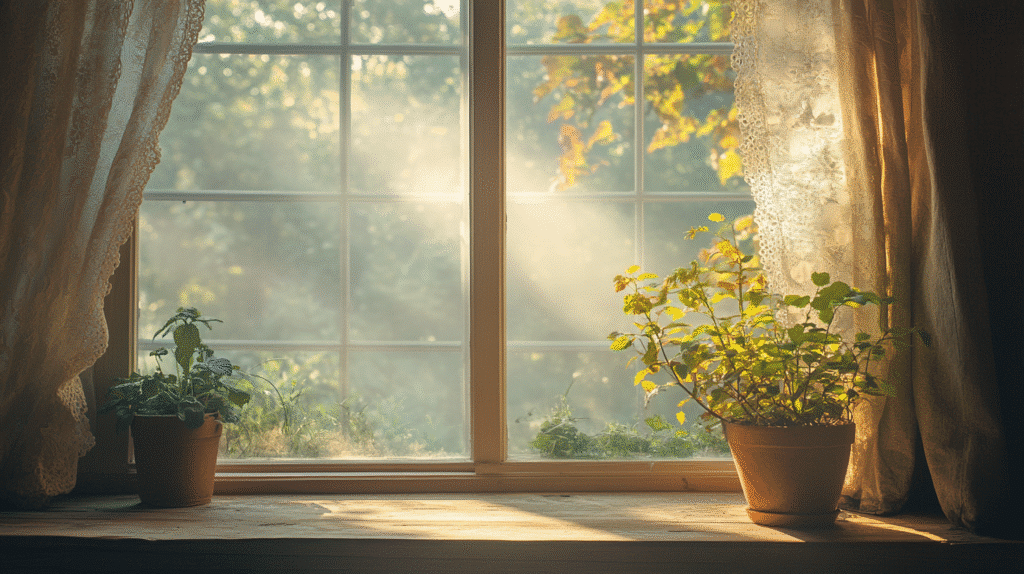
Transforming a house into a home is an art, and when it comes to selling, showcasing your living space through strategic room staging can make all the difference. The living room represents more than just a room; it’s the stage where life unfolds and memories are made. Having mastered a few staging ideas for living room spaces, I’ve learned how essential it is to create an inviting atmosphere that potential buyers can imagine as their own. It begins with the principles of how to stage a living room effectively — it’s not just about decor, but crafting the story of a home.
The first step, always, is to present a room that breathes cleanliness and possibility. As a blank canvas beckons an artist, a well-prepared living space beckons potential buyers. Staging a room involves careful consideration of every detail, from the placement of furniture to the layering of lighting. Whether it’s vitalizing a dull space with tasteful accessorizing or arranging seating that encourages engagement and ease, each move is intentional. Through practicing a blend of aesthetic charm and practical layout, I help invite the imagination to wander: could this be my home?
But don’t just take my word for it—proof is in the property itself. By properly staging a room, the ideas come to life, gracefully hinting at both form and function. So let’s embark on this process of transformation together, step by room-defining step.
Key Takeaways
- Embrace cleanliness as your staging foundation for maximum appeal.
- Declutter and depersonalize for a universally inviting space.
- Arrange furniture to encourage conversation and improve flow.
- Utilize lighting strategically to enhance ambiance and showcase details.
- Opt for a neutral color palette to appeal to a range of tastes.
- Accessorize thoughtfully to add character without overwhelming the space.
- Introduce elements of greenery to infuse life and freshness into the living room.
Understanding the Impact of Room Staging
When I think about the art of home staging, the living room invariably stands out as the showpiece of a home. It’s the space where potential buyers often first project their dreams and where they imagine themselves living and relaxing. My goal, as an expert in home staging and interior staging, is to create a connection that resonates deeply with these aspirations.
Role of the Living Room in Home Sales
It’s clear that the living room can make or break a property’s appeal during a sale. This central space sets the tone for the entire home—shine here, and the rest of the house basks in its glow. Through professional staging services, a living room can transform from merely a space to a narrative, telling the story of a life well-lived. Staging for sale isn’t just about decoration; it’s about envisioning and presenting a lifestyle that buyers yearn to claim as their own.
The Psychological Effects of a Well-Staged Room
There’s a subtle psychology at play in a well-staged room. A buyer’s emotional response is often rooted in the ability to see themselves in the space. That’s why neutral décor and a decluttered environment are so critical—they serve as a canvas for the buyer’s imagination. But aesthetics aside, it’s the emotion that a well-staged room evokes that often closes the deal. A sense of comfort, of envisioning family and friends gathered, of living life—all these feelings can be cultivated through careful staging. My focus is always on elevating the space to not just sell a house, but a dream, a future.

As I take you through the essential elements and effects of room staging, remember—the ultimate goal is to create an irresistible space that stands out in a sea of listings. This is the impact that a strategic room staging can deliver, leading not just to a sale, but to the satisfaction of aligning a buyer with their perfect home.
Preparing Your Room for Staging
As I delve into the realm of real estate staging, there’s a fundamental truth I’ve come to understand: a successful staging begins with a meticulous clean-up. Before I even think about redecorating or rearranging, I make sure that every inch of the room shines—this not only demonstrates care but also professionalism. It sets the scene for all the staging a room ideas to come to life.
Starting with a Clean Slate
My approach is thorough: each corner dusted, every surface wiped down, and floors that gleam. A clean canvas is essential in conveying to potential buyers the level of quality and detail that go into my house staging services. It’s like telling them, ‘This home is cared for, and so will you be.’

The Art of Decluttering and Depersonalizing
Now, for the decluttering phase—I’ve learned that less is often more. In tackling this, I follow a less-is-more philosophy, carefully curating items that stay and those that need to go. Emphasizing the spaciousness of a room is key, and it’s incredible how much bigger a room feels once it’s decluttered. But I don’t stop there; depersonalizing is equally important. By removing personal items, I create a neutral backdrop, encouraging buyers to picture their own lives unfolding in the space.
I’ve watched time and time again as these efforts in real estate staging transformed ordinary spaces into universally welcoming homes. The results? Faster sales and satisfied clients, all thanks to a few thoughtful staging services.
Strategic Furniture Arrangement Tips
When I delve into the art of staging furniture, I understand that each piece’s placement can either make or break the visual narrative of a room. To harness the full potential of space, my approach focuses on creating scenes where life’s conversations can unfold, and moving through the room feels as natural as the room’s design. Let’s consider how to strike that harmonious balance in a room.
Creating Conversation Spaces
I value the power of a well-staged conversation area—it’s where the warmth of the home beckons. By placing seating options like sofas and armchairs in cozy proximities, I encourage an ambiance of intimacy and connection. These arrangements invite potential buyers to imagine gathering with friends and family, discussing daily events or celebrating milestones.
Optimizing Room Flow and Functionality
The functionality of a room is paramount; I stage each area to ensure clear passageways and logical furniture progression. This guiding principle ensures the space feels open and accessible, making it easy for buyers to navigate and envision their life within the walls. As part of my professional staging philosophy, maintaining a spacious and functional layout lets the imagination wander to what’s possible, solidifying the room’s potential in the buyer’s mind.
- Pull chairs and couches slightly away from walls to foster a certain intimacy.
- Utilize coffee tables and ottomans to centralize conversation areas while preserving utility.
- Avoid obstructive furniture arrangements that impede natural movement.
- Consider the room’s daily use, ensuring functional accessibility to focal points like entertainment sets or fireplaces.
Employing these staging tips significantly elevates how spacious and inviting the room presents itself to any observer. It’s a combination of careful planning and a touch of styling whimsy that transforms a space into a potential home.

Enhancing Ambiance with Lighting
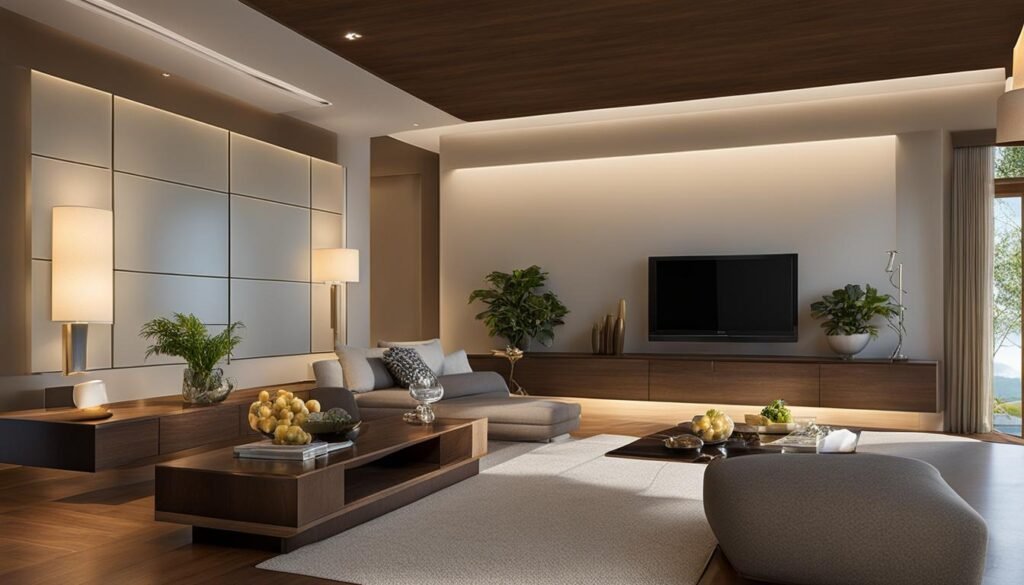
When I think about room transformation, subtle details like lighting often come to mind. It’s not just about visibility; lighting sets the stage for your interior’s mood and goes a long way in crafting a welcoming atmosphere. Effective staging techniques leverage different kinds of lighting to create a dynamic and inviting space that potential buyers will fall in love with.
For instance, during my latest home makeover, I focused on layering light to give the living room a rich and nuanced feel. Here’s how I approached it:
- Ambient lighting served as the base layer, illuminating the room with soft, diffused light.
- Then, I added task lighting—like floor lamps near reading nooks—to accentuate areas of activity.
- Finally, accent lighting highlighted the room’s best architectural features, artwork, or plants.
Strategic staging ideas like these not only brighten a room but also direct attention to the aspects of the space that you want to showcase. Moreover, when natural lighting is abundant, I encourage you to draw back those curtains and let it amplify the inherent beauty of the room. Mirrors can also play a significant role in this scenario; placing them across from windows can double the impact of the natural light.
It’s fascinating how much detail goes into staging techniques for lighting. Every lamp or fixture isn’t just picked at random but is a piece of the puzzle contributing to the room’s overall narrative—one of comfort, serenity, and potential.
Accentuating Architectural Highlights
As a savvy home stager, I focus on accentuating a home’s unique architectural features, a nuanced technique that can vastly improve the property’s appeal to potential buyers. There’s nothing quite like a beautifully showcased fireplace or exquisitely-designed crown molding to catch an eye or drop a jaw. You want these details to stand out, right? Well, that’s precisely what I specialize in—a touch here, a tweak there, and voila, your living room is no longer just a space, it’s an experience.

When it comes to staging ideas for the living room, it’s not just about filling the room with objects, but rather creating a story that flows from one architectural detail to the next. Let me tell you, framing a picturesque window with floor-length curtains can completely transform the room’s character. It’s not just about looks; it’s about devising a vision for potential homeowners to fall in love with.
And if we’re talking small spaces, as a reputable home staging company, we’ve mastered how to stage small living rooms effectively. It’s all about scaling the right furniture to enhance, not crowd, those special features—think strategically positioned vases, mirrors that reflect the best angles, and art that tells a story.
- Identify and highlight the room’s key architectural features.
- Use minimal decorations to draw attention without causing distraction.
- Complement significant features with suitable furniture and accessories.
In staging a family room, for instance, it’s about crafting an environment that feels both upscale and comfortable. So, by emphasizing the quality finishes and structural beauty, I showcase the craftsmanship of your home, elevating every showing into an exhibition of fine living. With these touches, your property stands out, and the living room—often the heart of the home—becomes the deal clincher!
Choosing a Neutral Palette for Broad Appeal
As I delve into how to stage a living room, I find it essential to talk about the power of a neutral palette. Selecting the right hues can make or break a home staging project. It’s about striking that delicate balance where potential buyers can project their own visions onto the canvas we provide. For those looking to absorb some staging a room ideas, remember, a neutral color scheme is more than just a trend; it’s a strategic choice for captivating a broader audience when staging for sale.
When I think of soft, neutral tones, I envision the timeless appeal of beiges, light grays, and pale blues. These colors don’t just add visual space; they scatter light across the living room, creating a serene and inviting atmosphere. My advice to anyone staging their home is to consider these shades for a reason: they make the room look more expansive and more welcoming. Here’s where I insert a visual to spark your imagination.

Moreover, choosing neutral upholstered furnishings has a twofold advantage. Not only do they complement the wall colors, but they also serve as versatile pieces for future homeowners. Imagine a potential buyer walking through your staged living room and being able to picture their vibrant throw pillows or their cherished antique coffee table settling in just right.
- Begin with a clean, light wall color to set the stage.
- Opt for large furniture pieces in neutral colors for seamless integration.
- Accentuate with textures and patterns to add depth without color power.
- Consider the lighting — softer bulbs to enhance the calming neutral tones.
In conclusion, staging a room with a neutral palette not only enhances the room’s appeal but also accelerates the potential for a sale. By offering a serene, universally appealing backdrop, you grant room for imagination and, ultimately, a faster transition from ‘for sale’ to ‘sold’.
Save this article
Enter your email and we'll send it straight to your inbox.
Accessorize with Purpose and Restraint
When I consider revamping my living room, I always keep in mind that every detail from a home staging company’s playbook underscores that accessorizing should never be an afterthought. Whether I’m brainstorming staging ideas for living rooms or figuring out how to stage a small living room, the key is in the subtlety of my selections. Professional staging services often reiterate one golden rule: “Less is more.” Let me show you how a few well-chosen pieces can define a space and reflect sophistication.
Thoughtful Accessorizing
What defines thoughtful accessorizing? It’s the art of spreading small doses of character throughout your living room without causing a visual uproar. A gentle toss of a velvety throw pillow, a strategically placed rug under the coffee table, or a minimalist painting hanging above the mantle can all breathe new life into an aging decor. These touches of elegance create a narrative of comfort and style.
Freshen Up Your Room’s Look with Simple Updates
Sometimes, a tiny spark of change is all you need. A faded armchair can become the room’s focal point with a bright new slipcover. Those time-worn bookshelves? A coat of crisp white paint and they’re reborn. Imagine refreshing the space with assimilable ease—no grand expenditures, just smart, simple updates to reflect that a professional home stager has woven their magic without overtly stating their presence.
Incorporating Greenery for Liveliness
In my experience, one of the most transformative staging services involves integrating a touch of the natural world into the living space. Adding plants and flowers to your room staging is a simple yet effective staging technique that can significantly enhance a home’s appeal during showings. Let’s delve into the roles that these elements play in creating a warm and inviting atmosphere.
The Role of Plants in Staging
Living plants have a unique way of making a staged room feel more authentic and vibrant. They bring a splash of color and interesting textures that complement the room’s design. From tall leafy palms to small succulents, each plant contributes to a healthier and more welcoming environment, which subtly suggests to buyers that this is a space that nourishes growth, both literally and figuratively. My top staging tips always include using houseplants to soften spaces and add an organic touch to the indoor aesthetic.
Adding Freshness with Flowers
Fresh flowers are another staging asset that I frequently recommend. They are not only visually appealing but also emit delightful scents that can make a great first impression. Whether arranged in a tasteful bouquet or displayed as a simple centerpiece, flowers add a layer of elegance and freshness that appeals to the senses. Strategic placement in high-traffic areas or as a focal point can draw attention and add charm to an otherwise neutral staging arrangement.
-
- Houseplants for a touch of nature’s calm
-
- Strategically placed floral arrangements
- Minimalist planters for a modern look
- Vibrant flowers to enhance color schemes
Incorporating these elements should be approached with care; maintaining balance is key. Too many plants can crowd a room, while too few may be overshadowed by other staging elements. Room staging thrives on harmony, and the inclusion of greenery, when done correctly, can create a serene and appealing space that buyers find irresistible.
Room Staging for Standout Real Estate Photography
When I prepare a home for the real estate market, my aim is not just to make a space look attractive to the naked eye but also through the lens of a camera. The art of real estate staging is about painting a picture so compelling that potential buyers yearn to step into the frame. With my professional staging strategies and a few staging tips, every photograph becomes a visual invitation.
Capturing Your Room’s Best Features in Photos
Focusing on the intricate dance of light and space, I ensure that each photo captures the essence of the home. By arranging decor to highlight the room’s architectural beauty, and blending textures and colors to create a cohesive look, each image tells its own story. Thanks to my attention to detail, every photo showcases the house staging efforts, making it irresistible to potential buyers flipping through listings.
Techniques for Maximizing Natural Light in Photography
Beautiful photography demands superb lighting. Embracing the natural light flowing through windows, I position furnishings and utilize reflective surfaces to accentuate this asset. The strategic decision to use sheer curtains magnifies the softness and spread of daylight. My staging tips include aligning decor to draw the eye along pathways of light, crafting a visual journey that highlights the living room’s best features.
Every staged room comes alive when viewed through the camera’s eye, and that’s why I blend my real estate staging expertise with photography principles to make magic happen. I stage each home not just for a day of showings, but for the enduring impression of each photograph. Remember, a picture is worth a thousand words, and in the world of house staging, each word is a step closer to a sold sign on the front lawn.
Continuous Maintenance Throughout Showings
As someone deeply invested in home staging, I’ve learned that the true challenge lies not only in the initial design but in the continuous maintenance of the staging concept throughout the showings. This isn’t just about making a space look pretty once; it’s about ensuring that the staging family room retains its allure for every pair of eyes that sets upon it. Each visitor should walk into a scene that is as meticulously curated as it was during the first staging.
Maintaining the pristine quality of staging a room means constant vigilance and upkeep. Through this process, the essence of the room is preserved, sustaining the image of a lovingly cared-for home that’s both inviting and polished. Little efforts can make a vast difference: from plumping the throw pillows that dot the loveseat to ensuring the floors are gleaming. As a firm believer in the power of an impeccable presentation, I never underestimate the impact of these seemingly small actions.
- Regular dusting to prevent even the slightest sense of neglect.
- Adjusting decor to maintain its original position and appearance.
- Replacing any faded blooms with fresh flowers to breathe life into the space.
- Fluffing pillows after each showing to sustain a fresh, untouched appeal.
Through persistent commitment to the maintenance of interior staging, I not only honor the work put into the setup but markedly increase the odds of transforming visits into offers. It reaffirms my understanding that in the realm of home staging, the devil truly does lie in the details.
Conclusion
As we delve into the final insights of our discussion, it is evident that room staging is not just a practice—it’s an art form that imbues a space with a new lease on life, transforming everyday areas into visions of a future home. I’ve seen firsthand how applying staging tips and techniques can dramatically shift the buyer’s perspective, turning a simple room into a coveted living space. It’s a process that transcends mere decoration, crafting an environment where potential is the headline and every corner speaks of possibility—a true room transformation.
The Transformational Power of Room Staging
The strategic placement of furniture, the subtle interplay of lighting and color, and the judicious choice of decor—these elements coalesce to illustrate the monumental effect that professional staging services can bestow upon a property. The envisioned lifestyle, the echoes of laughter in a living room, or the cool tranquility of a thoughtfully arranged study—all these scenarios are drawn out through the alchemy of staging, showcasing homes at their most inviting.
Gaining the Competitive Advantage with Professional Expertise
In the bustling real estate market, differentiation is key, and this is where I believe professional staging services are worth their weight in gold. By leveraging their expertise, sellers gain not just a competitive edge, but a partnership in curating an experience for potential buyers. It’s an investment in capturing the imagination, in telling a story through spaces—an endeavor that can culminate in lucrative and efficient sales. Embracing this expertise is more than a strategy; it’s a celebration of a property’s promise, delivered through the transformative beauty of staging.
FAQ
What are some essential room staging tips for my living room?
To successfully stage your living room, start with a deep clean and declutter the space to create a welcoming environment. Arrange furniture to facilitate conversation and maximize room flow. Employ a mix of lighting types to enhance ambiance and highlight architectural features. Use a neutral color palette for broad appeal and accessorize thoughtfully to inject personality without cluttering the space.
How important is the living room in home sales?
The living room is extremely important in home sales as it often sets the first impression for potential buyers. A well-staged living room can make a property feel more inviting and can be a determining factor in the buyer’s interest.
What psychological effects does a well-staged room have on potential buyers?
A well-staged room helps potential buyers envision themselves living in the space, creating an emotional connection that can influence their purchasing decision. Effective staging will allow for a neutral backdrop for buyers to project their future life and memories onto.
How should I prepare my room for staging?
Start by thoroughly cleaning the entire room. Then, declutter and depersonalize by removing unnecessary items and any personal artifacts that might distract buyers from envisioning the space as their own.
What are the best practices for furniture arrangement during home staging?
Create inviting conversation areas and ensure the furniture arrangement allows for easy flow throughout the room. Pulling furniture away from walls can make spaces appear larger and facilitate a sense of intimacy.
How crucial is lighting in staging a living room?
Lighting is a vital component of room staging. It can transform a space by setting the mood, highlighting key areas, and making a room feel more spacious and comfortable. Combine ambient, task, and accent lighting for the best effect.
Why is it important to accentuate architectural features when staging a room?
Accentuating architectural features can showcase the unique character and craftsmanship of a home. By highlighting elements like fireplaces or molding, you create focal points that add to the aesthetic appeal of the space.
Why should I choose a neutral color palette for staging?
A neutral color palette is versatile and widely appealing. It creates a serene backdrop that helps to make the room look larger, brighter, and enables potential buyers to picture their own belongings within the space.
How do I accessorize when staging my living room?
When accessorizing, choose items that complement the room’s decor while keeping a minimalist approach. Add splashes of color and texture through items like throw pillows or art, but avoid overcrowding the space.
How does incorporating greenery affect room staging?
Greenery brings a touch of nature indoors, adding liveliness and warmth to a staged room. Plants and fresh flowers can improve the perceived care and maintenance of the home, making a space feel more inviting.
What should I focus on for standout real estate photography?
Focus on good lighting, tidy and thoughtfully arranged spaces, and capturing the room’s best features. Utilize natural light where possible and consider professional photography to truly showcase the home’s appeal.
Why is continuous maintenance important during home showings?
Maintaining the staging ensures that each potential buyer experiences the home as if they were the first to view it. Keeping the space clean and the staging elements in place demonstrates the care given to the property and helps uphold its value.
How can professional staging services give me a competitive advantage?
Professional staging services bring industry expertise, an understanding of market trends, and a keen eye for design that can maximize the appeal of your home. This can lead to a faster sale at a potentially higher price by highlighting the property’s best features and creating an emotionally engaging environment.
Save this article
We'll email you the link so you can find it again later.