In my journey as a design enthusiast, I’ve seen numerous decor trends come and go, but few have displayed the resilience of damask. This perennial favorite, known for its intricate damask patterns and elegant aesthetic, has graced the halls of history from Damascus to modern-day home design. As trends in housing design evolve, one question inevitably emerges: are damask trends still relevant today?
Often heralded for its opulent connection to the past, damask fabric brings more than just a decorative flourish; it embodies a timeless classic home design. Whether it manifests through sumptuous damask wallpaper or as a luxurious upholstery, the depth and richness of damask ensure its enduring status. Yet, as I dissect the zeitgeist of contemporary design, I’m compelled to ask—can damask maintain its aristocratic legacy in today’s ever-shifting design landscape?
Let’s delve into the fabric of damask’s staying power and discern whether this classic motif can continue to weave its charm into the fabric of modern homes.
Key Takeaways
- The lasting appeal of damask in home decor, defying ephemeral trends.
- Understanding damask’s versatility in contemporary home settings.
- Insights on the integration of damask patterns within modern designs.
- Relevance of damask wallpaper and fabrics as measures of luxury and sophistication.
- Exploring the balance between traditional and modern interpretations of damask.
- A look at the future trajectory of damask trends in housing design.
The Rich History of Damask: From Ancient Weaves to Modern Interiors
The tapestry of damask history is rich and intricate, intertwining through millennia to dress modern interiors with a sense of enduring grace. As a copywriting journalist exploring the world of ancient textiles, I’ve observed how damask has become synonymous with opulence and refinement—a textile narrative that has weaved its way from early civilization to today’s contemporary design.
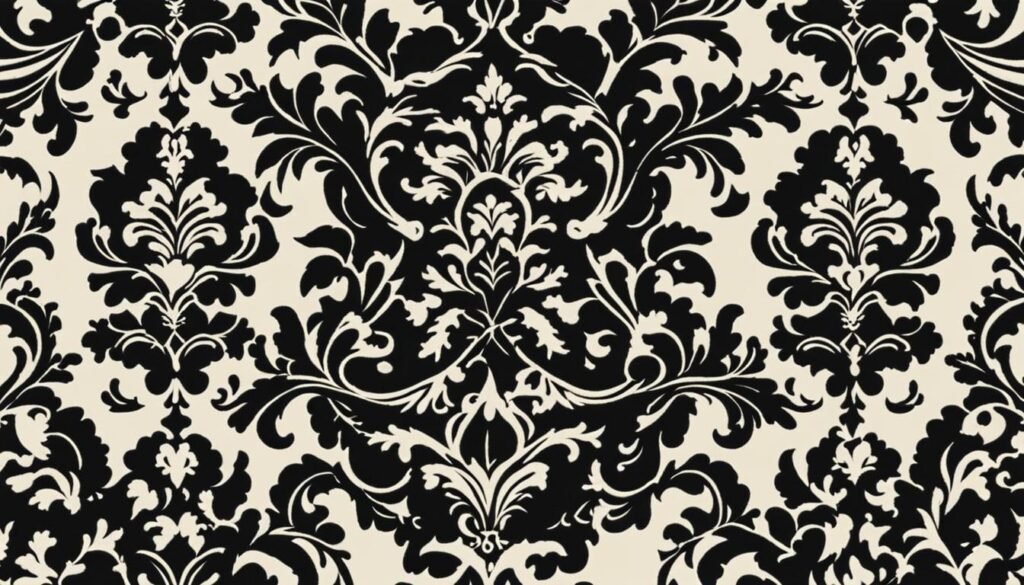
The Origins of Damask in the World of Textiles
My exploration begins in the narrow alleys of Damascus, the birthplace of damask, where this fabric first emerged as a silk damask. With the coming of the Crusades, damask reached European shores, particularly Italy, burgeoning a reputation that predates modern luxury branding. Those who delved into the heart of European culture in the 11th century would have witnessed the ascent of damask, transformed from exotic import to a treasured commodity.
Silk, Linen, and Beyond: The Evolution of Damask Materials
As my journey through damask history progressed, I uncovered that by the mid-13th century in flax-rich regions like France, damask had evolved significantly. Renowned for its varying mat and sheen textures—achieved through intricate weaving techniques—damask obtained its luxurious feel and reversible fabric quality, distinguishing itself from other materials like brocades. From the hand-woven silk damask fineries to the introduction of linen damask, its adaptability across eras fortifies its relevance in both ancient and modern damask patterns. Today, whether one admires the finesse in silk scarves or the durability in damask home decor, the fabric continues to narrate its timeless saga.
Is Damask Out of Style?
As a keen observer of interior trends, I’ve seen the pendulum swing between minimalistic designs and opulent aesthetics. The damask out of style debate isn’t new, especially as modern homes lean into the clean lines of the white home concept. Yet, this historical pattern has demonstrated resilience, quietly defying the label of outdated house trends.
The current design narrative often questions whether are built-ins out of style or will open concept go out of style? In response, there’s a notable trend of rekindling the charm of secluded spaces over vast, unstructured areas. This mirrors the timeless allure of damask, which remains steadfast in its elegance amidst the cyclic nature of home design.
- Appreciation for intricate and lush patterns resurfaces in the modern era.
- Damask blends with both vintage and contemporary decor harmoniously.
- Introduces a luxurious touch to otherwise minimalist spaces.
One shouldn’t overlook the fact that damask bears the unique ability to straddle the worlds of old-world sophistication and contemporary chic. As fashion often revisits its archives for inspiration, interior design similarly circles back to damask for its intricacy and regality.
Enthusiasts may argue that rather than phasing out, damask is finding its place within modern homes with renewed vigor. The pattern’s adaptability ensures that it partners well with diverse interpretations, from monochromatic schemes to accent pieces that serve to punctuate rather than overwhelm an interior space.
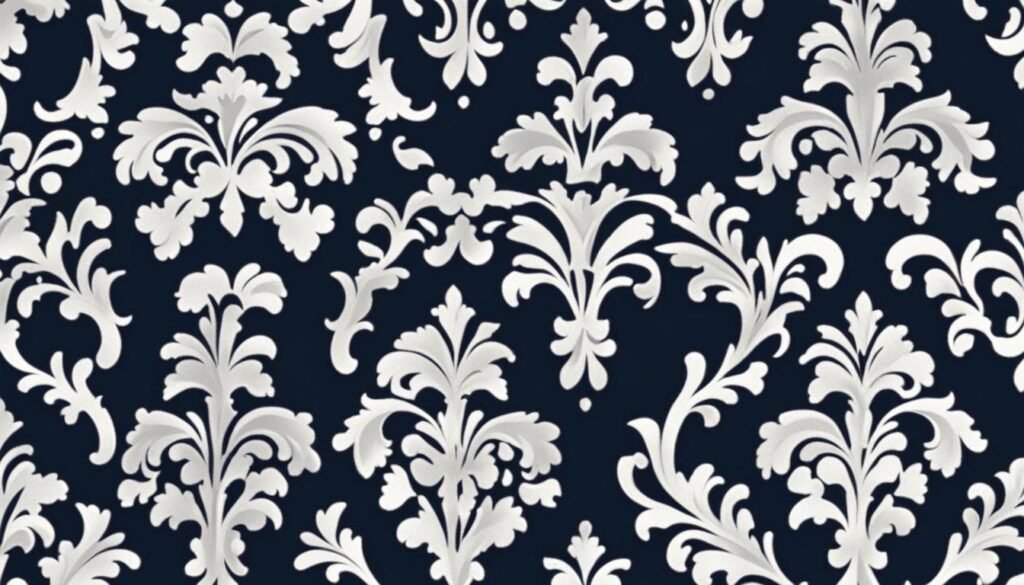
In essence, damask offers a bridge between transient fashions and everlasting style. Its ornate textures and depth can lift the atmosphere of any room, providing a balance between sophistication and modernity, without succumbing to ephemeral design whims.
Classic Damask Designs Versus Trendy Home Decor
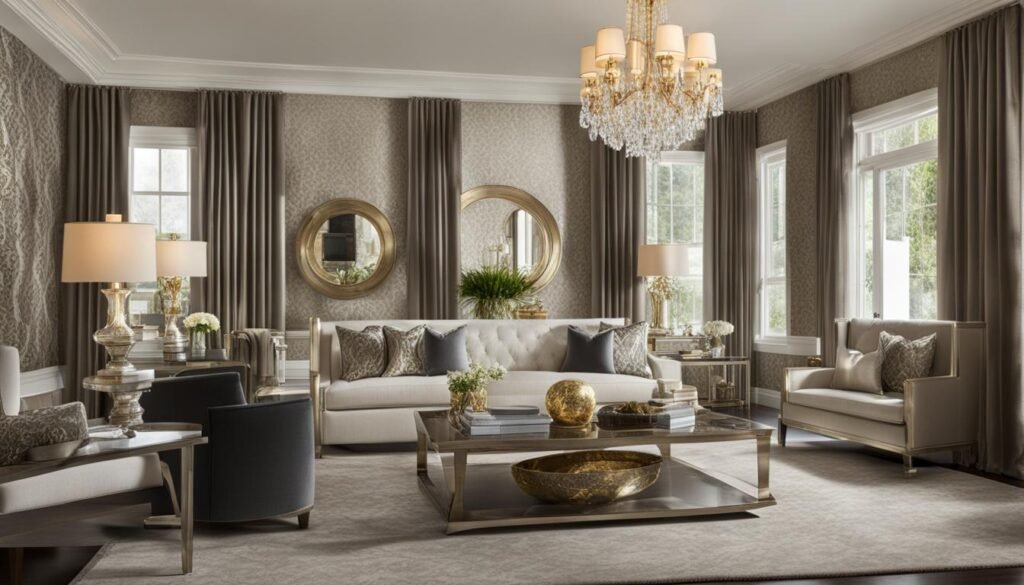
As a professional deeply immersed in the world of interior design, my appreciation for the exquisite dance between the old and the new, particularly in textiles, runs deep. Traditional damask, with its regal origins and intricate weaving, has long been celebrated for its opulence and ornate patterns. But as I navigate through the ever-evolving landscape of home decor, I’ve come to witness a fascinating interplay between the timeless damask prints of yesteryear and the fresh dynamism of contemporary design.
The Time-Tested Appeal of Traditional Damask
Traditional damask remains an undisputed protagonist in the realm of classic decor. With a lineage that harks back to the Renaissance period, its rich textures and elaborate motifs were once the exclusive preserve of the wealthy, adorning everything from sumptuous furnishings to state robes. The distinctive sheen, characteristic of classic damask designs, communicated an air of sophistication and status that was second to none.
Contemporary Adaptations of Damask Patterns
However, as I engage with modern interior spaces, it’s clear that contemporary damask is writing its own narrative—one that pays homage to the grandeur of the past while seamlessly fitting into today’s design idiom. Today’s designers are revitalizing damask interior design by infusing vibrant hues and minimalist appeal into the historic prints, achieving a smart balance that speaks as much to the reverence for heritage as it does to a forward-looking aesthetic.
- Reimagining classic damask designs with sharp, contemporary colors
- Juxtaposing traditional damask textiles amidst modern furniture pieces
- Employing timeless damask prints as focal points in cutting-edge designs
The versatility of damask allows it to transcend the constraints of time. Whether it is draped across a sleek modern sofa or framing an avant-garde piece of art, damask remains steadfast, continuing to enchant with its subtle dance between the past and the present.
Integrating Damask into Modern Living Spaces
The revival of the damask trend has demonstrated that this classic pattern can make a bold statement in modern living spaces. It’s my pleasure to guide you through seamlessly incorporating damask in a way that complements contemporary design, showcasing the versatility and enduring appeal of luxury damask. With mindful planning, damask can add a touch of elegance without appearing dated, striking a balance between tradition and modernity. Let’s explore how you can infuse damask into your home for that lavish, yet current, look.
Accentuating with Damask: A Subtle Nod to Luxury
When I think of incorporating damask into a living space, I imagine it as the perfect background for damask accents. An armchair draped in damask, nestled in the corner of a room, offers a discreet yet opulent touch. Bedding embellished with damask motifs can transform a simple bedroom into a luxurious retreat. The key is to introduce damask in a subtle manner, allowing it to highlight rather than dominate the space, thus honoring its intricate beauty within the modern realm.
When Damask Meets Modern Furniture: A Guide
In my experience, finding harmony between damask patterns and modern furniture requires a thoughtful approach. The key lies in the juxtaposition—placing a damask upholstered stool beside a sleek, minimalist console table, for example. This creates an intriguing dialogue between the ornate and the understated. By selectively positioning damask elements amid contemporary pieces, a living space becomes a testament to both artisan craftsmanship and the clean lines of modern design.
- Opt for damask in muted color palettes to blend seamlessly with modern decor
- Pair damask printed cushions with solid-colored contemporary sofas
- Use damask wallpaper as an accent wall, flanked by modern art
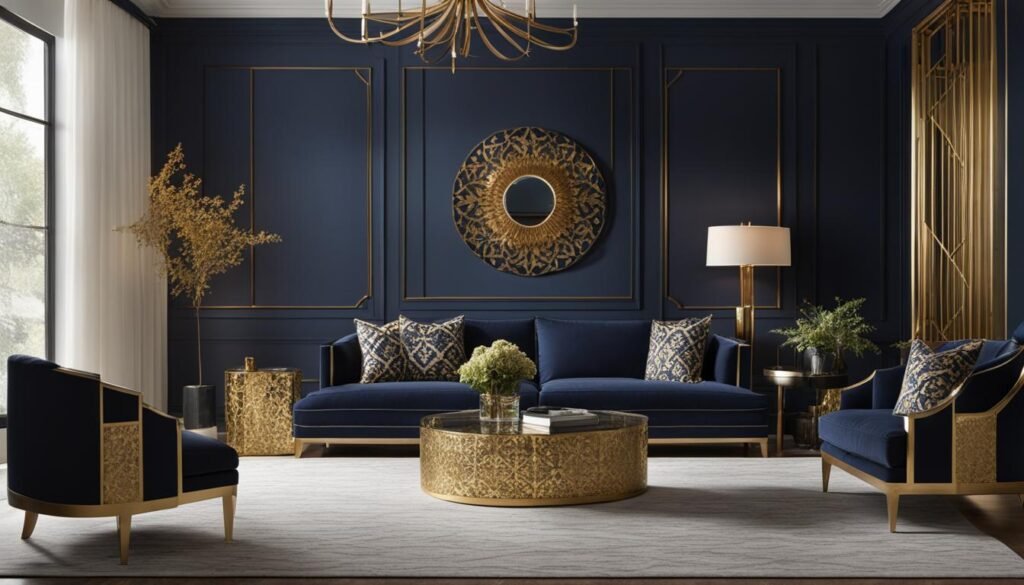
The Versatility of Damask: Fabrics, Wallpapers, and Accessories
As a passionate advocate for timeless design elements, I’ve always been entranced by the enduring elegance of damask decor. Renowned for its distinctive patterns and sumptuous feel, damask is a hallmark of sophistication that continues to be reinvented, never straying far from the cutting edge of interior design. Its versatility is a testament to its adaptability, serving as a bridging element between classic opulence and modern minimalism.
Damask fabrics, with their classic sheens and ornate patterns, provide a luxurious touch to upholstery and drapery across a variety of settings. Meanwhile, damask wallpapers envelop a room in layers of texture and depth that instantly elevate a space’s character. Beyond these broad strokes, you’ll find damask accessories—pillows, throws, lampshades—that effortlessly sprinkle a dignified flair throughout the home. What’s more, the range of fibers— from silk’s natural luster to rayon’s affordability—ensures that damask decor remains within reach, regardless of budget or design schema.
- Regal Elegance: Traditional silk damask fabrics cushioning French daybeds.
- Contemporary Chic: Synthetic damask textiles bringing durability and affordability.
- Wall Artistry: damask wallpapers becoming the focal point of any room.
- Accessorize with Damask: Small damask accessories adding subtle sophistication.
- Window Dressing: Damask drapes transforming the flow of natural light.
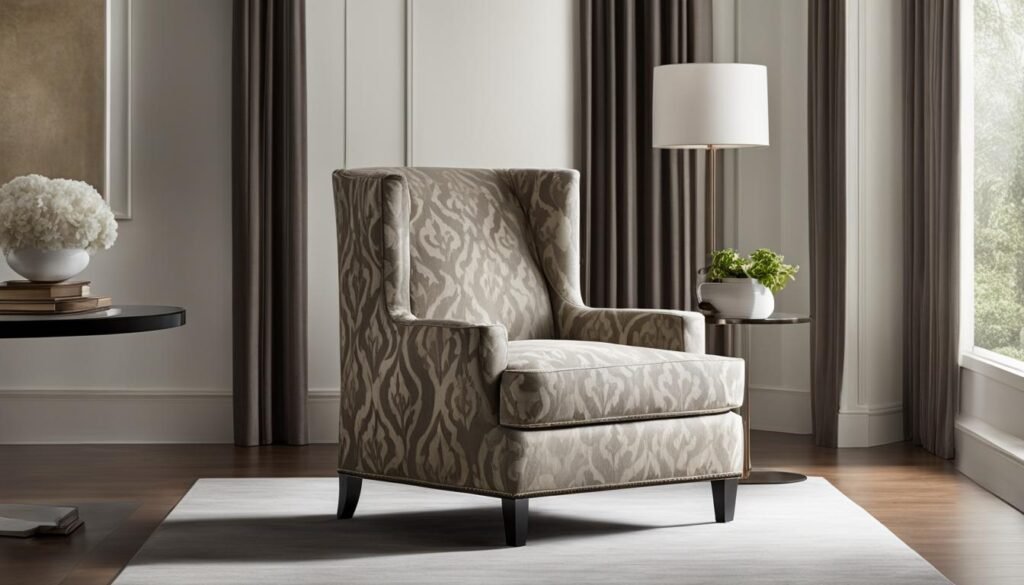
The magic of damask lies in its ability to conform yet stand out. Whether it’s creating a themed room centered around an intricate damask pattern or introducing a single element of the fabric to a simpler setting for a touch of complexity, the versatile nature of damask makes it a favorite among designers. My personal experience with damask decor has consistently proven that no matter the current trend, damask’s prestige remains unshaken.
Incorporating Damask in Various Room Settings
When I think about introducing timeless elegance into a home, damask immediately comes to mind. Its rich patterns and luxurious feel have a unique way of transforming a simple room into a statement of sophistication. Let’s delve into how we can integrate damask into bedroom and dining room décors to create a refined and inviting atmosphere.
Creating a Statement with Damask in Bedrooms
When it comes to damask bedroom decor, the bedroom stands out as a natural fit for damask’s lush patterns and subtle glimmer. Imagine a master suite where a generous king-sized bed is draped with fine damask linens, the patterns dancing subtly as the morning light filters through the room. The bed itself becomes not just a place for rest but a stunning centerpiece that exudes old-world charm balanced with modern home living.
Damask can also be introduced through other statement pieces, such as upholstered headboards or elegant benches at the foot of the bed. To harmonize with the overall room design, I often choose muted colors in damask prints to ensure they don’t overwhelm the space but still maintain the luxurious feel. Here are some ways I’ve found effective for incorporating damask into the bedroom:
- Using damask throw pillows to add a touch of sophistication to any bedding arrangement.
- Incorporating a damask feature wall behind the headboard for a dramatic focal point.
- Selecting a damask-patterned rug to soften the floors and tie the room together.
Elevating Dining Rooms with Sophisticated Damask
Regarding dining room elegance, damask’s versatility can once again shine through. A dining room set with damask chair covers immediately uplifts the space, creating a setting that feels both welcoming and upscale. Sophisticated damask settings aren’t just for special occasions anymore; they can bring a sense of occasion to everyday dining experiences.
A damask tablecloth on a grand dining table can give the heart of the home an aura of gravitas and gravure. With carefully chosen damask statement pieces, the dining room becomes a place where every meal is an event, and the atmosphere is always one step above the ordinary. Here’s how I infuse damask into dining rooms:
Save this article
Enter your email and we'll send it straight to your inbox.
- Choosing damask seat cushions for a subtle yet impactful addition.
- Opting for a damask runner down the center of the table for a mix of practicality and style.
- Adding a touch of elegance with damask-patterned china or napery.
I find that damask’s timeless quality allows it to weave throughout the decor seamlessly, accentuating the room design without overpowering it. Whether in the bedroom or the dining room, driving home sophistication is all about how damask is implemented—creating settings that speak volumes about taste and design sensibility.
Damask in the World of Wall Coverings: A Resurgence or Decline?
As someone deeply entrenched in the world of home aesthetics, I’ve observed a fascinating phenomenon: the damask wallpaper resurgence. This revival speaks volumes about the cyclical nature of interior design trends and the enduring appetite for timeless wall elegance. Historically associated with opulence and grandeur, damask wall coverings are making an unanticipated, yet formidable comeback. So, is this a true resurgence or a mere temporary uptick?
The Role of Damask Wallpaper in Current Interior Trends
The tapestry of current design sees damask wallpaper as a central thread that weaves together both classic and contemporary elements. In the realm of housing design, the bold textures and intricate patterns endemic to damask serve as a counterpoint to today’s minimalistic tendencies. It’s a renaissance that marries history with modernity, proving that some aspects of design remain impervious to the ravages of time and trend.
Damask: The Preferred Choice for Timeless Wall Elegance
In the race for wall covering dominance, damask emerges as a stalwart, unfazed by passing whims. Beyond mere decoration, it’s a definitive statement of style resilience and evolving tastes. As we chart the progression of damask wall coverings through time, it is evident that the texture, lustre, and depth they offer walls are unparalleled in delivering a sense of enduring sophistication. Indeed, damask is not just enduring a resurgence; it’s reinforcing its position as a mainstay in interior design trends.
The Psychology of Damask: Impact on Room Ambiance and Mood
My exploration into the psychology of damask has revealed a profound connection between this elegant textile and the overall room ambiance. As a writer who delves deep into the world of design psychology, I’ve observed that the use of damask can significantly sway a space’s energy and the mood of its inhabitants. Its intricate patterns and luxurious feel have a unique way of introducing a sense of sophistication and calm to an environment, impacting those within it both visually and emotionally.
What intrigues me the most is damask’s ability to interact with light. The woven textures of damask fabrics capture and reflect light in a manner that energizes a space during the day, while creating a soothing oasis as evening sets in. This dynamic environment varies with the shifting illumination, proving damask’s versatility not just in design, but in influencing the atmosphere of a room.
As anyone passionate about ambient interiors would agree, the incorporation of damask speaks volumes of the designer’s intent to cultivate an area that transcends mere aesthetics. Its contribution to the mood influence of a room can be quite significant, levering the ambiance towards either a stimulating or tranquil tone, depending on the context and styling.
- The uniquely textured surfaces of damask provide a multi-sensory experience that enhances the psychological impact of a space.
- Selecting the right damask can act as a sophisticated backdrop that elevates the design narrative of a room.
- Understanding the subtleties of damask’s visual appeal allows designers to harness its power to affect ambiance and mood.
- Utilizing damask in a way that harmonizes with a room’s lighting can create an adaptable space that evolves with the time of day.
Cultural and Aesthetic Significance of Damask in Home Decor
When I consider the cultural significance of damask within the realm of home decor, its rich history and evolution spring to mind. Evoking a sense of regal elegance, damask’s intricate patterns and sumptuous texture have adorned the halls of the powerful and the palaces of kings. The aesthetic importance of this fabric echoes through time, with each thread interwoven with stories of the past, signifying not just style, but a distinct seminee art design. Damask’s symbolism, steeped in opulence, continues to be a compelling element that can express my design narrative without uttering a single word.
Symbolism and Status: What Damask Says About Your Space
My space, adorned with damask, implicitly narrates a tale of sophistication and discernment. It’s not merely about aesthetic preferences; it’s about making an articulate statement of status. The symbolism of damask in my environment manifests a choice of perennial grandeur, a nod to a historical tapestry of design that has been cherished for generations. Even in minimal applications, the presence of damask adds an element of luxury and heritage that is deeply interlaced with cultural significance.
Global Influences: Damask’s Universal Appeal
The global damask appeal is something I find truly remarkable. Its patterns and motifs have transcended geographical boundaries to emerge as a design language that resonates internationally. Originating from the Damascus of old, spreading its allure far and wide to the lavish courts of Europe, and intrinsically linking cultures across a historic spectrum, damask represents a universal aesthetic that marries diverse design philosophies together. Its widespread reverence is a testament to its chameleonic ability to adapt and enhance interiors worldwide, much like an art form that evolves but never loses its core identity.
Maintaining a Balance: Tips for Using Damask Without Overpowering
Ensuring the damask balance within a space demands a discerning eye, especially when considering the addition of such a patterned textile. My goal as a designer is to weave the classic elegance of damask into your decor while preserving harmony in the overall design. Thus, it is pivotal to select the appropriate damask colors and textures that complement and enhance, rather than conflict with, your living environment.
Choosing the Right Colors and Textures for Your Damask
Harmony in design starts with choosing the right damask colors that resonate with the existing palette of your space. Opting for shades that either match or artfully contrast the room sets the stage for a cohesive aesthetic. Meanwhile, the damask textures play a vital role, adding depth and interest to the space. A silky, lustrous damask can impart a sense of luxury, while a matte finish might offer a subtler, more understated approach.
- Work with base tones present in your space to select a damask that seamlessly integrates.
- Introduce damask as an accent through accessories like cushions or throws for pops of pattern.
- Pick damask with a texture that either complements or thoughtfully contrasts with your existing decor.
The Importance of Proportion and Scale in Damask Decor
Incorporating damask without overwhelming the senses involves a strategic approach to proportion in design. With its meticulously detailed patterns, damask should be applied thoughtfully to maintain visual serenity. Consider the scale of the room and opt for a damask scale that doesn’t impose but instead, enhances the space.
- Use damask in areas where it can be an elegant focal point without causing clutter.
- Balance larger pieces of damask with more neutral elements to avoid an overly busy look.
- Factor in the height of ceilings and size of walls when selecting damask for draperies or wallpaper to ensure it feels proportional.
By observing these principles, you invite the timeless beauty of damask into your home without compromising the tranquil and well-appointed atmosphere you’ve cultivated. It’s all about painting with the rich strokes of tradition, in a canvas that respects today’s style sensibilities.
Conclusion
As we trace the arc of damask’s journey through the ever-evolving world of interior design, my finds align with the experts: damask remains very much alive, fueling a reviving damask trend that nods to tradition while embracing modernity. In dissecting the damask verdict, it’s clear the fabric has defied the odds, respected not as a relic but as a recurring source of inspiration, its patterns as enchanting now as they were centuries ago. With both retrospective and forward-looking insights, this exploration has illuminated damask’s role, reinforcing its esteemed position within damask trends homes.
Reviving or Retiring: The Verdict on Damask in Today’s Design Landscape
In confronting the question of damask’s relevance in today’s design landscape, my analysis points to an unequivocal resurgence. Far from retiring into the shadows of passé trends, damask continues to be a herald of sophistication within damask in housing design. It manages to weave itself gracefully into contemporary interiors, proving that when it comes to style, true elegance is indeed timeless.
The Future of Damask: Predicting Its Place in Interior Design
When I ponder the damask design future, my vision is grounded in the belief that its adaptability is key to its longevity. As new homeowners and interior designers seek out unique expressions of style, damask’s intricate allure is rediscovered and redefined. The narrative of damask is likely to be enriched by the texture of fresh interpretations, paving the way for a future where it continues to enchant as an enduring staple of refined living spaces.
FAQ
Is damask considered out of style in modern home decor?
Not at all. While trends do fluctuate, damask remains a timeless choice. It’s often refreshed with contemporary interpretations, which keeps it relevant and stylish in modern homes. Even if some decry it as outdated, strategic use and updated patterns rejuvenate its appeal.
What is the history behind damask textiles?
Damask originated in Damascus, Syria, and became popular in Europe during the Middle Ages. It has since become synonymous with luxury and elegance in home decor, owing to its intricate patterns and textured surface achieved through specialized weaving techniques.
What are some modern ways to use damask patterns in my home?
Modern damask patterns can be incorporated through accent pieces like pillows or chairs, as wallpaper in a focal area of a room, or in more subtle uses such as bedding or curtains. The key is to balance the rich patterns with more contemporary designs and color palettes.
Can damask designs be integrated with contemporary interior trends?
Absolutely. Contemporary damask designs often feature less busy patterns and refreshed colors that easily blend with modern decor. By combining traditional elegance with modern minimalism, damask can complement a variety of contemporary interior trends.
Are there versatile ways to incorporate damask into my home beyond textiles?
Yes, beyond fabrics, damask patterns are frequently used as wallpaper, in art pieces, and on various home accessories. Its versatility allows for use in different contexts, from bold statements to subdued accents, making it a flexible option for many design concepts.
What are the best room settings for adding damask to achieve an upscale look?
Damask is particularly suited for bedrooms and dining rooms, as it adds a level of sophistication and grandeur. In bedrooms, it can create a tranquil, luxurious atmosphere, while in dining rooms, damask can enhance the formal quality of the setting.
How has damask wallpaper evolved in current interior design trends?
Damask wallpaper has seen a resurgence with modern designers favoring bold, graphic patterns that make impactful statements. Today’s damask wallpapers balance between making a nod to historical luxury and aligning with current tastes that value boldness and timeless elegance.
What psychological impacts can damask have on a room’s ambiance?
Damask, with its textured surface and patterns, can influence the ambiance by creating a dynamic environment that changes with the light. Its luxurious feel can induce a sense of sophistication and serenity, contributing significantly to a room’s overall mood.
In terms of home decor, what does the use of damask signify culturally and aesthetically?
Damask is often associated with opulence and refined taste, signaling deliberate and thoughtful decor choices. Culturally, it represents a historical connection to luxury and power, while aesthetically, it offers a timeless elegance that transcends geographical borders.
How can I ensure that damask does not overpower my interior space?
To use damask without it becoming overwhelming, it’s essential to consider the color, proportion, and scale. Smaller doses of damask, coordinated with other textiles, and keeping a balanced color scheme are all ways to ensure damask complements the space instead of overpowers it.
Will the use of damask in interior design continue to be popular in the future?
Based on its timeless quality and adaptability, damask is likely to remain a favored choice in interior design. Its ability to evolve with design trends and the continual rediscovery of its beauty by new generations of designers suggests a sustained presence in homes.
Save this article
We'll email you the link so you can find it again later.