

When I step into a space, my eyes immediately begin to weave together the narrative the room presents, where every element holds its own against the grand tapestry of design. It’s the mastery of scale in interior design that frames such a narrative, ensuring each piece of decor makes its intended impact. Over the years, I’ve learned that mastering this concept is more than just a skill – it’s an art form that transforms good design into great.
It all comes down to creating harmonious spaces that resonate with balance and elegance. The subtle yet calculated adjustments in scale and proportion are instrumental in curating a room’s atmosphere. As a professional in this field, my goal is to lead you through strategic interior design strategies that cater to the sizes, shapes, and layouts we encounter. Whether you are trying to give a sprawling living area a cozy vibe or elevate a compact bathroom, the right approach can amplify your decor impact tremendously.
Key Takeaways
- Understanding scale and its role in interior design is essential for crafting visually appealing spaces.
- Harmony in design is achieved by balancing the scale of furniture, lighting, and accessories with the dimensions of the room.
- Effective interior design strategies consider the influence of scale on the overall ambience of a space.
- Using scale as an impactful design tool requires thoughtfully chosen and positioned decor elements.
- Maintaining proportion is critical in large-scale rooms to ensure each piece of decor feels at home.
Understanding the Basics: Definition of Scale in Interior Design
As an interior designer, my aim is to clarify the core principles essential to crafting visually pleasing and functional spaces. Delving into the definition of scale in interior design, I recognize it as a pivotal concept that determines the visual impact of an environment. Scale anchors the size of objects in relation to the space they inhabit, influencing both the room’s aesthetics and the comfort of its occupants.
The Difference Between Scale and Proportion
The terms scale and proportion are often mentioned in tandem but understanding their distinctive roles is key. When I speak about what is proportion in interior design, I’m referring to the relationship and ratio between elements within a space. Proportion plays the critical role of creating balance, ensuring that each item complements the others in size and shape. On the other hand, scale is the element that relates the size of objects to the size of the room itself.
The Role of Scale in Creating a Harmonious Space
To achieve harmonious interior spaces, considering scale is indispensable. It’s the tool that helps me assess whether a grand piano will overwhelm a modest living room or if a petite coffee table will appear lost in a spacious lounge. Correct scale usage ensures that every piece within a room feels like it belongs, creating an innate sense of tranquility and order.
Scale in Interior Design Principles
Within the vast interior design principles, scale serves as the fundamental guideline that dictates spatial relationships. It influences decisions about furniture sizes, the height of light fixtures, and even the dimensions of artwork. By thoroughly understanding scale, my designs evoke a sense of proportionate cohesiveness—each item is carefully chosen to reflect the overall vision, ensuring nothing feels out of place.
Identifying Common Scale Mistakes in Home Decor
As I map out the visual landscape of a space, I’m constantly aware of the delicate dance between dimension and design—a balance that’s vital to avoid common scale mistakes. Mastering the proportion interior design demands often involves sidestepping the pitfalls that disrupt the harmony of room design scale. Let’s delve into some of the typical errors that can happen in the realm of furniture sizing and artwork in interior design, and understand why they can make or break the aesthetic of your living space.
Artwork Size Errors and Their Impact on Room Design
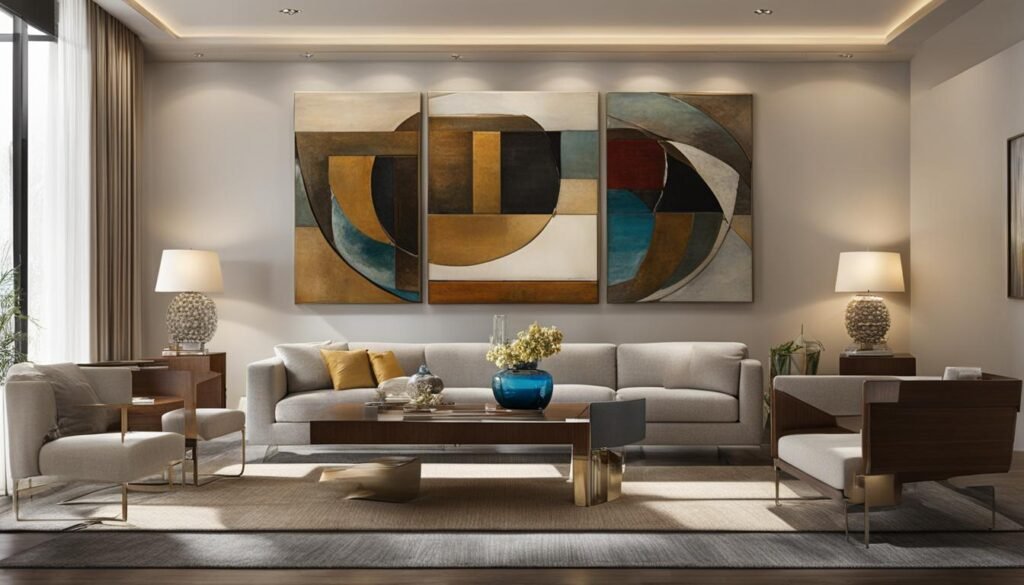
The art we select breathes life into a room, but when the scale is overlooked, the impact can be less than impressive. Have you ever walked into a room and noticed a small painting hanging above a grand sofa? That visual incongruity is one of the classic mistakes. Properly scaled artwork should balance with the furniture below, creating a cohesive look that enhances the room’s design. By considering the width of the furniture and the wall space available, you can select artwork that maintains proportion and elevates the space.
Furniture Sizing Pitfalls in Living Spaces
Sometimes, it’s the centrepiece furniture that can throw off room proportions. A common scenario is placing a couch too large for a space, making the room feel cramped, or a too-small sectional that seems to swim in the vastness of an open-concept area. This is why I’m meticulous about furniture sizing and always advise to measure twice and order once. As a rule of thumb, there should be a comfortable amount of room for movement around each piece, and the furniture should be of a scale that complements the room’s size and other objects within the space.
- Measure your space and plan furniture placement meticulously.
- Use painter’s tape to outline potential furniture on the floor, visualizing scale before purchasing.
- Pay attention to the height of pieces in relation to ceilings and other furniture.
- Keep a balance between large statement pieces and smaller, complementary items.
By spotlighting these common scale mistakes and implementing practical solutions, you can create a space that feels balanced, proportional, and visually pleasing. Remember, in the world of interior design, scale is more than just a measurement—it’s the key to crafting a harmonious haven.
Using Scale to Create Impact in Interior Design
As I explore the intricate world of interior design, one aspect continually stands out: the strategic use of scale to craft interiors that resonate with both beauty and purpose. Using scale effectively in interior design is about much more than just picking out the right furniture—it’s about creating a harmonious narrative within a space, where every piece conveys intention and contributes to the overall impact of the design.
Creating impact with scale goes beyond the obvious. It is a deliberate choice in selecting items that can change the essence of a room, making it feel more inviting, spacious, or even grander than its physical measurements might suggest. This is where my skills weave together aesthetics with psychological nuance to elevate a room’s design impact.
- Choosing bold, oversized art pieces can anchor a space, drawing the eye and setting a definitive mood.
- Larger-than-life light fixtures can not only illuminate but also serve as a striking focal point, revolutionizing a room’s ambiance.
- Thoughtfully arranged furniture can redirect flow and emphasize the room’s best features, creating dynamic spatial storytelling.
Each choice in design is a calculation, a step towards an impactful experience that arises from that perfect harmony between scale, proportion, and the natural rhythm of a space. When these elements unite gracefully, the results are nothing short of transformative. The key to success lies in making these decisions with a keen eye—understanding that it’s not just about filling a room, but rather, about enriching the lives of those who dwell within it.
How to Correctly Apply Scale in Interior Design Tips
As we delve into the intricacies of applying scale in interior design, it becomes apparent that achieving perfect harmony within a space is about combining intuition with precision. Every element, from the furniture we select to the lighting fixtures that illuminate our spaces, must be chosen with an eye for balance and beauty. In the following paragraphs, I offer my insights on how to secure the accuracy of furniture placement and utilize lighting as an instrumental component for adjusting scale within an environment.
Measuring for Accurate Furniture Placement
When it comes to furniture placement accuracy, precision is not just recommended—it’s imperative. I start by measuring the room’s dimensions, accounting for architectural nuances such as alcoves and bay windows. The same rigor applies to furniture dimensions, ensuring each piece will not only fit but also complement the room’s scale. To streamline this process:
- Use a tape measure to get the exact length, width, and height of the room in question.
- Note doorways, fireplace mantels, and window locations to foresee possible obstructions.
- Ensure there’s ample walking space around each furniture item to maintain a flow of movement.
- Employ graph paper or a room-planning app to experiment with arrangement before any heavy lifting occurs.
Leveraging Light Fixtures for Spatial Scale Adjustment
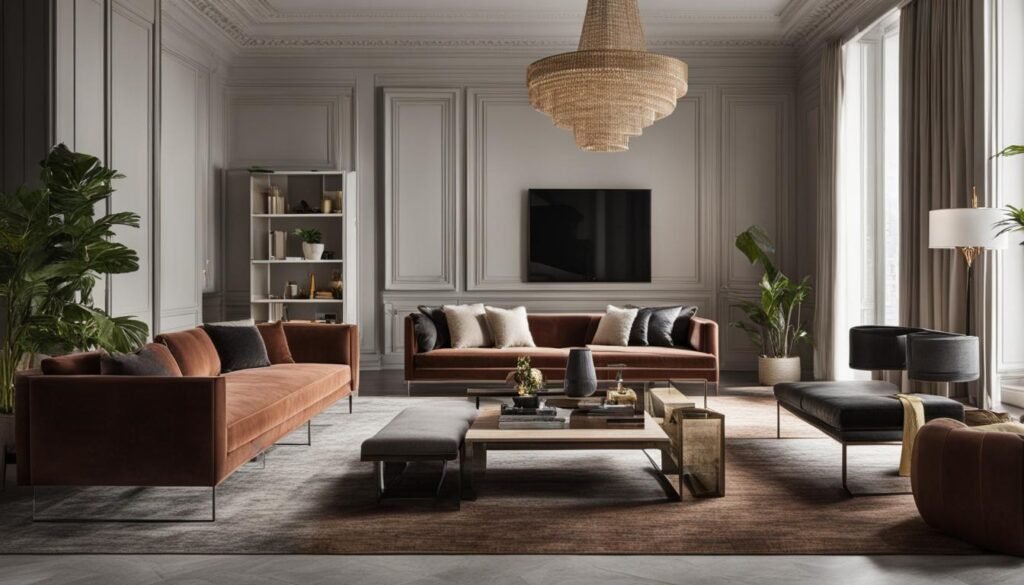
The scale of light fixtures can profoundly influence a room’s ambiance. A grand chandelier can make a vaulted ceiling feel more intimate, while sleek, low-hanging pendants can add the illusion of height in compact areas. Here are my preferred strategies for leveraging light fixture scale to enhance interior spaces:
- Select statement lighting that complements the room’s dimensions and furniture scale.
- Consider sculptural pieces that serve as both a light source and a focal point.
- Use a cluster of lights at varying heights to add depth and interest to larger rooms.
- Incorporate a dimmer switch to adjust the lighting intensity and scale perception as needed.
Developing an Eye for Room Design Scale
As a seasoned interior designer, I’ve found that cultivating the ability to accurately assess the scale within room design requires a keen understanding of both cultural nuances and how they shape our perceptions of space. It’s not simply about measuring furniture against a wall, but also how each item within a room communicates with another to convey a collective sense of harmony and balance. Below, I will delve into the subtleties of scale and how it is influenced by broader cultural contexts and design principles.
Cultural Influences and Perceived Spaciousness
Each culture brings its own unique set of standards when it comes to the perceived room spaciousness. Some favor open, minimal spaces that speak to a traditional sense of zen, while others prefer the warm, intimate settings that come with cosier arrangements. For me, understanding these cultural influences on design is critical to creating environments that resonate on a deeply personal level for my clients, ensuring spaces not only appear spacious but feel authentic to the occupants’ cultural heritage.
Scale and Balance in Interior Design for Aesthetic Appeal
The delicate art of achieving
scale and balance in interior design
cannot be underestimated. I pay meticulous attention to how objects interact within a space. It’s a dance of aesthetics, where every item needs to partner with elements both large and small to create a cohesive whole. The aim is to ensure no single piece overpowers another, but rather, they all contribute to a visually pleasing tableau that invites comfort and style.
Developing an eye for this intricate balance takes time and practice. It involves studying a vast array of environments, critically observing the layouts of various cultures, and constantly experimenting with different scales to find the perfect match. This ongoing pursuit is what allows designers like myself to hone our instinct for what works in a space and what does not, ultimately guiding the clients to a conclusion that their carefully curated environment feels ‘just right’.
Proportion Interior Design Examples: A Visual Guide
As I delve into the importance of proportion in interior design, I cannot help but celebrate the power of visual examples. There’s an art to striking the right balance in a room, where every piece of furniture, every accent, and every texture coherently coexists in perfect harmony. It’s these proportion interior design examples that truly illustrate the effectiveness of scaled elements, providing a visual guide to proportion that’s as instructive as it is compelling.
Interior design visuals are more than just photographs of aesthetically pleasing spaces; they’re teaching tools that showcase the principles of design applied masterfully to real-world settings. These visuals highlight how different elements within a room can be sized and arranged not only for practical function but also for creating visual symphony.
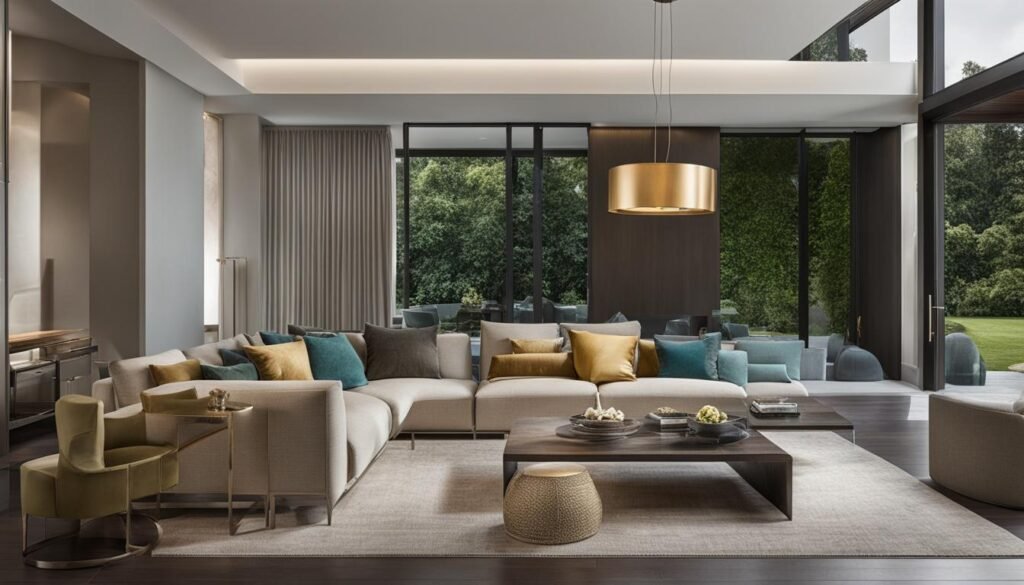
Let me guide you through key aspects where proportion takes center stage:
- Functional Layouts: Notice how furniture is placed to facilitate movement while maintaining a sense of enclosure and comfort.
- Size Relationships: Observe the relationships between objects, like a coffee table in relation to a sofa, ensuring they are to scale for usability and aesthetic pleasure.
- Accentual Balance: Each decorative piece contributes to the whole atmosphere without overwhelming or underwhelming the senses.
- Textural Dimensions: Varied textures are proportionally distributed to create depth and interest without clutter.
Exploring these proportion interior design examples serves as a hands-on lesson in crafting spaces that feel both expansive and intimate—spaces that invite you in and tell a story through the language of design. This visual guide to proportion is an indispensable compass for navigating the seas of interior design with poise and precision.
Scale and Proportion Interior Design Case Studies
Delving into the practical applications of scale and proportion in interior design, I’ve had the opportunity to examine a number of inspiring case studies. These real-life examples not only showcase the transformative power of these principles but also serve as a valuable reference for anyone looking to revamp their own space. One standout project is a living room renovation in Santa Monica, where scale was the vehicle for achieving an inviting and warm atmosphere within a grand space. Another example demonstrates how proportion can bring together an eclectic mix of objects for a harmonious, cohesive look.
Case Study: Transforming a Santa Monica Living Room with Scale
One of the most memorable interior design case studies involves a Santa Monica living room transformation where scale played a crucial role. The challenge was to maintain the room’s spacious feel while also creating a sense of intimacy and comfort. By carefully selecting and placing oversized sofas and a substantial coffee table in relation to the expansive area, the room became more grounded and inviting. Strategic use of tall potted plants and large-scale artworks further emphasized the room’s height without overwhelming it. Achieving this balance had a profound impact on the overall ambiance of the living room, turning it into both a functional and serene retreat.
Case Study: Achieving Cohesion in a Reader’s Home with Proportion
An equally enlightening case from the annals of achieving cohesion with proportion unfolded within a reader’s home. This space was an eclectic mix of travel keepsakes, antique finds, and contemporary furniture. The secret to turning this assortment into a cohesive interior design lay in the meticulous adhering to proportion. By arranging accessories and furniture of varying heights and sizes, a layered effect was achieved, offering both visual interest and cohesiveness. Understanding proportion even dictated the space between items, allowing each piece to stand out while contributing to a unified whole. The end result was a home that felt curated and personal without descending into clutter.
- Introduction of large furniture pieces in an open space driving intimate ambiance.
- Use of proportion to arrange eclectic items in harmonious composition.
- The important role of space planning in achieving scale and proportion.
Exploring these case studies illuminates the profound impact that scale and proportion can have in the realm of interior design. When executed correctly, they serve not only to enhance the beauty of a room but also to amplify its utility and feel, making them indispensable tools in every interior designer’s toolkit.
Practical Tips for Achieving Proper Scale in Interior Design
Mastering the art of scale in interior design involves a blend of creativity and precision. It takes an eye for detail to ensure every piece within a space contributes to an overall balanced look. Today, I’m sharing a few practical tips that focus on optimizing scale through strategic layering and selection of elements, which are essential for crafting interiors that resonate both comfort and style.
Layering Rugs for Enhanced Proportion
Firstly, when I consider the proportion of rugs in a room, I find that layering rugs is an incredibly effective technique. It’s a practice that not only adds depth and warmth but also helps to correct the proportion of smaller rugs in a larger space. Here’s how I approach it:
- Analyze the room’s dimensions and select a base rug that correlates with these measurements.
- Place a smaller, more decorative rug on top to create a dynamic contrast and define the seating or focal area.
- Ensure the layered rugs complement each other in color, texture, or pattern to maintain cohesion.
This method aesthetically amplifies the feel of a room, ensuring that every angle provides a visual treat that is harmoniously proportioned.
Choosing Lighting Fixtures to Complement Spatial Dimensions
Next, selecting the right lighting fixtures is pivotal for complementing the spatial dimensions of a room. The fixture’s scale should balance the room’s size and ceiling height, serving as a statement piece without overpowering the space. Here’s my approach:
- Determine the volume of the room to define the correct size of the lighting fixture.
- Consider the style and function of the room—lively social areas may benefit from bold, sculptural pieces while intimate spaces may require softer, more subdued lighting.
- Take into account the existing finishes and materials in your space to ensure the lighting fixtures integrate naturally.
By conscientiously choosing lighting fixtures, you can influence the mood and perceived size of any room, elevating both its functional and aesthetic value.
Save this article
Enter your email and we'll send it straight to your inbox.
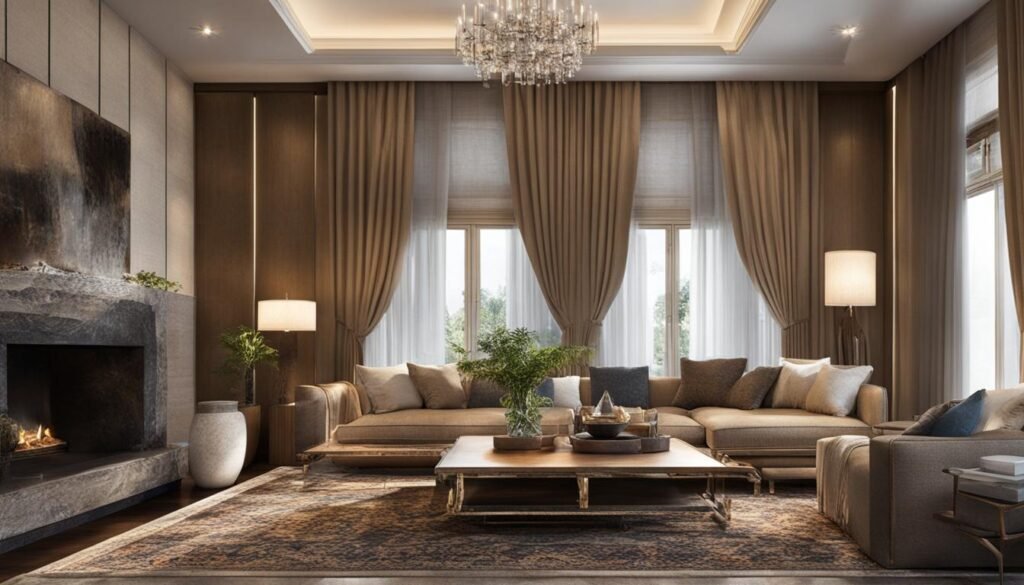
In conclusion, achieving proper scale in interior design is not just about following rules—it’s about playing with different elements until you find the perfect balance that pleases the eye and functions well. It’s worth taking the time to layer rugs and carefully select lighting, as these aspects can greatly complement the spatial dimensions of a room. When these components work in harmony, the results are stunningly cohesive interiors that feel tailor-made.
Incorporating Scale in Interior Design Beyond Furniture
When I delve into the realm of interior design, my vision extends beyond the tangible bulk of furniture to the more nuanced elements that collectively influence a room’s aesthetic and feel. Recognizing that incorporating scale in interior design is a broader practice that transcends mere furnishings is integral to achieving a unified and appealing space within my projects.
Focusing on the scale of artwork is pivotal—its impact can animate a wall or overwhelm it if not thoughtfully considered. Similarly, accessory choices must resonate with the surroundings both in magnitude and intention. This is not merely about size but about the visual weight and presence each piece commands within the ensemble of decor. For instance, a singular large vase on a table can balance a room far more effectively than several small items that may appear cluttered and uncoordinated.
Indeed, interior design elements range from the obvious to the subtle, all requiring the same attention to the principles of scale. Thematic consistency, for example, can tie a space together with echoes of color, pattern, or material that are scaled in diversity throughout different areas.
- Expansive wall art that captures the room’s theme
- Oversized lamps that serve as sculptural focal points
- Substantial planters that ground the space
As an artist at heart, I look beyond furniture scale, creating harmony and proportion with the calculated placement of these elements. The challenge, and my ongoing pursuit, lies in assembling a tapestry of components that speak to each other and to the space as a whole, forging an interior realm where scale becomes a silent narrator of style and story.
Creating Visual Interest with Scale in Interior Design
When I approach a new design project, my focus on visual interest with scale becomes a pivotal aspect in transforming any large-scale room design into a thrilling visual narrative. By expanding design themes and incorporating appropriate scale in decorative elements, I infuse depth and character into the living spaces.
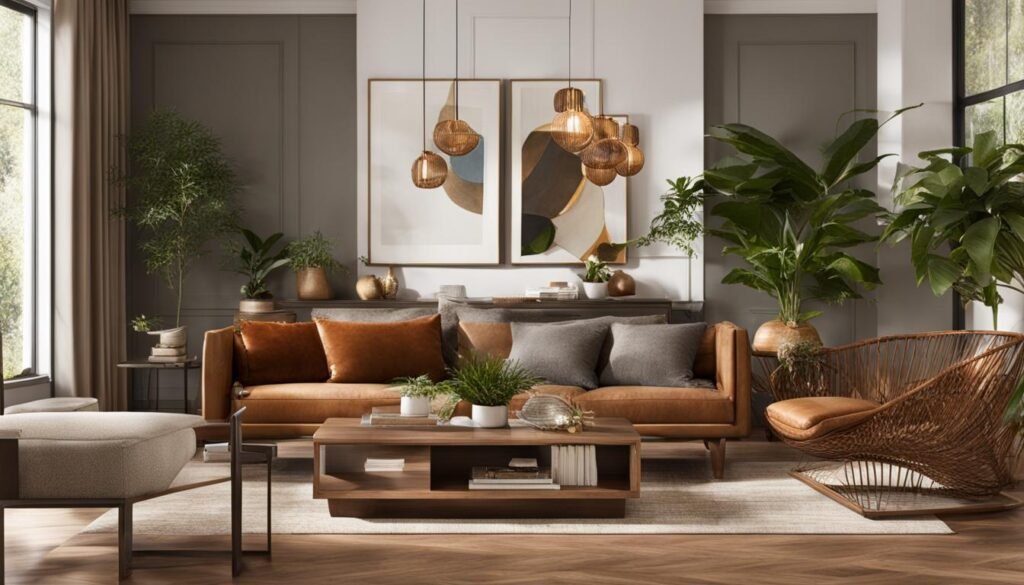
Expanding Themes for Greater Impact Using Scale
One method I employ is to expand on thematic concepts within the room, using larger-scale items to underscore a motif for significant impact. Be it an abstract concept such as minimalism or a more defined subject such as vintage nostalgia, the idea is to amplify these themes through curated, sizeable elements that carry the visual narrative throughout the space. This could be achieved through an oversized painting that encapsulates the desired atmosphere or a large sculptural piece that becomes the room’s centerpiece.
Selecting Oversized Accessories for Large-Scale Rooms
In a large-scale room, selecting appropriately sized accessories is crucial to avoid them being swallowed up by the sheer volume of the space. I focus on selecting oversized accessories — think monumental vases, extensive wall art, and bold lighting fixtures — to craft focal points that are proportional yet commanding. Each oversized piece should contribute to the room’s overall harmony, rather than overwhelming it, ensuring a design that is balanced and inviting.
- Strategic placement of large accessories can define seating areas or conversation spaces
- Utilizing bold patterns or vibrant colors in large items can set the mood or accentuate the room’s aesthetic
- Including a mix of textures across oversized elements adds depth and tactile intrigue to the space
By embracing the grand scale of a room and equipping it with suitably impactful elements, I can convert any large space into a source of inspiration, comfort, and visual delight for its inhabitants.
Scale in Interior Design Tips: The Professional’s Approach
When it comes to interior design, mastering the use of scale is fundamental, it’s the quintessential skill that sets apart novices from experts. My professional approach to scale centers on creating a space that not only assures comfort but also resonates with impeccable aesthetics, compelling the eye to wander and yet find comfort in balance. It’s the harmonious interplay of volume, distance, and dimensions that breathes life into a design concept, turning four walls into a congruent tableau that invites one to live in it.
One of the essential expert design tips I always spotlight is the necessity of rigorous measuring. Surgical precision empowers you to anticipate how pieces will inhabit a room—even before they are physically placed. This forward-thinking strategy eradicates the common blunders that disrupt the flow and feel of a space.
- Strategically place rugs to define areas and assert boundaries
- Choose art that complements the room’s scale, thereby anchoring the decor
- Select lighting fixtures that harmonize with the furniture and accentuate key areas
- Opt for furniture that fits the room’s proportions to foster both functionality and form
My journey through design has ingrained in me a penchant for a professional approach to scale, where every element contributes to a symphony of size, shape, and spacing. It’s not just about choosing a statement piece; it’s about crafting a narrative through which each element supports and enhances the other, producing a cohesive and inviting atmosphere. Follow these scale in interior design tips, and you’ll begin to notice how a thoughtful approach to scale can transform an ordinary room into an orchestrated spectacle of design prowess.
Conclusion
As we reflect on the intricacies of interior design, it becomes abundantly clear that the importance of scale in interior design is at the heart of creating spaces that not only captivate the eye but also offer comfort and functionality. Acknowledging the significance of scale allows us to conceptualize an environment that exudes aesthetic harmony and aligns with our intimate sense of space.
Key Takeaways on the Importance of Scale in Interior Design
My journey through understanding and implementing scale has underscored a few key takeaways. Chief among these is that whether you are a seasoned professional or a DIY enthusiast, recognizing the profound impact of scale and proportion is fundamental to successful interior design. Each design decision, from the selection of furniture to the spacing of artwork, must consider the dimensions and dynamics of the given area to cultivate a cohesive and inviting atmosphere.
Summary of Top Tips and Tricks for Mastering Scale
In summarizing my top tips and tricks for mastering scale, I stress the meticulous attention to detail required for precision in furniture placement, the strategic use of light fixtures to influence the perceived scale of a space, the thoughtful layering of rugs to enhance proportions, and the careful selection of accessories to achieve balance. Through the application of these foundational techniques, you can achieve grandeur in scale, creating interiors that speak volumes of your expertise and vision.
FAQ
What is the definition of scale in interior design?
Scale in interior design refers to the size of an item relative to the size of the space it inhabits. It’s about ensuring that items fit comfortably in a room, neither overwhelming nor being dwarfed by the surrounding area.
How are scale and proportion different in interior design?
While scale is about the relationship between an object and the space it is in, proportion refers to the relationships and ratios between objects within a space. Getting both right is key to creating a balanced and visually appealing design.
Why is scale important in creating a harmonious space?
Proper scale ensures that all elements in a room feel like they belong together and the space is unified. It helps avoid a cluttered or sparse look, and contributes to a space feeling comfortable and functional.
Can you give me examples of scale in interior design principles?
Yes, examples include using appropriately sized furniture for a room, selecting art pieces that match the scale of the wall they’re on, and choosing a rug that is the correct size for the seating area it’s anchoring.
What are common scale mistakes in home decor?
Common mistakes include hanging artwork that’s too small over a large sofa, using a dining table that overpowers a dining area, or placing a tiny lamp on a large end table. Such missteps can disrupt the harmony and balance of a room.
What impact does artwork size have on room design?
Artwork that is out of scale can make walls look barren or cluttered, disrupting the visual flow of a space. Art sized properly can tie a room together, serving as a focal point or complementing other design elements seamlessly.
How can furniture sizing affect living spaces?
Incorrectly scaled furniture can make a room feel cramped or sparse. For example, a sectional too large for a living room can restrict movement, while a too-small bed in a large bedroom can seem lost and insignificant.
How is scale used to create impact in interior design?
Scale can be used to create a statement by using a large chandelier in a modest room for dramatic effect or by arranging a collection of small items on a large surface to draw the eye.
What are some tips for measuring accurate furniture placement?
Before buying furniture, measure the room and create a floor plan, considering walkways and clearance. Use painter’s tape on the floor to mark where furniture will go, ensuring the scale is appropriate for the space.
How can light fixtures adjust the perceived scale of a space?
Light fixtures can define zones in a space or bring a sense of intimacy to a larger room. A sequence of small pendants can create rhythm and proportion in a large kitchen island, while a grand chandelier can scale down vast ceiling heights.
What role do cultural influences play in perceived room spaciousness?
Cultural backgrounds can influence what is considered comfortable space. Western cultures often equate spaciousness with luxury, while others might find a more compact, cozy environment to be preferable.
How do scale and balance relate to aesthetic appeal in interior design?
A balanced room with well-chosen scale can visually stabilize a space. This means having a mix of different sizes and placing them in a way that doesn’t make the room feel too empty or too crowded, but just right.
Can you provide visual examples of proportion in interior design?
Absolutely. Think of a bedroom where the bed, nightstands, and lamps all vary in height but maintain a pleasing ratio to each other. This creates a layered look that is visually comfortable and appealing.
What can one learn from interior design case studies focusing on scale?
Case studies can show how adjusting scale can transform a space. For instance, a bulky sofa may be replaced with a smaller one and paired with accent chairs to better suit the scale of a small living room, changing its entire look and feel.
What are some practical tips for achieving proper scale in interior design?
To achieve proper scale, consider layering different sized rugs to add depth to a room, choose light fixtures based on the ceiling height and area size, and select furniture that aligns with the room scales, like a tall bookcase in a room with high ceilings.
How can one incorporate scale in interior design besides with furniture?
Incorporating scale goes beyond furniture; it includes selecting art pieces, decorative items, and even the sizes of patterns on wallpapers and textiles. Each contributes to the overall scale and should be chosen with the size of the space in mind.
What strategies can be used for creating visual interest with scale?
Use a mix of large statement pieces and smaller detailed objects to draw the eye around the room. Play with contrasting sizes, like an oversized lamp next to a delicate vase, to create visual interest and balance.
How does a professional approach scale in interior design?
A professional considers all elements—from furniture to fixtures to decor—and how they will work together in terms of size and visual weight. They calculate, plan, and visualize the end result to ensure the scale creates the desired impact.
What is the importance of scale and proportion in interior design?
Scale and proportion are crucial for designing pleasant spaces. They ensure that each item fits well in an environment according to the size of the room and in relation to other items, creating a space that looks and feels cohesive and comfortable.
Save this article
We'll email you the link so you can find it again later.


