

My journey into the humble chicness of Scandinavian interior design has proven to be an enriching experience of minimalist elegance that seamlessly merges form with function. Originating from the serene lands of Denmark, Sweden, Norway, Iceland, and Finland, this style has redefined modern living spaces with its emphasis on clean lines, cosy textures, and an all-encompassing timeless appeal. As I delve deeper into this aesthetic, I recognize it’s not just about creating a visually stunning environment; it’s about cultivating personal sanctuaries that reflect our lifestyles and enhance our well-being through functional aesthetics and purposeful design.
Tapping into the transformative power of simple yet sophisticated home transformation, I’ve seen first-hand how Scandinavian interior design is much more than an aesthetic choice—it’s a lifestyle revolution. The principle is straightforward: by decluttering our spaces, we declutter our minds, making room for relaxation and peace in our hectic lives. With each curve and hue inspired by nature and iconic movements like Bauhaus, this design philosophy invites us to redefine elegance through the lens of minimalism and timeless tranquility.
Key Takeaways
- Scandinavian interior design is rooted in simplicity and functionality, reflecting a Nordic lifestyle.
- Minimalist elegance is a hallmark of this design style, striving for both beauty and practicality.
- Natural materials and neutral colors are foundational to creating a sense of calm and serenity.
- Home transformation through this style is not just aesthetic but also promotes well-being and peace.
- Functionality is key, as this design values purposeful furnishings that stand the test of time.
The Essence of Scandinavian Interior Design
When I consider the journey of Swedish interior design style, I’m captivated by its transformation from deep historical roots to a sleek modern iteration. The transition from ancient craftsmanship to contemporary aesthetics showcases the true versatility of what is revered as minimalist Scandinavian design. To truly grasp the fabric of Scandinavian style, an understanding of its storied past and the evolution into the modern day is critical.
Historical Roots and Modern Evolution
The narrative of what is Scandinavian interior design dates back to the era when robust, rustic craftsmanship was at the cornerstone of Nordic living. Yet, the agility with which it has embraced innovative materials without relinquishing its heritage is impressive. As a proponent of functional aesthetics, today’s Scandinavian style presents a fusion of history and innovation.
Bauhaus Influence and Iconic Designers
The impact of the Bauhaus ethos on Scandinavian design cannot be overstated. Its focus on functionality over ornate form set the stage for legends like Alvar Aalto, Arne Jacobsen, and Eero Saarinen. Their contributions were fundamental to establishing an environment that values calmness and order, pivotal elements in the minimalist Scandinavian design approach.
Simplicity, Functionality, and Nature
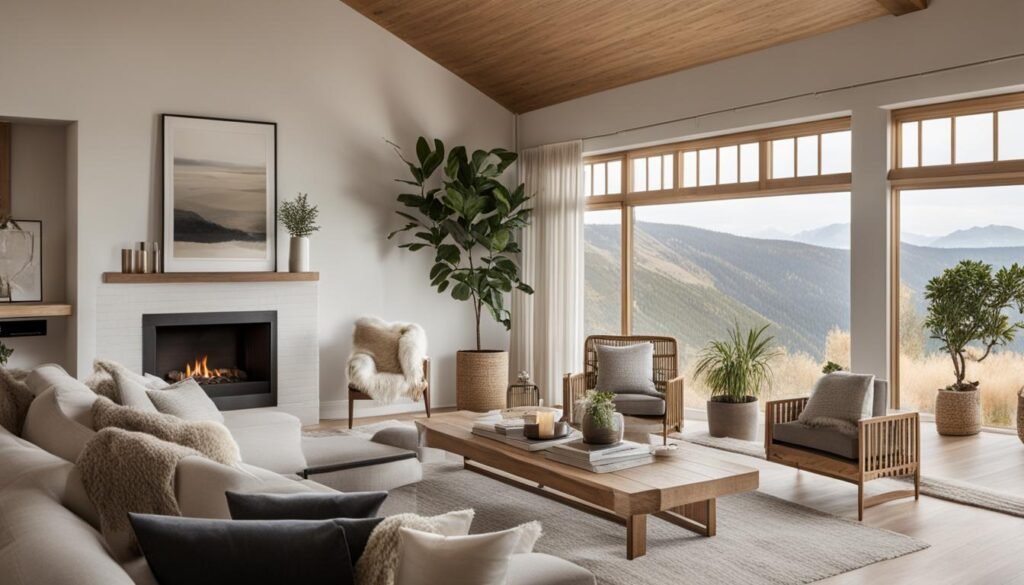
At the heart of Scandinavian design lies the melody of simplicity, functionality, and an indelible connection with nature. The pursuit of a serene and practical space is achieved by a harmonious blend of a neutral palette and raw materials, accentuating the overall aesthetic. An inherent respect for nature is emphasized through the incorporation of organic elements, reinforcing the ethos that underpins a quintessential Scandinavian home’s essence.
The Philosophy of Minimalist Scandi Design
As I immerse myself in the world of Scandinavian interior design, I’m struck by its artful simplicity—the hallmark of minimalist Scandi design. This design ethos, widely celebrated for its functional aesthetics, is more than just an aesthetic; it’s a lifestyle choice characterized by its deliberate reduction to essentials. In my exploration, the recurring theme is clear: minimalist design predicates itself on the functionality of living spaces.
The allure of a Scandinavian home decor lies in its restraint—where less truly becomes more. It’s an approach that prioritizes quality over quantity, choosing furniture and items that are not only aesthetically pleasing but also purposefully functional. As I’ve seen in numerous Nordic-inspired homes, each piece is carefully selected to serve a purpose, thereby eliminating clutter and enabling a purer form of expression.
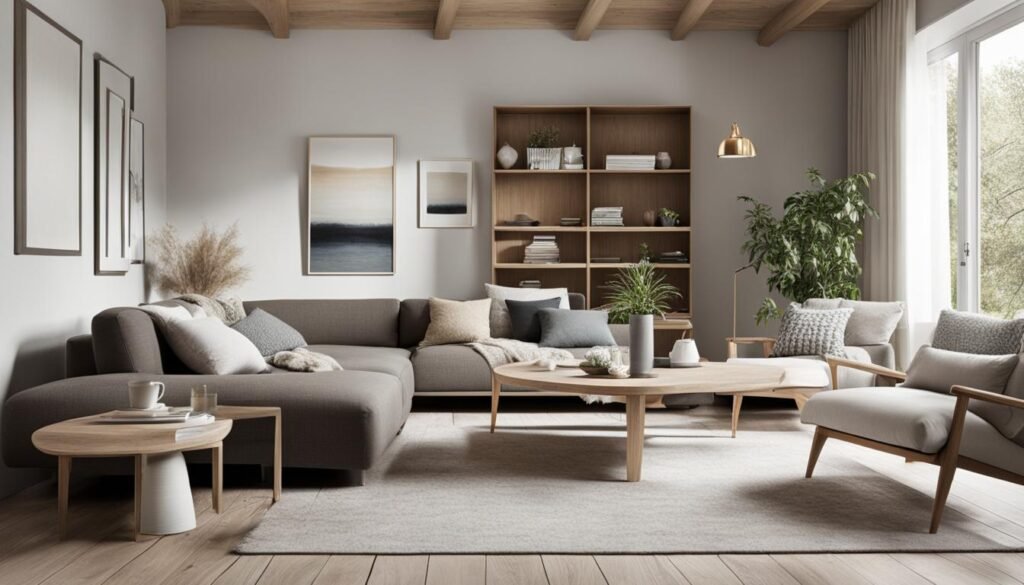
If you’ve ever wondered exactly what is Scandinavian interior design, imagine spaces bathed in light, with a muted palette of colors that evoke serenity, meticulously curated with pieces that blend seamlessly into the overall design. The mastery of this style lies in its ability to evoke calm—crafting rooms that aren’t just places to live, but spaces for rejuvenating the spirit.
- Embracing a color scheme that reflects the Nordic skies and landscapes
- Selecting furniture that exemplifies durability and timeless design
- Incorporating elements with a clear function, enhancing both form and utility
In essence, the Scandinavian emphasis on minimalist design and functional living not only shapes a distinct aesthetic but also promotes a way of life focused on balance and a conscious approach to consumption. It is a philosophy that resonates with me deeply, as it offers a blueprint for living that is both sustainable and beautiful.
Incorporating Natural Elements for Authentic Scandinavian Interior
When I consider the essence of Scandinavian home style, I find myself captivated by the harmonious blend of simplicity and nature-driven design. It is the skillful incorporation of natural elements that breathes life into Nordic interior design and etches a unique, timeless look into the heart of every space. This connection to nature is a crucial factor, influencing everything from the placement of Scandinavian furniture to the selection of Scandinavian home accessories.
The Use of Wood and Sustainable Materials
In my exploration of Scandinavian interiors, it’s apparent that wood is more than just a material; it’s a statement of environmental consciousness and a touchstone for Scandinavian furniture design. From the smooth surfaces of oak tables to the inviting curves of beech chairs, every piece speaks of a bond with nature. Embracing natural materials goes beyond aesthetics, showcasing a commitment to sustainability that is proudly displayed through the resilience of wooden floors and the eco-friendly ethics of each carefully chosen accessory.
Bringing the Outdoors Inside
As I delve deeper into the principles of Scandinavian home style, the desire to merge the indoors with the outside world becomes clear. This approach isn’t just about visual appeal; it’s a deeper attempt to capture an enigmatic balance where homes feel like an extension of the natural world. It’s about crafting a setting where the rustic charm of stone, the supple feel of leather, and the cozy embrace of wool come together, creating a Scandinavian atmosphere resonant with the whispers of forests and the tranquility of a Nordic landscape.
Color Palettes Defining Scandinavian Interior Design
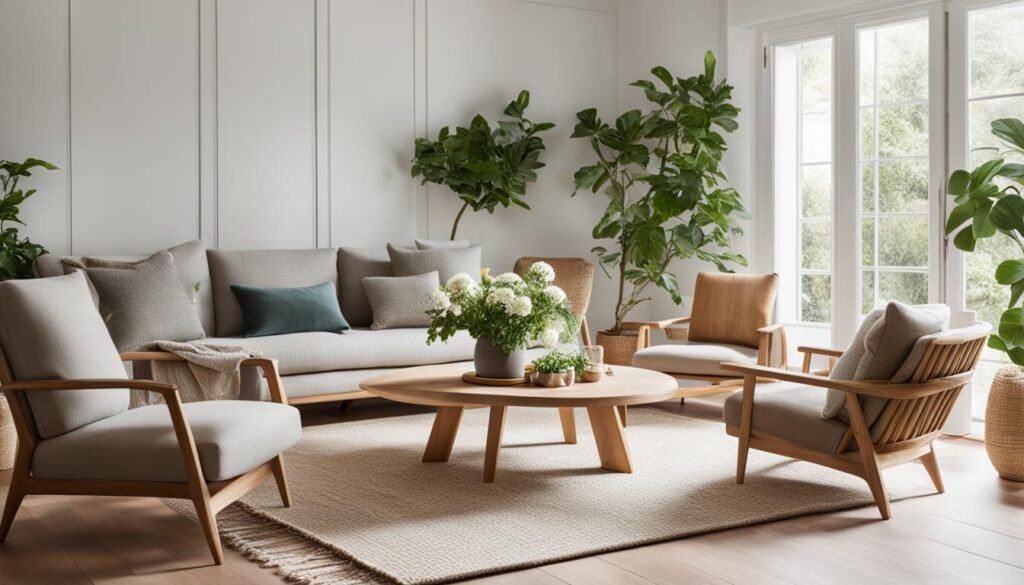
My exploration of Scandinavian home design reiterates the significance of a well-considered color palette. It’s the subtle hues of light colors that create the distinct tranquil backdrop symbolic of Nordic decor. This serene foundation is comprised of cool whites, soft greys, and understated earthy tones, each chosen for their contribution to a peaceful and harmonious living environment.
The Scandinavian interior is a canvas where natural light plays a pivotal role, and these muted tones excel in reflecting and augmenting light, ensuring spaces feel airy and more expansive. Even within such a reserved palette, the Scandinavian decorating style allows for splashes of color. Be it through a vibrant piece of artwork or a strategically placed throw pillow, these accents are like the brushstrokes of personality on an otherwise minimalist landscape.
- Whites reflect purity and simplicity, forming a crisp base layer.
- Greys offer a mediating contrast, balancing the light and dark elements.
- Muted earth tones ground the aesthetic, linking the interior to nature.
Incorporating these colors isn’t just about aesthetics; it’s a study in psychological comfort. Each shade is chosen not only for its visual appeal but for its ability to foster a restful state of mind. When I infuse these elements into my own Scandinavian home design, I can almost physically feel the room expand and brighten, reaffirming the timeless allure of this elegant decorative approach.
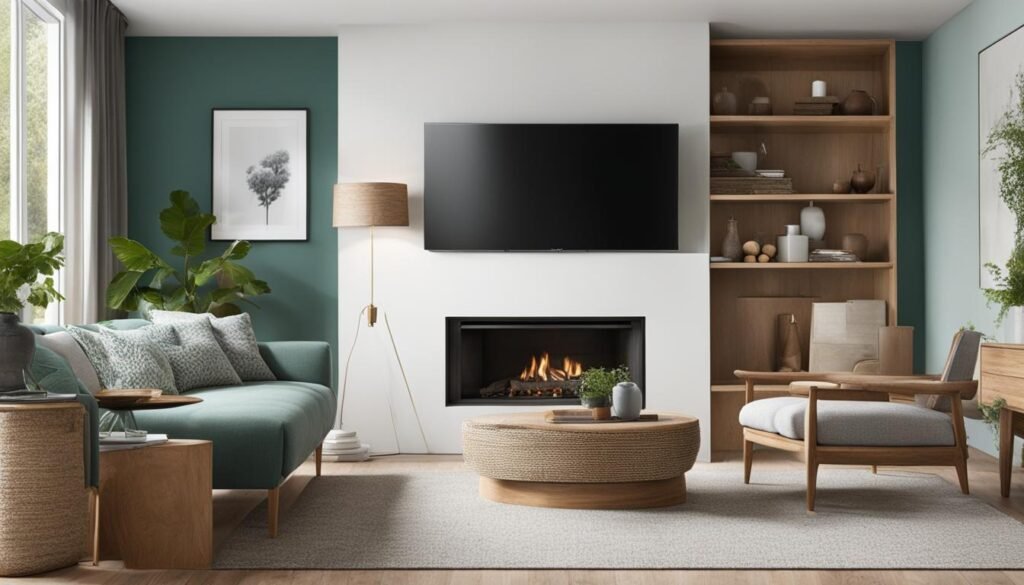
I note that while some may consider such a palette limited, it is precisely in this restrain that the beauty of the Scandinavian philosophy shines. The true richness is found not in a broad spectrum of colors but in the subtle nuances and the emotions they evoke—the essence of a design language that continues to capture the imagination and hearts of many.
Maximizing Light in Scandinavian Home Design
When I think of Scandinavian modern interior design, the first element that shines through is the exceptional use of light. The Nordic affinity for brightness and a cozy interior stems from a deep understanding of how light influences the ambience of a space. Let’s delve into how large windows and reflective surfaces become key components in this enlightened design strategy.
Capturing Natural Light with Large Windows and Mirrors
In regions where daylight hours are a precious commodity, Scandinavian design excels at harnessing every possible lumen of natural light. Through the thoughtful placement of large windows, every room is transformed into an airy sanctuary bathed in Scandinavian light. But it’s not just the size of the windows that makes the difference—it’s also their strategic positioning. As I wander through such spaces, I feel an intrinsic connection to the world outside, a testament to the Nordic design principle of blurring indoor and outdoor boundaries.
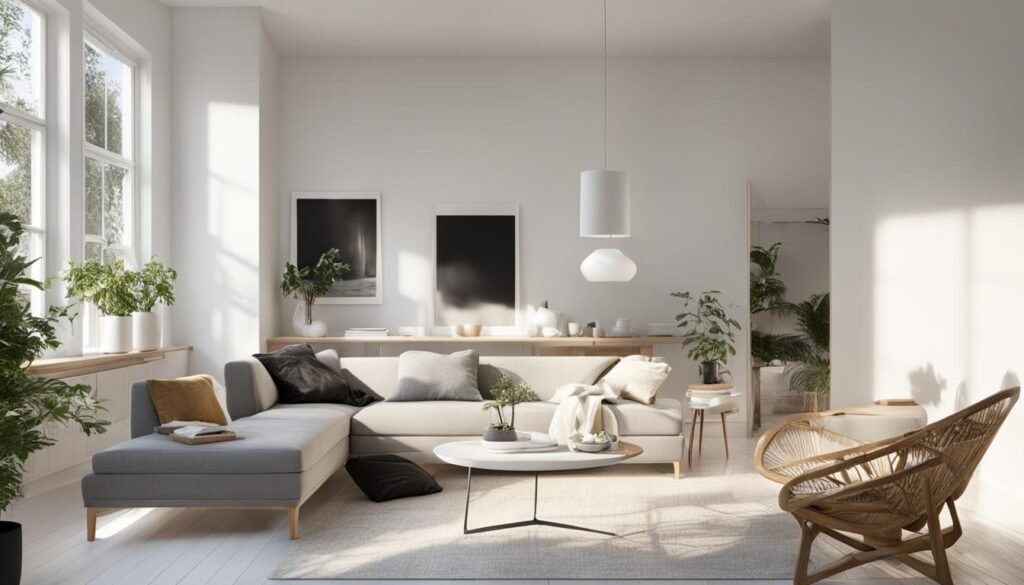
Mirrors also play a vital role in this luminous symphony, magnifying natural light and directing it to more secluded corners. The reflection from mirrors brings a dynamic visual expansion of space, a clever design trick I’ve noticed in many Scandinavian homes.
Warm and Soft Lighting Fixtures to Enhance Coziness
As the day wanes, the source of light shifts indoors, with lamps and candles setting a serene evening mood. The selection of warm and soft lighting fixtures is deliberate; helping weave a tapestry of comfort that wraps around you. The glow of a Scandinavian lamp is more than a mere utility—it is a beacon of coziness, inviting you to curl up with a book or engage in quiet conversation.
- Atmospheric table lamps that cast a gentle luminescence
- Floor lamps with diffuse shades, contributing to a softened glow
- Candles and lanterns that flicker with the promise of hygge
In my experience, the nuanced layers of light in Scandinavian interiors do more than illuminate; they transform and transport, creating a haven of tranquility far removed from the frenetic pace of modern life.
Save this article
Enter your email and we'll send it straight to your inbox.
Key Furniture Selections in Scandinavian Modern Interior Design
When I consider the hallmarks of minimalist Scandinavian design, I think of more than just an aesthetic; it’s a functional philosophy that influences daily life. In my exploration of Scandinavian furniture, I have come to appreciate the intentional focus on pieces that not only serve a functional purpose but also evoke a sense of serenity and sophistication. Central to interior design Scandinavian style is the selection of functional furniture that embodies a streamlined silhouette with a no-frills approach, catering to both needs and visual harmony.
As a journalist deeply enamored with the Scandinavian ethos, I am perpetually drawn to the signature characteristics of their furniture design that prioritize both form and function. Each piece of furniture is not merely a standalone artefact but a contributing component of a well-curated living space that promotes effortless aesthetics and practical usability. The integration of multi-purpose furniture that doubles as storage solutions exemplifies this smart, space-maximizing approach intrinsic to Scandinavian interiors.
- Clean Lines & Pure Forms: Scandinavian furniture exhibits a refined simplicity with clean and sleek lines that allow for versatility in various interior themes.
- Quality Over Decoration: The region’s design principles admire the quality of craftsmanship over ornate detailing; every piece of furniture has an inherent functionality.
- Neutral Hues & Natural Materials: Maintaining consistency with the minimalist palette, Scandinavian furniture often features neutral colors and relies on natural materials for a touch of organic beauty.
- Strategic Use of Textiles: Soft furnishings paired with Nordic furniture add comfort without overpowering the design’s minimalistic charm.
- Smart Storage Solutions: In-built storage in furniture items is a smart design move, reflecting the Scandinavian flair for efficiency and clutter-free living.
The essence of this design strategy is to summon graceful living through furnishings that speak of understated elegance. I advocate for embracing the quiet luxury that Scandinavian modern interior design offers, further enhanced by an earnest commitment to functionality. It’s a thoughtful approach to interior decorating that I believe can transform spaces into sanctuaries of calm and beauty, engrained with the spirit of Nordic functionality.
Texture and Textiles in Scandinavian Decorating Style
My appreciation for the Scandinavian decorating style deepens when I consider the exquisite use of textures and textiles. It’s an exploration of sensory pleasure, balancing visual tranquility with tangible comfort. The careful selection of soft furnishings brings a depth to the minimalist interiors, where cozy throws, soft rugs, and cushions become a quiet celebration of hygge style living.
Cushions, Throws, and Rugs: Layering for Comfort
I’ve found that layering various textures is more than a style choice; it’s a bridge to well-being. In my home, Scandinavian bedroom textiles manifest as lush blankets and woven cushions, each echoing the nordic sentiment that to live well is to live comfortably. There’s an inherent wisdom in enveloping oneself in thoughtful layers of cozy throws that provide warmth and an intimate embrace of relaxation. The use of soft rugs underfoot further instills a sanctuary-like feel, creating spaces that welcome a slower pace and moments of repose.
The Hygge Approach to Home Accents
The embodied comfort within Scandinavian decorating style resonates through the hygge approach, where life’s simplest pleasures are heightened through tactile experiences. Every cushion, throw, or rug in my living space doesn’t just serve a purpose; they are keynotes in a symphony of comfort. Hygge isn’t just about creating warmth; it’s a philosophy that turns every soft textile into a chorus of coziness, a visual invitation to unwind. Thus, my living space doesn’t just cater to the eye, but also to the touch, enveloping residents and visitors alike in the caring arms of what is essentially home.
Practical Tips for Decluttering and Maintaining a Scandinavian Home
As someone who deeply appreciates the serene aesthetic of a Scandinavian home, I recognize that the very essence of this design philosophy hinges on simplifying one’s living spaces through mindful decorating and decluttering. To truly embody the minimalist Scandinavian design, one must embrace a lifestyle that prioritizes clarity of space and mind. The result is not only an environment that speaks volumes in its tranquil presence but also a daily experience that feels liberated from chaos.
Implementing Clever Storage Solutions
To maintain the clutter-free ethos of Scandinavian interior design, integrating clever storage solutions is key. These are not merely meant for tucking away the excess but are a design statement in themselves, serving both form and function. Here are some effective storage options:
- Utilize under-bed containers for seasonal clothing or extra bedding, keeping them out of sight yet accessible.
- Choose furniture with built-in storage, such as ottomans or couches with drawers, for a seamless look.
- Opt for vertical shelving units that take advantage of upward space, making them ideal for small Scandinavian homes.
These storage strategies not only serve the practical aspects of living but also contribute to the minimalist charm so integral to this design.
Mindful Decorating and the Art of Less is More
When I think about decorating with intention, mindful decorating immediately comes to mind. It’s an art form that speaks to the ‘less is more’ philosophy, focusing on the quality and purposefulness of each piece chosen for a Scandinavian home. The guiding principles here include:
- Selecting items that serve a functional purpose or bring genuine joy.
- Emphasizing a palette of neutral tones punctuated with thoughtful color splashes to maintain visual calm.
- Arranging pieces to create plenty of breathing room, giving each item its well-deserved space and attention.
It’s this conscientious approach to what we bring into our homes that establishes a haven of tranquility and purpose.
Conclusion
In my exploratory journey through the lens of Scandinavian interior design, I have observed how it transcends mere aesthetics to become a philosophy of living. The question—what is Scandinavian interior design—unfolds into an appreciation of a design ethos that harmonizes the functional with the beautiful, forging an inseparable bond between simplicity and sophistication. The defining principles of Swedish design interior are not only visual choices but also conscious lifestyle decisions, embedding functional aesthetics into the core of the home.
The marriage of modern Scandinavian design with traditional Nordic decor crafts a sanctuary that celebrates both innovation and heritage. My exploration has uncovered how each element—from a muted color palette to the emphasis on natural light—contributes to an ambiance that embodies tranquility and minimalist serenity. Scandinavian home style is not a fleeting trend but a lasting paradigm that invites us to reconsider our own spaces through the prism of Scandinavian practical elegance.
Ultimately, the allure of Scandinavian interior design lies in its ability to imbue day-to-day living with an understated luxury rooted in comfort and connection to the natural world. A pursuit of balance, where each chosen piece resonates with purpose, ensures that our homes become a reflection of our ideals. Embracing the tenets of this venerable design school empowers us to create our own tranquil havens in which form and function are interwoven with the timeless beauty of simplicity.
FAQ
What defines Scandinavian interior design?
Scandinavian interior design is defined by its minimalistic elegance, clean lines, and functional aesthetics. It focuses on simplicity, the integration of natural elements like wood, and a neutral color palette to create a serene and inviting space. This style promotes comfortable, clutter-free environments that reflect a harmonious balance between beauty and practicality.
How has Scandinavian interior design evolved from its historical roots?
Scandinavian interior design has matured from its origins of rustic craftsmanship to a style that embraces modern materials and innovation, while still maintaining its core principles of functionality and simplicity. The influence of the Bauhaus movement and designers such as Alvar Aalto, Arne Jacobsen, and Eero Saarinen has contributed to its evolution, giving it a modern yet timeless aesthetic that harmonizes with contemporary living.
Why is minimalist design central to Scandinavian home decor?
The minimalist design is central to Scandinavian home decor because it encapsulates the philosophy of ‘less is more.’ This approach prioritizes the beauty of simplicity, and the importance of functionality, creating uncluttered spaces that promote mindfulness and well-being. The minimalist design encourages sustainable living through the selection of high-quality, durable pieces that serve a purpose and reflect a conscious lifestyle.
How are natural materials used in Scandinavian home style?
In Scandinavian home style, natural materials are incorporated to bring warmth, texture, and a sense of the outdoors inside. Use of sustainable wood, stone, leather, and wool is common, reflecting the style’s connection with nature and its commitment to environmental responsibility. These materials are not only aesthetically pleasing but also support a sustainable approach to home design.
What is the typical color scheme in Scandinavian interior design?
The Scandinavian interior typically involves a palette of neutral and light colors, such as whites, greys, and soft earth tones. These colors help to create a calm and peaceful environment, maximize the effect of natural light, and contribute to the impression of a spacious room. Accents of color may be added through art and accessories to add personality and vibrancy to the space.
How do Scandinavian interiors maximize light?
Scandinavian interiors maximize light primarily through the use of large windows and mirrors that capture and reflect as much natural light as possible. In places with long, dark winters, this is essential for creating a bright and airy space. Additionally, lighting fixtures are carefully chosen to provide warm and inviting artificial light that enhances the cozy atmosphere inherent in Scandinavian design.
What kind of furniture is typically found in Scandinavian modern interior design?
Scandinavian modern interior design features furniture with clean lines and a minimalist aesthetic. Functionality is key, with an emphasis on versatile and practical pieces like multi-purpose items and built-in storage. The design places significance on high-quality materials and craftsmanship, preferring enduring elegance over transient trends.
How are texture and textiles utilized in Scandinavian decorating style?
Textures and textiles play a significant role in the Scandinavian decorating style, adding depth, dimension, and warmth to spaces. Soft furnishings such as cushions, throws, and rugs are layered to create a cozy atmosphere, aligned with the hygge approach to living. These elements not only enhance comfort but also contribute to the overall aesthetic, inviting relaxation and contentment.
What are some tips for decluttering in a Scandinavian-inspired home?
When decluttering a Scandinavian-inspired home, using clever storage solutions that hide away belongings while maintaining a sleek design is crucial. Mindful decorating dictates selecting items that are both functional and beautiful to avoid clutter. Embracing the ‘less is more’ philosophy is fundamental, as it encourages keeping only what is necessary and ensures every item has a purpose.
Why are people drawn to Scandinavian interior design?
People are drawn to Scandinavian interior design because it offers a balance of serene simplicity and modern elegance that’s deeply rooted in sustainability and nature. This design style creates spaces that are not only aesthetically pleasing but also functional and conducive to well-being. Its timeless appeal and the sense of calm it brings to interiors make it a popular choice for homeowners looking to create peaceful and stylish living spaces.
Save this article
We'll email you the link so you can find it again later.


