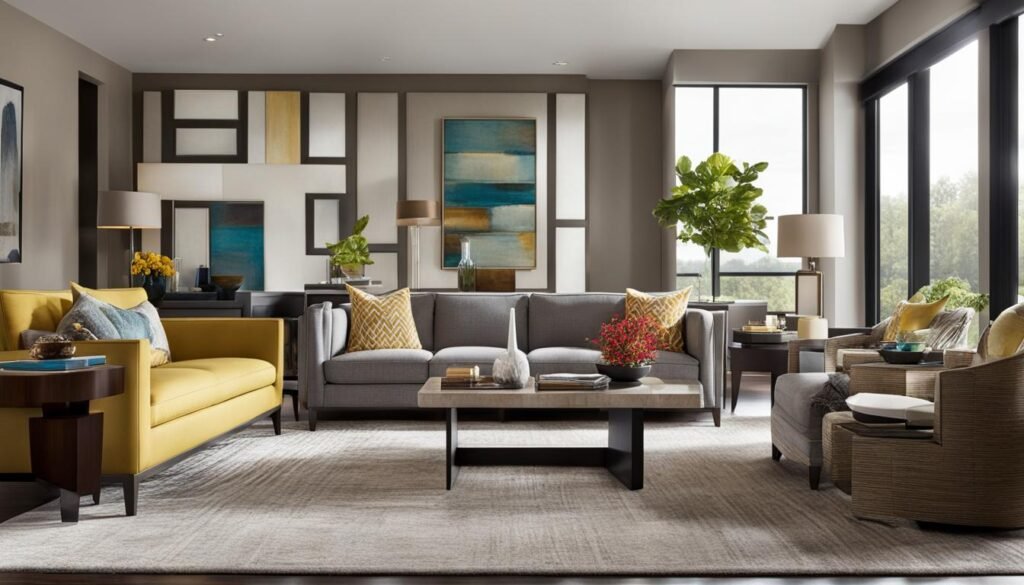
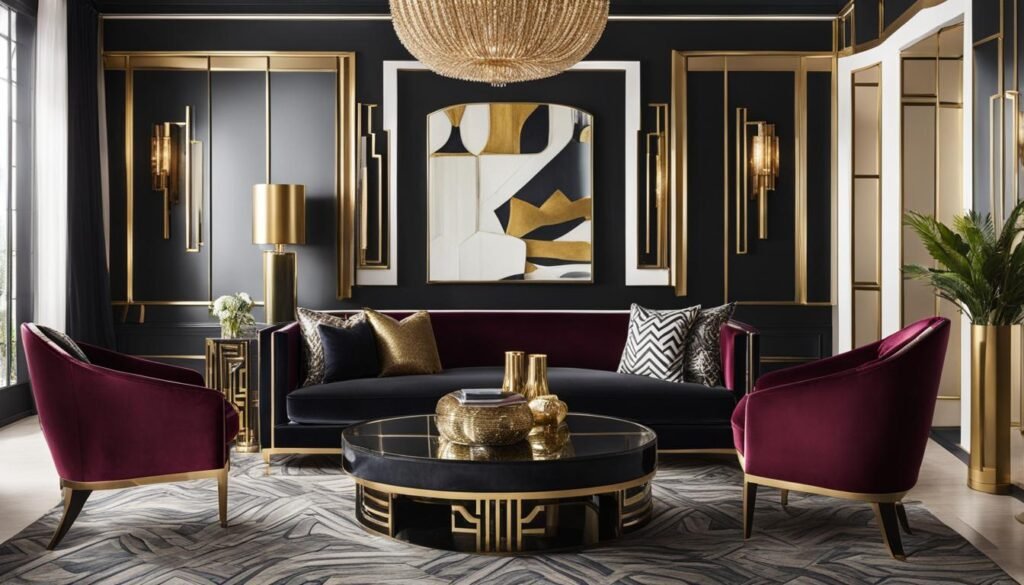
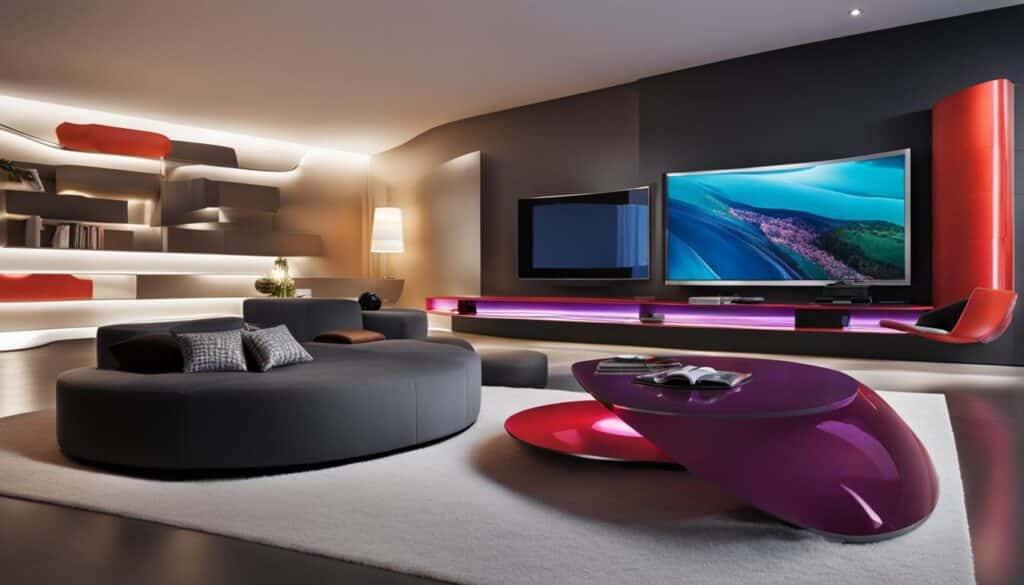
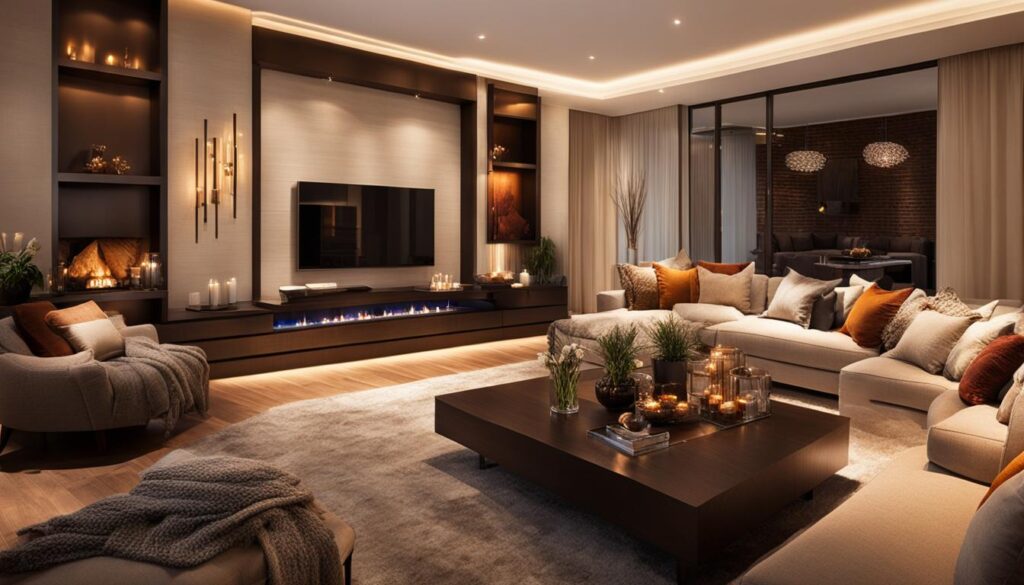
As someone deeply passionate about interior design, I’ve found myself captivated by the concept of transitional style—a term that mystifies as much as it allures. Here, I’ll unravel the enigma of transitional style for those looking freshly to redefine their home interiors. Defining what is transitional style is much like telling a story that begins at the intersection of the past and the present, weaving together elements that are both timeless and contemporary. In essence, the transitional style characteristics emerge from a balance between the classic appeal of traditional designs and the clean sophistication of modern aesthetics.
The harmony within transitional home interiors stems from a curated blend of design elements that create environments of comfort and elegance. Renowned designers have long praised the warmth and layered appearance that transitional decor bestows upon a space. It is precisely this softer, more approachable look that sets it apart from the starkness often associated with modern interiors. The transitional style definition reaches beyond mere visual appeal; it marries the greige tones of a warmer palette with materials like unlacquered brass, enhancing the senses through nubby neutrals which gently distinguish transitional spaces from their über-contemporary counterparts.
Key Takeaways
- Transitional style merges traditional and modern design to create timeless interiors.
- Warm color palettes and tactile materials are hallmarks of the transitional decor.
- Elegant yet approachable, transitional interiors offer a softer alternative to modern design.
- Seamless integration of varied design elements typifies transitional style characteristics.
- This style achieves a perfect equilibrium between comfort, function, and aesthetic finesse.
The Evolution of Transitional Style Decor
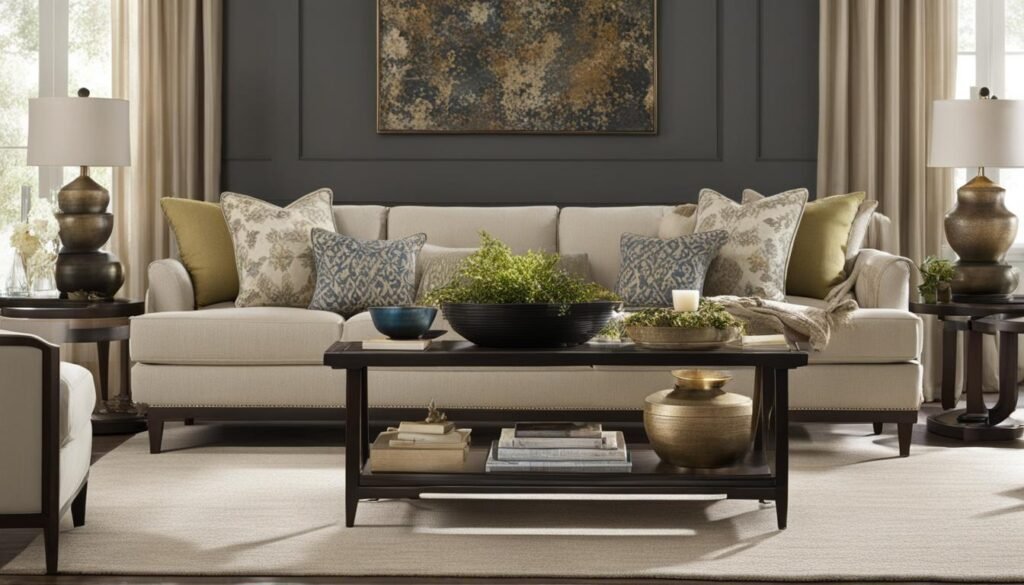
The concept of transitional design history is deeply intertwined with the gradual fusion of traditional decor and the sleek, clean lines associated with midcentury modern. My exploration into the development of this design philosophy reveals a timeline where the past and present seamlessly intertwine, giving birth to what we now recognize as transitional style home decor.
The Historical Melding of Traditional and Modern Design
Delving into the roots of transitional decor, I observe the layers of history present in designs dating from the 1700s and 1800s. These pieces feature intricate craftsmanship and a richness derived from European aesthetics, with opulent chandeliers and ornately patterned rugs symbolizing the pinnacle of luxury and comfort.
Moving from Ornamentation to a Pared-Back Aesthetic
As time progressed towards the mid-20th century, a distinct shift emerged—minimalism became a response to the previously ubiquitous ornate stylings. This movement laid the groundwork for what we identify today as midcentury modern design. With its emphasis on simplicity and function, the minimalist trend stripped away excess to highlight the beauty of unadorned form.
At the crux of this transformation lies the transitional style: a harmonious blend that honors the complexity of traditional design while embracing modern simplicity. Through this blend, transitional style achieves a balance, creating spaces that are both comforting in their familiarity and invigorating in their freshness.
Key Elements That Define Transitional Decor
When I consider what defines transitional interior design style, it strikes me how the articulation of color and texture plays a pivotal role. Neutrals are the groundwork of transitional color palettes, providing a canvas that highlights the understated sophistication of the style. Adding layers with subtle textures and strategic pops of color enables a depth that is both inviting and serene, as observed by Feldman’s characterization of transitional spaces as monolithic. The symphony between beige, cream, and gray tones in transitional design creates an air of effortless elegance.
The Role of Color and Texture in Transitional Spaces
Neutral tones form the base of any transitional color palette, embracing a spectrum that ranges from pristine whites to rich grays. The magic lies in the interplay of these shades with varied textures, from the softness of suede to the rustic charm of wood grains, embodying the very essence of a transitional aesthetic. Textures add the necessary dimension and warmth, elevating a space from flat to dynamic without overwhelming the senses.
Blending Furniture Styles for Functionality and Comfort
The transitional furniture meaning resonates with practicality wrapped in luxury. As I explore the nuances of transitional decor, I am drawn to the way furniture pieces combine clean lines with plush comfort. This blend, striking a balance between form and function, emphasizes a design that serves daily life without compromising on style. The intermixing of contemporary silhouettes with timeless forms results in a unique statement that is both current and enduring.
Metallic Accents and Statement Lighting
Metallic finishes provide not just a hint of glamour but also play a crucial role in the functionality of transitional decor. Brushed nickel, matte gold, and polished chrome are just a few examples of metallics that can accentuate the neutral tones while also serving a practical purpose. Statement lighting, often with metallic elements, becomes the jewelry of any room, exuding a bold yet refined statement. The proper selection and placement of these elements are fundamental in achieving the understated luxury that is emblematic of the transitional design style definition.
Transitional Design: Achieving Balance and Harmony
In my journey as a decorator, I’ve come to understand the transitional interior design definition as the art of melding opposites to form a cohesive whole. It takes a refined eye to master the equilibrium that transitional style interior design demands, where every element is chosen to contribute to the narrative of balance and grace. As I draft spaces for my clients, my goal is to achieve that harmonious blend that makes transitional style decor stand out in the realm of interior aesthetics.
Mixing Masculine and Feminine Elements
One of the key aspects in achieving transitional style is the juxtaposition of masculine and feminine elements. It’s essential to integrate the yin and yang within a room, allowing each to shine without overpowering the other. I tend to select strong, substantial furniture pieces that speak to a masculine aesthetic, and I soften these selections with the delicate touch of feminine accessories such as silk cushions, plush throws, or elegant vases.
Creating Cohesion with Neutral Color Schemes
Another critical strategy I use is anchoring the space in a neutral color scheme. Victoria Hagan and Thomas Pheasant are prime examples of designers who expertly apply a palette of soft grays, creams, and tans to their transitional style decor. These shades act as a unifying backdrop, allowing diverse design elements to flow together seamlessly. I personally favor the subtle complexity that a monochromatic palette can provide, often layering various textures to add depth and interest to an otherwise understated color scheme.
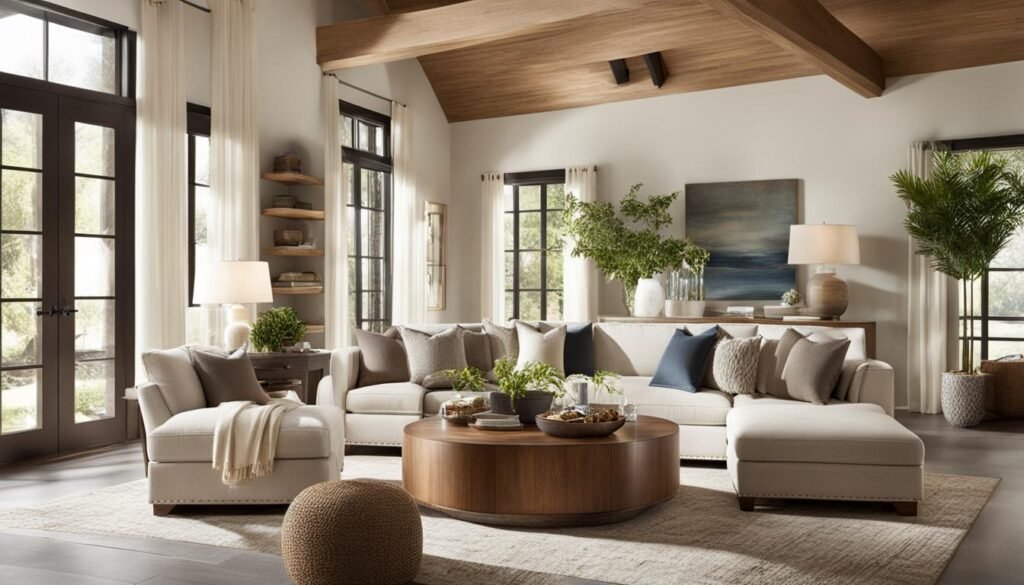
Ultimately, the heart of transitional design lies in the skill of marrying contrasts to create interiors that exude a sense of calm and order. It’s about crafting an ambiance that is equally inviting and refined, a sanctuary that one can return to and find new details to admire each day. Whether through the strategic placement of a contemporary art piece amidst classical architecture or the blend of sleek metal finishes with warm wood tones, transitional design is an exercise in aesthetic diplomacy, balancing the best of history with the innovations of the modern age.
Transitional vs. Traditional: Understanding the Differences
As I delve into the fine distinctions between transitional and traditional design styles, it’s fascinating to note how each manifests its own aesthetic principles and philosophies of living space utility. The comparison yields insights into not just aesthetics but also the functionality tailored to contemporary lifestyles.
Contrasting the Visual Dynamics and Use of Space
Traditional design is often synonymous with richness and detail, adorned with elaborate wood carvings, sumptuous textiles, and a warm, deep color scheme. In such settings, rooms are arranged to highlight heirlooms and handcrafted artistry, making every corner a testament to historical beauty. Nevertheless, in the transitional style vs traditional style debate, transitional decor respectfully departs from this approach, favoring an open concept where space breathes freely and less is decidedly more. It’s a style that speaks to uncluttered surfaces, streamlined forms, and a neutral color palette, all while maintaining a nod to classic lines.
The Shift Towards Practical and Adaptable Living Environments
In today’s homes, adaptability is a cornerstone. As ushered in by the transitional decor definition, spaces serve multiple functions—they evolve with a family, from playing to dining to relaxing, all within the same area. The essence of transitional and traditional design differences is particularly pronounced in this commitment to versatile, adaptable living environments. Families need rooms that can host a casual gathering one evening and transform into a quiet, studious area the next. It’s this fusion of sophistication and practical daily living that sets transitional style apart—a harmonious solution for the modern home.
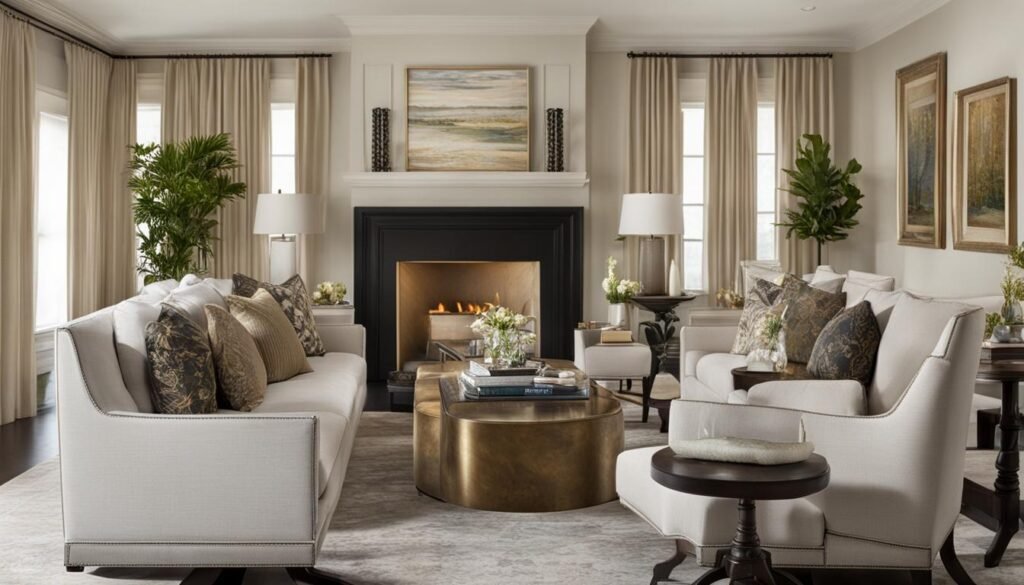
- Avoiding highly ornamented and intricate detail work in favor of clean lines and subtle elegance.
- Championing neutral color schemes that serve as a backdrop for varied textures and occasional bursts of color to create interest.
- Integrating multi-functional furniture and features that support dynamic usage and adapt easy to changing trends.
What Is Transitional Style: Exploring Its Essence
When I contemplate what is transitional style, I envision the perfect intermediate between the charm of classic design and the clarity of modern aesthetics. We often find ourselves asking, “what does transitional mean in design?” It signifies the fluidity of décor that resonates with both a historical nod and a forward-looking perspective, and its inherent adaptability is what makes it so compelling. The transitional design definition encompasses the agility to mesh the timeless beauty of antiques with the crisp lines of contemporary furniture.
Transitional style characteristics are unmistakable—providing room for personal expression and a seamless blend that adopts a go-with-the-flow approach. Affirming the definition provided by experts like Laura U Design Collective, it’s not tethered to any epoch or style; instead, it delivers a harmonious space that stands effortlessly stylish and yet immensely livable.
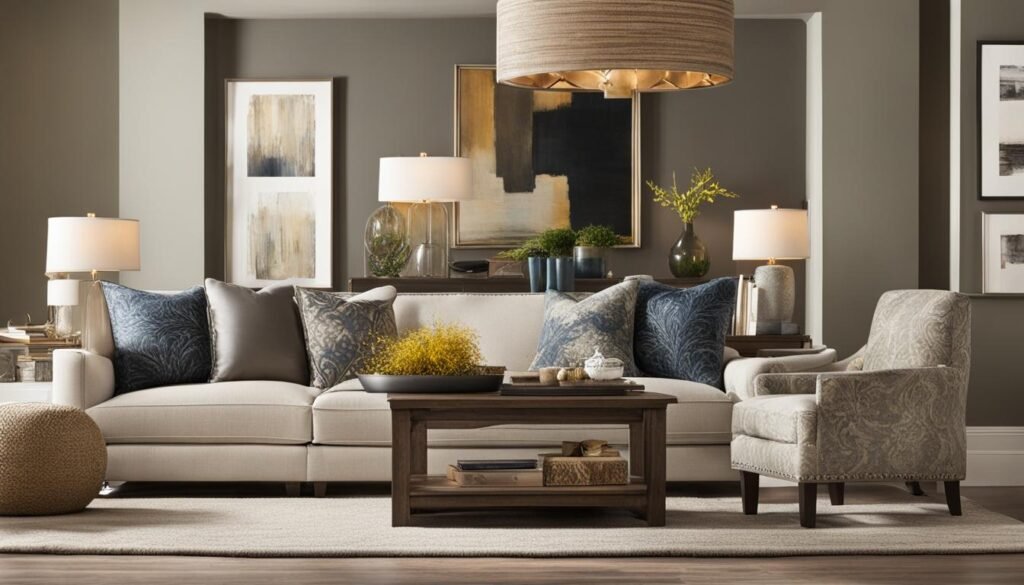
- Neutral color scheme serving as the backdrop for a rich array of textures.
- Thoughtful infusion of modern elements within classic forms.
- Subdued patterns combined with bold, clean lines to create a sense of balance.
- Highly versatile furnishings that adapt through the ebb and flow of design trends.
Ultimately, transitional style is about striking that perfect chord where function meets sophistication, redefining spaces that feel new yet familiar, and bespoke yet universal. It’s about creating a home that reflects both where we’ve been and where we’re going—one serene and elegant brushstroke at a time.
Incorporating Transitional Style in Your Home
When I look to infuse my home with the warmth and sophistication of transitional style, my focus gravitates towards creating spaces that exude both comfort and class. Starting with the communal heart of the house, the kitchen and living room, I embrace open layouts accented with streamlined cabinetry. My palette of choice rests in the realm of neutral tones, building an uncluttered yet inviting atmosphere that is unmistakably transitional.
Transitional Design Ideas for Kitchens and Living Rooms
For my kitchen, I look for ways to incorporate modern finishes that elevate the surroundings without overwhelming the senses. This is where the fusion of transitional design ideas comes into play—think sleek pendant lighting suspended above a central island, not just as luminaries, but as statement pieces that command attention. In the living room, the furniture becomes the linchpin of transitional style; I select oversized sofas paired with chic accent chairs, establishing cozy conversation areas that invite interaction and can be adorned with a selection of curated accents.
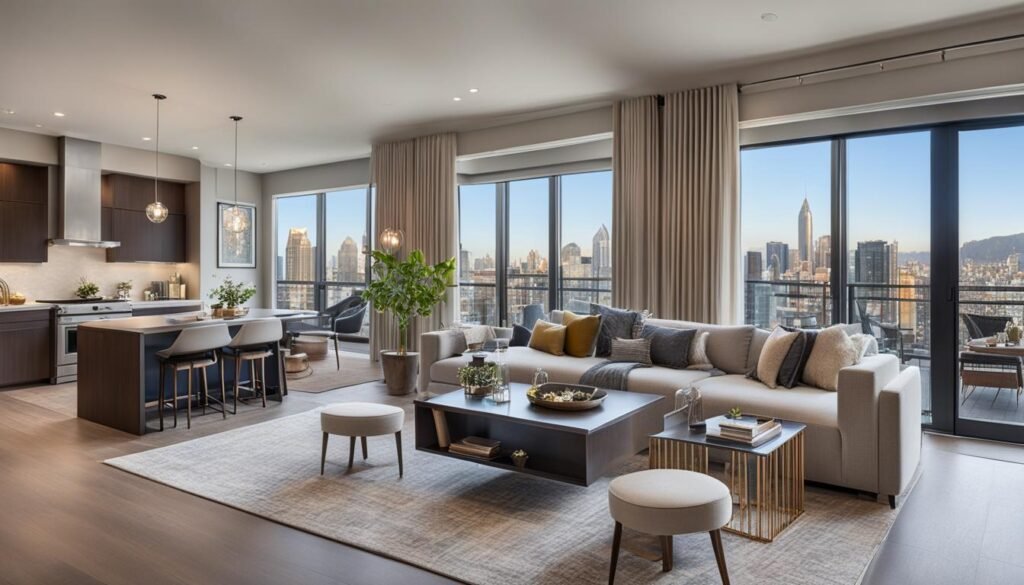
These gathering places become exemplars of transitional style examples, balancing the contemporary with the traditional. It’s a delicate dance between the lines of comfort and the rhythms of refined living—one that is best performed with thoughtfulness and an eye for detail.
Save this article
Enter your email and we'll send it straight to your inbox.
Textiles and Materials: Choosing Wisely for Impact
When it comes to textiles, I’m drawn to the tactile allure of suede, chenille, and leather, weaving them into the fabric of my design to offer understated luxury. Each material is picked for its ability to provide texture and depth, all while contributing to the narrative of a graceful, airy home. This careful selection is one of the many transitional style tips I stand by: always opt for materials that speak to an enduring aesthetic, yet provide tactile interest without tipping into excess.
Understanding how to achieve transitional style isn’t just restricted to the visual; it involves cultivating a sense of harmony where each element complements the other. It’s about striking a balance where every texture and form finds its counterpart, and every piece contributes to a story that’s perennially poised between yesterday’s charm and tomorrow’s vision. And thus, my home becomes a place not just of residence, but a manifestation of transitional style’s timeless appeal.
Understanding Transitional Style Interior Design
As someone deeply immersed in the world of interior design, I’ve come to cherish the elegance and comfort that transitional interior design brings to any space. The definition of transitional interior design revolves around the fusion of traditional charm with the clean lines of contemporary aesthetics. This approach to design not only caters to a wide array of tastes but also stands the test of time with its adaptive nature.
The Subtlety of Sophistication in Interiors
In my experience, the key to achieving sophistication in transitional style interior design lies in its understatement. Incorporating a refined color palette that relies on muted, neutral tones, I create a backdrop that allows for varied textural play and subtle contrasts. The beauty of transitional style home decor is in these nuances, from the soft feel of a chenille throw to the glossy surface of a lacquered side table.
Transitional Designers Who Master the Style
When examining the work of renowned transitional designers, I can’t help but admire their artful balance of form, texture, and palette. Names like Victoria Hagan and Thomas Pheasant echo through the corridors of the industry as epitomes of transitional interior mastery. Their deft interpretation of transitional style incorporates traditional sofas that beckon you to relax into their plush embrace, while accent chairs punctuate the space with modern flair. These adept designers showcase not only their ability to curate spaces that exude tranquil luxury but also to reflect the practical needs of daily living within their compositions.
- Victoria Hagan’s approach to a serene color scheme coupled with plush textiles
- Thomas Pheasant’s iconic blend of contemporary and classic silhouettes
- A focus on balanced, inviting seating arrangements enhanced by custom upholstery
As I explore the principles of transitional design further, the real adeptness of a transitional designer manifests in the ability to foster a sense of timelessness. The spaces I craft, inspired by these titans of design, engage with the principles of transitional style to ensure the balance between ornamental tradition and contemporary minimalism. This, to me, is the heart of transitional style—it’s where timeless elegance meets modern practicality, creating a home that’s as beautiful as it is livable.
Transitional Furnishings: Combining Antiques with Modernity
As I delve into the realm of interior design, I find myself increasingly drawn to the concept of transitional furnishings, a style that beautifully bridges the gap between heritage and progression. The essence of transitional style furniture is rooted in its ability to harmonize the timeless elegance of classic pieces with the sleek comfort of contemporary design. My passion for this hybrid aesthetic comes from its power to create spaces that celebrate historical character while aligning with today’s lifestyle.
When I consider the art of combining antiques with modern design, I envision a carefully curated interior where each piece tells a story, yet contributes to a cohesive narrative. It’s about selective integration, where an ornate, antique mahogany bureau can be juxtaposed against the minimalist backdrop of a modernist living space. In these environments, transitional furniture is not simply a static element but a dynamic focal point, marrying the intricate craftsmanship of the past with the streamlined ethos of the present.
- The juxtaposition of a richly carved vintage mirror against a stark modern wall.
- Upholstering a classic wingback chair in a vibrant, contemporary fabric.
- Pairing a rustic, reclaimed wood table with polished chrome chairs.
Understanding the transitional furniture meaning also involves recognizing the importance of material and finish. I often opt for wooden pieces that bear the patina of age, then introduce modern textiles and accents to inject fresh life and relevance. This thoughtful convergence of two eras not only enhances the aesthetic appeal but also imbues a space with a sense of balance and continuity.
Creating Conversation Zones with Transitional Decor
As I delve into the art of transitional decor, I’ve come to realize that it’s about much more than aesthetics. It involves crafting spaces that not only look good but also serve as conducive environments for interaction, epitomizing the transitional design style definition. My focus on creating conversation zones stems from a desire to see homes become places where comfort meets functionality, fostering warmth and connection among those who inhabit them.
The challenge lies in arranging large, cushy sofas and spacious accent chairs in a way that invites people to engage with each other. It’s a careful balancing act of ensuring ease of movement within the room while also encouraging intimate gatherings — something that becomes the cornerstone of any well-thought-out transitional space. These zones become a testament to the versatility of transitional styling, as they accommodate diverse groups of people, from the quiet book reader to the animated storyteller, making every corner of the room inclusive and appealing.
In implementing these transitional style tips, I pay special attention to the subtleties that might affect interpersonal dynamics, such as the placement of furniture and the types of textiles used, which underscore the importance of both visual appeal and tactile experience. The result is a space that not only reflects elegance and grace but also resonates with the daily rhythms of social living. By prioritizing seating arrangements and comfort in my approach, I ensure that each transitional zone I create isn’t just visually inviting but also enriches the lives of those who gather there.
FAQ
What is transitional style in interior design?
Transitional style in interior design is a harmonious blend of traditional and modern design elements. It creates a timeless, elegant, and comfortable atmosphere with a neutral color palette, a mix of straight and curved furniture lines, and an interplay of textural elements such as leather, suede, and chenille.
What are the defining characteristics of transitional home interiors?
Transitional home interiors are characterized by their use of a warm and neutral color palette, a combination of traditional and contemporary furniture, the presence of metallic accents and statement lighting, and an overall sophisticated yet practical approach to design.
How does transitional decor history influence its current style?
Transitional decor history starts with traditional designs dating back to the 17th and 18th centuries and transitions through the midcentury modern movement, which embraced minimalism. This evolution melds classical design’s depth with modern aesthetics’ simplicity, leading to the transitional style’s balanced look.
What role do color and texture play in transitional spaces?
Color and texture are integral to transitional spaces, where a neutral color scheme is foundational, and textures add subtle complexity. Textures are often incorporated through fabrics, finishes, and accent pieces, contributing to the style’s understated elegance.
How is furniture blended in transitional interior design for functionality and comfort?
Transitional interior design blends furniture by selecting pieces that offer both comfort and aesthetic appeal. This involves combining sleek, modern pieces with more traditional items that provide practical utility, comfort, and a timeless look. The result is a balanced interior that is both functional and inviting.
In what ways do transitional interiors achieve balance and harmony?
Transitional interiors achieve balance and harmony by expertly mixing masculine and feminine design elements, utilizing neutral color palettes, and focusing on clean lines and minimal ornamentation. They create cohesive and serene environments that are welcoming and adaptable.
How do transitional and traditional styles differ in home decor?
Transitional style differs from traditional home decor by offering a more pared-back aesthetic with fewer ornate details, a lighter color palette, and a focus on functionality and adaptability, compared to traditional style’s richer colors, detailed textures, and decorative elements.
What does transitional mean in the context of design?
In the context of design, transitional refers to the blending of traditional elegance with contemporary clarity and practicality. It signifies design that moves with the times, adapting to new trends while maintaining timeless elements.
Can you provide transitional style examples for kitchens and living rooms?
In kitchens, transitional style can be seen in streamlined cabinetry, neutral color palettes, and modern finishes, while in living rooms, look for oversized sofas with sleek accent chairs, plush rugs, and layered lighting to create a comfortable yet chic space.
How should one select textiles and materials to achieve a transitional style?
To achieve a transitional style, one should select textiles and materials that offer texture and visual interest without overpowering the decor. This involves choosing fabrics like suede, chenille, and leather, and incorporating materials such as wood, glass, and metal to create a sophisticated and balanced look.
Who are some transitional designers known for mastering the style?
Renowned transitional designers include Victoria Hagan and Thomas Pheasant, known for creating interiors that are tranquil yet vibrant, utilizing refined palettes, and arranging furniture to encourage comfort and luxury.
How do transitional furnishings combine antiques with modern design?
Transitional furnishings combine antiques with modern design by updating classic pieces with contemporary materials and finishes. This may involve pairing a traditional wooden table with modern chairs, or accessorizing antique-inspired sofas with graphic throw pillows to blend the old and new.
Why is creating conversation zones important in transitional decor, and how is it done?
Creating conversation zones is vital in transitional decor for fostering intimate and interactive social settings. It is achieved by arranging comfortable seating in a way that encourages guests to face each other, often anchored by elements like area rugs and centered around a focal point such as a fireplace or coffee table.
Save this article
We'll email you the link so you can find it again later.