

As an enthusiast of the myriad possibilities within the realm of interior design, I’ve always been intrigued by the subtle yet significant role texture plays in enhancing a space. Taking cues from industry mavens, I’ve come to appreciate how incorporating texture in interior design serves as the foundation for transforming the mundane into the extraordinary. Whether through the complementary interplay of tactile surfaces or the sophisticated layering of visual depth, texture is a versatile contributor to crafting an inviting atmosphere.
It’s the tangible quality of a linen drapery, the warmth emanating from a hardwood floor, or the unexpected roughness of a stone accent wall that can elevate a room from simply stylish to richly sensorial. By incorporating texture, designers like myself can orchestrate an environment that isn’t just seen but is felt, creating a compelling interior narrative that reverberates with those who inhabit it.
Key Takeaways
- Texture in interior design is essential for adding dimension and warmth to a space.
- Incorporating texture can transform the atmosphere, making it more engaging and inviting.
- Varying tactile and visual textures is key to creating a multi-sensory experience.
- Texture affects both the aesthetic and emotional resonance of an interior.
- A balanced mix of textures can enhance a room’s functionality and design appeal.
Understanding the Impact of Texture in Interior Design
As I delve deeper into the realm of interior design, I can’t help but acknowledge the profound effect of texture on both aesthetics and emotion within a texture room. It’s an aspect that often goes unnoticed yet holds the power to transform a purely functional space into one that’s filled with character and warmth. Whether I’m working with the rough texture in interior design to foster an ambiance of rustic charm or implementing smooth textures for a sleek, minimalist approach, the deliberate choice of surfaces is undeniably pivotal to crafting a space with impact.
The Sensory Power of Tactile Surfaces
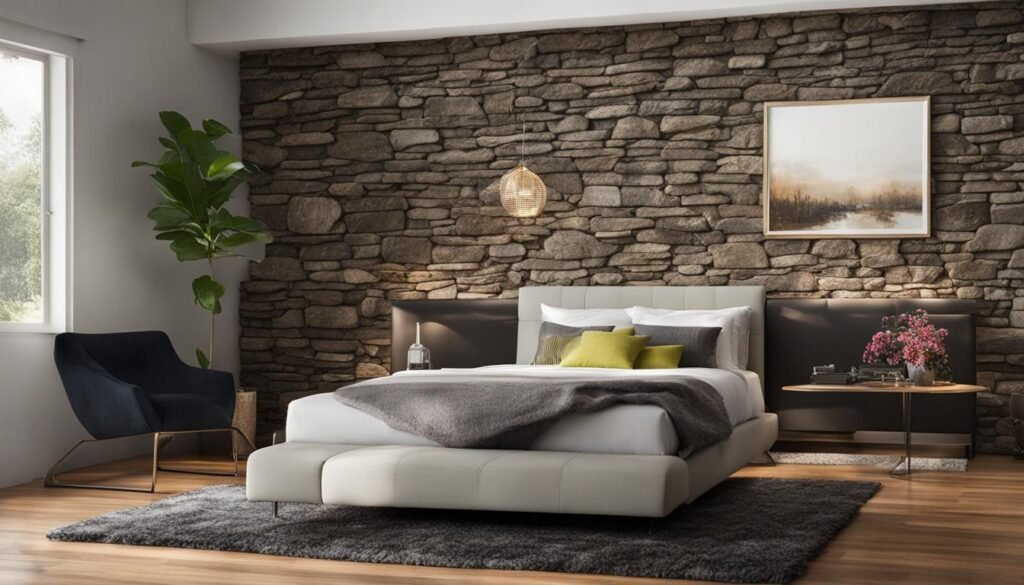
My approach to incorporating tactile textures is akin to extending a personal invitation to engage with the space. Thom Filicia champions this perspective, asserting that the selection of these tangible elements is crucial to create a multi-sensory experience. When I select a luxurious velvet couch or a hand-scraped hardwood floor, I am not just choosing a visual component for the room—I am encouraging interaction, inspiring visitors to touch and feel, thereby adding comfort and a sense of familiarity to the interior.
Emotional Connectivity Through Textured Elements
In my design narrative, I continually strive for emotional connectivity, carefully juxtaposing elements like smooth, reflective metals with the rustic patina of reclaimed wood. This strategy not only creates an inviting visual texture in interior design but also evokes the desired emotional response—be it a feeling of tranquility in a bedroom or dynamic energy in a living area. By weaving in both tactile and visual textures, the room’s function aligns seamlessly with its aesthetic, ultimately defining its character and the experience it aims to provide.
Texture as a Tool for Visual and Tactile Experiences
As I delve into the current texture trends in interior design, it’s fascinating to witness how the deliberate use of texture adds an elaborate layer of visual interest and tactile sensation that is practically transformative. Whether incorporating texture in home decor through crisp linen draperies or the warm embrace of an aged leather armchair, these elements bestow a distinct personality upon each space.
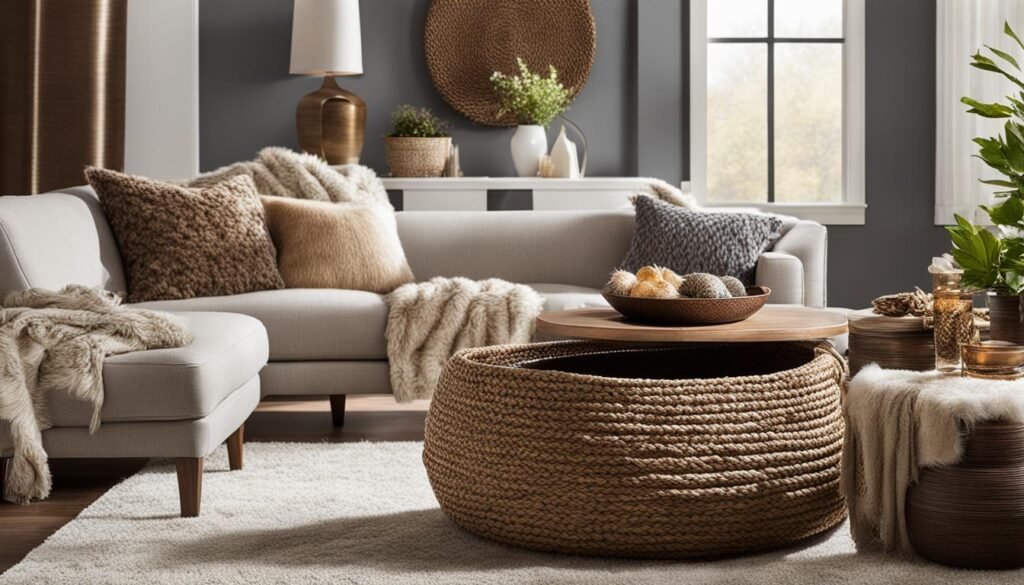
I find that using texture for visual interest is not just about aesthetics; it’s an experience that appeals to our innate desire to touch and feel. Take, for instance, the dimensional charm of a knotted wool rug underfoot or the rough-hewn allure of a distressed wood side table—each brings a richness that can only be achieved through such palpable details.
- Plush throws invite a sense of comfort and luxury.
- Grainy stone textures embody the essence of nature indoors.
- Woven baskets introduce artisan craftsmanship into our living spaces.
The elegance of texture in interior design lies in its power to blend a multitude of layers, encouraging our eyes and hands to explore. This multi-sensory approach is not simply about filling a room but rather about curating a cultivated story that speaks without words. As I integrate various textures into designs, the aim is always to strike a harmony between complement and contrast, creating environments that feel as good as they look, full of life and movement.
- Balance a silky, smooth vase against the rusticity of a reclaimed wood tabletop.
- Place a velvety pillow atop a nubby, woven couch.
- Contrast glossy, lacquered shelves with matte, earthen pottery.
This is the art and allure of textures—each element playing its part in the symphony of a room’s design. The right mixture of textures can elevate a space beyond mere function and into a world where each detail is a touchpoint to an enriched living experience.
Integrating Texture for Enhanced Room Aesthetics
To me, adding dimension with texture is fundamental in bringing life to a room. The tactile allure of a chunky knit throw or the rough appeal of a natural stone wall infuses interiors with depth that begs to be explored. This approach wisely integrates different texture design ideas to captivate the senses and elevate the aesthetic sophistication of living spaces. As a professional deeply immersed in adding texture to interiors, my goal is to create an ensemble that sings in perfect harmony.
Blending Textures to Add Depth and Interest
Experiencing a room should be akin to a journey of discovery. To achieve this, I layer various textures, weaving together a tapestry of sensations. A well-placed faux fur rug might rest against the smooth, cool touch of a polished concrete floor—instantly enriching the narrative of the space. This mix, not only adds visual depth but entices a moment of pause and interaction. It’s not just about appearance; it’s how these elements can draw people into the space, asking them to engage with their surroundings.
The Balancing Act: Contrast vs. Harmony
Mastering the delicate equilibrium between contrast and harmony is a dance that I refine in every project I undertake. It’s about juxtaposing the ruggedness of a raw wood console against a wall of silky, reflective glass tiles. The result is a dynamic interplay of textures that unifies a room while also defining its parts. Each tactile variation is an invitation to the eyes and hands—truly, a dialogue of surfaces that resonate with human experience.
- An integration of soft linens with rugged leather creates a dialogue between comfort and resilience
- Combining rough, sanded wood with high-gloss metals for an industrial yet polished ambiance
- Use of woven textures against smooth ceramics to bring an organic warmth to modern design lines
Mixing Textures in Interior Design for Dynamic Spaces
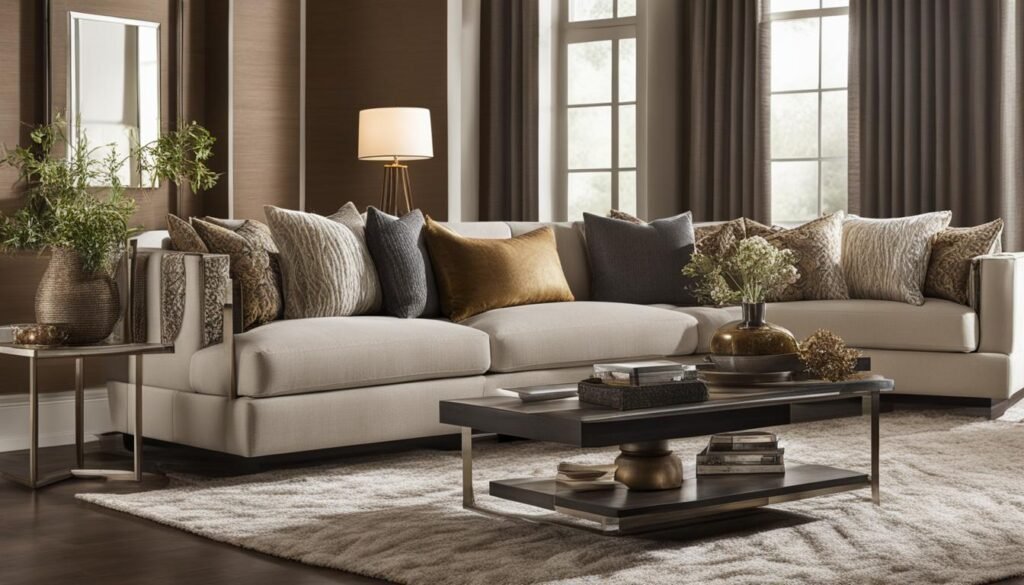
As an avid designer with an eye for fluidity and form, I find that design with texture is not just about aesthetics—it’s about creating a multidimensional experience. When I begin decorating with texture, my objective is to weave together a tapestry of sensations that transforms a mere room into a dynamic space. The key? Harmonious contrasts and unexpected pairings.
Mixing textures in interior design is akin to a chef experimenting with flavors—complementary yet diverse. Soft chenille throw pillows might adorn a leather couch, offering an invitation to comfort amidst sophistication. A polished concrete floor may serve as a stage for a shaggy rug, each texture enhancing the other’s presence. Different textures invite the eye and hand to explore, and in doing so, they bring a space to life.
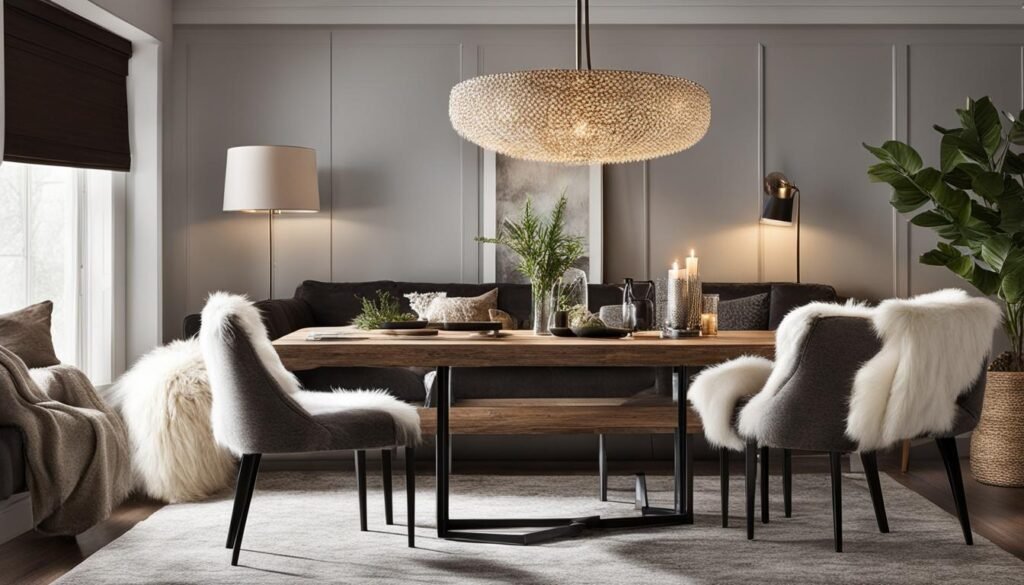
- Fusion of fabrics, like pairing satin drapes with a tweed sofa
- Blend of finishes, from matte paint to high-gloss lacquer
- Contrast of materials, using elements such as glass and reclaimed wood together
This alchemy of textures not only adds interest but also evokes feelings—from the luxuriousness of a velvety armchair to the grounded stability a slate tile floor provides. My role as a designer empowers me to orchestrate these elements, thoughtfully layering and mixing textures to achieve a harmonious balance. It’s through this textured landscape that I aim to enhance the functionality and sensory appeal of each client’s unique space. Remember, the interplay of textures is not just seen; it’s felt and experienced.
The Transformative Role of Textured Accents in Home Design
Texture is the secret ingredient that can revolutionize the aesthetic of any home. In my experiences with interior design, I’ve noticed that incorporating textured elements in interior design not only adds visual interest but also enhances the room’s sensory appeal. The right choice of textile or material can work wonders in manifesting the desired ambiance—whether it’s cozy, elegant, or avant-garde. Let me guide you on how to strategically integrate texture in home decor to make your space truly stand out.
Infusing Energy with Textured Fabrics
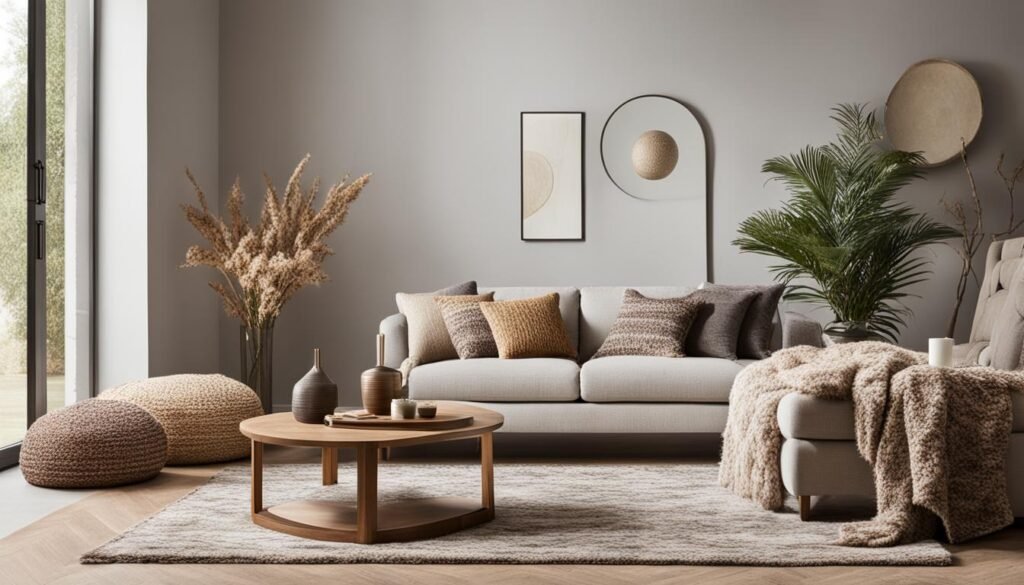
When I think about energizing a room, my mind often wanders to the plush comfort of velvet or the natural charm of linen. Imagine settling into a velvet sofa that crowns the living room with its regal texture, or the way linen curtains can add a breezy, organic feel to a sunlit space. These textured fabrics are more than just materials; they are expressions that invite you into the room’s story, making every moment spent within its quarters more vibrant and full of life. The key to mastering home and texture is to pair these tactile sensations with complementary patterns and hues that reflect the room’s overall theme.
Adding Elegance Through Subtle Textured Touches
Now, let’s shift to a more subdued palette. The understated elegance of finely crafted woodwork or delicate lace is akin to the soft whisper of sophistication. I often recommend adding these textured accents strategically as they can enhance the decor without overwhelming the senses. A carved wooden picture frame here, a touch of embroidery on a throw pillow there, and voilà, you’ve built layers of texture that speak of understated class. It’s these small, subtle touches that contribute to a distinctly refined atmosphere, making your home not just visually appealing but also memorably unique.
Whether you’re looking to infuse a burst of energy or to create an enclave of elegance, the textures you choose can transform the narrative of your living space. Enrich your home with layers of texture, and watch as the simple act of draping a blanket or placing a rug redefines the feel of your sanctuary.
Crafting Atmospheres with the Right Texture Selection
In my pursuit of creating texture in interior spaces, I’ve found that the materials I select set the stage for different moods and atmospheres within a room. Beyond aesthetics, these choices resonate with the occupants on a deeper psychological level. Today, let’s delve into how natural and synthetic textures impact the feel of our living environments and their psychological implications.
Evoking Moods with Natural vs. Synthetic Textures
There’s an undeniable charm to natural textures. The raw beauty of wood, the roughness of stone, and the softness of fiber contribute to a space that feels more earthy and rustic. These elements bring us closer to nature, something I particularly appreciate for the calm and tranquility they impart. On the other hand, when I work with synthetic materials, the environment transforms into a contemporary haven that encapsulates modern living—synthetics often lend a sleek, minimalist appeal that can make spaces feel more expansive and clean.
The Psychology of Textures in Living Spaces
The textures I introduce into a home do more than just please the eye—they influence our mental and emotional well-being. The soft plush of a shag rug or the smooth drape of satin curtains can evoke a sense of comfort and luxury that is deeply satisfying. It’s about finding the right balance of texture accents in home design—one that not only suits the clients’ aesthetic preferences but also nourishes their souls. Whether aiming for a nurturing cocoon or a stimulating backdrop for creativity, textures are a powerful tool at my disposal.
- Textured throw pillows for a pop of comfort
- Natural wood accents that ground the space
- Lustrous metals for a dash of sophistication
- Layering different fabrics to add complexity and warmth
With each project, my mission is to harness these elements to create spaces that not only look beautiful but also feel alive—imbued with the very essence of home.
Save this article
Enter your email and we'll send it straight to your inbox.
The Artistry of Texture in Modern Interiors
As I explore the world of texture in modern interiors, I am constantly drawn to the ways in which contemporary designers are incorporating texture in interior design. Modern sensibilities harness the transformative power of texture to elevate the visual intrigue and sensory engagement of a space.
Consider the strategic placement of hand-carved wooden panels that act as a statement piece in a minimalist room. These textured creations are a nod to craftsmanship, seamlessly blending the old with the new, hence bolstering the room’s narrative with layers of history and modernity.
- Bold sculptural metal works inviting a play of light and shadow
- Rich, textured fabrics juxtaposed against sleek contemporary furniture
- Decorative wall treatments that provide both acoustic and aesthetic benefits
My approach to texture in modern interiors is thoughtful and intentional, recognizing that these elements are no longer just accessories but integral to a space’s character. A plush velvet sofa, a smooth marble countertop, and the rustic charm of distressed leather chairs – each holds the potential to contribute to a cohesive, engaging environment.
Indeed, the magic of texture lies not only in its visual appeal but in its capacity to infuse spaces with depth and a lively spirit. It is the whispered dialogue between materiality and craftsmanship, bringing warmth to the fore in even the most avant-garde settings.
The Relationship Between Texture, Light, and Color
In my journey as a designer, I’ve become attuned to the dance between texture, light, and color, discovering how they work in concert to breathe life into interiors. Crafting spaces that captivate and stimulate involves more than a mere selection of hues; it requires a nuanced understanding of how textured surfaces can intensify the effects of lighting and influence color dynamics within a space. By considering the interplay of these elements, I can enhance not only the visual interest but also the emotional resonance of the rooms I design.
Enhancing Color Schemes with Textured Surfaces
The magic unfolds when I use texture to add dimension to color schemes. It’s like watching a painter add depth to a canvas, where the stroke of a brush brings a new dimension to the color beneath. In interiors, a velvet throw may deepen the richness of an indigo sofa, or a sisal rug can accentuate the earthy tones of a hardwood floor. It’s a visual symphony where each element contributes a note that echoes through the aesthetic composition of the room.
Manipulating Light Reflection with Texture
Light and shadow play pivotal roles in my design narrative, as the right texture can manipulate these elements to transform the ambiance of a room. Strategic placement of a high-gloss surface can reflect light to brighten a dim corner, while a deeper, more nuanced texture can soften the glare of natural sunlight, creating a cozy, diffused setting. It’s this purposeful orchestration of light interaction with texture that enables me to craft interiors that evoke not only visual but emotional responses.
Texture in Interior Design: Innovative Ideas and Trends
As a connoisseur of interior design, I’ve observed the importance of texture in interior design and how it can effectively breathe new life into any space. Presently, innovative ideas coupled with emerging texture trends in interior design are redefining our living environments. We’re seeing a cultural tapestry woven into modern design as we merge timeless techniques with cutting-edge concepts to create interiors that speak of both tradition and trend.
Marrying Tradition with Trendy Textured Innovations
In my professional journey, I’ve watched the clever fusion of classic and contemporary textures generate settings that are effortlessly chic and enduring. We’re pairing natural, raw linens with high-tech metallic yarns and juxtaposing hand-woven textiles alongside digital print fabrics. The result? Interiors that transcend time, harmonizing the charm of the past with the sleekness of the future.
Exploring Global Textured Influences in Interior Décor
The pulse of global culture is evident in the rich medley of textures now trending in interior design. We’re drawing inspiration from the far corners of the world, embracing everything from the intricate patterns of African mud cloth to the serene simplicity of Japanese shibori. Such techniques not only add a layer of depth and intrigue to our spaces but also celebrate the stories and heritage they carry.
Every textural element we choose has the potential to transform a room into a curated global narrative, showcasing a respect for international artisanship while fostering a setting that’s both cosmopolitan and unique. The evolution of texture in design is not just about aesthetics but about embracing a tactile world without borders — a philosophy I wholeheartedly support in my interior design endeavors.
Conclusion
The indelible mark of texture in interior design is evident in its ability to infuse spaces with depth, warmth, and vitality. As I have seen in my exploration of diverse interiors, the importance of texture in interior design is paramount, for it stands at the crossroads of form and functionality, aesthetics and comfort. In sculpting the ambience of a room, the kind of textures I select and the manner in which I combine them can speak volumes, setting the stage for a rich sensory experience. Profound tactile sensations beckon the touch, while intricate visual textures captivate the gaze, each interplaying to elevate spaces with texture.
Through the strategic layering of different materials, I have the opportunity to craft spaces that reflect not just a client’s taste but also their essence. Whether opting for the coziness of plush fabrics or the sleek allure of polished metal, the textures I integrate into the environments I design can significantly influence the mood and character of a space. Indeed, with every rough-hewn stone or finely woven tapestry, an emotive story is woven into the fabric of the room, echoing the desires and dreams of those who dwell within.
Ultimately, the journey of bringing together disparate textures is akin to weaving a tapestry—each thread is essential, contributing to the overall narrative of the space. The synthesis of tactile and visual elements results in interiors that are not only visually stunning but also spiritually nurturing. It is through this alchemy of textures that I, as a designer, can create harmonious, engaging, and dynamic realms that resonate with the lives of the inhabitants, underlining the ever-growing importance of texture in interior design in our modern world.
FAQ
What role does texture play in interior design?
Texture in interior design serves to enhance space by adding depth and sensory appeal. It enriches a room both visually and tactilely, adding dimension and complexity that makes the space more inviting and interesting. Incorporating texture can transform a stark room into a warm and dynamic environment.
How do tactile surfaces impact the sensory experience in a room?
Tactile surfaces have the power to directly engage our sense of touch, providing comfort and a welcoming atmosphere. The sensory experience of touching materials like soft fabric or cool stone can evoke emotions and enhance the overall experience of being in a space, affecting how we perceive and interact with it.
Can texture contribute to the emotional feel of a space?
Absolutely. Textured elements can create an emotional connection by evoking feelings such as warmth, luxury, or comfort. Smooth textures might impart a sleek, modern feel, while rougher textures like wood or brick can evoke a rustic charm. This can help to establish the desired mood and atmosphere of a space.
What are some key texture trends in interior design?
Current texture trends in interior design include the mixing of organic materials like wood and stone with metal and glass for a harmonious balance. Layering rugs, blending fabrics with different weaves, and incorporating textural wall treatments like grasscloth wallpaper or sculptural panels are also popular.
How do you balance and blend different textures within a space?
Blending textures requires a balance between contrast and harmony. Pairing contrasting textures such as a smooth, shiny surface with a matte, rough one can add interest, while ensuring elements complement each other prevents the space from feeling disjointed. Careful selection and distribution of textured items will contribute to a cohesive look.
What strategies can I use to create dynamic spaces with texture?
To create dynamic spaces, mix a variety of textures throughout the room. Consider using a combination of soft textiles like throw pillows or curtains, with harder materials such as metal light fixtures or wood furniture. Experimenting with patterns and scales can also add visual interest and movement to a space.
How can textured accents transform a room?
Textured accents can infuse a room with personality and character. They act as focal points that draw attention and can define the space’s overall feel. Whether it’s a chunky knit throw on a sofa or a rattan chair, these touches add layers of interest that make the design more sophisticated and engaging.
How does texture selection create different atmospheres in interiors?
Choosing the right textures can evoke varied atmospheres. Natural textures often make a space feel grounded and cozy, while sleek, synthetic materials can create a minimalist, modern vibe. The type of texture used can influence a room’s ambiance, making it feel more rustic, luxurious, or anything in between.
How do modern interiors incorporate texture?
Modern interiors often incorporate texture through clean lines and simplified forms, pairing traditional materials with contemporary design. This might include the use of polished concrete floors, textured 3D wall panels, or minimalist furniture with tactile fabrics, creating a fresh and current look that remains inviting and comfortable.
How do textures work with light and color in interior design?
Textures can enhance or soften color schemes depending on their application, and they influence how light is absorbed or reflected in a room. Textured surfaces can create highlights and shadows that add depth. By using texture alongside light and color, designers can manipulate a space’s mood and atmosphere.
What innovative ideas and trends are shaping the use of texture in interiors?
Innovative ideas in texture include blending traditional textures with modern design elements, exploring multicultural influences, and integrating technology such as light-emitting fabrics or responsive surfaces. These trends show that texture is a dynamic component of design, continually adapted to reflect contemporary tastes and innovations.
Save this article
We'll email you the link so you can find it again later.


