

Whenever I step into a well-designed room, I can instantly sense the thought and craftsmanship woven into the very fabric of the space. This is the essence of what an interior designer brings to the table—an unparalleled blend of professional qualifications, aesthetic appeal, and functional sensibility that transforms ordinary areas into extraordinary realms of comfort and style. The field of interior design is more than mere home decoration; it is a professional discipline underpinned by a thorough understanding of how spaces can influence emotions and activities, marking an interior designer as not only a creator of beauty but also a strategist of space.
The role of an interior designer involves a dynamic range of design services, going beyond choosing color palettes and furnishings. An interior designer works closely with clients and architects, employing their extensive training to develop environments that are reflective of individual preferences while also adhering to safety and functionality protocols. As I involve myself more deeply in this profession, my appreciation for the intricacies of space planning and the nuanced touch required for fine design continues to grow, affirming the value of quality interior design in everyday living.
Key Takeaways
- Understanding what is an interior designer goes beyond aesthetics to include space functionality and psychological impact.
- Interior design is a professional field requiring a diverse set of skills and qualifications.
- An interior designer’s role is critical in marrying home decoration concepts with practical living solutions.
- Effective design services provided by interior designers can significantly enhance the quality of living spaces.
- Quality interior design integrates both the emotional and utilitarian needs, boosting the aesthetic appeal and value of properties.
The Broad Scope of Interior Designers’ Roles
As an interior designer, my professional canvas stretches far beyond mere aesthetics. I engage deeply with the idea of functional spaces and space planning, ensuring that every stroke of my design is purposeful and enhances the quality of life for those who inhabit it.
Creative Problem Solving and Space Choreography
In my daily practice, I wear the hat of a creative problem solver, crafting spaces that not only look good but also serve the complex needs of daily living. Professionals like Chi-Thien Nguyen and Tony Purvis reflect on interior designers as masterful choreographers who orchestrate the movement and flow within a space. This seamless blend of design principles creates harmonious environments that facilitate interaction, relaxation, and productivity.
The Art of Crafting Functional and Aesthetic Spaces
Whether designing a cozy home or an energizing workplace, the art of interior design lies in striking that delicate balance between functionality and aesthetic appeal. In my work, I employ design principles to translate the needs and wellness of the space’s inhabitants into tangible forms that are both beautiful and practical. It’s the synergy of form and function that turns a mere space into a true sanctuary—one that resonates with those who experience it.
- Understanding the dynamics of family living to create resilient yet warm residential spaces.
- Designing commercial settings that bolster both brand identity and employee engagement.
- Considering the sustainability of materials and the longevity of the design.
Key Responsibilities of an Interior Designer
As an interior designer, I can attest that my profession is much more than creating beautiful spaces. It involves a complex set of responsibilities, where project management skills are put to the test in all aspects of design and execution. Working often with a dynamic range of professionals, from contractors to artisans, understanding who do interior designers work with is essential to orchestrate a project successfully.
Collaborating with Clients and Stakeholders
Collaboration is at the heart of what do interior designers do. I spend significant time engaging with clients, comprehending their vision, and translating it into feasible design plans. These interactions are crucial because they set the foundation for the entire project. Moreover, working alongside other experts, such as architects, contractors, and vendors, ensures that every design element aligns perfectly with the intended outcome.
Throughout this collaborative phase, I am not just an interior designer, but also an active communicator and mediator, ensuring all parties are in harmony throughout the project lifecycle.
Ensuring Health, Safety, and Accessibility
One aspect of my role that cannot be overstated is the responsibility to maintain rigorous health, safety, and accessibility standards. Every design element must meet stringent requirements to not only protect but also enhance the well-being of the space’s occupants. Whether selecting materials that are non-toxic or crafting spaces that are accessible to all, these considerations are integral to my process.
- Interpreting and applying building codes and regulations
- Adapting design solutions for universal accessibility
- Evaluating ergonomic factors to promote user comfort and health
By emphasizing these health and safety obligations, I not only safeguard the client’s interests but also contribute to the betterment of built environments.
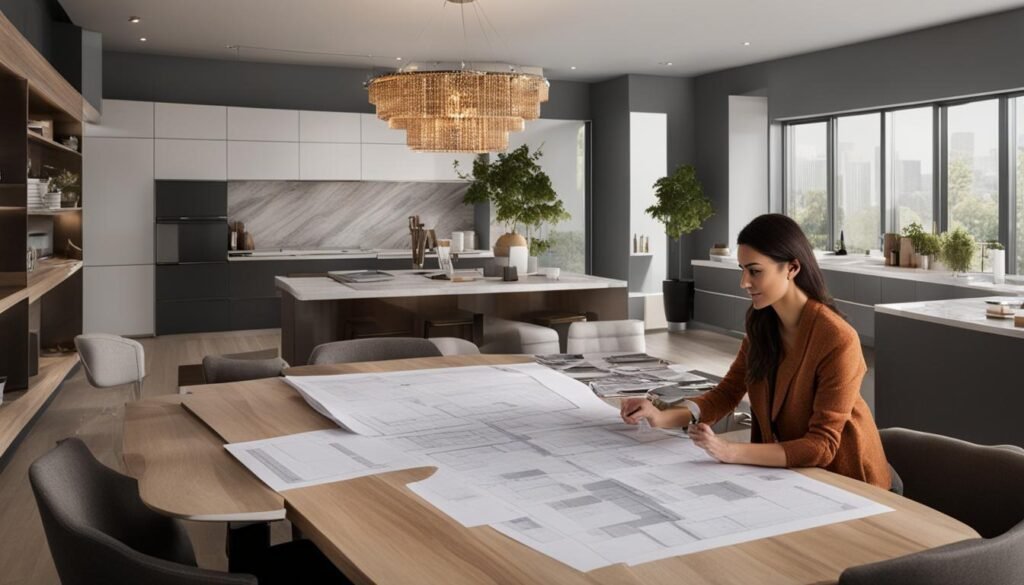
The Intersection of Residential and Commercial Interior Design
As an interior designer, my portfolio is a testament to the seamless blend of residential design and commercial design principles. Reflecting on the work of professionals like ASID’s Gocke Wyre, it becomes increasingly clear how pivotal the creation of functional spaces has become in this dynamic field. The common thread between residential and commercial projects lies in a holistic approach where the function meets form to support the evolving needs of today’s society.
Modern interior design isn’t just about aesthetics; it’s equally about the end-users’ experience in those spaces. In my efforts to foster spaces that cater to both living and working needs, particularly in the post-pandemic era, I’ve found that the distinction between home and office is increasingly blurred. Establishing work-from-home zones in residential projects or creating a homely atmosphere in commercial settings has become an essential part of what interior designers do.
- Selection of sustainable materials to reflect environmental consciousness.
- Designing spaces for mental and physical wellness of the end-user.
- Integrating technology to enhance functionality in both living and work environments.
The demand for versatile living areas and agile workspaces is more pronounced than ever, leading to a focus on adaptive designs that can transition smoothly between use cases. To me, this is the essence of contemporary interior design — it’s not solely about residential or commercial, but about crafting environments that enrich lives regardless of their designated label.
What is an Interior Designer: Decoding the Profession
As an individual immersed in the world of design and aesthetics, I often encounter the question: who is an interior designer? To me, an interior designer is not just a career title—it’s a calling that combines creativity with rigorous technical skills. It is my role to envision and actualize spaces that resonate with beauty, functionality, and safety. The Society of British and International Design (SBID) captures this essence by detailing an interior designer’s mission to conceive and execute design services that enhance the quality of life for clients and occupants.
What-does-an-interior-designer-do, you might wonder? Let me take you through a typical workflow to illustrate what an interior designer does:
- I start by comprehending the unique needs of each client, translating their desires into viable design concepts.
- Generating detailed design plans becomes my blueprint for transformation.
- Selecting furniture, fittings, and fixtures that align with the envisioned theme requires a discerning eye and knowledge of emerging trends.
- The management of every step—from intimate details to grand scales of the design process—is carried through with precision, ensuring no vision is lost in translation.
My ultimate aim? To orchestrate an environment’s effectiveness, accessibility, and aesthetic appeal. The space must not only look remarkable but also serve its intended purpose astutely while ensuring safety and optimal comfort for those who interact within it daily.

SBID has long celebrated this interconnected blend of artistry and technicality—an interior designer becomes an alchemist who turns ordinary areas into meaningful, bespoke environments. It’s more than just a profession; it’s about shaping the contours of everyday life.
Essential Skills for Successful Interior Designers
My journey in the dynamic field of interior design has taught me that certain skills are quintessential for true success. Beyond an eye for design, I’ve honed abilities that allow me to manage complex projects and communicate ideas effectively. These proficiencies are the bedrock on which my professional reputation is built.
Project Management and Effective Communication
As an interior designer, project management is central to my practice. Whether I’m juggling deadlines, budget constraints, or coordinating with contractors, my ability to lead a project from inception to completion is critical. Effective communication plays a pivotal role in this; it’s the tool that enables me to articulate my vision to clients and collaborate seamlessly with architects, tradespeople, and suppliers. My goal is always to ensure that every project not only meets, but exceeds my client’s expectations.
Understanding of Regulations and Blueprint Interpretation
My expertise extends to rigorously interpreting blueprints and adhering to robust building codes and regulations. The skill of blueprint interpretation has been a cornerstone of my work, facilitating the translation of abstract concepts into tangible, safe, and compliant design solutions. This in-depth knowledge ensures that each space is not only beautiful but also functional and within the parameters of legal and structural requirements.
- Project management proficiency to keep design initiatives on track
- Blueprint interpretation to bridge the gap between design and real-world application
- Regulatory knowledge to ensure compliance with local and international standards
- Communication skills for effective client and team engagement
These skills for interior designers are the ones I constantly nurture and evolve, as they are instrumental in the pursuit of excellence within the industry. Continuous learning and adaptation are what keep me at the forefront of interior design.
The Creative Process: From Concept to Reality
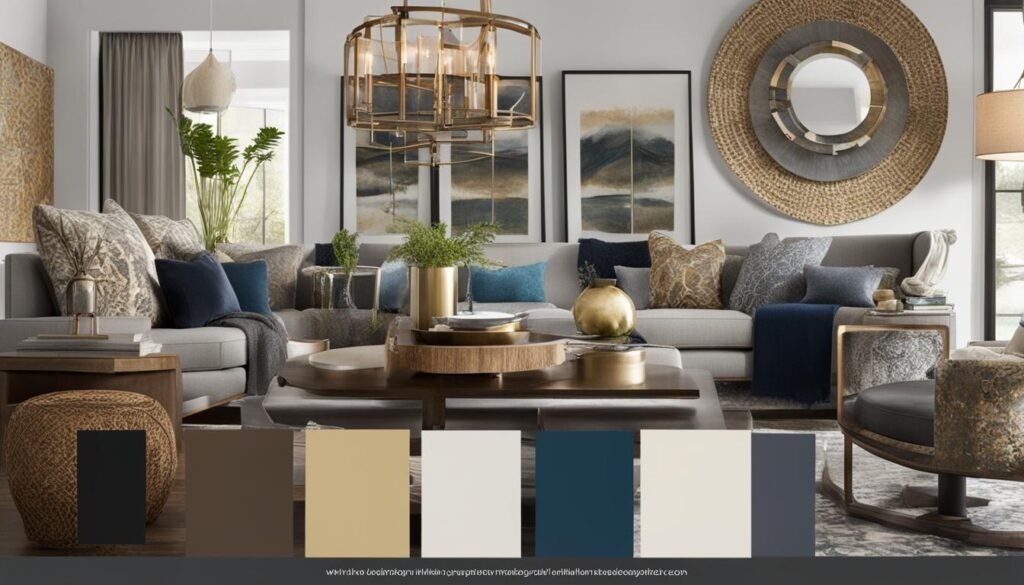
The journey from an empty space to a fully realized interior design is an intricate and layered design process. My role as an interior designer is to meld creativity with functionality, crafting spaces that not only inspire but also meet the practical needs of my clients. A critical part of this journey involves the creation of mood boards—a visual tool that encapsulates the essence of the envisioned design.
Design Concepts and Mood Boards
In developing mood boards, I draw upon a myriad of textures, colors, and patterns to convey the atmosphere and style that will define the space. It’s a collage of inspiration, where every swatch and sample is a dialogue between my vision and the client’s aspirations. This step sets the precedent for furniture selection and the overall aesthetic direction.
Coordination with Contractors and Timelines
Transforming these initial concepts into tangible environments demands meticulous management of project timelines. By collaborating closely with contractors, engineers, and architects, I orchestrate a symphony of construction and design, ensuring that each detail aligns perfectly with the original vision. My expertise lies in not only predicting challenges but also adapting swiftly to them, all while keeping the project on track and within the agreed framework.
- Curating and proposing furniture choices that resonate with the client’s identity.
- Facilitating clear and open communication channels among all parties involved.
- Monitoring the project’s progression diligently to anticipate adjustments.
Every project is a unique narrative, woven from the threads of creativity, practicality, and client collaboration. It’s a privilege to guide these stories from concepts captured on mood boards to the full splendor of completed designs, enhancing lifestyles with every space I create.
Understanding the Impact of Interior Design on Well-being and Safety
My journey into the realm of interior design has cemented my belief that our surroundings deeply influence our daily lives. Delving into well-being in interior design, I’ve learned that the spaces we inhabit are more than a backdrop to our existence; they shape our emotions, behaviors, and overall health. It’s not just about the aesthetic harmony achieved through chic home decor—it’s profoundly more. With every project, I integrate the principles of color theory and space safety to create environments that not only look good but also promote and safeguard the occupant’s well-being.
As a staunch advocate for the physiological and psychological benefits of thoughtful design, I ensure that elements like lighting, color, and materials are not arbitrary choices. For example, employing color theory is a key strategy. I select hues that evoke calm, comfort, and focus where needed, significantly influencing mood and even cognitive function. It’s a testament to how powerful design can be.
- Utilization of calming blues and greens in spaces designed for relaxation
- Inclusion of vibrant yellows or reds to inject energy into creative workspaces
Moreover, space safety is an integral part of my design ethos. A safe space is paramount, and thus, I meticulously adhere to building codes and regulations to prevent future hazards. It is vital that my designs circumvent potential risks, ensuring seamless movement and interaction within the space. Addressing these details may involve additional costs, but they are investments in the longevity and resilience of the design.
- Evaluation of structural integrity and materials for fire resistance
- Strategic placement of furniture and fixtures to ensure clear evacuation paths
Ultimately, my mission aligns with that of the Society of British & International Design (SBID)—to marry form with function in the most health-conscious and secure manner. I believe an interior designer’s role is not merely to beautify but also to create sanctuaries that nurture and protect. By resonating with these values, I am proud to contribute to the field of interior design, where well-being and safety are as intrinsic to our creations as the visual appeal.
Educational Pathways and Professional Qualifications in Interior Design
Embarking on a career in interior design, I’ve learned that a foundation of formal education in interior design is crucial. It sets the stage for acquiring the professional qualifications needed to excel in this competitive field. Choosing the right educational program is just the beginning of a lifelong journey of ongoing learning, ensuring that an interior designer remains well-versed in the latest trends and industry standards.
Formal Education and Accreditation
The Society of British and International Design (SBID) has outlined stringent criteria for becoming an accredited interior designer. It begins with a rigorous formal education, often at an esteemed institution that has received accreditation itself. My educational journey, as recommended by the SBID, was followed by acquiring substantial professional experience, which is essential for understanding the real-world applications of my academic learnings.
Save this article
Enter your email and we'll send it straight to your inbox.
As an accredited interior designer, I’m required to demonstrate a steadfast commitment to the professional standards set forth by governing bodies. This not only fortifies my credibility but also reassures my clients that they are receiving services from someone who’s fully qualified.
Ongoing Learning and Specialization
Continual professional development is a pillar of the SBID’s criteria that I take to heart. An ongoing investment in my learning ensures that I am always expanding upon my professional qualifications. The design world is constantly evolving, and I must evolve with it through specialized courses, workshops, and seminars that keep my knowledge and skills razor-sharp.
In pursuit of specialization, I prioritize staying abreast of advancements in sustainable design, technological innovations, and industry best practices. This dedication not only distinguishes me as a professional but broadens the scope and quality of my design work, offering clients innovative and forward-thinking solutions for their spaces.
The Distinction Between Designers, Decorators, and Architects
Understanding the unique roles in the creation and curation of living spaces is paramount, as it clarifies what clients can expect from each professional. Grasping the subtleties between an interior designer vs decorator and distinguishing an interior designer vs architect can greatly impact the outcome of your home’s design. Let’s explore what each of these specialists brings to the table.
As an interior designer, I engage in more than just decoration; I analyze spaces for their function and form. I am responsible for the integral aspects of a home’s internal layout and design, ensuring that it is not only aesthetically pleasing but also practical and compliant with building codes. Questions such as “what does a house designer do?” often arise, and my role involves a range of tasks from developing initial design concepts to specifying materials for first and second fix installations like lighting, plumbing, and joinery.
- Architects: They are tasked with the macro view, focusing on the structural integrity and external design of buildings. Their expertise covers the groundwork from construction to the foundation, ensuring the building’s safety and stability.
- Interior Designers: We operate within the confines of an architect’s framework, enhancing the usability and aesthetic of spaces. Our work includes everything from space planning and material selection to the integration of elements like custom cabinetry and smart-home technology.
- Decorators: Decorators excel in the domain of style and aesthetics, bringing a finished space to life with furniture, textiles, and accessories. They curate the elements that offer character and warmth to the interiors once the design and architectural work are complete.
So, when someone asks “what do home designers do?”, they should consider the entire spectrum of home creation, from the conception by the architect to the final touches by the decorator. Each player has an indispensable role, distinctly contributing to the metamorphosis of a structure into a home.
Global Perspectives on the Interior Design Profession
As an expert interior designer, I’ve witnessed how the international interior design landscape continually evolves, presenting both challenges and rewards. Influenced by various global practices, the role of interior designers often extends beyond the conventional, adapting to diverse cultural norms and industry expectations. This dynamic field not only requires creativity but also an understanding of the different roles in interior design that exist around the world.
Title Protection and Professional Recognition
In my travels, I’ve observed how title protection and professional recognition vary greatly. For instance, in the UK, the term ‘interior designer’ is not legally protected, which means that without standardized recognitions for interior designers, anyone can assume the title. Contrastingly, in certain European and North American jurisdictions, the titles are more regulated. The Society of British and International Interior Design (SBID) promotes professional standards globally, advocating for accreditation and recognition that protect both consumers and designers.
The SBID’s accreditation endeavors facilitate the unification of international interior design qualifications, thereby elevating professional standards across borders.
International Roles and Responsibilities
Internationally, an expert interior designer may undertake different roles, reflecting the diverse scope of services expected of them. While some countries equate the role with that of an Interior Architect, emphasizing structural and spatial design, other regions may have a more decorative connotation associated with the profession. This distinction is crucial in understanding how international interior design practices can impact client expectations and project deliverables.
- Implementation of cultural aesthetics and practices in design projects.
- Adhering to varied international building codes and regulations.
- Engaging with global trends while maintaining local relevance.
Despite these differences, the core mission remains consistent: to elevate the functionality and aesthetic quality of spaces with an acute awareness of safety and sustainability.
How Interior Designers Collaborate with Other Professionals
As an interior designer, my work is deeply rooted in collaboration in interior design. It is through these collaborative efforts that concepts and visions are transformed into tangible realities. Building relationships and working hand-in-hand with various professionals such as architects, builders, and engineers fortify the foundation of every project I undertake.
Understanding who do interior designers work with is pivotal. I often align with architects, ensuring that my interior concepts are seamlessly integrated with the structural design, nurturing the symbiotic relationship that is the essence of interior designer and architect collaboration. Our united efforts cater to both the aesthetic and functional demands of the spaces we craft.
Project management in design emerges as the core strength of successful interior design execution. Commandeering the orchestration of tradesmen, suppliers, and craftsmen, I guide the complex processes where design decisions impact the real-world application, from materials to installation techniques.
Below, I’ll highlight a typical interaction pattern that exemplifies the cooperative nature of my profession:
- Initial consultations with architects to discuss design alignment.
- The partnership with engineers to ensure functionality meets form.
- Coordination with craftsmen to select the right materials and finishes.
- Continuous dialogue with various trades to maintain project timelines.
- Routine on-site meetings with all parties to oversee the project’s progress.
This interaction is not a one-off occurrence but a dynamic, ongoing process that extends across the entire lifecycle of the design project. Such collaboration is not only about harnessing collective expertise but also respecting the interdependent nature of each professional’s role.
Ultimately, it’s my responsibility to not just envision spaces but to also lead the collaborative dance that brings them to life. As I bridge the gap between idea and existence, I cement my role not only as a designer but a visionary project manager.
Conclusion
As I reflect on the modern interior designer’s role, the immense impact they wield in shaping our environments becomes unequivocally clear. Their expertise is not merely additive but central to the successful outcome of a design project. Striking a balance between client requirements, functional needs, the pursuit of beauty, and the ever-present concern for safety and well-being requires a diligence and acumen that can only be fostered through dedicated professional practice. The significance of interior design in crafting spaces that harmoniously blend aesthetic appeal with practicality cannot be overstated; it’s an art that touches every aspect of our daily lives.
Delving into the skills that make for project success in interior design, it’s evident that this craft is underpinned by a complex tapestry of knowledge and creative flair. Understanding the gravity of this, the Society of British and International Interior Design (SBID) advocates for the employment of qualified and accredited professionals who can navigate the intricacies of interior design. The discipline is receiving the widespread recognition it deserves, elevating the profession and those who have honed their expertise to deliver exemplary work.
For those looking for an interior designer, the decision carries weight beyond choosing any simple service provider. It involves selecting a partner capable of interpreting your visions and needs into tangible, enduring spaces. In my professional journey, witnessing the transformation brought about by adept interior designers has reinforced my belief in the field’s fundamental significance. It is a vocation of profound creativity and responsibility, where the end result is an echo of countless decisions, carefully calibrated to resonate with those who inhabit the spaces crafted.
FAQ
What is an interior designer?
An interior designer is a professional with the training and creativity to plan, coordinate, and execute the design of an interior space. They combine aesthetic vision with practical skills and knowledge to create functional, safe, and attractive environments within a building. Their focus extends beyond just decoration, involving space planning, project management, and adherence to health and safety standards.
What roles does an interior designer fulfill?
Interior designers are multifaceted professionals who perform roles that range from creative problem solving and space choreography to managing the execution of their design plans. They collaborate with clients and stakeholders, ensuring the designed spaces are both functional and aesthetically pleasing while also ensuring health, safety, and welfare of future occupants.
What skills are essential for successful interior designers?
Successful interior designers possess a range of skills including, but not limited to, project management, effective communication, critical and creative thinking, spatial awareness, understanding of design principles, proficiency in design software, an understanding of construction documents and regulations, color theory, and material specifications.
What does the creative process in interior design involve?
The creative process in interior design involves the generation of initial design concepts, often expressed through mood boards or sketches, which evolve into detailed plans and specifications. Interior designers manage project timelines, coordinate with contractors and manufacturers, and oversee the installation of furniture, fixtures, and finishes, ensuring the realization of the design vision.
How do interior designers impact well-being and safety?
Interior designers have a profound impact on the well-being and safety of the occupants of a space. They make informed decisions on layouts, materials, lighting, and furniture to enhance comfort and functionality. Additionally, they adhere to building codes and regulations to ensure spaces are accessible and safe, mitigating potential hazards and legal violations.
How can one become a professionally qualified interior designer?
To become a professional interior designer, one typically needs a combination of formal education in interior design, substantial practical experience, and often a professional certification or accreditation from a recognized body such as the American Society of Interior Designers (ASID) or the Society of British and International Design (SBID). Continuous professional development is also vital to keep abreast of the latest design trends, regulations, and technologies.
How are interior designers different from decorators and architects?
Interior designers primarily focus on the interior environment, making it functional and aesthetically appealing, which may include functional alterations, space planning, and selecting furnishings. Decorators deal with the adornment of interior spaces without involvement in spatial configurations or renovations. Architects are responsible for the overall structural integrity and external design of a building, working on the broader aspect of its construction and legal compliance.
Is the title “interior designer” recognized the same way worldwide?
No, the title “interior designer” varies internationally. In some countries, the title holds similar prestige to that of “Interior Architect,” while in others, it may not require formal credentials. Organizations like SBID work towards standardizing professional recognition to uphold the quality of interior design practice globally.
How do interior designers collaborate with other industry professionals?
Interior designers collaborate with a variety of industry professionals such as architects, engineers, builders, and contractors to create cohesive and comprehensive design solutions. This collaboration involves coordinating the various trades, ensuring the design adheres to architectural plans and is delivered on schedule, within budget, and to the client’s satisfaction.
Save this article
We'll email you the link so you can find it again later.


