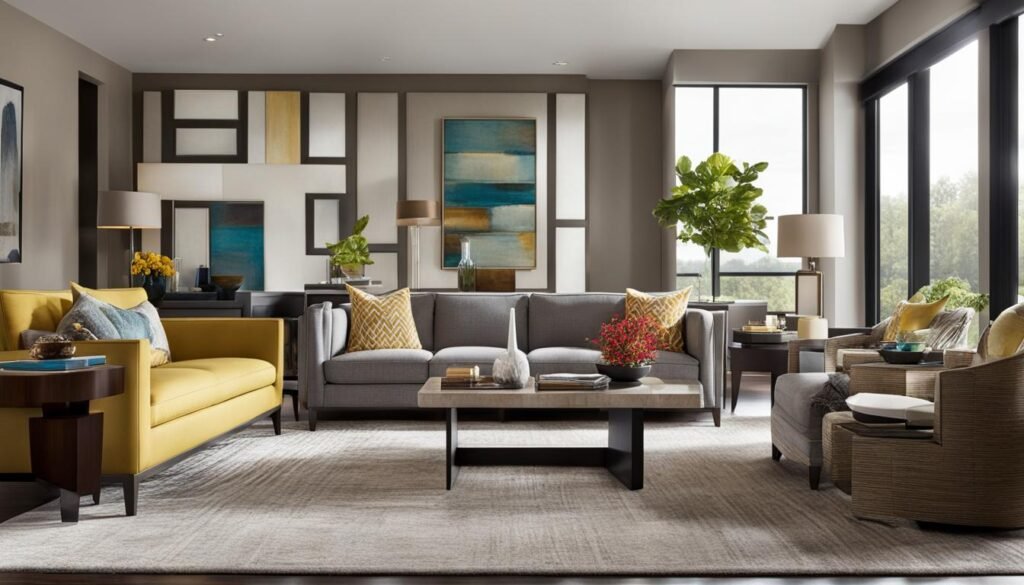
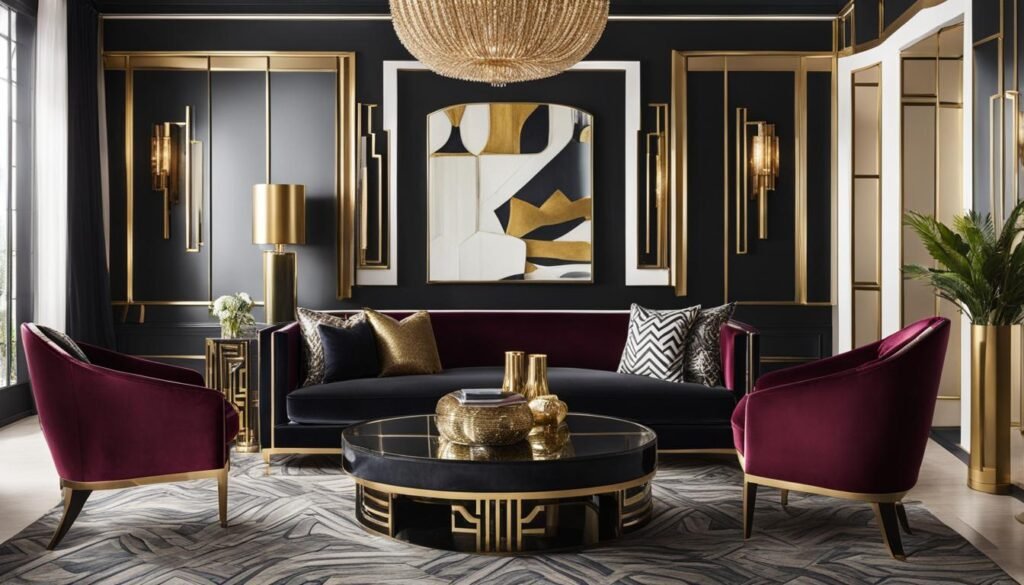
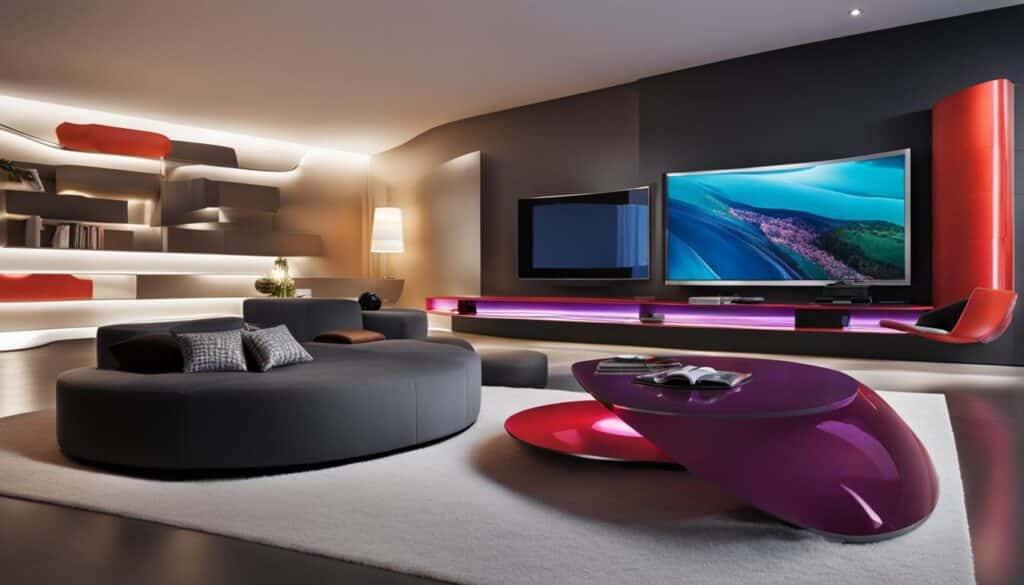
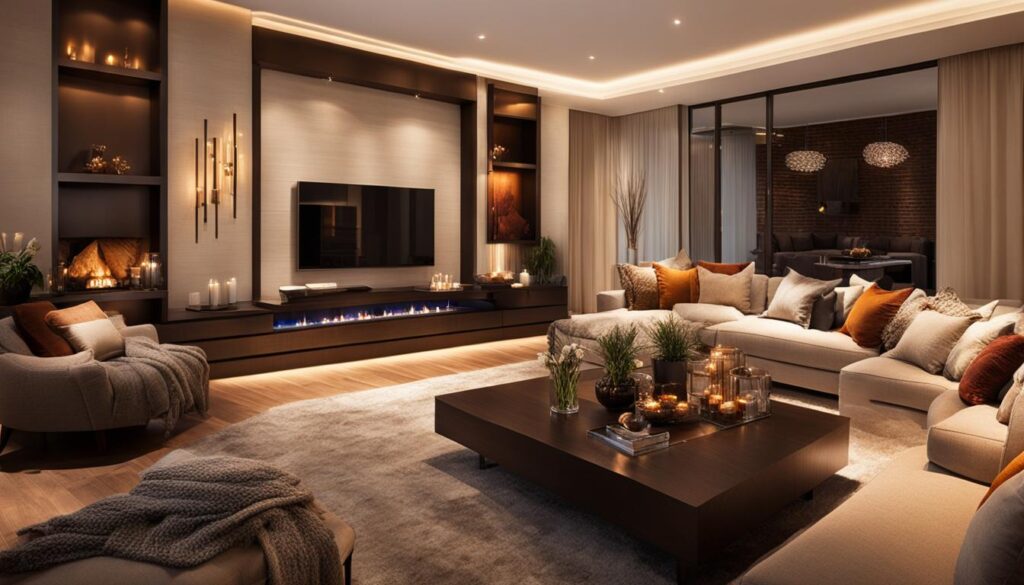
As a dedicated interior designer, I’ve come to appreciate the intricate dance between form and functionality. In this domain of creativity and precision, the rules of interior design are not simply suggestions but the foundation upon which beauty and utility coalesce. Through my experiences, I’ve unearthed interior design best practices that do more than fill a room—they enliven it.
Whether I’m sketching the initial layout or placing the last decorative pillow, my aim is to apply the principles of effective interior design. They guide my hand to ensure each space is more than an area of residence but a vignette of one’s life. Hence, today, I share with you, not just the mechanics, but the key elements of interior design that transform houses into homes brimming with character and joy.
Key Takeaways
- Understanding and applying foundational design rules ensure aesthetic cohesion and functionality in any living space.
- Balance, harmony, and rhythm are central to crafting a room that offers both comfort and visual pleasure.
- Proper scale and proportion are key to establishing a sense of belonging among design elements within a room.
- Contrast and emphasis are powerful tools for adding dynamic visual interest to an environment.
- Personalization and attention to detail are what differentiate a space, making it uniquely signature to the homeowner.
- Being open to innovation in design can create fresh and modern living spaces that challenge traditional norms.
Understanding the Principles of Interior Design
As a passionate advocate for beautiful and livable spaces, I’ve dedicated myself to mastering the fundamental concepts of interior design. These principles serve as a foundation for creating harmonious environments tailored to enhance the daily lives of my clients. Let’s delve into the pivotal design rules that bring balance, harmony, and rhythm to the canvas of your home.
The Importance of Balance in Your Space
Balance is a cornerstone of interior design, acting as the equilibrium that ensures each piece within a room contributes equally to the overall aesthetic. Whether your living room follows symmetrical arrangements that mirror one side to the other, or an asymmetrical layout that offers a more dynamic feel, the goal is to distribute visual weight in a way that feels intentional and comforting. Even in bedroom interior design, the positioning of beds, side tables, and artwork hinges on creating a serene and balanced retreat.
Achieving Harmony and Unity in Design
When we talk about harmony in design, we focus on weaving different elements together to craft a story that resonates throughout the space. Here, the interior design basic rules guide us in selecting finishes, textiles, and accessories that sing in chorus. Whether through a consistent color palette or a theme that subtly runs through the living room, bedroom, or even a home office, harmony is the silent storyteller that unites individual items into a singular narrative.
Creating Rhythm Through Repetition and Contrast
Rhythm in interior design ensures that your eye moves around the room in a dance, from one focal point to another, much like a well-composed piece of music. Through repetition of patterns, contrasts in colors, and the strategic use of lighting, I help to infuse life and movement into spaces. With living room interior design rules, for instance, rhythm might be established by repeating the use of a particular shape or color, providing a sequence that intuitively guides you through the room’s experience.
Maximizing Room Aesthetics with Scale and Proportion
In my practice, I’ve discovered that mastering interior design principles transforms ordinary rooms into remarkable spaces. A key part of this is understanding the subtle, yet powerful, influence of scale and proportion. When I select furnishings and decor, I’m not just looking for items that fit a space; I’m seeking pieces that create a sense of unity and sophistication, vital for any successful interior transformation.
The golden ratio in design is not just an esoteric concept from ancient history; it’s a practical tool in my design arsenal. This mathematical principle helps me achieve balance and proportion effortlessly, guiding the layout so that each piece seems intended for its place, both in size and relevance to the surrounding elements.
- Scale ensures that furniture is neither dwarfing the space nor being swallowed by it.
- Proportion relates the size of elements within the room to each other, promoting a coherent visual narrative.
- A design break, occasionally necessary, introduces an element of surprise that can energize a room, but should always be deliberate and considered.
Applying these interior decorating rules brings harmony between the architecture of the space and the daily experiences of those living within it. It’s not just about adhering to rules but using them as a framework for creativity and personal expression. The golden ratio often reveals itself in well-proportioned spaces, and when integrated thoughtfully, it leads to designs that are naturally appealing to the eye.
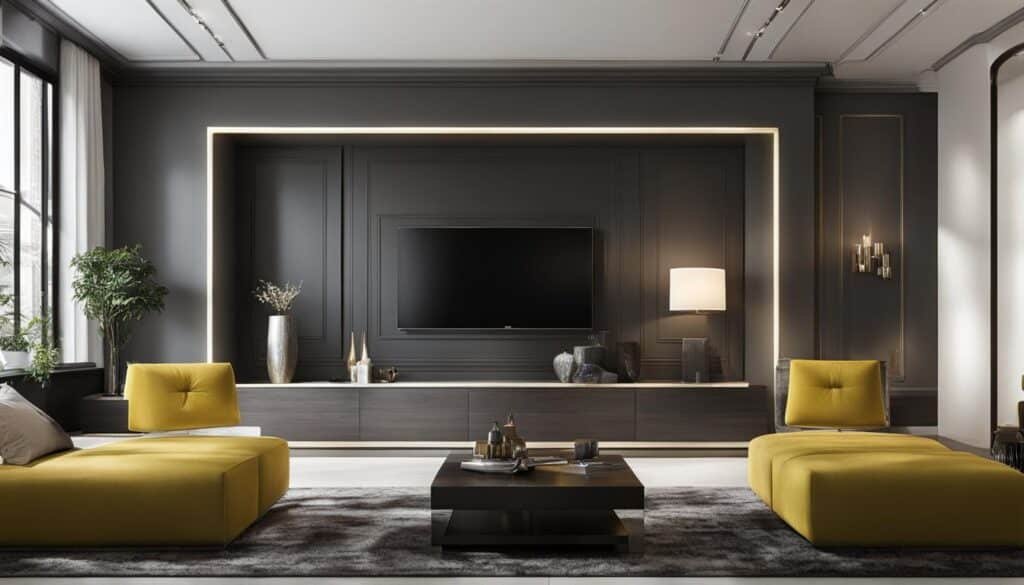
Rules of Interior Design: Crafting Cohesive Environments
As I delve into my interior design projects, I meticulously adhere to established interior design guidelines to ensure every space is both aesthetically pleasing and functional. My experience has taught me that understanding a room’s architecture is the foundation for creating a cohesive environment. With these principles in mind, I carefully select furniture that corresponds in size and style with the space, making sure each piece contributes to the desired ambiance. Below, I outline the key home decorating rules and interior design techniques that guide my approach to achieving a harmonious home.
- Assessing the architecture to determine spatial possibilities and limitations.
- Selecting furniture with dimensions that complement the size of the room.
- Employing symmetry to establish balance and visual appeal.
- Consideration of color schemes that enhance the natural light and shape of the space.
- Incorporating textures that add depth without cluttering the environment.
- Ensuring a smooth visual flow between rooms for seamless transitions.
My ultimate objective is to strike that essential balance where beauty meets utility—where every design choice feels intentional and every element serves a purpose.
Employing Contrast and Emphasis for Visual Impact
As a fervent advocate for the principles of good interior design, I always emphasize the importance of utilizing contrast and emphasis to create a visually compelling space. In the realm of living room design rules, the thoughtful application of contrast and emphasis not only captivates the eye but also serves to punctuate a room’s aesthetic quality.
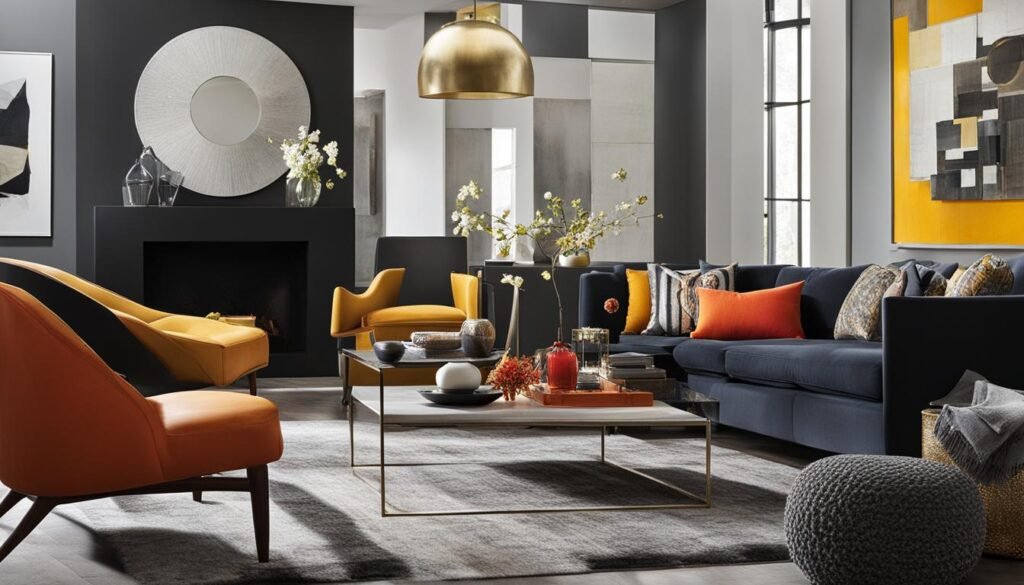
Contrast in interior design is a powerful tool. By juxtaposing light and dark colors, smooth and textured surfaces, and large and small elements, one can craft a room that vibrantly exhibits these differences. The result is a living space that not only abides by home decor rules but transcends them, offering a glimpse into the potential of what a room can become when contrast is expertly harnessed.
- Color contrast can be subtle, implemented through pastels and neutrals, or bold, with starkly contrasting hues taking center stage.
- Texture brings another layer of contrast, whether through the inclusion of plush fabrics against sleek wood or rough stone against smooth metal finishes.
- Pattern plays a key role, with geometric figures set against organic shapes to create a sense of dynamic tension.
When it comes to emphasis, I aim to establish a clear focal point within the room. This might be a statement piece of furniture, an art installation, or an architectural feature. It’s about creating an anchor that draws the eye and invites exploration throughout the room, without leading to visual confusion. The harmonious balance between contrasting elements and a strong point of emphasis ensures a living room is not only stylish but also intuitively organized for daily enjoyment and use.
Incorporating Details and Personalization
As I delve into the essential rules of interior design, I’m reminded of the incredible influence of personal touches on the overall aesthetic and ambiance of a space. These interior design basics are not merely about following a set of guidelines; it’s about weaving personal narratives into the design. With a focus on interior design essentials, I encourage each of my clients to infuse their unique flair into the decor.
Choosing the Right Decorative Elements
Finding the perfect decorative elements is like curating art for a gallery. Every piece from elegant vases to vibrant textiles plays a pivotal role in telling a story. It’s about seeking out those accents that not only complement the space but also resonate with the client’s personality. I aim to strike a beautiful equilibrium between the client’s style and timeless design nuances.
Why the Smallest Touches Make the Biggest Difference
It’s often the smallest touches in design that leave a lasting impression. A handpicked throw pillow, a cherished family photograph, or a bespoke piece of glassware, each detail contributes to the symphony of visuals and textures that create a home’s character. These elements are testaments to the adage that in interior design, the magic is in the minutiae—the details truly make the design.
- Artwork that reflects personal taste and evokes emotion
- A collection of books that both entertain and educate
- Unique fabrics and textures that enhance comfort and allure
- Color palettes that tell a story and set the mood
Infusing a space with one’s essence is the pinnacle of custom interior design. It transcends the visual to create environments that are not just seen but felt. Each project I undertake is a new chapter in the narrative of a home, one where the client’s individuality shines bright amidst the fundamentals of design.
The New Rules of Interior Design: Breaking Tradition
As an advocate for the evolving landscape of interior design, I’ve championed the new rules of interior design that embrace the concept of a design break. This progressive philosophy invites us to reconsider the traditional living room rules for home settings. The key to success? Flexibility and the audacity to push conventional boundaries.
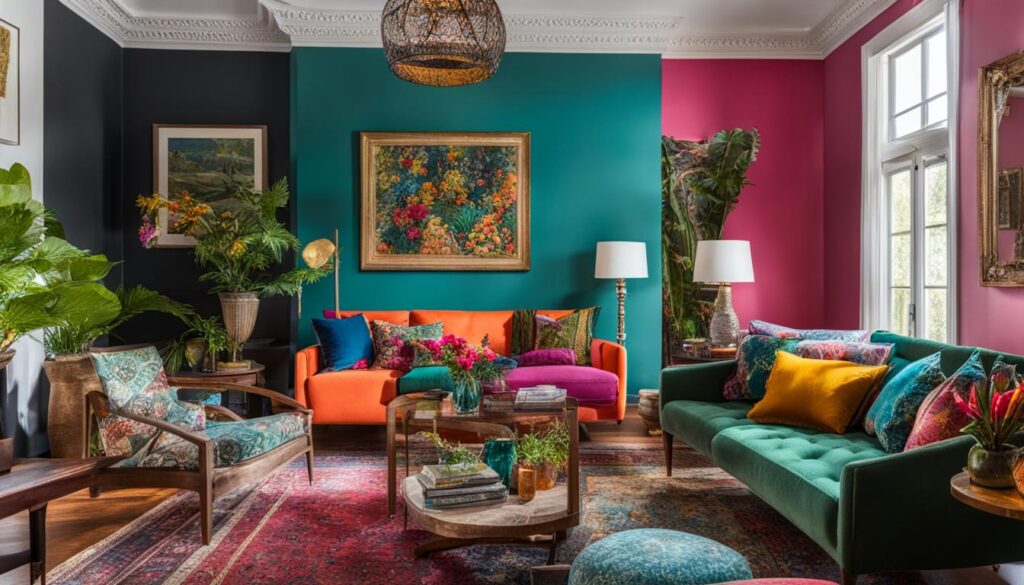
When to Apply a Design Break
A design break is an intentional deviation from the norm, a strategic disruption that adds vibrancy to a space. I often recommend utilizing this technique when a room’s aesthetic feels too predictable or monotonous. It’s about introducing an unexpected color splash, an avant-garde piece of furniture, or an eclectic mix of textures.
Modern Approaches to Living Room Rules
Modern interior design bends the rules to prioritize personal comfort and self-expression. The living room, often considered the heart of the home, has become a canvas for individuality. Let’s disperse the idea that certain pieces must match or adhere to a strict theme. Instead, I believe in curating a space that is both operational and stylish, allowing the unique quirks of your personality to emerge through your decor choices.
- Elevating functionality without sacrificing style
- Harmonizing eclectic elements to reflect personal tastes
- Favoring adaptable layouts over rigid spatial arrangements
Essential Rules of Interior Design for Functional Spaces
As an advocate for spaces that marry form with function, I firmly believe in following the interior design rules to follow to create rooms that are both attractive and practical. Understanding and applying the basic principles of interior design is not simply about creating beauty; it is about shaping environments that enhance the quality of life for the occupants. Let’s dive into some cardinal guidelines that ensure functionality is at the heart of every design.
Space planning is the bedrock upon which all functional design is built. A well-designed space considers the flow of movement, the convenience of layout, and the purpose each area serves. Harmonious scale and proportion come into play when selecting furniture — pieces should fit together as a cohesive whole while being scaled to the human form and the room’s size.
-
Assess the Intent of Each Room:
- Identify the activities that will take place in each space.
- Allocate areas for work, relaxation, and interaction accordingly.
-
Choose Appropriate Furniture Sizes:
- Opt for furniture that complements the scale of the room.
- Avoid overcrowding with too many large pieces or leaving areas sparse with minimal or diminutive furniture.
-
Strategic Placement of Elements:
- Arrange furniture and decor to create clear pathways.
- Ensure accessibility to everyday items without hindrance.
In conclusion, the marriage of functionality with aesthetic appeal is what sets exceptional interior design apart. Incorporating these steadfast rules results in spaces that aren’t just showplaces, but homes that serve the requirements of those who live in them. It’s this conscientious approach that enables my designs to stand out as both practical and beautiful — the essence of true interior design.
Key Elements of Interior Design: Form and Function
As an interior designer, I’m continually finding myself at the crossroads of form and function—each project serving as a testament to this intricate relationship. When I embark on a design journey, the key elements of interior design always guide my path. Let’s explore how the artful blend of form and function can craft not just a space, but an experience.
The Vital Role of Space Planning
Space planning is the unseen blueprint that dictates how a room works as much as how it feels. In the world of design, it’s more than just fitting furniture within a room; it’s the deliberate positioning of each piece to enhance the flow of daily life. I make it my mission to ensure that every inch contributes to the space’s overall functionality, without compromising on its aesthetic allure.
Utilizing Form to Define and Elevate Your Home
When it comes to form and function in interior design, form is the visual language that communicates your style story. From elegant curves to bold angles, every shape holds the power to evoke emotions and reactions. I take pride in selecting forms that resonate with my clients’ visions while aligning with the utilitarian demands of their spaces. The result is a home where every element is in harmony, exemplifying both beauty and purpose.
Save this article
Enter your email and we'll send it straight to your inbox.
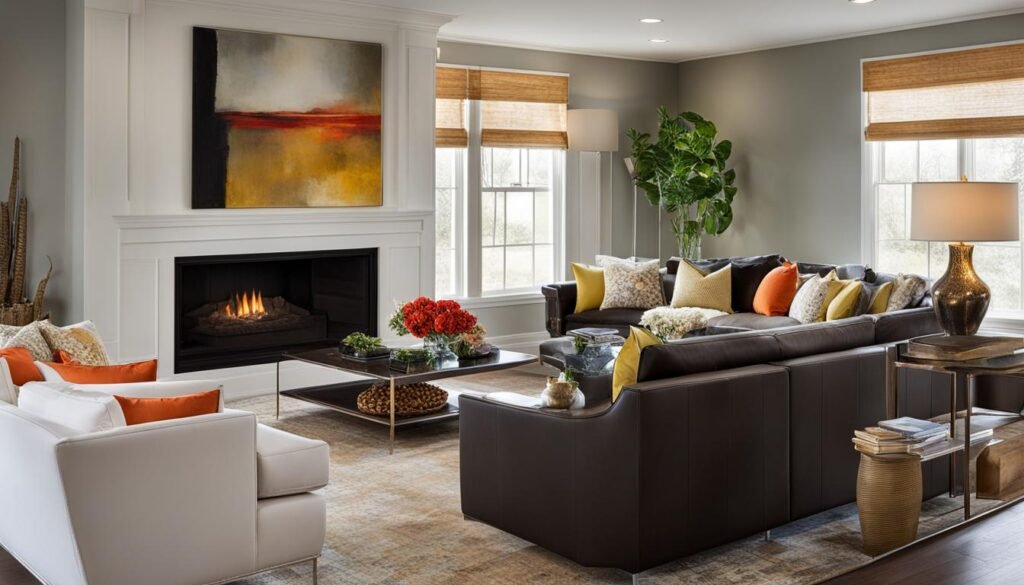
Practical Interior Design Techniques for Everyday Living
As an interior designer, my approach to creating a space that epitomizes both beauty and functionality rests on incorporating interior design techniques that can be easily applied to everyday living. To illustrate, let’s look at how these techniques play out in real-life scenarios.
- Optimizing Lighting: I focus on the strategic placement and calibration of lighting to tailor atmospheres that change with the time of day and the activities taking place. Whether it’s ambient lighting for a cozy movie night or bright task lighting for a productive workday at home, the right lighting can profoundly transform a space.
- Integrating Color Psychology: Color selection is more than just picking shades that match—it’s about evoking the right emotions. Warm colors may encourage lively conversations in a living room, while cool tones in a bedroom can foster serenity and rest.
- Selecting Textures: By incorporating a variety of textures, from plush rugs to sleek metals, I add depth to rooms that delight the senses and invite inhabitants to touch and explore, creating an environment that’s not just seen, but experienced.
The fundamentals of interior design basics are not just about knowing these principles individually but about weaving them together to create a cohesive, harmonious home. It is these meticulously chosen details that transform a house into a functional sanctuary for my clients—a place where they can unwind, entertain, and express themselves fully.
Adhering to interior design best practices allows me to ensure each space not only looks visually compelling but also serves the practical needs of daily life. The true mark of well-executed interior design is a home that stands the test of time, bringing joy and ease to those who dwell within it.
Interior Decorating Rules for Harmonious Home Décor
As an advocate for creating spaces that resonate with beauty and practicality, I follow interior decorating rules that lead to a harmonious home décor. It’s about more than just aesthetic; it’s about creating an environment that reflects the essence of those who live within it. My advice incorporates time-tested interior design tips with unique personal touches to ensure end results that are distinctive and meaningful.
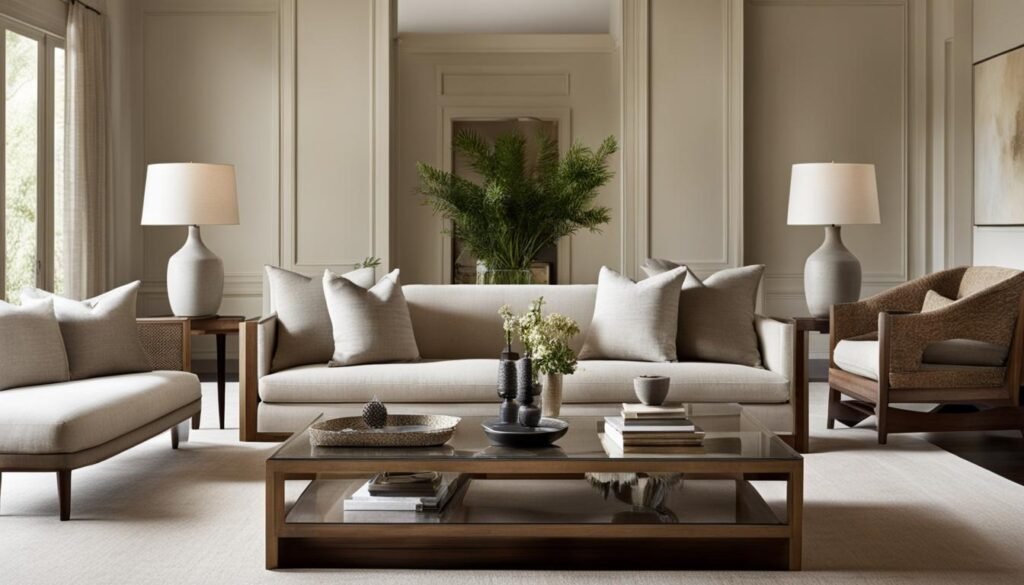
Color, without a doubt, plays a pivotal role. I consider not just the hue, but its value and saturation, creating a palette that provides balance and complements the natural lighting of each space. The result is a visual flow that seamlessly connects each room while respecting their individuality.
Scale and texture are also at the core of my design practice. I carefully curate furniture and décor to fit the scale of the space, ensuring that pieces are neither overwhelming nor insignificant. Textures bring another layer of sophistication and comfort, enticing touch and adding depth.
- Use color thoughtfully to set the tone and mood of each room.
- Bear in mind scale to ensure pieces fit comfortably and look proportionate.
- Mix textures to contribute to an engaging multi-sensory experience.
- Implement patterns in moderation to add interest without causing visual chaos.
In the world of interior design, the adoption of these interior decorating rules culminates in a space that not only tells a story but also provides comfort and function. My mission is to empower homeowners to create spaces that are authentically theirs, providing sanctuary and joy in their everyday lives.
Interior Design Tips: Blending Aesthetics and Usability
When it comes to enriching homes with character and functionality, one must delve deep into the realms of interior design tips, especially those focused on blending aesthetics and usability. My journey in curating spaces is guided by the belief that beauty should always be in harmony with practicality. Allow me to share some of the essential interior design strategies that I employ in my work.
First and foremost, lighting is a cornerstone of my design philosophy. It’s about setting the correct ambiance – a warm, soft glow for relaxation, bright and invigorating lights for workspaces, and accent lighting to highlight the artwork or architectural features. This allows me to create moods while ensuring the spaces are usable at all stages of the day.
Moreover, color is a powerful tool in encapsulating an individual’s essence within a room. From serene blues that instill calm to vibrant yellows that lift spirits, my selections are made with an acute awareness of their psychological impacts while reflecting personal styles.
Lastly, the choice of materials and textures is critical. Beyond their visual appeal, they must withstand the wear and tear of daily life. Whether it’s a high-traffic carpet that retains its plushness or kitchen countertops that merge elegance with the resilience against spills and stains, practicality is never overlooked. These elements work in concert to create spaces that are not just visually engaging but deeply responsive to the client’s lifestyle and needs.
- Creating mood with strategic lighting
- Color selection that resonates with personality and psychological comfort
- Choosing materials and textures that balance beauty with everyday practicality
Conclusion
As we wrap up our exploration into the world of interiors, it’s evident that the essence of a magnificent space lies in its adherence to the essential rules of interior design. I’ve highlighted throughout this series how crucial it is to strike a perfect blend of balance, harmony, and rhythm, and the undeniable importance of scale and proportion. These are not mere suggestions but the cornerstones upon which alluring and practical living spaces are built.
Summing Up the Fundamentals of Design
Understanding and implementing the principles of good interior design is fundamental in creating environments that resonate both aesthetically and functionally with our daily lives. No detail is too trivial when it’s about crafting a space that feels like home – an abode that captures the essence of personal style while standing the test of practicality and comfort. Emphasis, contrast, and meticulous attention to detail are the fine threads that weave together to produce a tapestry of design that’s not only visually satisfying but also invigorating to the soul.
Applying Interior Design Strategies to Your Next Project
As you embark on your next interior design venture, remember that applying time-tested interior design strategies is key to crafting spaces that are truly reflective of individuality and suited for living well. Merge the artistic with the tangible, consider the essential rules of interior design, and anchor your creativity in the needs and desires of those who inhabit the space. In doing so, you’re not just designing a room; you’re sculpting a sanctuary.
FAQ
What are the key rules of interior design?
The key rules of interior design are centered around the main principles which include balance, harmony, rhythm, scale and proportion, contrast, emphasis, and detail. These rules provide a framework for creating aesthetically pleasing and functional spaces.
How do balance and harmony contribute to interior design?
Balance ensures that visual weight is distributed equally throughout a space, be it symmetrical, asymmetrical, or radial, creating a sense of equilibrium. Harmony, on the other hand, unifies the design elements through coordinating colors, patterns, and styles which results in a cohesive look and feel.
Why is rhythm important in a room’s design?
Rhythm in interior design creates movement and interest, guiding the viewer’s gaze around the room. This is achieved through the repetition of colors, textures, or patterns, allowing for a visual flow that engages the senses.
What role do scale and proportion play in decorating a space?
Scale and proportion ensure that the size of the objects within a space feels appropriate and harmonious. By using the Golden Ratio and other guides, designers can place furniture and décor that is well-balanced and enhances the overall aesthetics of the room.
How can I create a cohesive interior environment?
Creating a cohesive environment involves integrating the interior design rules with the unique architectural features of the space. Thoughtful space planning, selecting furniture that fits the scale of the room, and achieving symmetry and balance are key techniques to enhance the feeling of cohesion.
Can contrast and emphasis really impact a room’s design?
Absolutely. Using contrast in colors, textures, and patterns can make certain elements stand out and add visual excitement to a space. Emphasis, such as creating a focal point, draws attention and gives the room a structured and intriguing look.
Why focus on details and personalization in home decor?
Details and personalization are what make a space truly reflect the homeowner’s taste and personality. By carefully selecting decorative items and adding personal touches, the interior space becomes a unique and intimate expression of the individual’s style.
Is it okay to break traditional interior design rules?
Breaking traditional rules can lead to innovative and cutting-edge designs that reflect modern trends and individuality. Knowing when and how to apply a design break effectively can create spaces that are both unique and visually captivating.
What are the essential rules for designing functional spaces?
Essential rules include thoughtful space planning to ensure ease of movement, selecting the correct scale of furniture for comfort and proportion, and arranging items strategically to support the room’s intended uses, ensuring functionality is on par with style.
How do form and function intersect in interior design?
Form and function are interrelated in creating spaces that are both beautiful and usable. Space planning and form utilization contribute to the visual beauty while also enhancing everyday livability, showing that design can be both attractive and pragmatic.
What practical interior design techniques should be considered in living spaces?
Practical techniques include optimizing lighting to suit different functions within the home, using color psychology to influence ambiance, and choosing textures that add both visual appeal and practical durability for daily use.
How can interior decorating rules create harmonious home decor?
By adhering to decorating rules, like ensuring color harmony, appropriate scaling of elements, and cohesive texturing, a space can achieve a balanced and united look that is both pleasing and comforting to the inhabitants.
What tips can help blend aesthetics with usability?
To blend aesthetics with usability, focus on versatile design elements that serve multiple purposes. Consider durable materials that are also stylish, select lighting that enhances both the look and function of the space, and incorporate adaptable furniture that meets changing needs.
How do you apply interior design strategies to a project?
Applying interior design strategies involves considering the room’s function, the client’s style preferences, and the architectural characteristics of the space. By integrating the fundamental principles of design, thoughtful planning, and attention to detail, projects can be executed in a way that ensure both functionality and aesthetics are addressed.
Save this article
We'll email you the link so you can find it again later.